
CASA Drone Safety Rules: Essential Guidelines for New Pilots in Australia
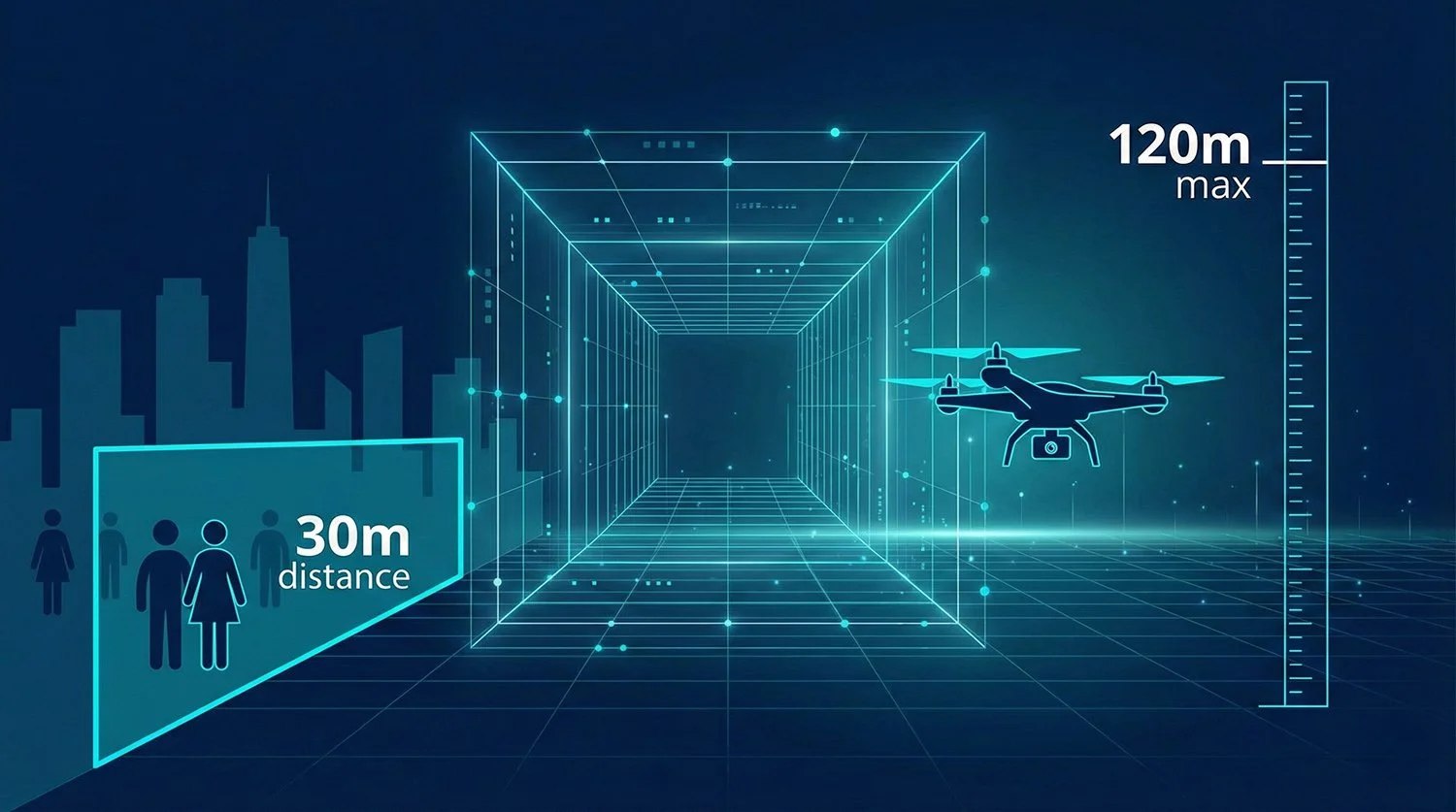
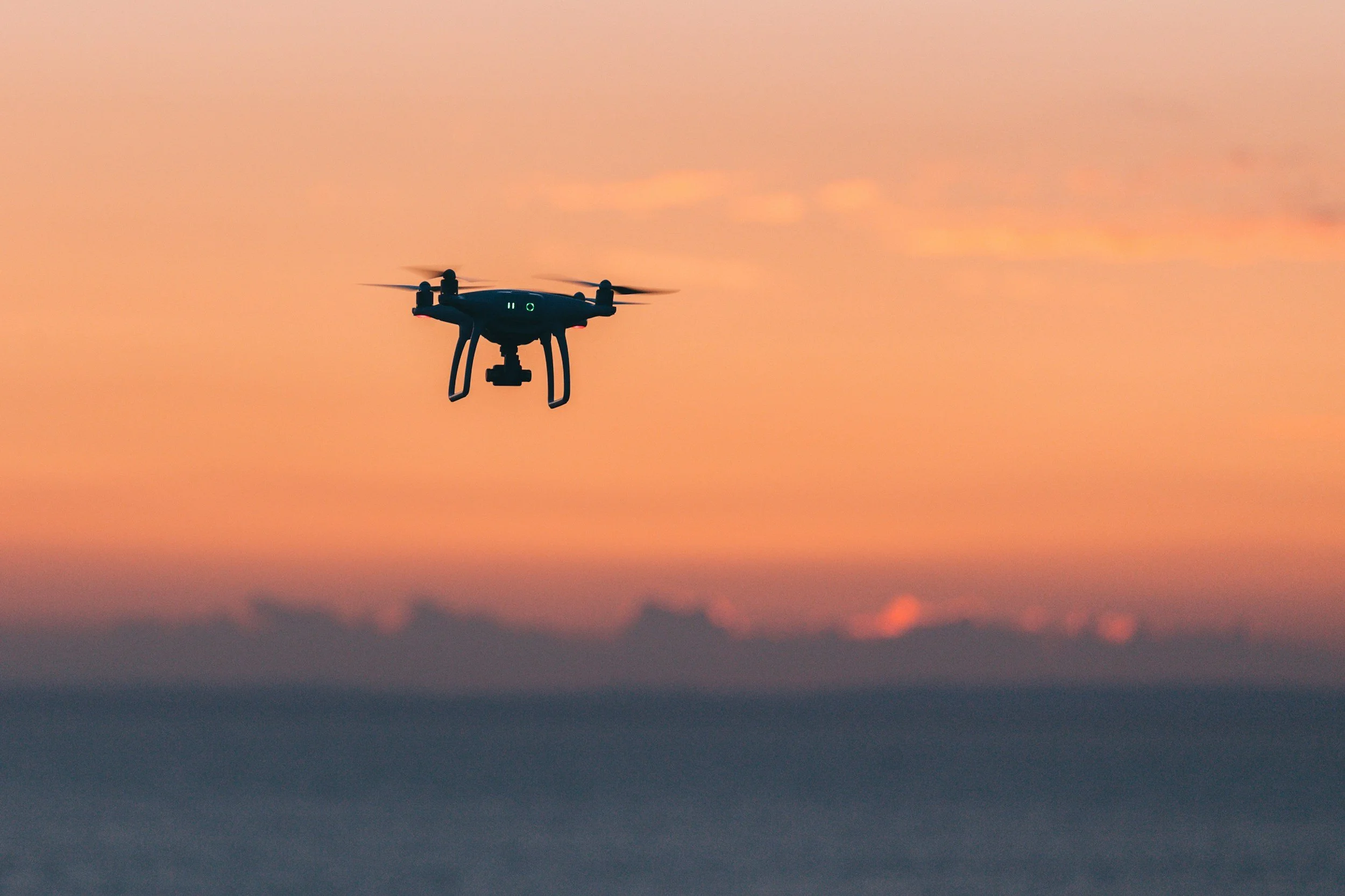
Image Credit: Jacky Lee
The Civil Aviation Safety Authority, CASA, published a Christmas period reminder on 22 December 2025 urging new recreational drone users to learn Australia’s drone safety rules and check airspace restrictions using CASA verified drone safety apps.
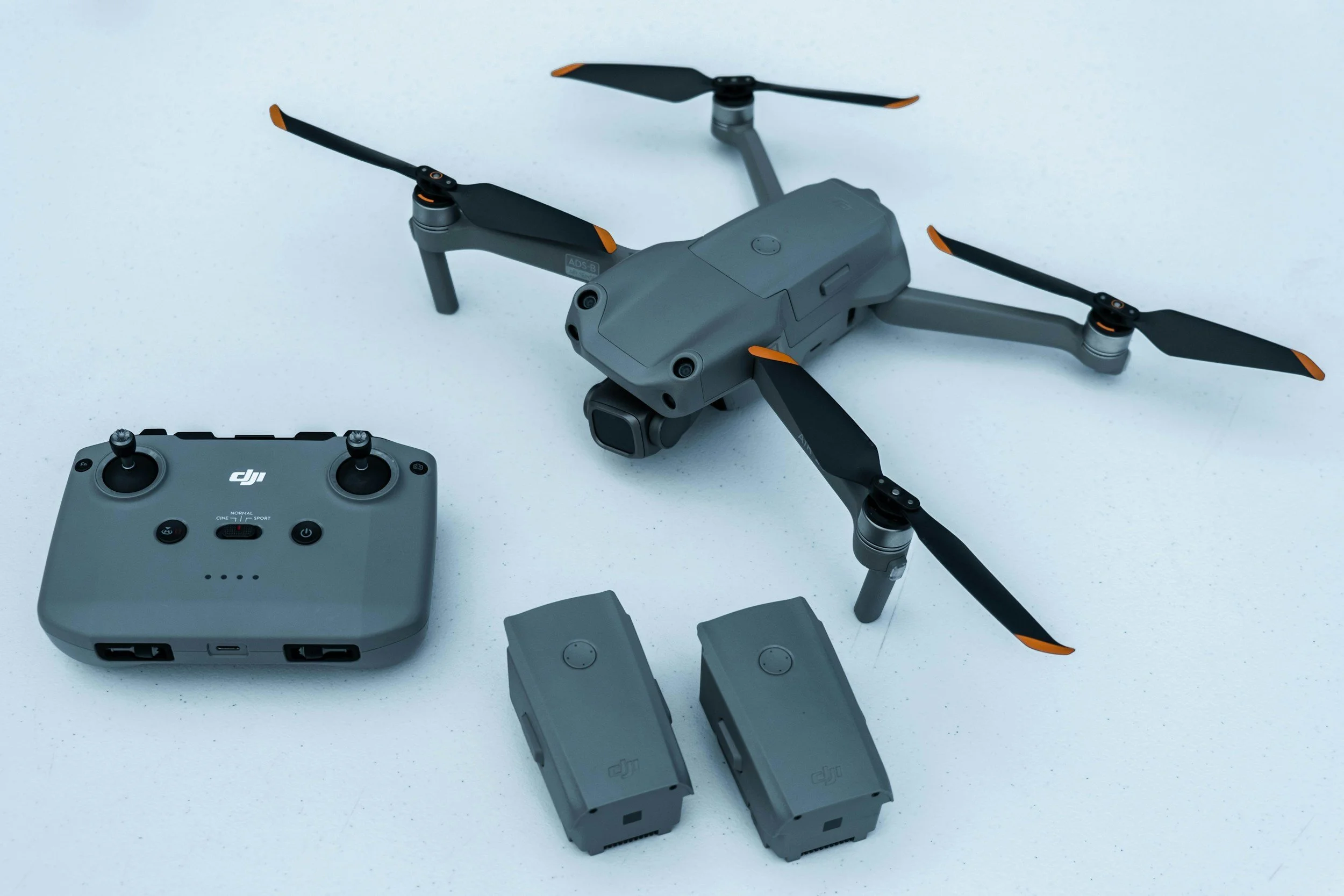
The message is timely because Christmas often brings a wave of first time flyers. CASA framed drones as a common gift, and pointed people to its Know Your Drone resources, including a short video and quiz, as a quick way to reduce avoidable mistakes before the first flight.


















What CASA Said and What It Is Trying to Solve
CASA’s media release is straightforward: know the rules, and use mapping tools that show where you can and cannot fly. It notes that the average drone flyer correctly answered 8 out of 11 drone safety rule questions, which suggests knowledge gaps remain even among people who already fly.
From a regulator’s perspective, this is a classic “scale problem”. Drones are easy to buy and easy to launch, but they operate in shared airspace where mistakes can create safety risks for other aircraft and people on the ground. CASA’s approach here is not a major rule change. It is a reinforcement of compliance basics, delivered at the moment when new users are most likely to take off without understanding aviation style constraints.


























Smarter Drones Can Increase Confidence Faster Than Skills?
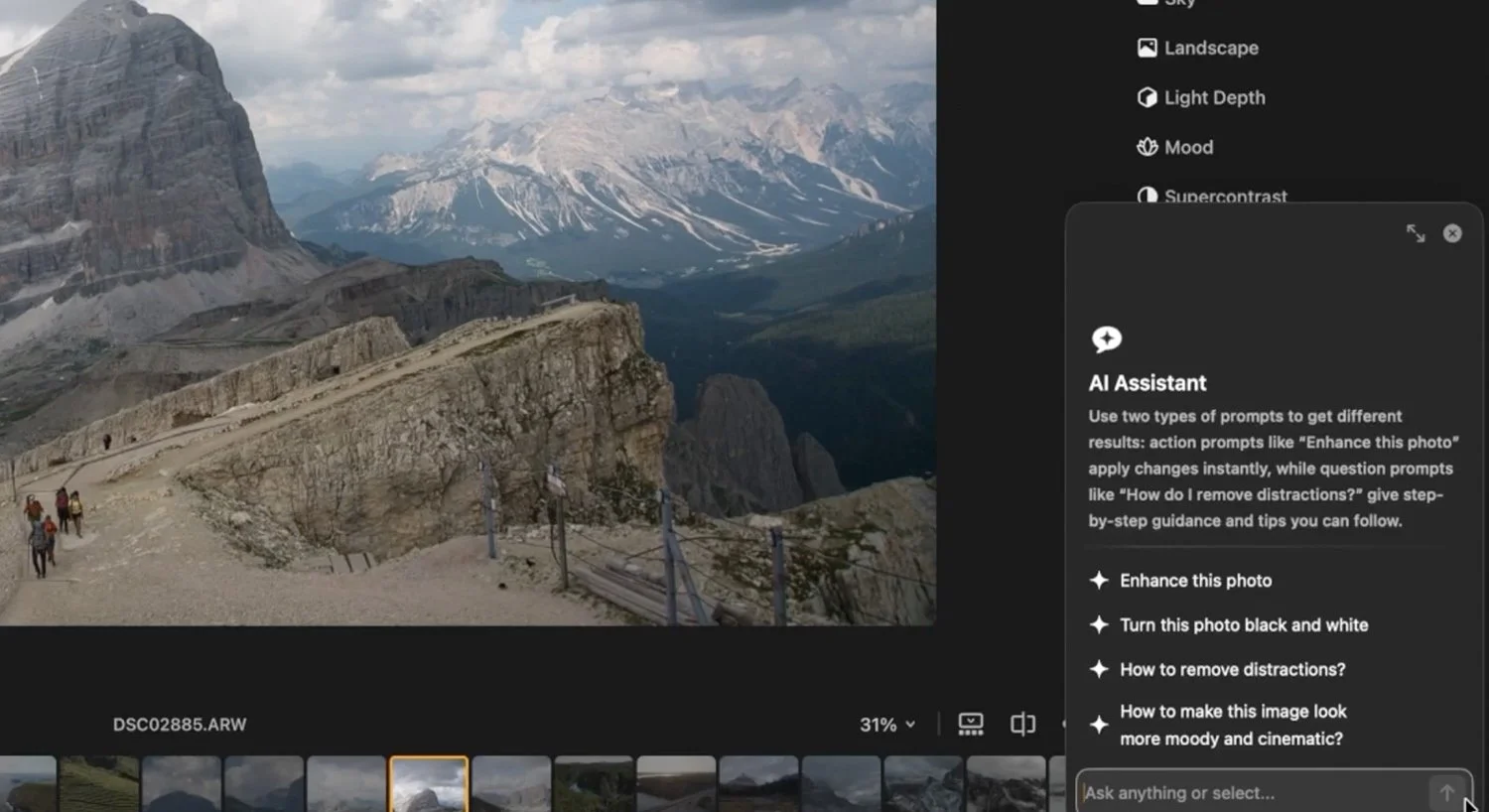
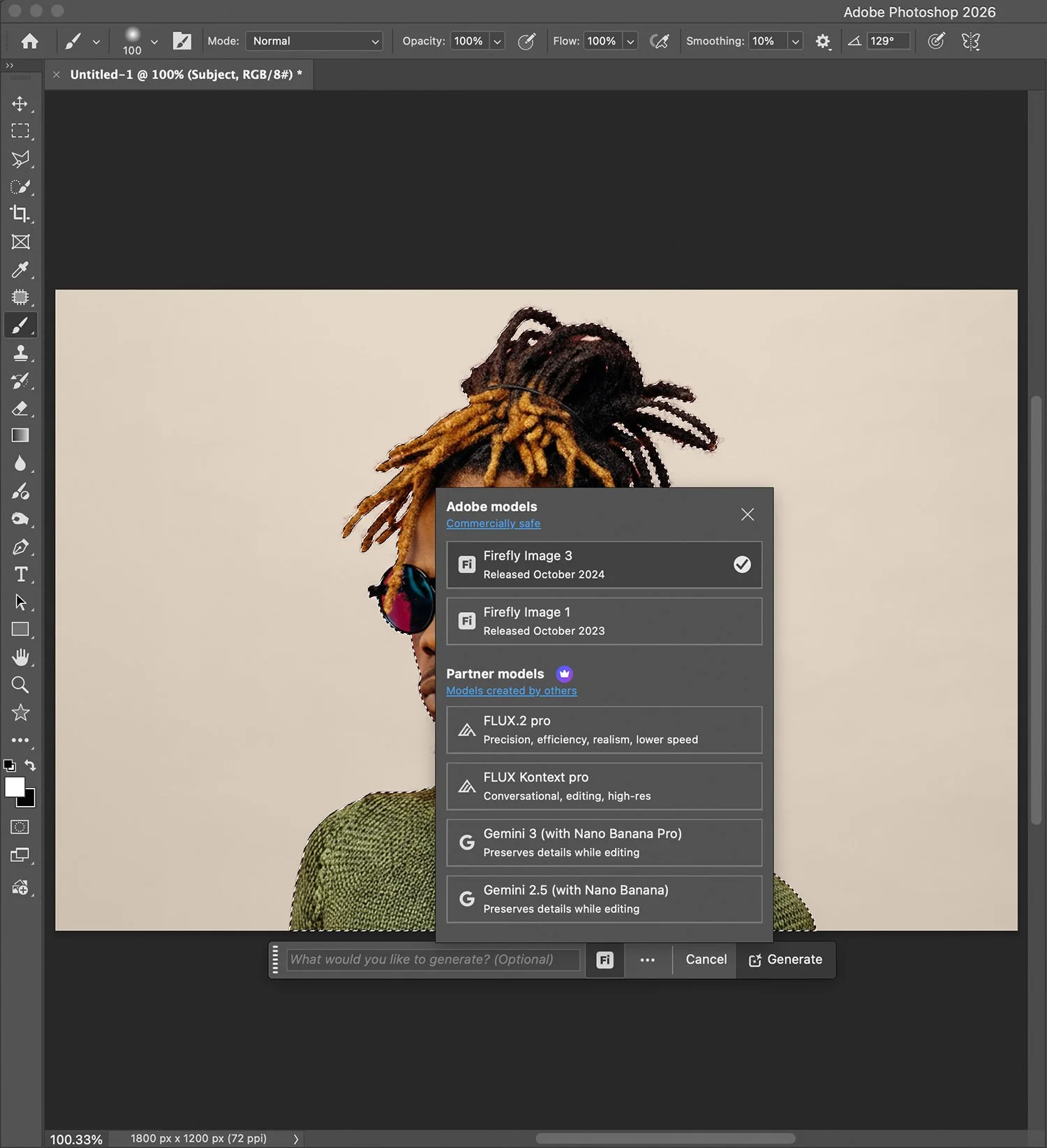
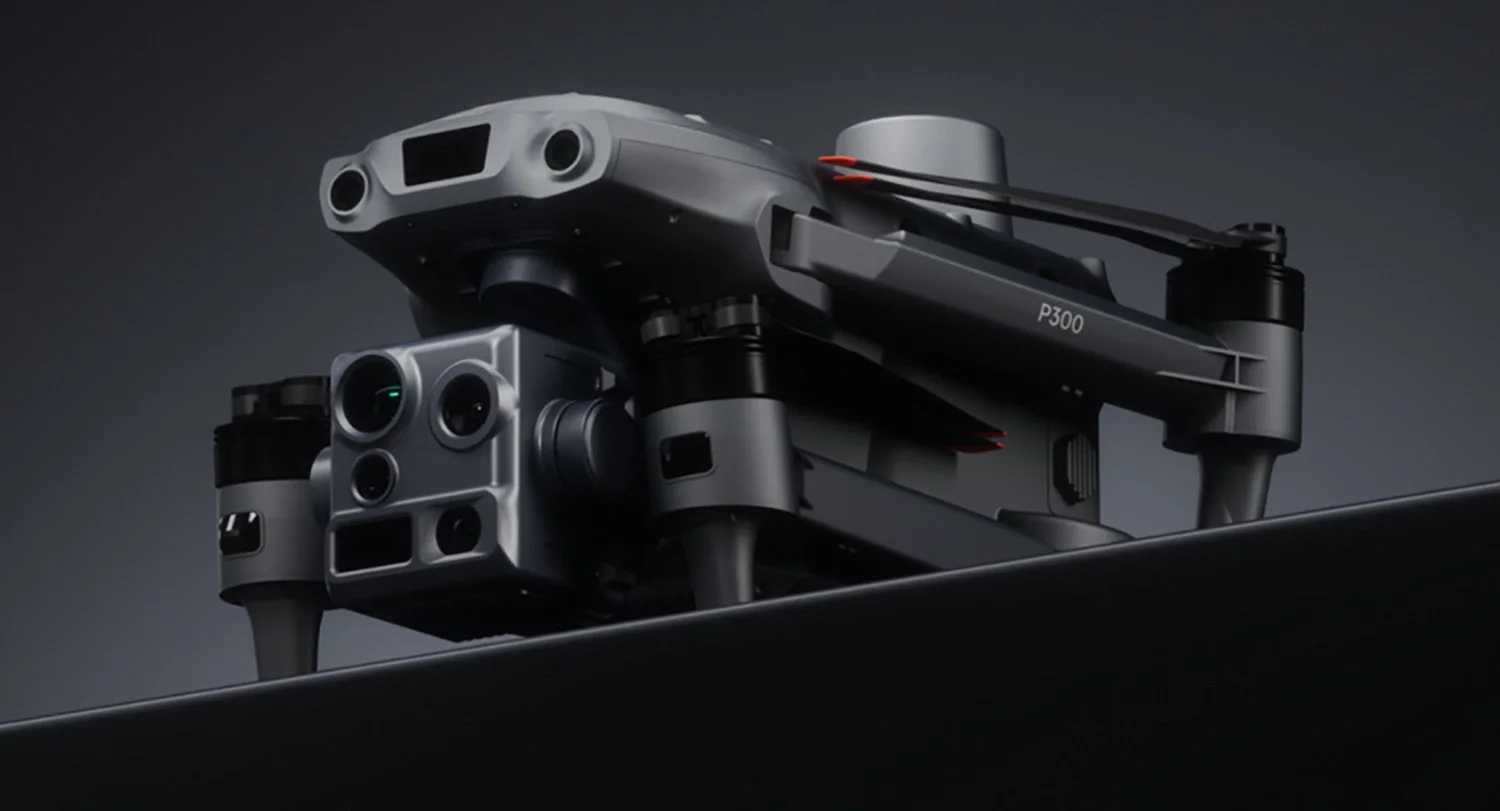
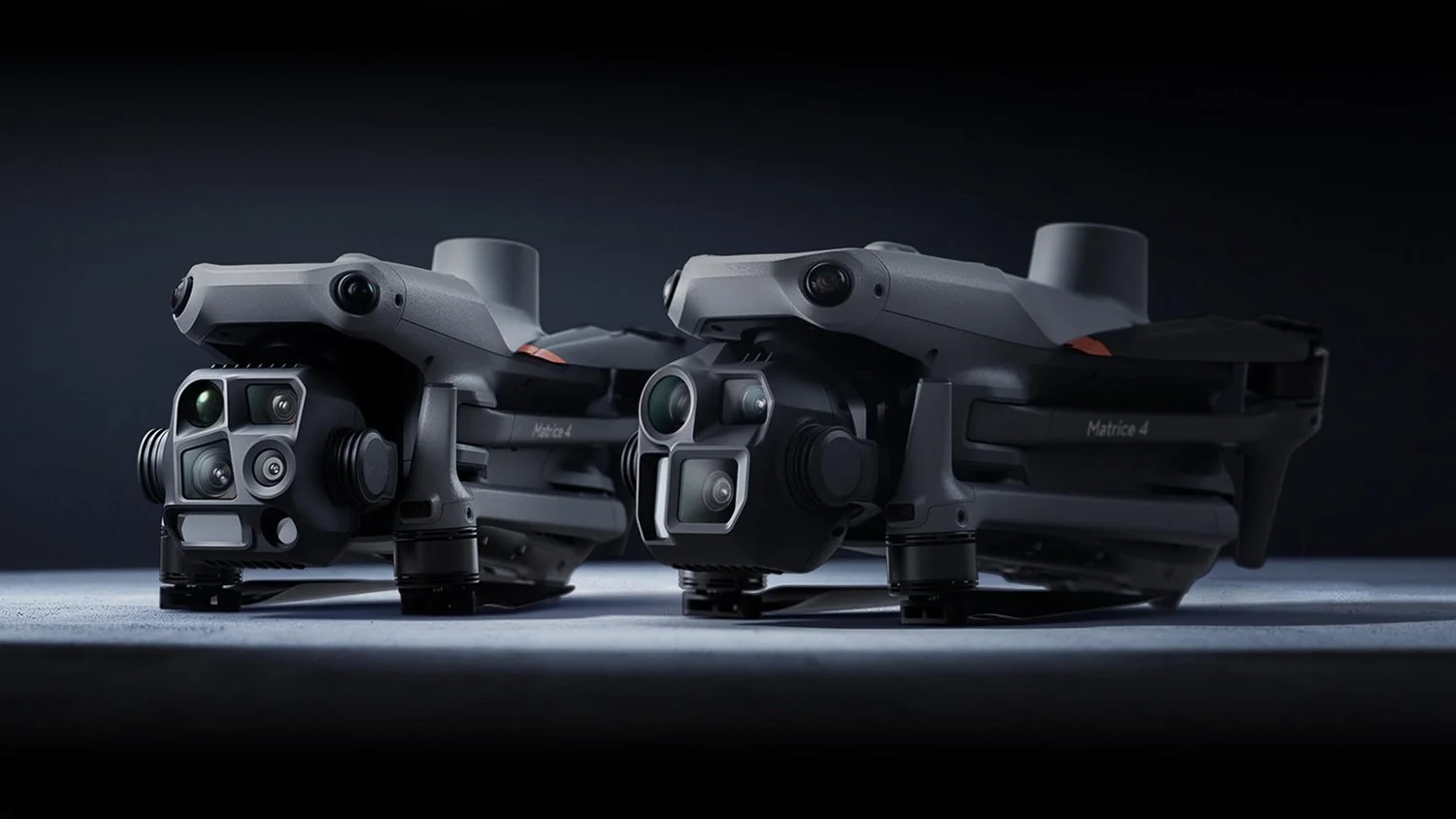
Consumer drones are increasingly packed with software driven automation that can make flying feel simpler than it is. DJI’s own support documentation, for example, describes an ActiveTrack mode where the drone can automatically calculate distance from obstacles, plan a route, and avoid obstacles while tracking a subject. DJI also publishes guidance on APAS, its obstacle sensing and avoidance feature family.
This matters for regulation because these functions can be misunderstood as “the drone will keep me safe”. In reality, CASA’s rules place responsibility on the human pilot, regardless of how capable the onboard software is. Automation may reduce workload, but it does not remove legal obligations like staying out of restricted airspace, keeping separation from people, or maintaining visual line of sight.
In other words, AI assisted flight features can lower the entry barrier, but they do not lower the compliance bar.






























The Rules CASA Wants New Flyers to Internalise
CASA’s recreational drone rules are clear and are designed around predictable safety margins:
Do not fly higher than 120 metres above ground level.
Keep at least 30 metres away from other people and never fly over another person.
Fly only during daylight hours.
Keep your drone within visual line of sight, meaning you must be able to see it with your own eyes, not via goggles, binoculars, or a screen.
Do not fly in a populous area (CASA provides examples).
Follow restrictions around airports and controlled airspace.
CASA’s Christmas reminder also highlights operational “red zones” that can surprise new users, such as being near emergency response areas or temporary restrictions linked to major events.





















CASA Verified Drone Safety Apps, Useful But Not a Free Pass
A key part of CASA’s message is its list of CASA verified drone safety apps, which use location based maps to show where you can and cannot fly under aviation legislation.
Two details matter for credibility and for reader expectations:
These apps are guidance only. CASA explicitly says CASA verified apps “are for guidance only and should not be used for the purpose of air navigation.”
You still need to check other rules. CASA reminds users to check local and state or territory rules as well, because aviation permission is not the only constraint that may apply at a location.
Regulators are increasingly relying on software tools to communicate dynamic restrictions, but they also need to be clear about the limits of those tools. A map can show controlled airspace boundaries and published no fly zones, but it cannot guarantee that every risk or restriction is captured in a way that removes the pilot’s duty of care.

























What Happens When People Ignore The Rules
CASA publishes its enforcement approach and penalty ranges. It says it can issue a fine of up to AUD 1,650 per offence, and that court action can lead to higher penalties, including fines up to AUD 16,500.
























Digital Regulation is Expanding Beyond Education
While CASA’s 22 December release is aimed at new recreational users, CASA is also building a broader digital compliance ecosystem.
Automated airspace approvals for certified operators
CASA describes an automated airspace authorisations trial for ReOC holders, allowing eligible operators to fly in some restricted areas and within 5.5 km of selected controlled airports, using CASA verified drone safety apps where the feature is available.
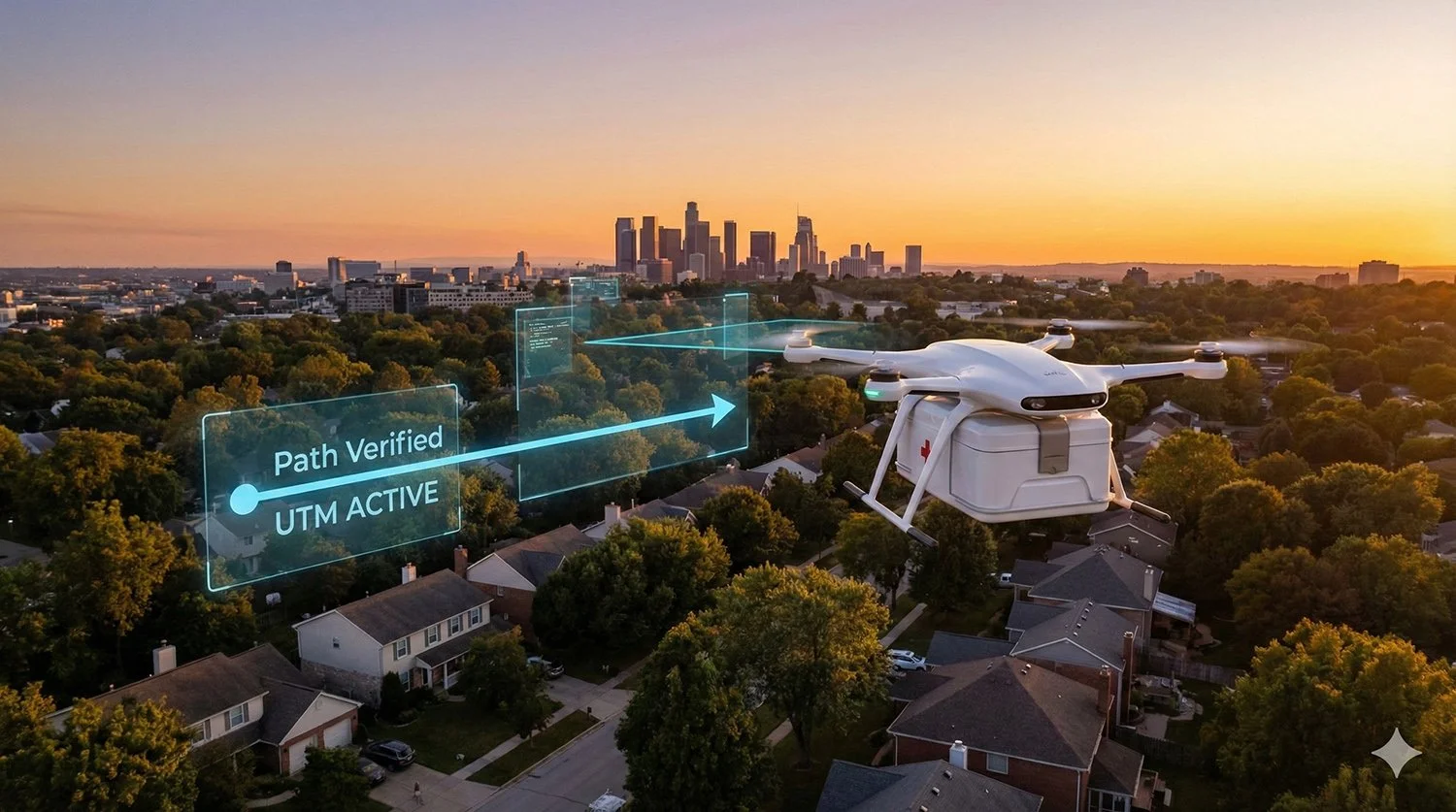
A longer term platform story: FIMS and UTM planning
CASA’s digital platform page states it provides data and services for drone users and supports app provider oversight, and it references Automated Airspace Authorisations across trial locations.
It also notes work with Airservices Australia on the Flight Information Management System, FIMS, with a revised launch target in late May 2026. Airservices similarly describes FIMS as facilitating the exchange of important information to airspace users, as part of developing more automated services for uncrewed aircraft operations.
The trend here is clear from what the agencies publish: more real time data sharing, more digital permissions, and more reliance on software tools that can keep pace with changing conditions.






















How Australia Compares with The United States Approach
Australia’s emphasis on “check the rules in an app before you fly” is consistent with the United States FAA model.
FAA B4UFLY is described by the FAA as a service that shows where recreational flyers can and cannot fly, delivered through FAA approved companies via desktop and mobile applications.
FAA LAANC is described by the FAA as providing near real time airspace authorisations at pre approved altitudes, and it is available to both Part 107 pilots and recreational flyers for operations under 400 feet in controlled airspace.
The shared policy idea is that compliance improves when regulators publish authoritative data and let approved app providers deliver that information at the point of use. The challenge is governance: app accuracy, user trust, consistent messaging, and clear boundaries around what an app can and cannot promise.



























Source: CASA, DJI, Air Services Australia, FAA









 TheDayAfterAI News
We are a leading AI-focused digital news platform, combining AI-generated reporting with human editorial oversight. By aggregating and synthesizing the latest developments in AI — spanning innovation, technology, ethics, policy and business — we deliver timely, accurate and thought-provoking content.