
UK Power Networks Uses AI to Track Unregistered Rooftop Solar and Improve Grid Forecasting
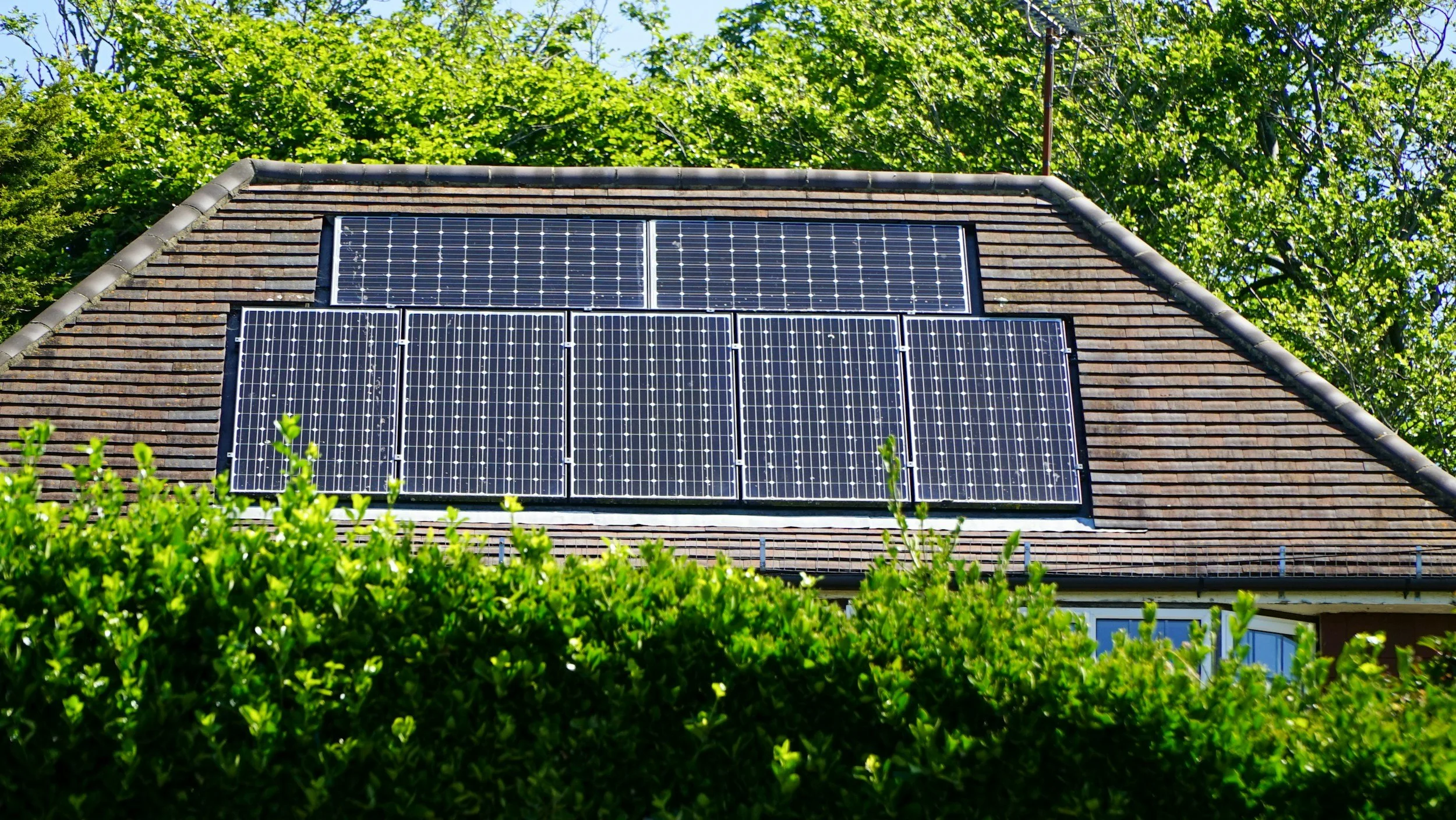
Image Credit: Watt A Lot | Splash
UK Power Networks has teamed up with non-profit Open Climate Fix to use artificial intelligence to estimate untracked rooftop solar output, aiming to improve electricity grid predictions as renewable energy adoption grows.
The initiative, announced on July 21, tackles data gaps from unmetered solar installations, which can disrupt electricity flow management.




















Project Overview
The "AI for Visibility and Forecasting Renewable Generation" project, launched on April 1, 2025, with a budget of 389,000 pounds, will run until July 31, 2026. UK Power Networks, serving 8.5 million customers in London, the South East, and East of England, collaborates with Open Climate Fix, a UK non-profit founded in 2019 focused on AI-driven carbon emission reductions. Open Climate Fix, with prior work alongside National Grid Electricity System Operator and Octopus Energy, provides machine learning expertise to analyze power flows and detect unregistered solar systems.
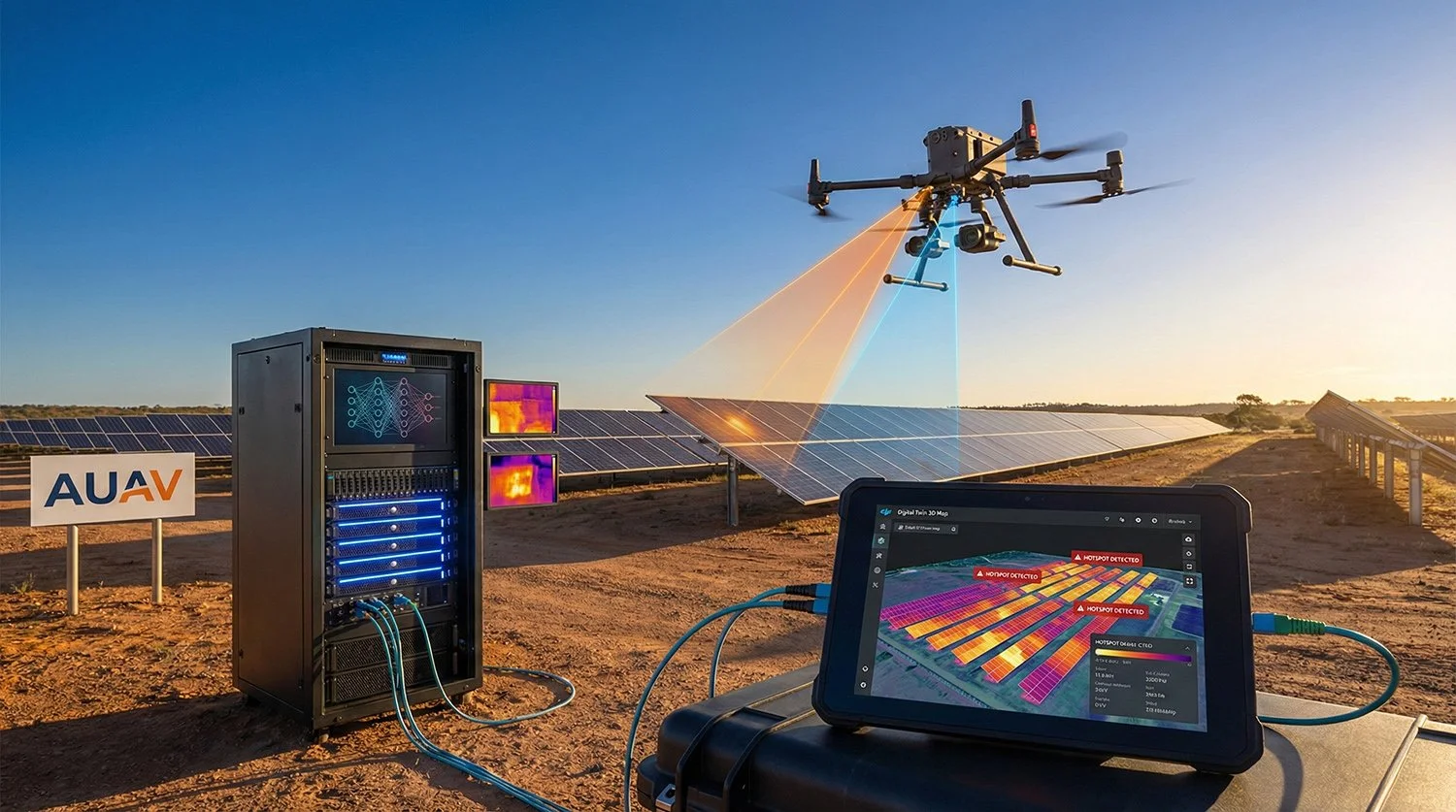
The project employs AI models to process historical substation meter data, satellite imagery, and weather patterns, enabling site-specific solar capacity estimates, unlike broader national projections.



























UK Rooftop Solar Context
Rooftop solar in the UK reached approximately 15.5 gigawatts by the end of 2023, driven by declining panel costs and incentives like the Smart Export Guarantee. The government targets 40-50 gigawatts by 2030 to support net-zero goals. Unregistered household systems create "invisible" generation, complicating demand forecasts and risking grid overloads. Grid connection delays, supply chain constraints, and land-use planning restrictions pose further challenges.
This project builds on prior AI efforts, such as Open Climate Fix’s 2021 cloud-tracking initiative with National Grid for short-term solar predictions.



























AI’s Role in Grid Management
The AI approach infers solar output from indirect data, offering forecasts from minutes to hours ahead. By analyzing network data, it identifies unregistered panels, improving on traditional methods that struggle with unmetered generation. General industry studies suggest such methods can underestimate capacity in high-penetration areas, though exact figures for the UK vary. This granular forecasting aligns with broader AI applications in energy, like predictive maintenance and demand optimization.























Advantages and Limitations
Accurate forecasts could lower costs by reducing unnecessary grid upgrades and flexibility purchases, potentially saving millions annually while aiding renewable integration and grid reliability. Open Climate Fix’s prior work with National Grid reduced forecasting errors by up to 30%, setting expectations for similar gains, though results for this project await validation.
Standard AI challenges apply, including the need for high-quality datasets, potential data privacy concerns from household consumption patterns, setup costs, skilled personnel requirements, risks of algorithm biases, and cybersecurity threats in digitized grids. These are not explicitly cited by UK Power Networks or Open Climate Fix for this project but reflect common industry concerns.





























Future Implications
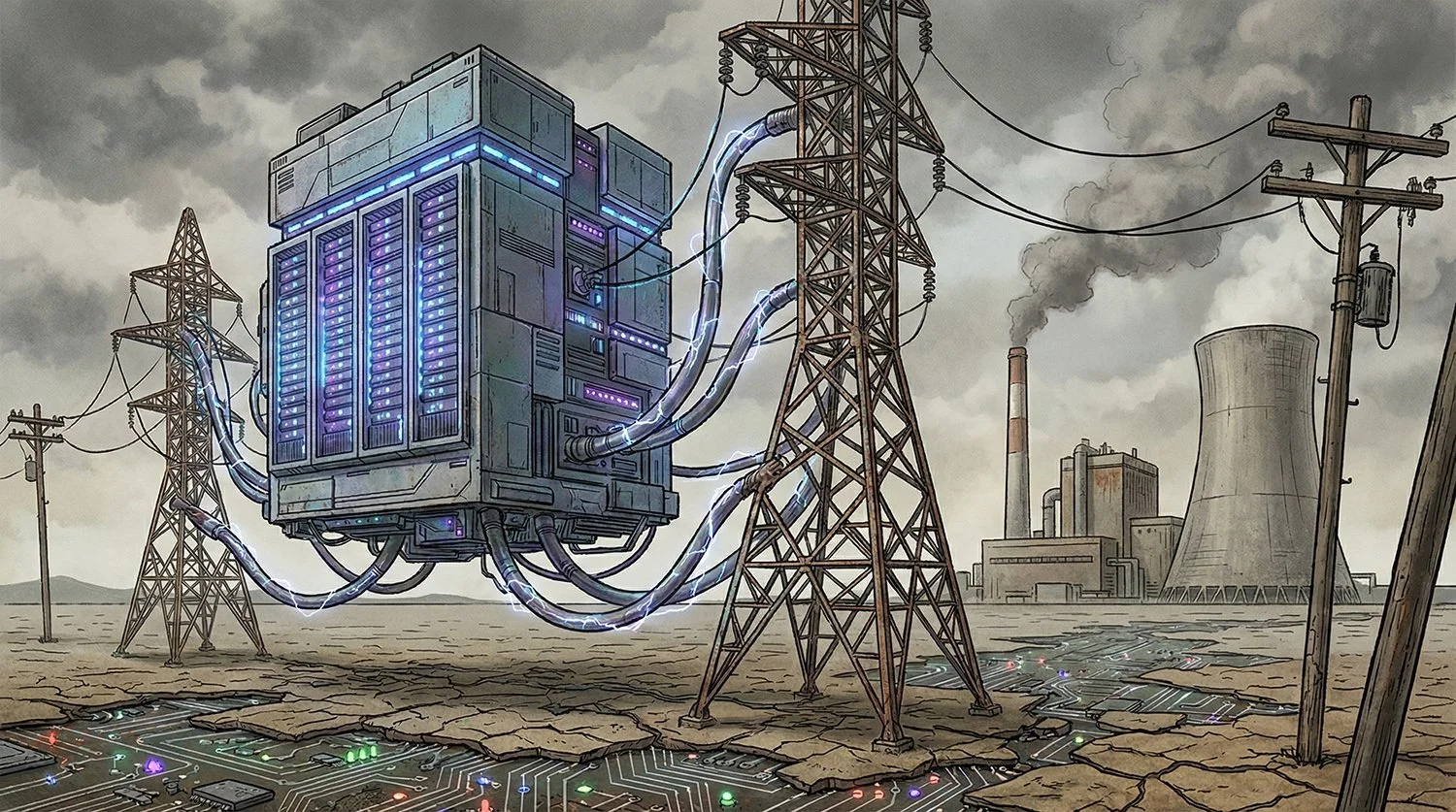
The project could shape AI adoption in UK smart grids, particularly for managing variable renewables and rising demand from sectors like data centers. By 2030, AI may enable dynamic energy optimization with IoT devices and advanced storage. Regulatory reforms on grid connections will influence scalability, and success could lead to open-source tools for global use, aligning with Open Climate Fix’s mission.

































 TheDayAfterAI News
We are a leading AI-focused digital news platform, combining AI-generated reporting with human editorial oversight. By aggregating and synthesizing the latest developments in AI — spanning innovation, technology, ethics, policy and business — we deliver timely, accurate and thought-provoking content.