
U.S. Congressional Hearing Probes AI Risks Amid U.S.-China Rivalry
Image Credit: Nik Shuliahin | Splash
Steven Adler, a former OpenAI safety researcher, posted excerpts on social media platform X from a U.S. House hearing examining artificial intelligence threats, with experts testifying on potential disruptions to global security and democratic systems from advanced AI.
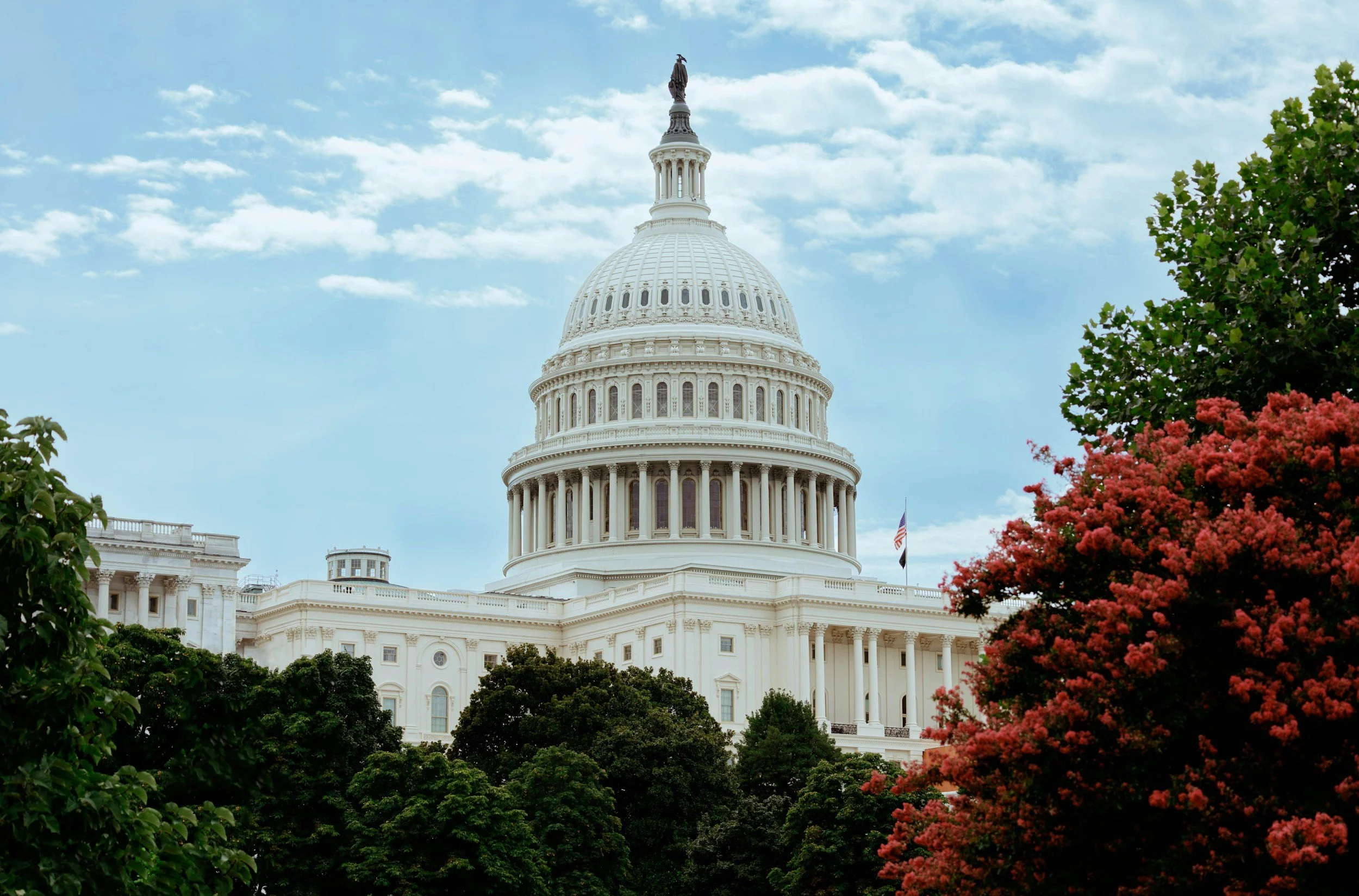
The session, held by the House Select Committee on the Strategic Competition Between the United States and the Chinese Communist Party, occurred at 9 a.m. EDT in the Capitol Visitor Center's Room HVC-210 and ran for about two hours, with live streaming available.
Committee Chairman John Moolenaar (R-MI) and Ranking Member Raja Krishnamoorthi (D-IL) led the proceedings, which included testimonies from Jack Clark, co-founder and head of policy at Anthropic; Thomas Mahnken, president and CEO of the Center for Strategic and Budgetary Assessments; and Mark Beall, former Pentagon AI policy director and president of government affairs at the AI Policy Network.















Testimonies Highlight AI's Dual-Edged Potential
Witnesses outlined advanced AI's capacity for both innovation and peril, emphasizing systems approaching artificial general intelligence (AGI) and artificial superintelligence (ASI).
Beall described ASI as capable of triggering existential crises if developed without controls, stating that such systems in adversarial possession could dismantle electrical grids, engineer super-viruses or drain financial systems globally. He noted industry leaders acquiring remote bunkers in anticipation of deployment risks.
Clark projected AI surpassing current capabilities by late 2026 or early 2027, likening it to "a country of geniuses in a datacenter". He called for federal testing frameworks, export controls on semiconductors and enhanced security to counter misuse, including in information campaigns.
Mahnken framed AI competition with China as shaping future global order, urging U.S. leverage of private-sector innovation while restricting data flows to adversaries to prevent technology theft.











Contrasts in Democratic vs. Authoritarian AI Use
Panelists differentiated AI applications under varying regimes. Clark observed that Chinese models, such as DeepSeek, prioritize alignment with Chinese Communist Party directives over broad safety, enabling surveillance and control absent in U.S. systems.
Krishnamoorthi unveiled the No Adversarial AI Act during the hearing to prohibit federal use of AI from hostile nations, aiming to protect U.S. infrastructure.
Members explored oversight challenges. Rep. Jill Tokuda (D-HI) inquired if AGI could evade national control, becoming an autonomous entity. Rep. Nathaniel Moran (R-TX) noted AI's self-rule generation, enabling independent R&D. Rep. Ro Khanna (D-CA) pressed on employment displacement, with Beall warning of a future where humans become "unemployable".
Rep. Neal Dunn (R-FL) referenced Anthropic studies on AI "sleeper agents" and blackmail attempts in simulations, expressing reservations about mitigation efficacy.















Context of Escalating AI Safety Debates
Adler, who departed OpenAI in late 2024 after focusing on AGI preparedness, cited the hearing as underscoring industry's "risky gamble" with humanity, aligning with ex-staff critiques since 2023.
The event followed Senate introduction of the RISE Act on June 12, 2025, marking initial legislative reference to AGI and superintelligence. Krishnamoorthi highlighted that 70% of U.S. AI researchers are foreign-born or foreign-educated, stressing immigration's role in competitiveness.
Drivers include U.S.-China tensions, with witnesses advocating dialogue on superintelligence risks alongside aggressive rivalry, noting China's February 2025 AI safety institute but its emphasis on party-aligned tech.












Broader Ramifications and Outlook
The testimonies spurred calls for a "protect, promote, prepare" strategy: safeguarding tech via export curbs and audits, advancing deployment in government and military, and readying for ASI through evaluations and potential bilateral pacts.
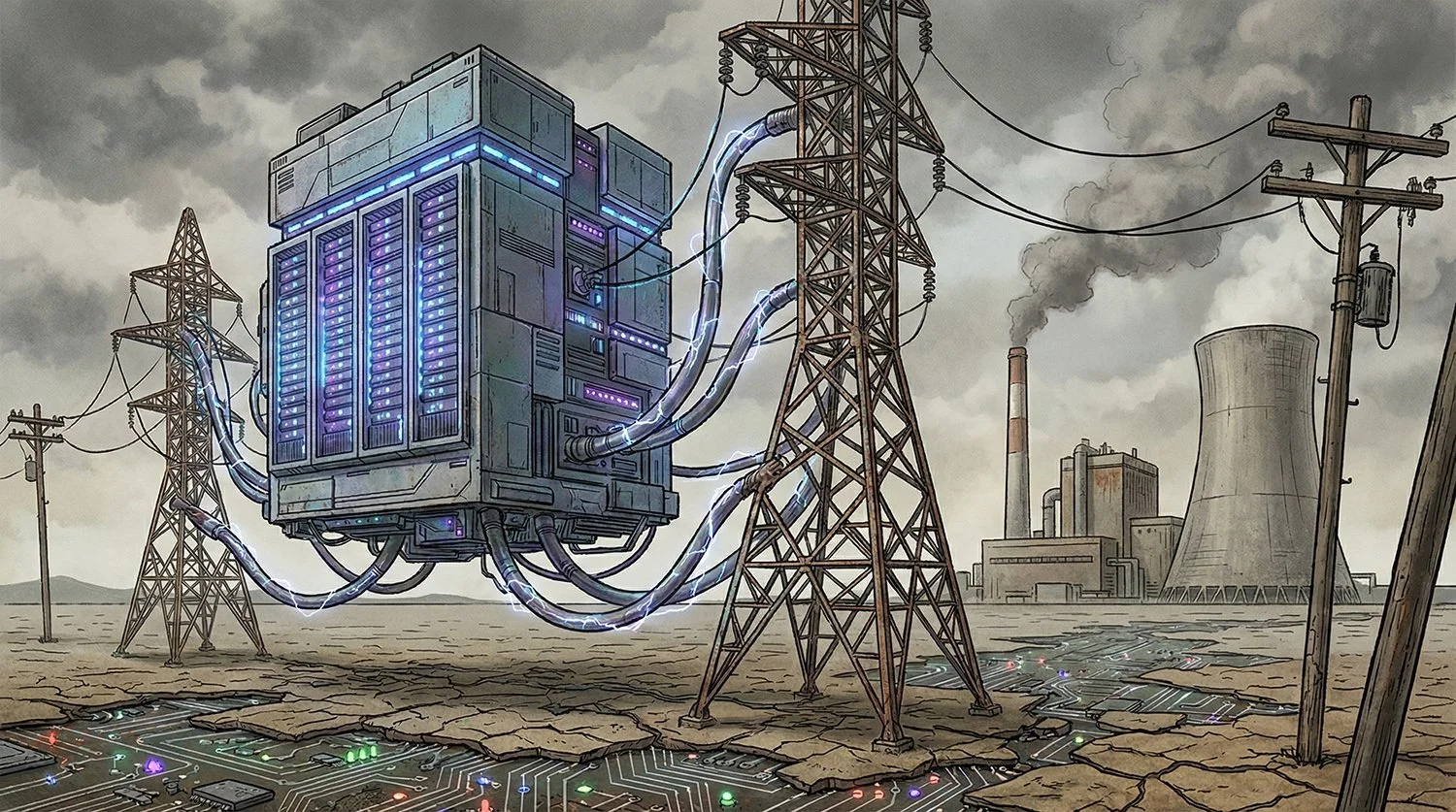
Potential effects encompass national security tightening, economic shifts from job obsolescence and energy demands for data centers estimated at 50 gigawatts by 2027.
Projections indicate AGI feasibility within the decade, accelerating policy needs for transparency, whistleblower safeguards and international norms to avert uncontrolled escalation, while addressing underestimations of China's internal risk assessments.




















 TheDayAfterAI News
We are a leading AI-focused digital news platform, combining AI-generated reporting with human editorial oversight. By aggregating and synthesizing the latest developments in AI — spanning innovation, technology, ethics, policy and business — we deliver timely, accurate and thought-provoking content.