
AIMS Deploys AI and Robotics to Scale Coral Restoration
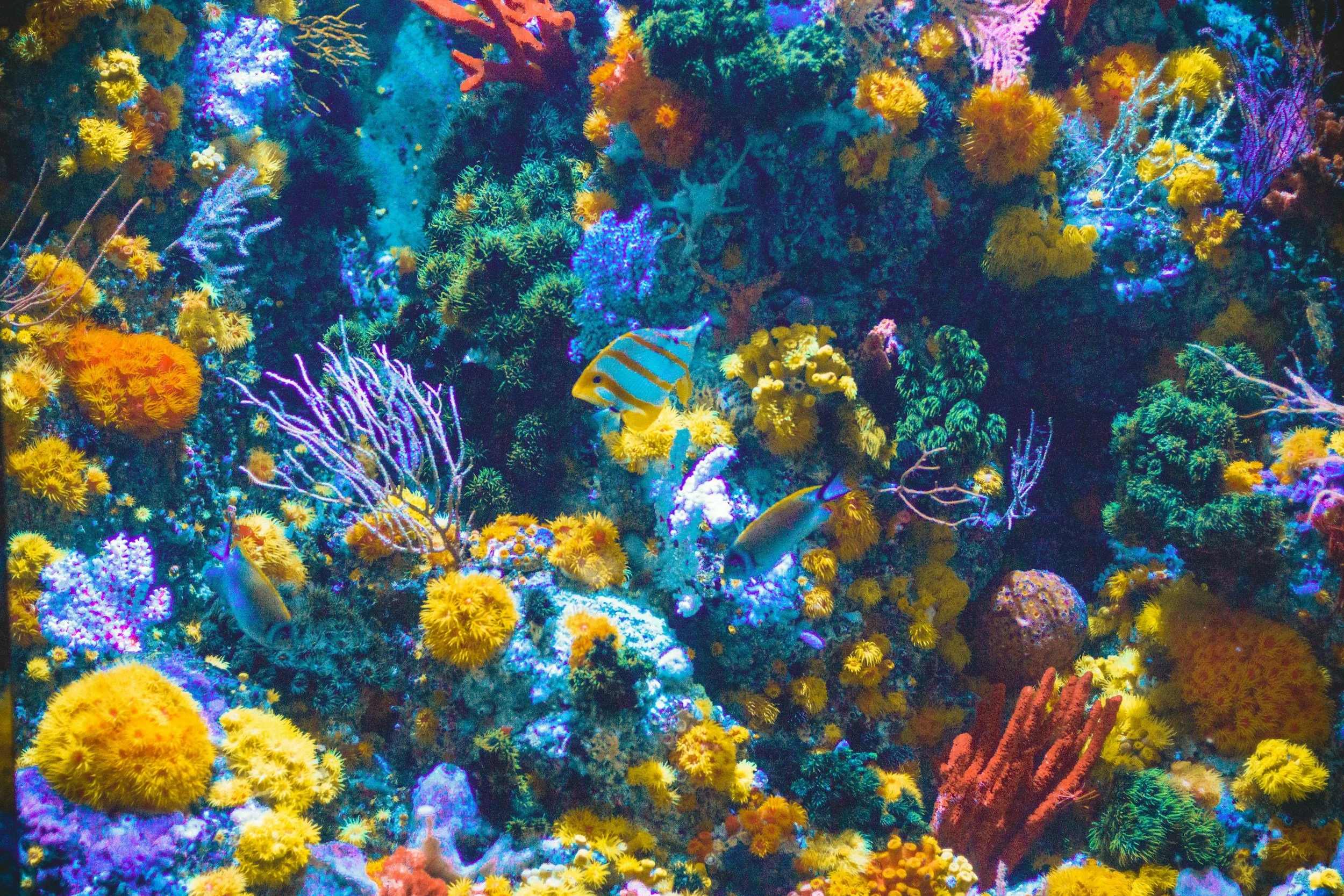
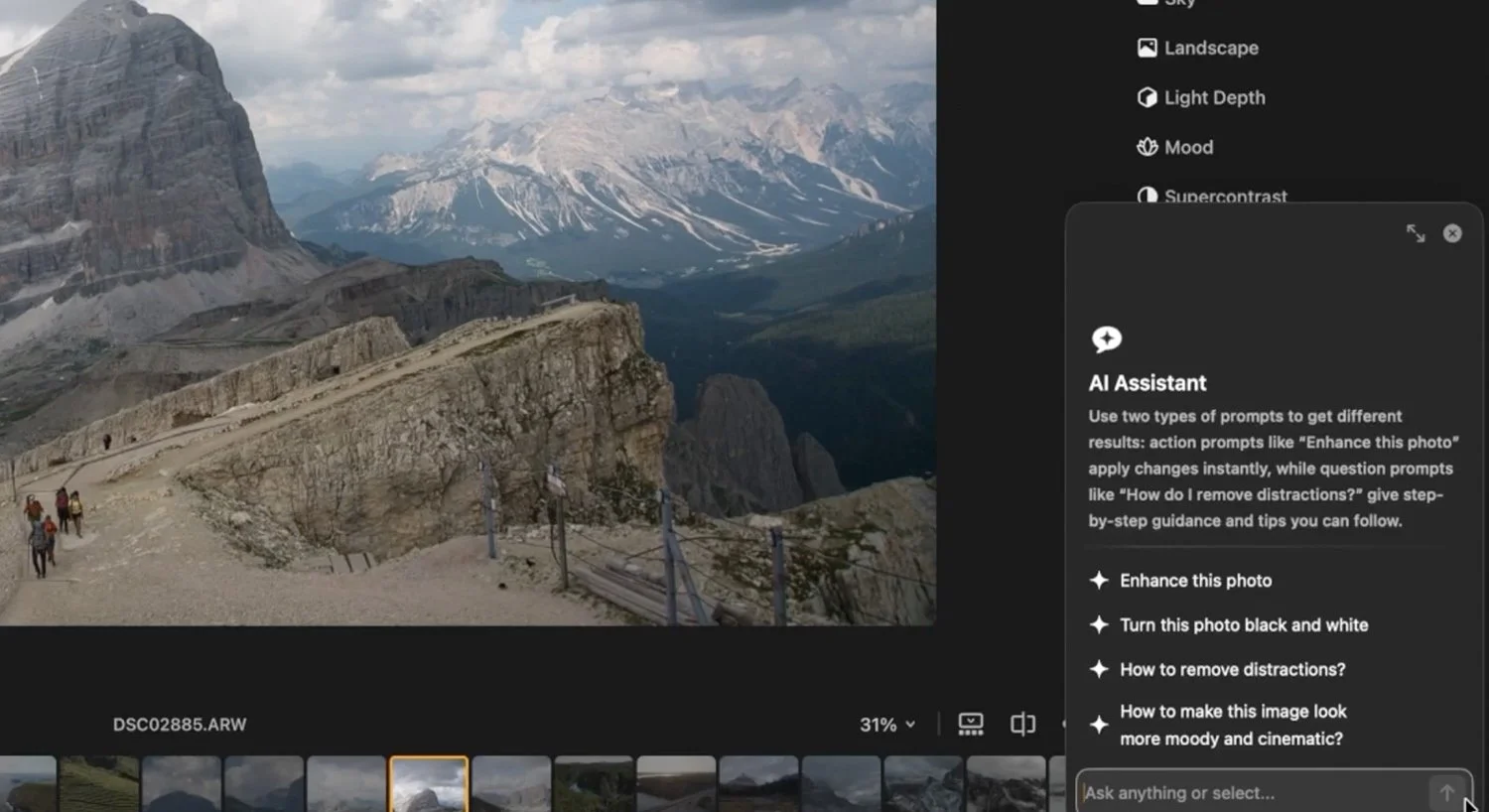
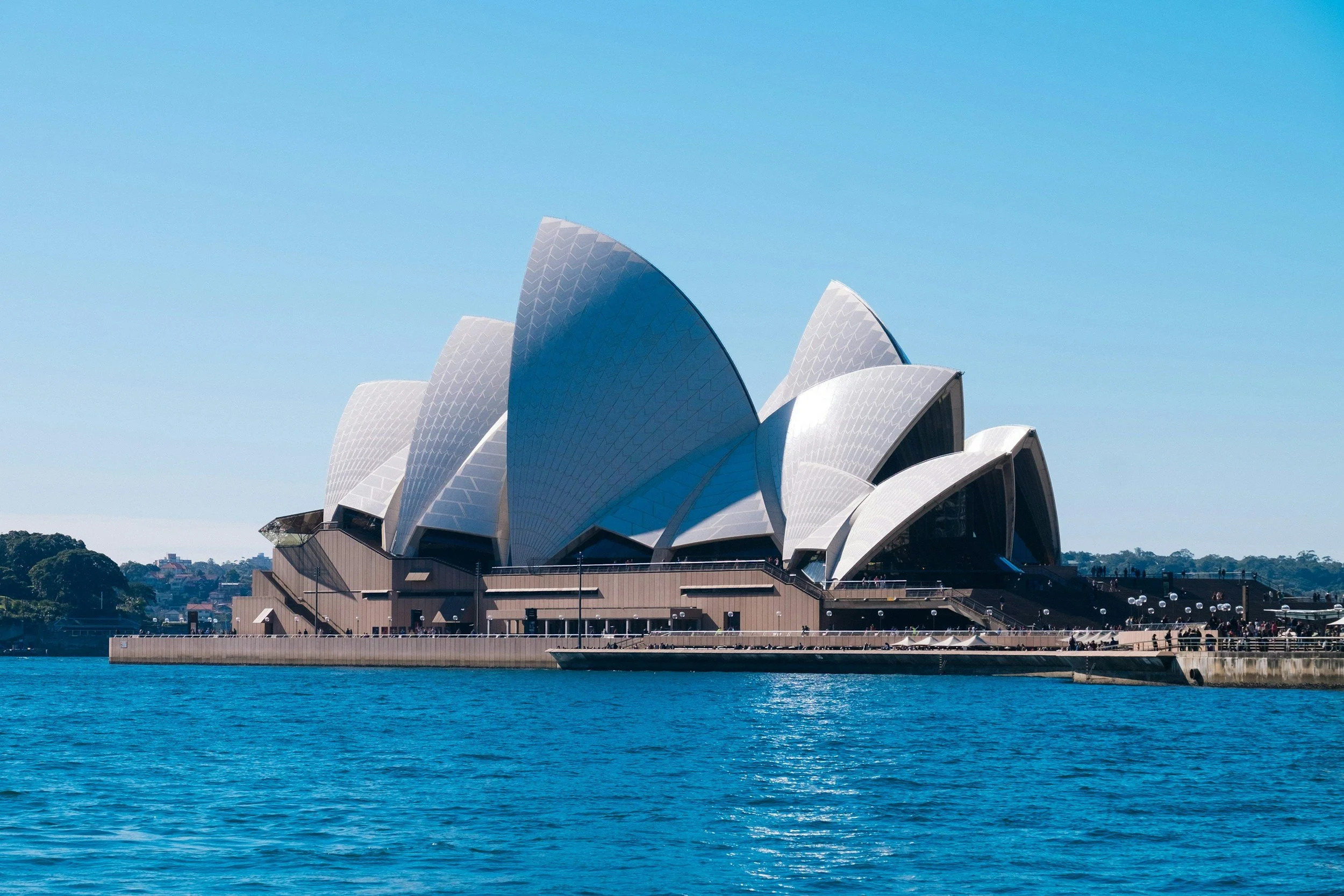
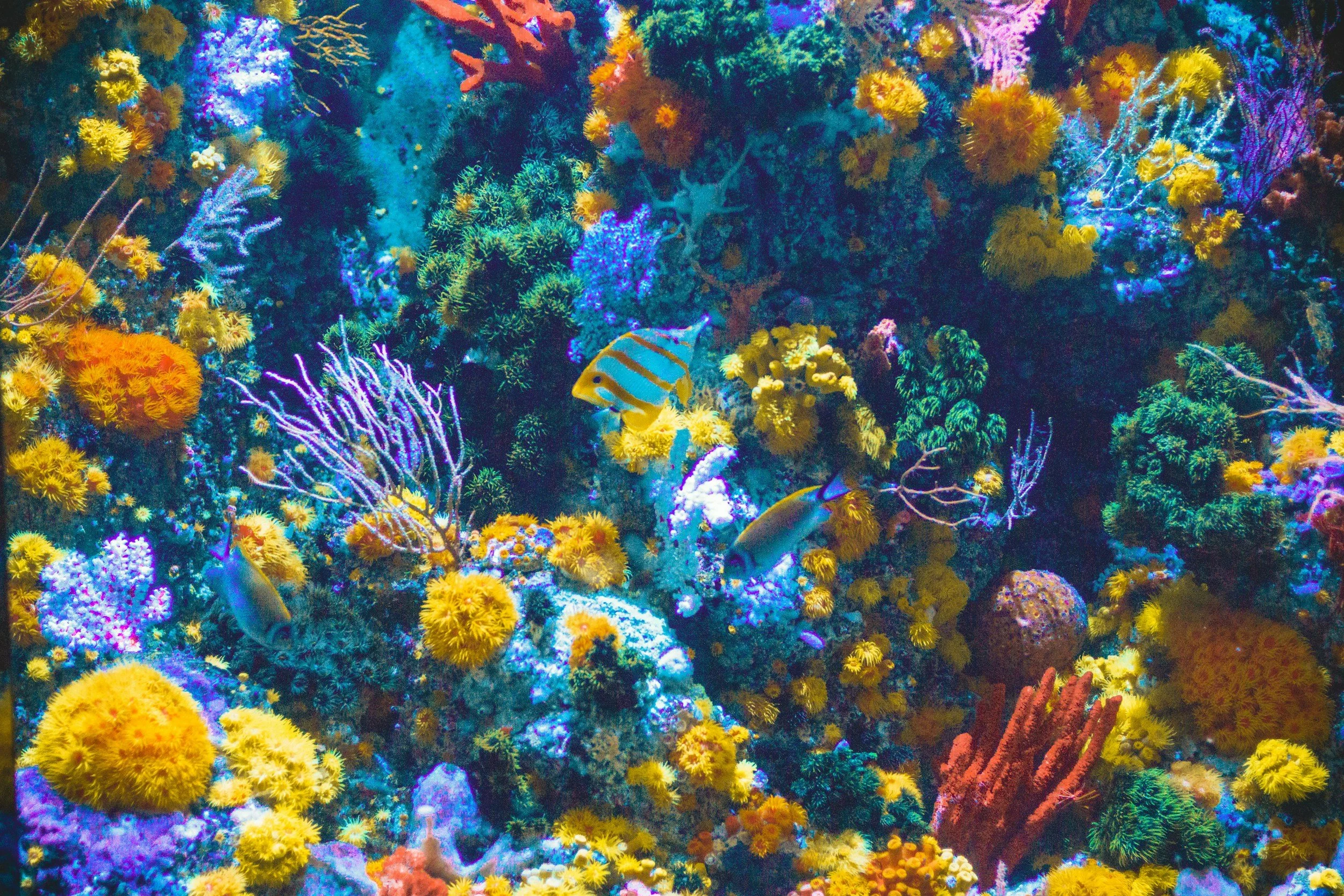
Image Credit: Shaun Low | Splash
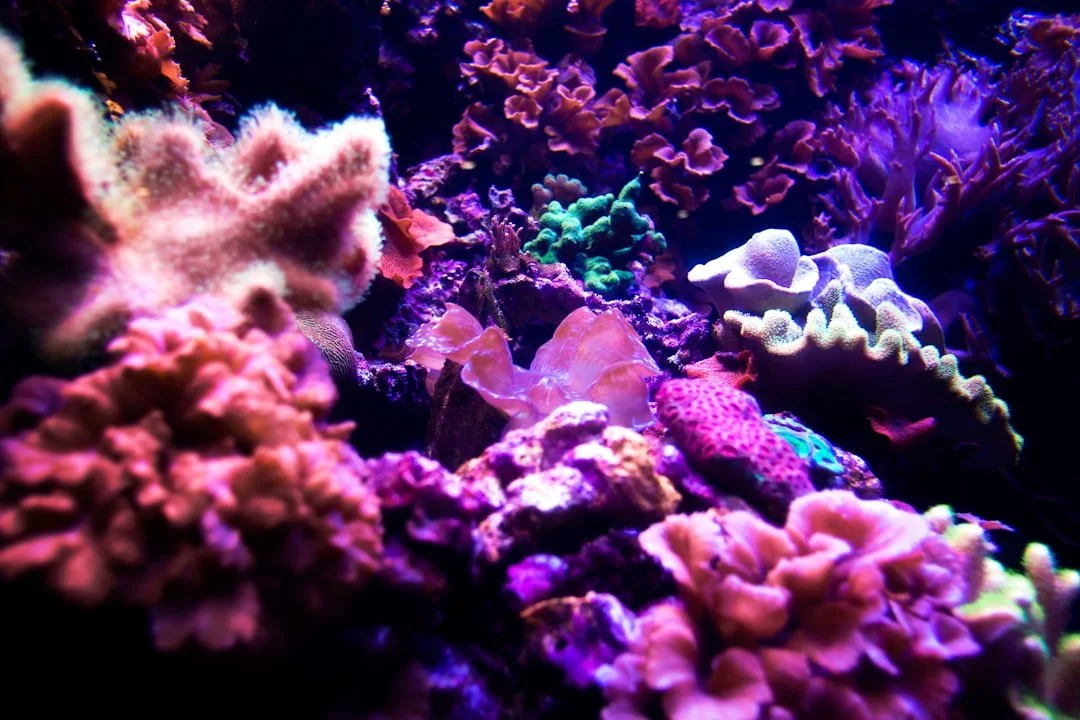
The Australian Institute of Marine Science (AIMS) says it is using a set of automation and AI enabled tools to lift the throughput of coral aquaculture during the 2025/26 spawning season, as part of its work under the Pilot Deployments Program.
AIMS frames the work as a response to a practical bottleneck: once you move from small research batches to restoration scale, repeated manual steps like fertilisation, counting larvae, inspecting settled juveniles, tracking stock, and placing seeding devices become limiting factors.



















How AI Can Help
Coral aquaculture involves multiple short, time sensitive stages where decisions depend on measurements that are traditionally slow to collect. AIMS notes, for example, that larvae can crash over a few hours and need careful monitoring, and that manual counting under a microscope was previously used for stock estimates.
In that context, AIMS is pushing AI toward two kinds of tasks:
Machine vision measurement at scale (continuous counts and growth tracking rather than occasional manual sampling)
Operational automation (robotic imaging and on water guidance to speed deployment decisions)
AIMS says the National Sea Simulator (SeaSim) is already raising around a million young corals and delivering them to the Great Barrier Reef, and that scaling further needs more automation than people alone can provide.




















Automating Coral Fertilisation
AIMS describes the AutoSpawner as a fully automated aquarium system designed to harvest eggs and sperm from spawning corals and produce fertilised eggs with minimal human intervention. It skims gamete bundles, mixes them in a fertilisation tank, and calculates sperm concentration to determine when fertilisation should run, before washing off excess sperm.
In AIMS reporting, comparisons with manual fertilisation found the system:
collected more gametes faster
achieved similar fertilisation success
reduced labour costs by between eight and 100 fold depending on species
produced 7 million or more fertilised eggs in a single night per unit
A peer reviewed paper on the system reports labour reductions of up to 113 fold and notes that for highly fecund species a single AutoSpawner can yield more than 7 million fertilised eggs per night.
AIMS also reports that SeaSim moved from two AutoSpawner units in the 2024/25 season to eight units now.























AI Computer Vision to Count Larvae in Tanks
AIMS says the Coral Spawn and Larvae Imaging Camera System (CSLICS) estimates the number of free floating larvae directly inside rearing tanks, which it says typically hold around half a million larvae.
Instead of manual sampling and microscope counts, AIMS describes CSLICS as a networked camera setup using computer vision AI algorithms to continuously assess larvae numbers and feed data to a central server for synchronisation and processing, with staff managing cameras and lighting.
AIMS reports:
24 CSLICS tanks installed at SeaSim
first full spawning season use in 2025/26
a desktop prototype being trialled for remote field work and tasks like stocking density and fertilisation assessment
An arXiv preprint by Dorian Tsai and colleagues positions CSLICS as a computer vision pipeline using low cost modular cameras and object detectors trained using human in the loop labelling approaches for automated counting in larval rearing tanks.




















AI Detection of Juvenile Corals
Once larvae settle onto tiles, AIMS says it needs a different measurement system. Its Coral Growout Robotic Assessment System (CGRAS) uses a high resolution submersible camera with a macroscopic lens mounted on a robotic arm to take repeatable close ups of juvenile corals on tiles across two tanks holding 25 tiles each. AIMS says AI is then used to detect tiny corals, count them, and track growth over time.
AIMS highlights the labour driver: it estimates it takes roughly one hour for a human to count corals on a single tile, and argues that moving toward thousands of tiles over a 12 week growout period becomes infeasible without automation.















RFID plus GPS: Traceability from Tank to Reef
AIMS also describes a tracking layer using radio frequency identification (RFID) to keep track of coral batches through SeaSim and during transport back to reef sites.
In AIMS’ description:
each large settlement tile has an RFID chip
tiles are broken into small squares and inserted into coral seeding devices
devices are mounted on metal spikes called spigots, with 18 devices per spigot
each spigot also has an RFID transmitter, and once deployed the identifier is associated with GPS coordinates
AIMS says every coral device spigot heading to the reef has been RFID enabled for 2025/26.













On Water AI Guidance for Coral Device Deployment
AIMS describes the Deployment Guidance System (DGS) as the only fully ocean based technology in its list, combining marine robotics and AI to support placing coral seeding devices in locations where they are more likely to grow to adulthood.
AIMS outlines a staged workflow:
promising sites can be pre selected using computer models based on ecological research within the Reef Restoration and Adaptation Program
on the water, cameras and real time AI analysis can guide deployment
the system provides autonomous vessel guidance and geotagging to support later monitoring
AIMS also explicitly notes DGS is not replacing human scientific knowledge, but is intended to speed up deployment decisions across a very large reef system, and to automate device deployment that is currently done by hand.
AIMS reports DGS has been undergoing on water testing since mid 2025, and attributes leadership to AIMS project engineer Dr Ben Moshirian within an AIMS and QUT collaboration.


















Other AI Work in Reef Science
AIMS’ approach here is notable because it targets the production pipeline, not just monitoring. In broader reef science, AI is often applied to mapping and classification, such as:
Allen Coral Atlas, which uses machine learning with satellite imagery and reef mapping workflows to support large scale coral reef mapping
CoralNet, a widely used platform that applies machine learning assisted annotation for benthic and coral reef imagery
Those tools mainly address observation and interpretation. The AIMS set focuses on measurement and logistics that enable throughput, from fertilisation automation and continuous larval counts to robotic imaging, traceability, and guided deployment.


























Program Context
AIMS links this work to the Pilot Deployments Program, described as an operational testing phase within the Reef Restoration and Adaptation Program, funded by the Australian Government’s Reef Trust and delivered by AIMS with partners. The program material also states climate change is the greatest threat to the reef and frames pilot deployments as a way to test approaches at larger scales, including feasibility and governance.
The next credibility checkpoints are straightforward:
whether computer vision counts remain reliable across changing lighting, water clarity, and biological conditions
how well robotic imaging and AI detection stay consistent as tile volumes increase
whether tracking data (RFID plus GPS) integrates cleanly with deployment and monitoring workflows
whether on water guidance performs consistently across vessels and reef locations, as testing expands




























 TheDayAfterAI News
We are a leading AI-focused digital news platform, combining AI-generated reporting with human editorial oversight. By aggregating and synthesizing the latest developments in AI — spanning innovation, technology, ethics, policy and business — we deliver timely, accurate and thought-provoking content.