
Genspark.AI Emerges in U.S. as AI Agent Startup Led by Former Baidu Executives

Image Source: Genspark.ai
Genspark.AI, a U.S.-based artificial intelligence company developing autonomous agents, highlights how founders with experience at Chinese tech firms are establishing ventures in Silicon Valley to capitalize on local innovation ecosystems amid evolving global AI regulations.
Founded in Palo Alto in 2023, Genspark exemplifies the flow of AI talent from China to the United States, where access to funding and advanced models supports rapid development, though it also underscores ongoing discussions about data privacy in cross-border tech enterprises.



























Company Background and Founding
Genspark, legally incorporated as MainFunc Inc in California, was established in 2023 by co-founders Eric Jing and Kay Zhu, both former executives at Baidu, China's leading search engine company. Jing, who serves as CEO, previously held roles as chief product officer for Baidu's search division and principal development manager at Microsoft's Bing. Zhu, the CTO, also worked at Baidu and Google.
This founding in the U.S. allows the company to secure investments and integrate models from American providers like OpenAI and Anthropic, amid U.S. export controls on advanced semiconductors since 2022 that have influenced global AI strategies. Genspark raised US$60 million in a seed round in June 2024, led by Lanchi Ventures, valuing it at US$260 million, followed by a US$100 million Series A in February 2025, boosting valuation to US$530 million.
Analysts see this as part of a pattern where expertise from China's data-rich environment contributes to U.S. AI advancements, potentially accelerating innovation but prompting scrutiny over intellectual property and ethical data use in a tense geopolitical context.





















Business Operations and AI Innovations
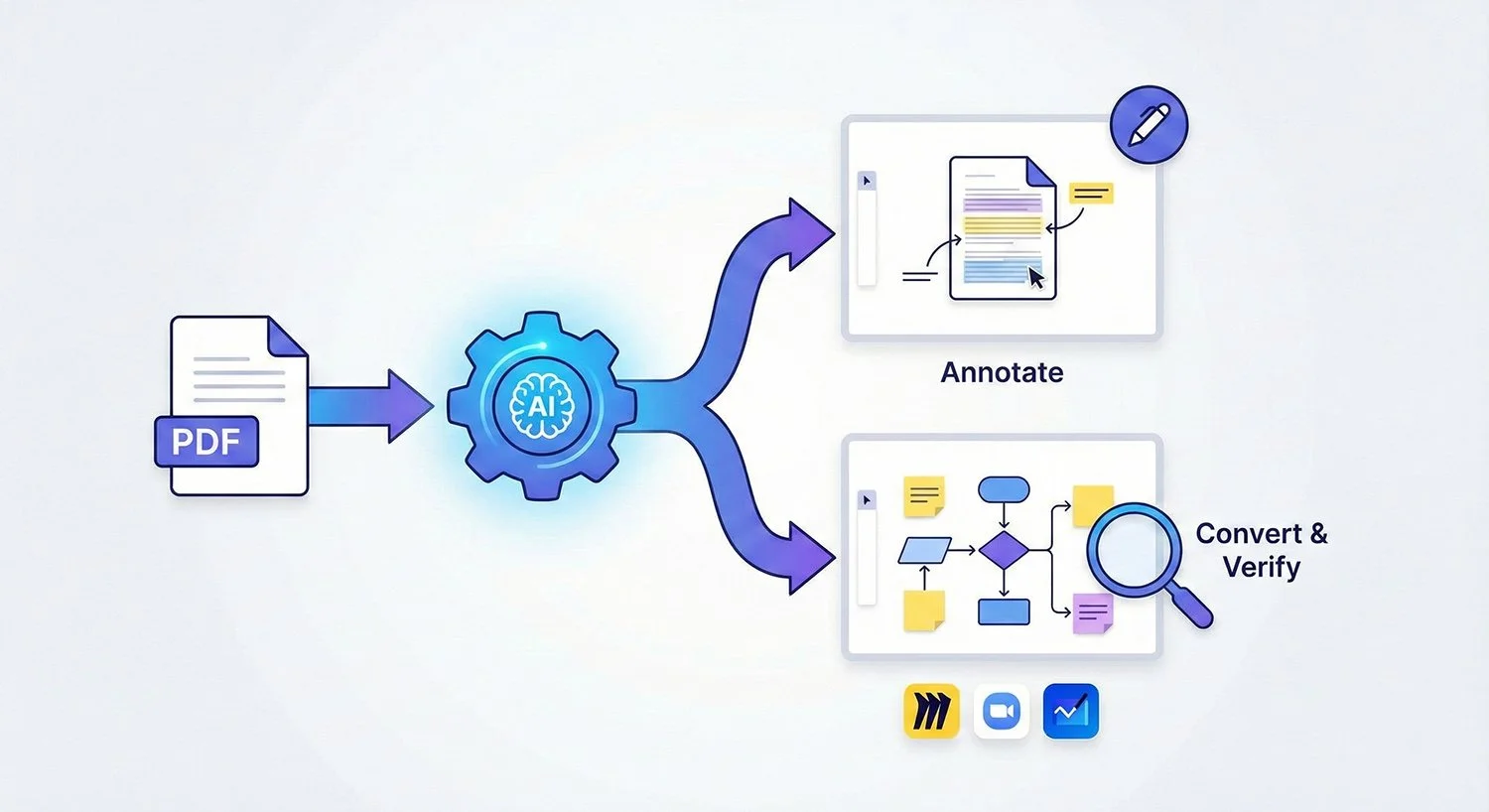
Genspark's business centers on AI-driven tools for information retrieval and task automation, positioning it against established search providers. Initially launched as an AI search engine in 2024, it generates "Sparkpages" – customized summaries compiled from multiple sources using specialized AI agents.
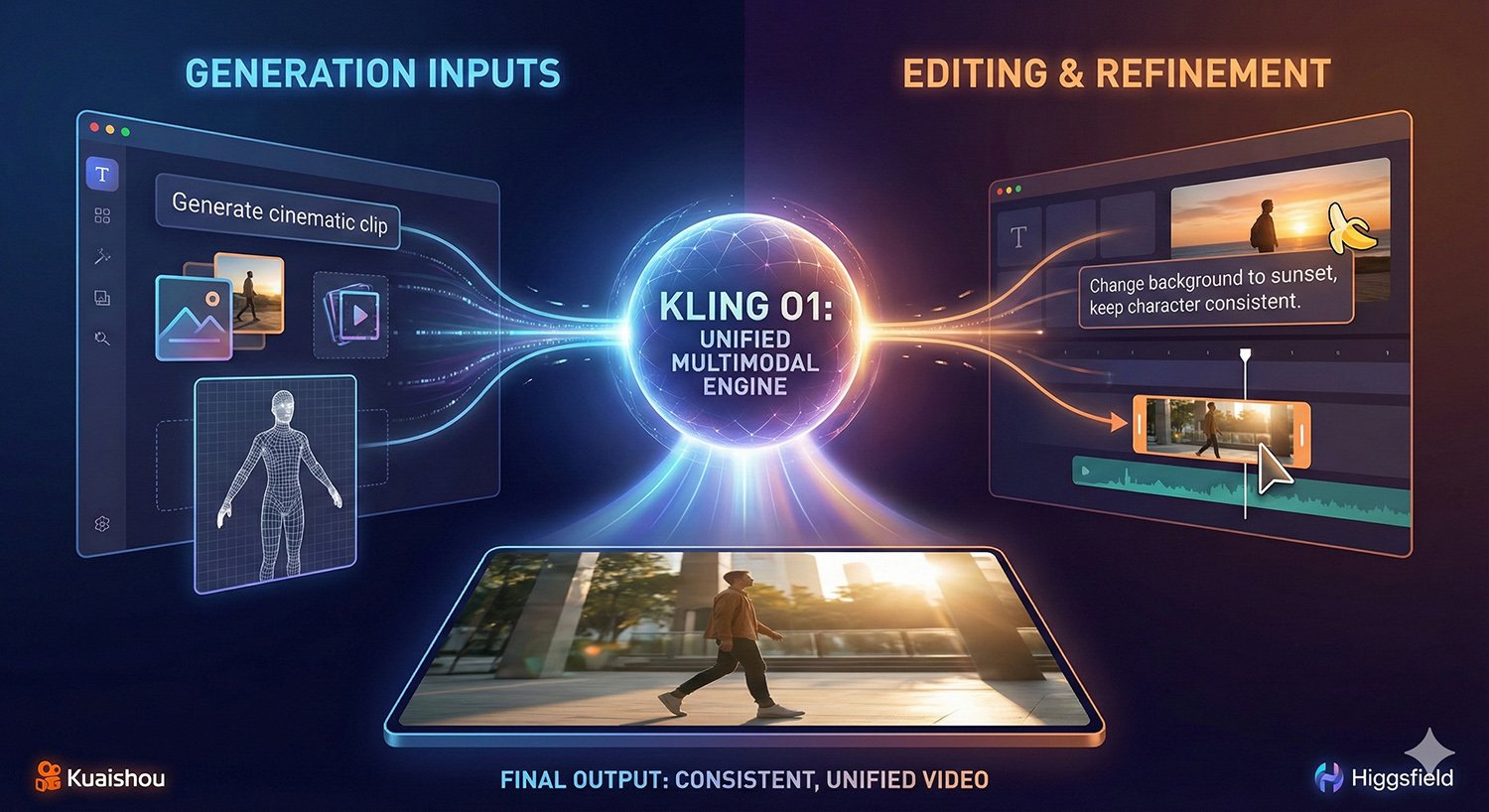
By 2025, the company introduced "Super Agent", an autonomous system for handling multifaceted tasks such as creating documents, spreadsheets, slides, videos, making phone calls, and conducting market research from a single prompt. According to company descriptions, Super Agent employs a "mixture-of-agents" approach, integrating multiple large language models – reportedly nine – along with over 80 tools and proprietary datasets for collaborative processing.
Pros include improved efficiency for users by automating complex workflows and providing transparent reasoning steps. Cons involve reliance on external APIs, which may cause interruptions, and potential high operational costs limiting accessibility.
This progression mirrors the AI industry's shift toward agentic systems capable of independent action, driven by post-2023 advancements in language models, with implications for productivity gains in business but risks of displacing routine jobs.
















Server Infrastructure and Data Handling
Per its privacy policy, Genspark stores personal data on Microsoft Azure cloud services, which operate under global privacy standards, with processing at U.S. facilities or other locations outside users' jurisdictions. No public information indicates servers in China or data routing there.
The policy states retention of account-related data as long as accounts are active, with deletion within 30 days of closure, and shorter periods for usage analytics unless legally mandated.


















Privacy and Security Considerations
Genspark's policy outlines collection of data such as IP addresses, device details, user queries, and account information for service provision and AI improvement. Data is not sold but shared with providers like Stripe for payments or as required by law. Opt-outs include disabling AI training use via settings and cookie refusals.
Security involves reasonable safeguards like encryption, though the policy notes no system is fully secure. Pros encompass user controls and compliance with standards like California's privacy laws. Cons include general AI risks like breaches during tasks or biases in outputs.
These practices reflect the AI sector's challenge of balancing rapid growth with regulations, where U.S. frameworks prioritize innovation while addressing privacy, differing from China's focus on data security. No specific controversies involving Genspark's data handling have been reported.















Future Trends and Industry Impact
The AI agents market is projected to grow from around US$5 billion in 2024 to between US$47 billion and US$52 billion by 2030, with compound annual growth rates of 44% to 46%, fueled by trends in multimodal capabilities and integration with business systems.
Genspark's approach could enhance U.S. competitiveness by incorporating diverse expertise, yet success depends on navigating regulatory developments like the EU's AI Act and maintaining trust through transparent operations.



































 TheDayAfterAI News
We are a leading AI-focused digital news platform, combining AI-generated reporting with human editorial oversight. By aggregating and synthesizing the latest developments in AI — spanning innovation, technology, ethics, policy and business — we deliver timely, accurate and thought-provoking content.