
Photo AI Rolls Out 24MP Hyper Realism Mode, Driving Higher Engagement Among Creators
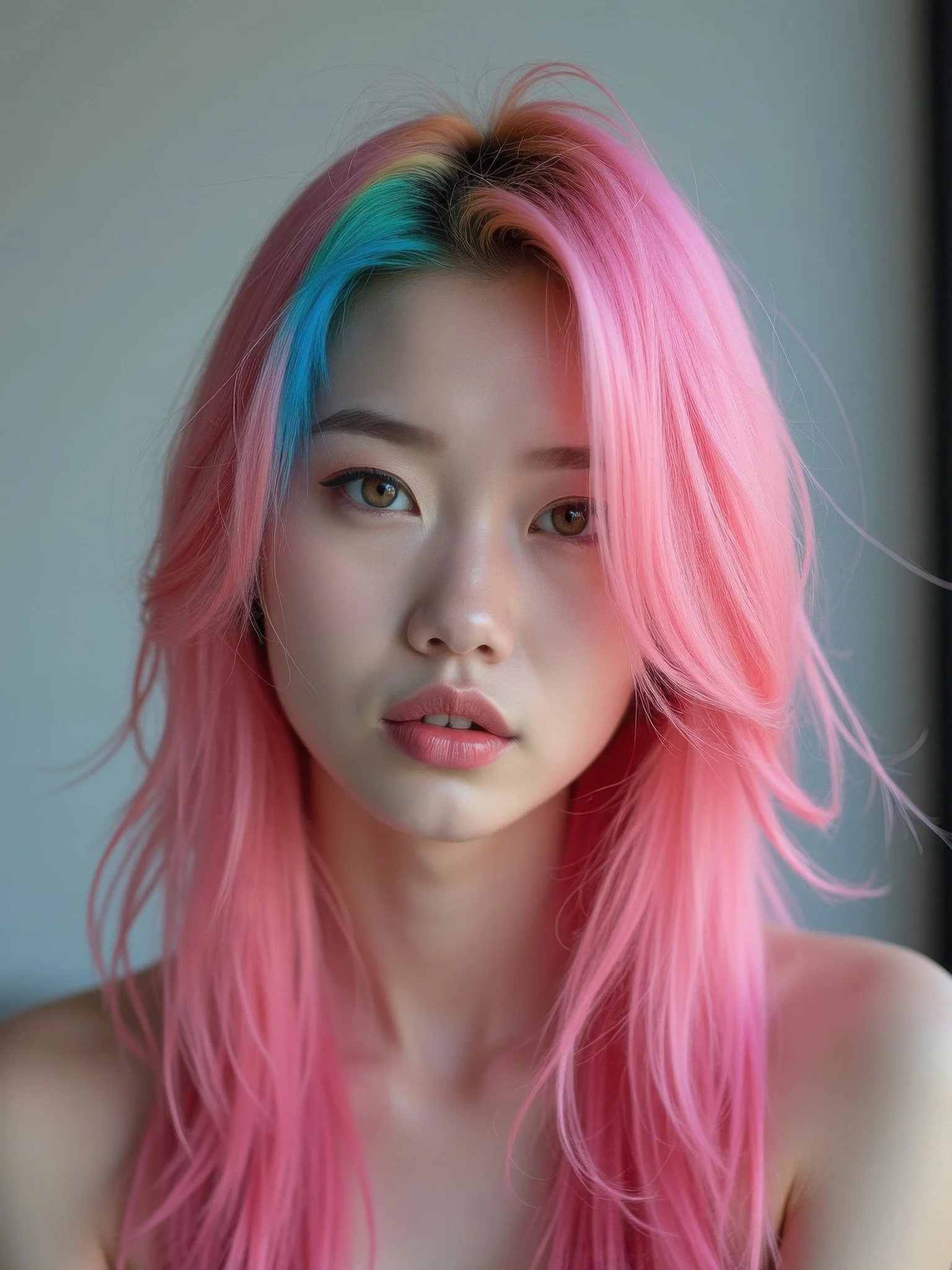
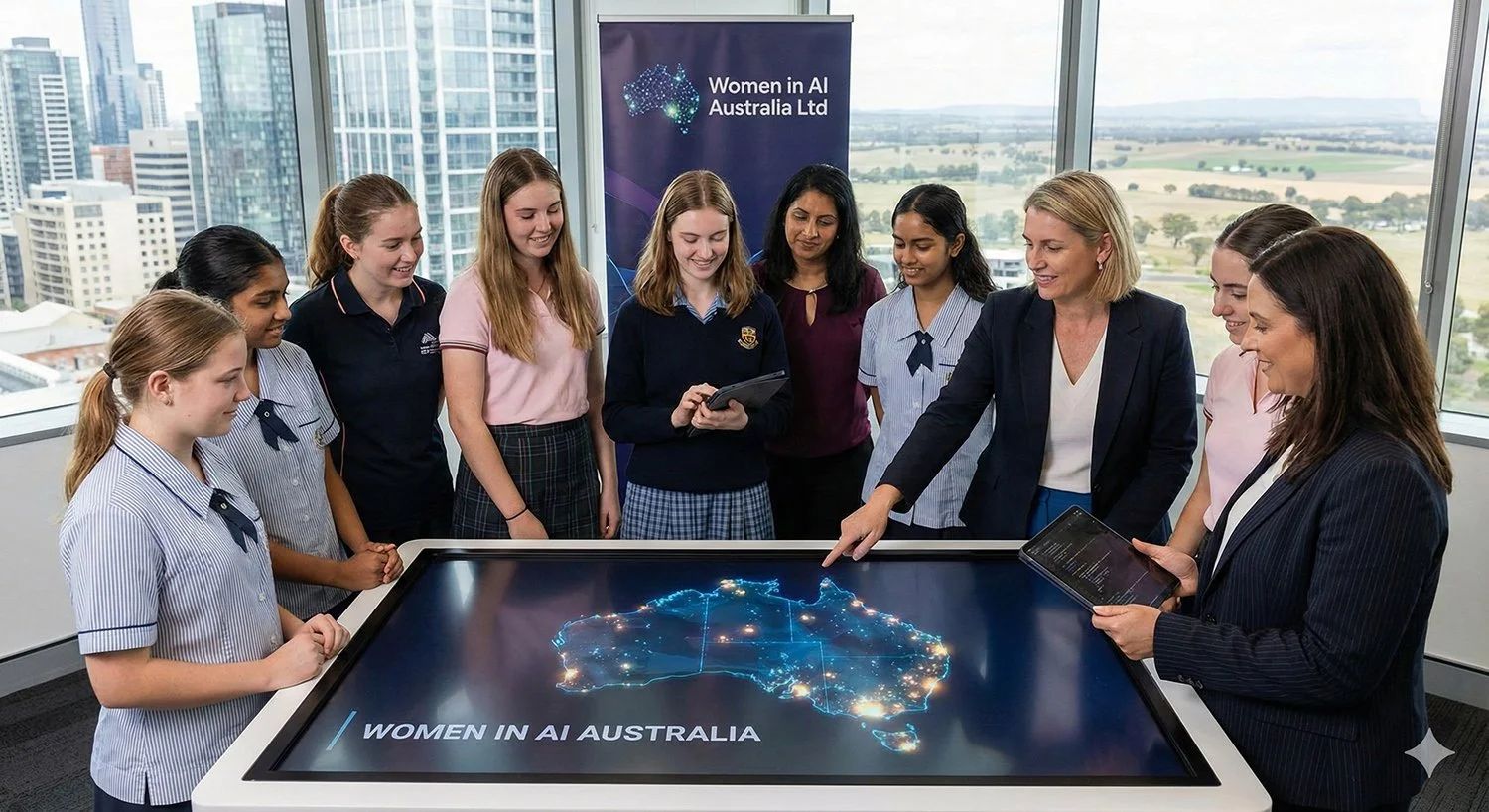
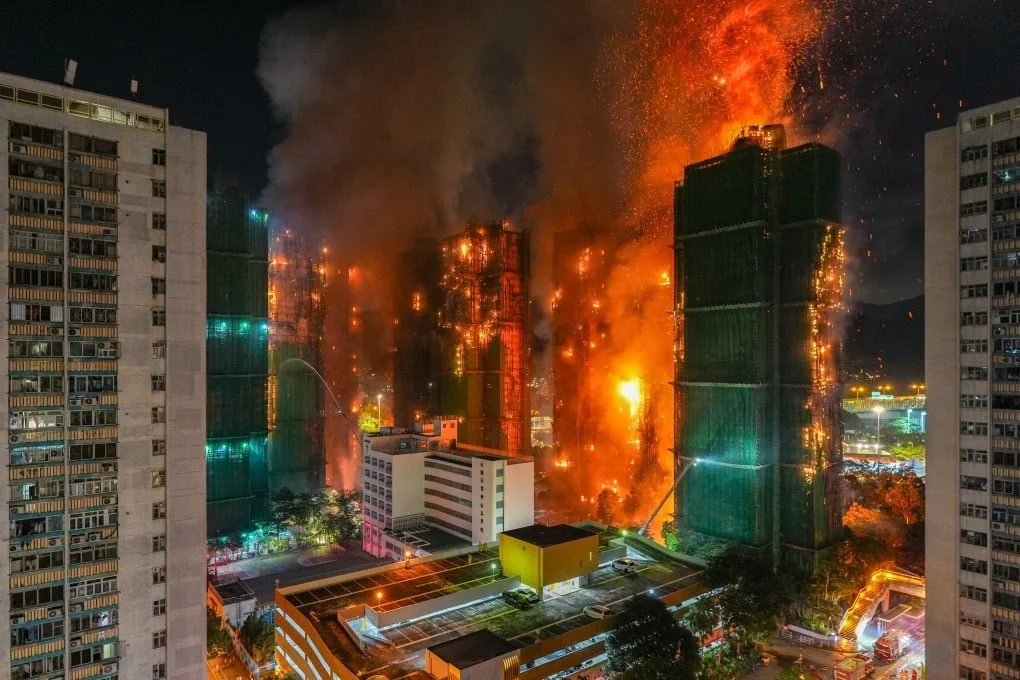
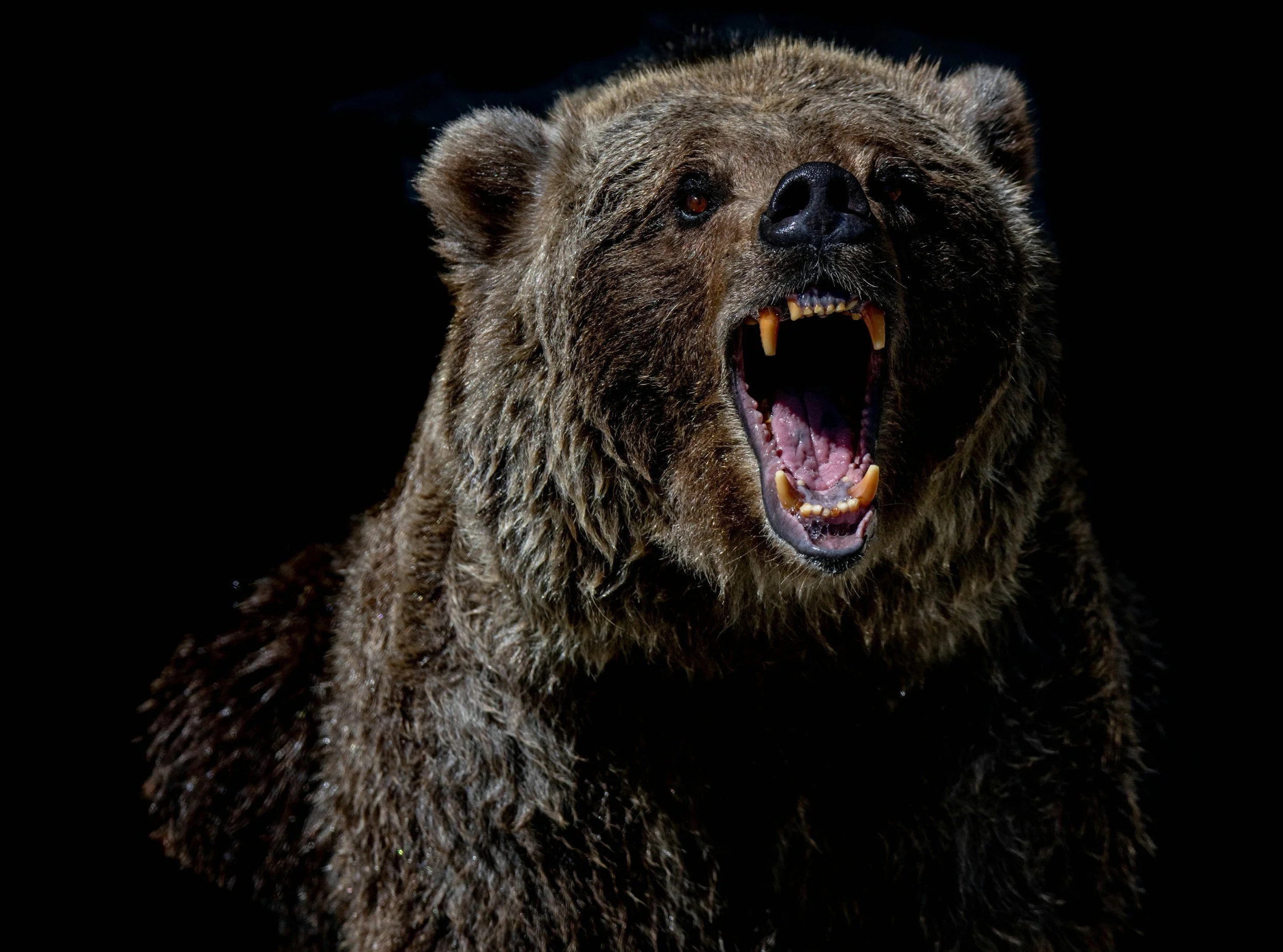
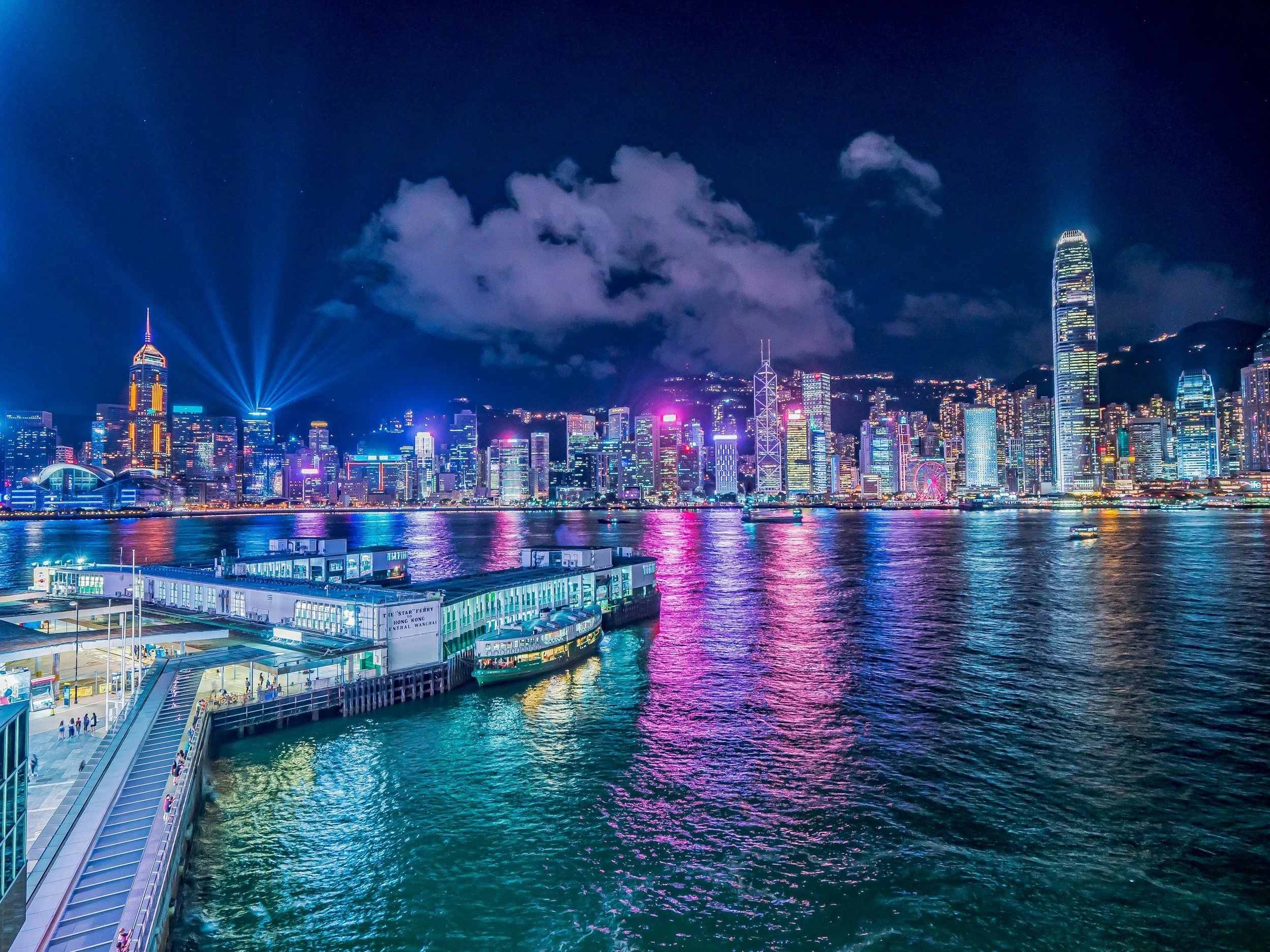
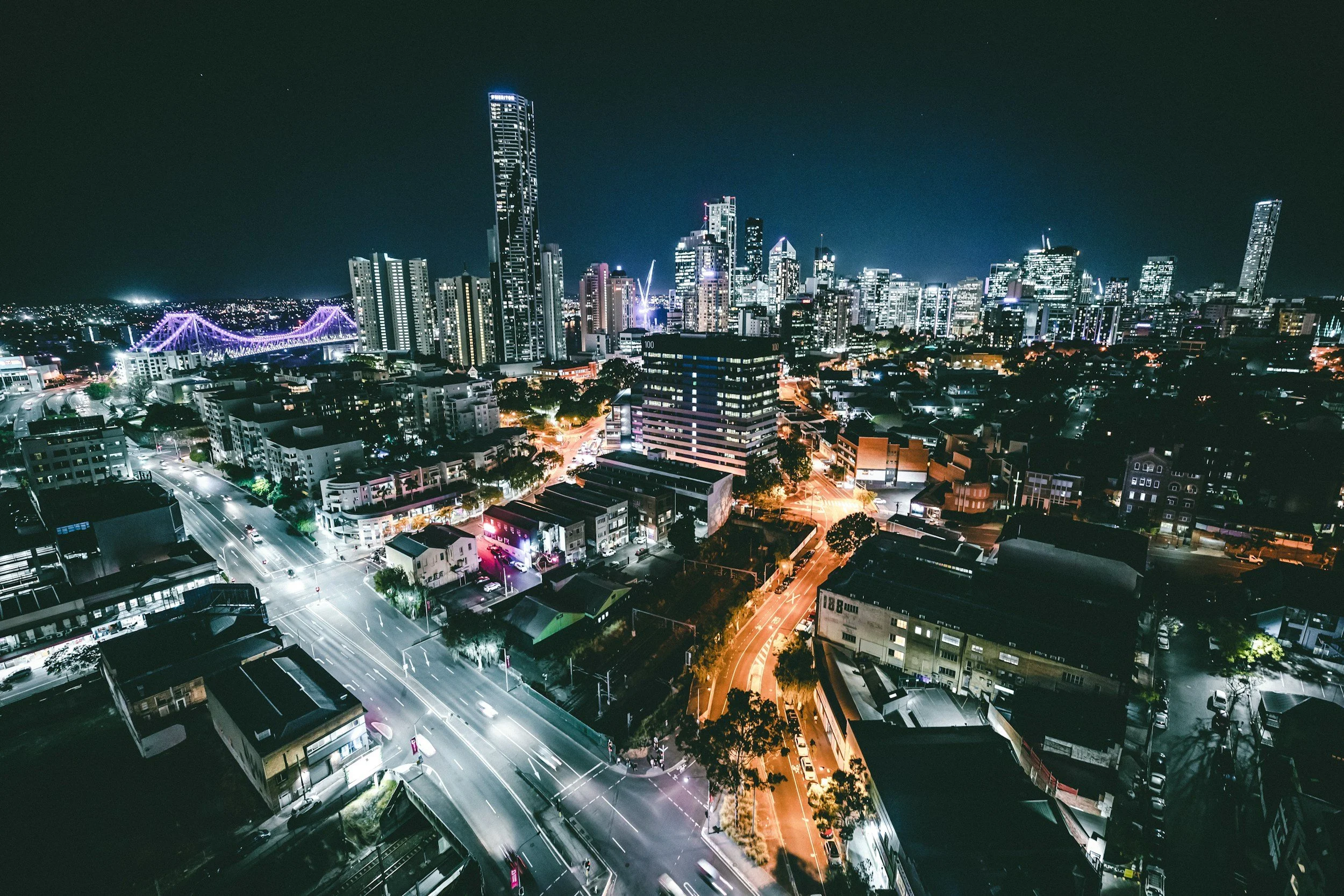
AI-generated Photo (Image Source: Photo AI)
Photo AI’s new Hyper Realism mode, announced and deployed to all subscribers on 30 September 2025, has quickly become one of the platform’s most impactful updates. The upgraded mode, built to produce outputs up to 24 megapixels, aims to deliver sharper likeness, improved lighting behaviour, and stronger environmental coherence for portraits, lifestyle scenes and product imagery. Early user metrics shared by founder Pieter Levels showed that Hyper Realism images recorded a 4.26% favouriting rate, more than double the 1.81% seen with Flux, prompting the platform to make Hyper Realism the default model in early October.
















Launch Context and Levels’ Indie Development Approach
Photo AI officially launched on 10 February 2023, following Levels’ earlier experiments with AI-generated portraits and the AvatarAI.me project in late 2022. Known for building Nomad List, Remote OK and other independent products, the Dutch entrepreneur continues to operate Photo AI without venture funding, maintaining a rapid, iterative development style shaped heavily by community feedback.
As adoption expanded, user reports highlighted gaps in facial resemblance and background integration, especially for dynamic scenes or shots involving distance. Levels responded through his “build in public” workflow, sharing prototypes and gathering critique on X. Those iterations culminated in Hyper Realism, designed to push beyond previous limitations and bring generative results closer to the expectations of everyday photographers and social creators.













Technical Foundations and the Crystal Upscaler
Hyper Realism relies on multiple components within Photo AI’s pipeline, including a new high-resolution workflow and the Crystal Upscaler, developed by AI engineer Phil (@philz1337x). Crystal is designed to preserve fine textures, such as skin, fabric, and hair, during enhancement, addressing common issues like softness or distortion in upscaled portraits.
Producing a Hyper Realism image uses five credits, reflecting the higher computational load compared with Flux, which remains available for users who prefer faster processing or lighter tasks. Features such as text-to-image generation, image remixing, outfit variation, and object adjustments continue to work across the new mode.






















User Response and Platform Performance
The jump from 1.81% to 4.26% in favourited images, based on Levels’ early October tests, signalled a clear increase in user satisfaction, leading to Hyper Realism becoming the default model shortly after launch. Although Photo AI’s broader revenue figures have been widely discussed in past interviews and maker profiles, Levels has not publicly disclosed specific earnings for Photo AI or Interior AI for November 2025, and the platform’s latest growth indicators remain qualitative rather than financial.
Across community discussions on Reddit and user-led comparisons, Hyper Realism is gaining recognition for producing strong likeness in selfies and portraits compared with more stylised general-purpose models like Midjourney or DALL·E. Independent testers have noted improvements in facial accuracy and detail retention, though occasional prompt sensitivity and minor artefacts still occur.






















Position in the 2025 AI Image Generation Landscape
The arrival of Hyper Realism reflects a broader shift in the 2025 image-generation ecosystem, where specialised tools are increasingly emerging alongside large general-purpose models. Rather than widening its scope, Photo AI continues to refine its niche: personalised, high-resolution portraits trained on user-provided photos.
The platform’s “video from photos” feature remains available, converting generated stills into short, high-resolution video clips — an early sign of how personalised imaging may evolve into more immersive formats as multimodal systems expand.
Available globally via photoai.com, Photo AI continues to grow through an active feedback loop with its user base. Hyper Realism’s rapid adoption underscores how incremental, user-driven improvements can meaningfully raise output quality, giving creators more realistic and accessible tools without external gear or complex workflows.

















 TheDayAfterAI News
We are a leading AI-focused digital news platform, combining AI-generated reporting with human editorial oversight. By aggregating and synthesizing the latest developments in AI — spanning innovation, technology, ethics, policy and business — we deliver timely, accurate and thought-provoking content.