
AI Robot Guides Great Barrier Reef Coral Seeding with 77.8% Accuracy
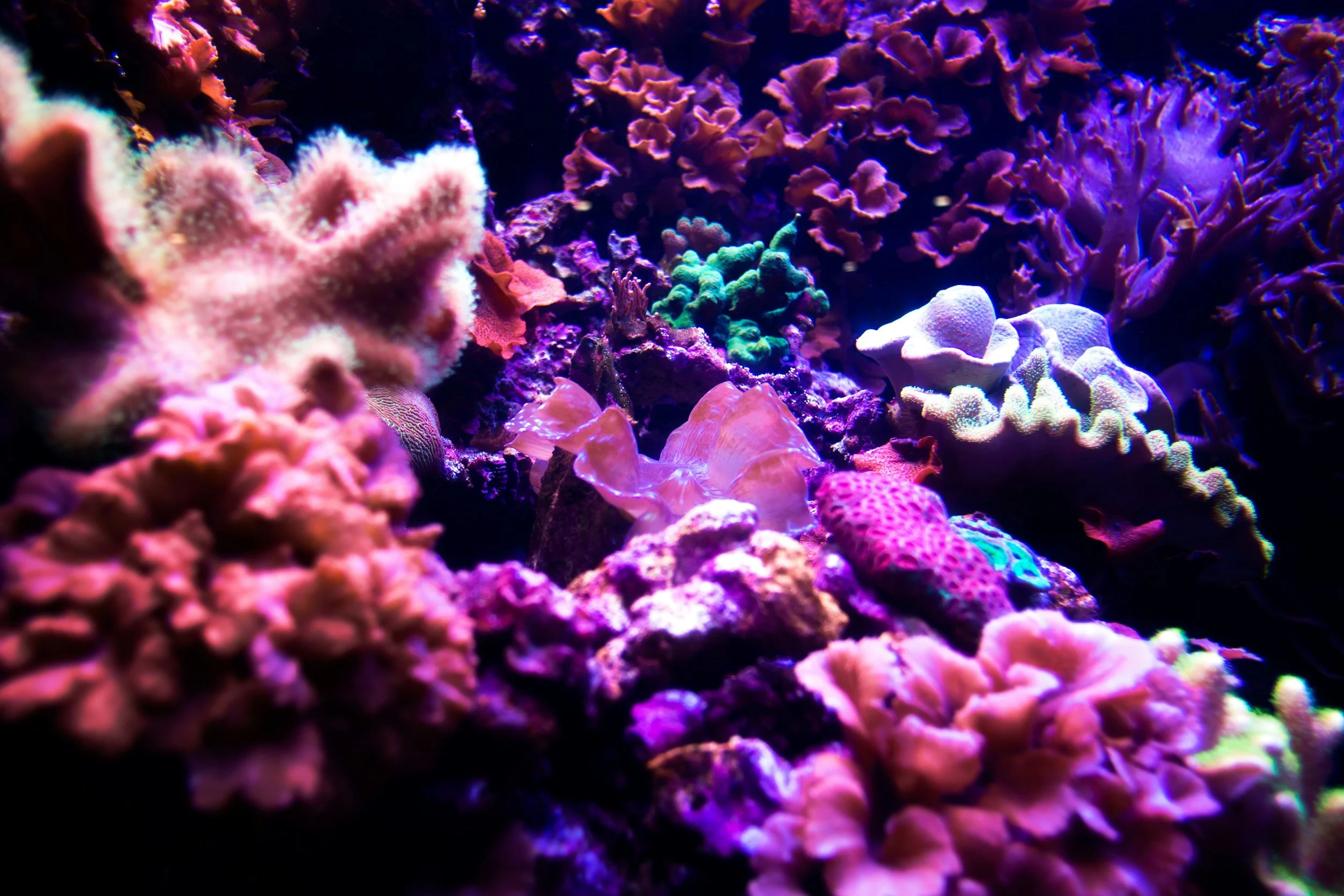
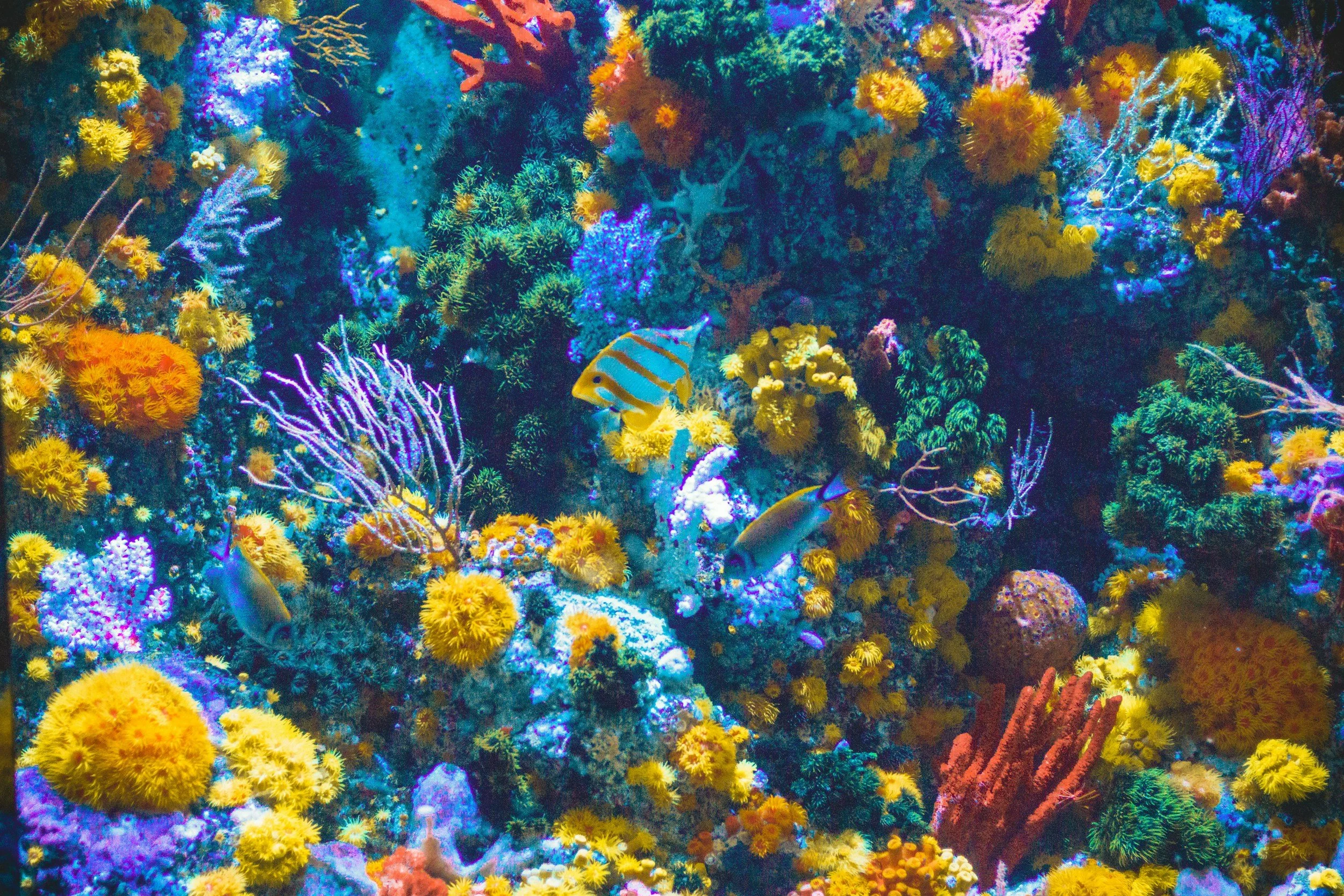
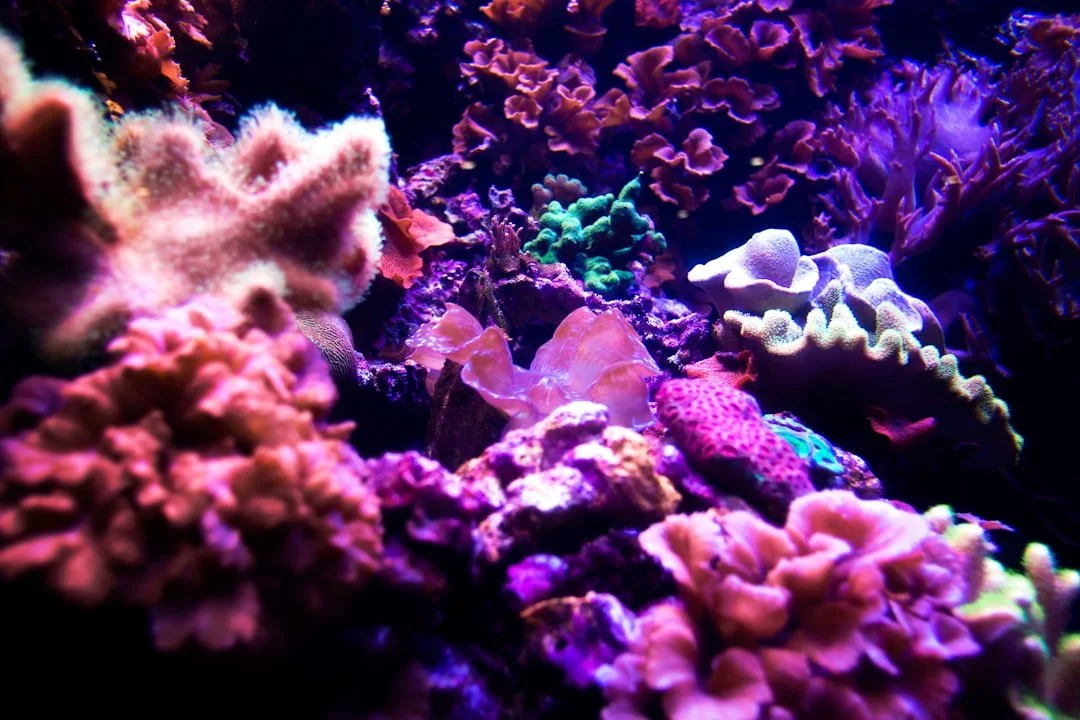
Image Credit: Shelby Cohron | Splash
Scientists at the Australian Institute of Marine Science (AIMS) are testing an artificial intelligence-enabled robotic system designed to help place coral seeding devices across degraded parts of the Great Barrier Reef, as Australia looks to scale restoration tools amid increasingly frequent bleaching events. The technology, known as the Deployment Guidance System (DGS), is one of several innovations being developed under the Reef Restoration and Adaptation Program (RRAP).
The DGS combines marine robotics, real-time imaging and AI decision support to guide the accurate placement of small ceramic coral seeding devices that house tiles to which juvenile corals attach. AIMS says the goal is to deliver coral seeding at a scale that would be difficult or prohibitively costly using manual labour and human-only site selection.















How the System Works
AIMS describes the DGS as a multi-step workflow. First, the system uses computer modelling informed by reef ecologists to identify promising deployment areas. Once on the water, it relies on cameras and real-time AI analysis to help guide releases, with decisions informed by years of oceanographic and ecological observations collected through RRAP. The system also supports autonomous vessel guidance, an “autopilot-like” capability, while recording geotagged deployment locations that can be revisited for monitoring.
Field testing has been underway in Queensland’s inshore waters, including work near Magnetic Island, as AIMS evaluates how the DGS performs across different vessel sizes and operating conditions. The institute has framed the system as a tool that can be used by a range of operators in future, including Traditional Owners and tourism companies, rather than only on specialist research vessels.






















Why Scale Matters Now
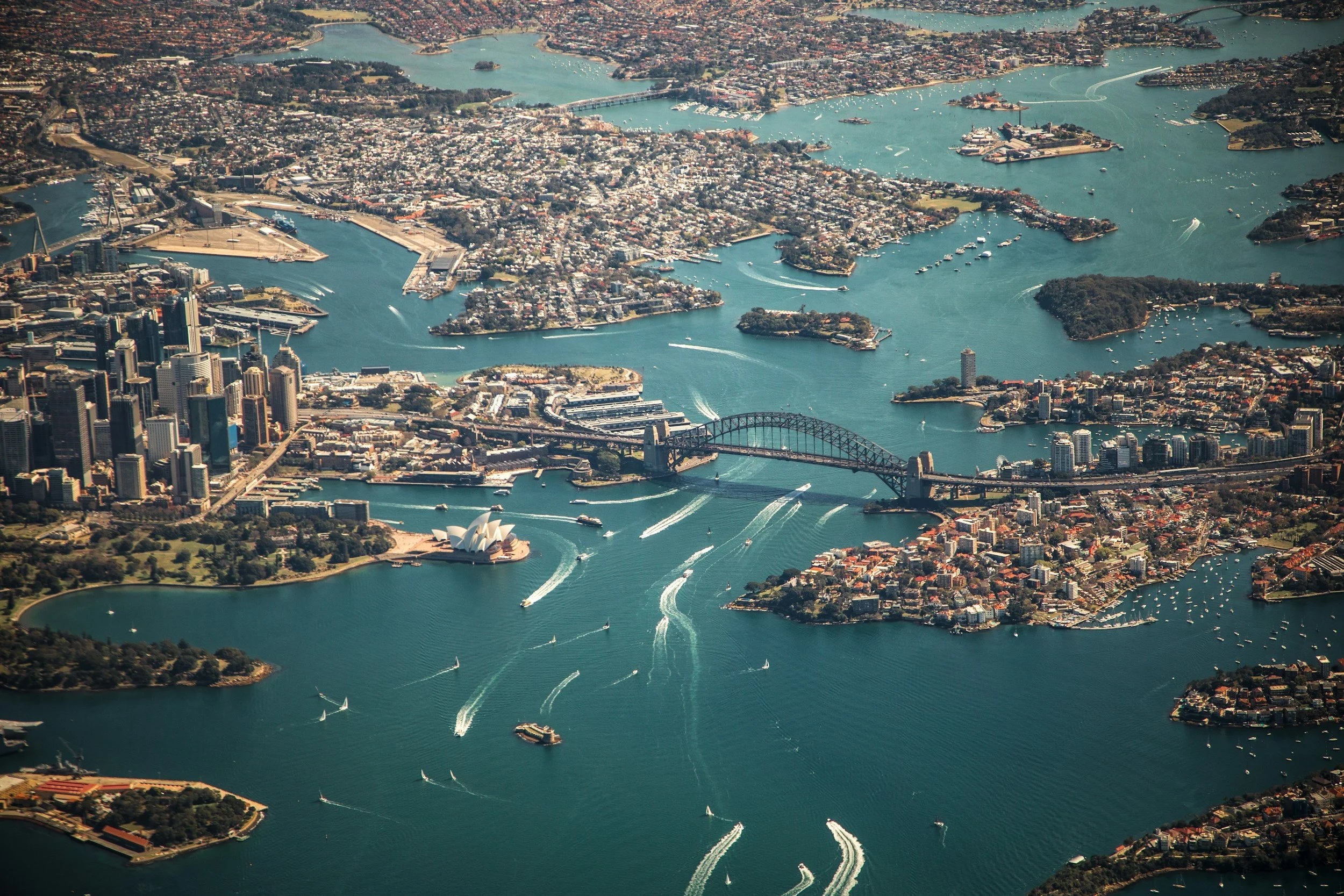
The Great Barrier Reef is the world’s largest coral reef system, stretching roughly 2,300 km and covering about 344,400 square kilometres. AIMS’ long-running monitoring shows the reef has entered an era of sharper swings in coral cover driven by heat stress, cyclones, flooding and crown-of-thorns starfish.
AIMS’ 2024/25 condition summary reports that in 2025, 48% of surveyed reefs declined in hard coral cover, with only 10% increasing. Regional declines from 2024 to 2025 ranged from about 14% to 30%, and some individual reefs experienced much larger losses. The largest region-wide declines were recorded in the northern and southern sections of the reef, reflecting the cumulative impacts of the 2024 marine heatwave and related stressors.
AIMS also notes that mass bleaching events on the reef have become more frequent, including back-to-back events in 2016 and 2017 and subsequent events in 2020, 2022, 2024 and again in 2025, compressing recovery time for vulnerable coral communities.

























The Program Context and Funding
The DGS is being developed and trialled within RRAP’s operational testing framework, including the Pilot Deployments Program, which is designed to move promising restoration tools from research into real-world delivery. In 2025, the Pilot Deployments Program established a Panel of Providers with Traditional Owner representation alongside tourism and commercial reef operators.
RRAP is backed by the long-term partnership between the Australian Government’s Reef Trust and the Great Barrier Reef Foundation. The broader Reef Trust Partnership is a AUD 443 million initiative, with AUD 100 million allocated to Reef Restoration and Adaptation Science among its components.





















Related Large-scale Seeding with Traditional Owners
Alongside robotics, AIMS and Indigenous ranger groups have also been advancing larval restoration using floating pools and ceramic settlement devices. In a November 2025 update, AIMS reported work that includes settling larvae onto 15,000 devices in 10 pools for deployment onto selected reefs, combined with training and monitoring using tools such as ReefScan and ReefCloud.
Media reporting around the same period similarly described approximately 15,000 ceramic seeding devices being collected from floating pools and distributed across the reef, with the approach intended to exceed the scale of earlier, smaller deployments. This work is complementary to the DGS rather than identical to it, sharing the same broad goal of expanding restoration capacity while embedding cultural protocols and consent processes.














What These Tools Can — And Can’t — Solve
AIMS has consistently framed large-scale restoration technologies as ways to buy time and improve local recovery prospects, not as substitutes for emissions reduction. Current monitoring suggests the reef still retains higher coral cover than many global counterparts, but is becoming more volatile as the climate warms.
For Queensland, the stakes remain high. The Reef Trust Partnership materials cite assessments that the reef contributes billions of dollars to Australia’s economy and supports tens of thousands of jobs, reinforcing why governments, scientists and communities are pursuing multiple parallel strategies.














Source: AIMS, ABC News, Barrier Reef







 TheDayAfterAI News
We are a leading AI-focused digital news platform, combining AI-generated reporting with human editorial oversight. By aggregating and synthesizing the latest developments in AI — spanning innovation, technology, ethics, policy and business — we deliver timely, accurate and thought-provoking content.