
EU Releases General-Purpose AI Code of Practice Ahead of 2025 Compliance Deadline
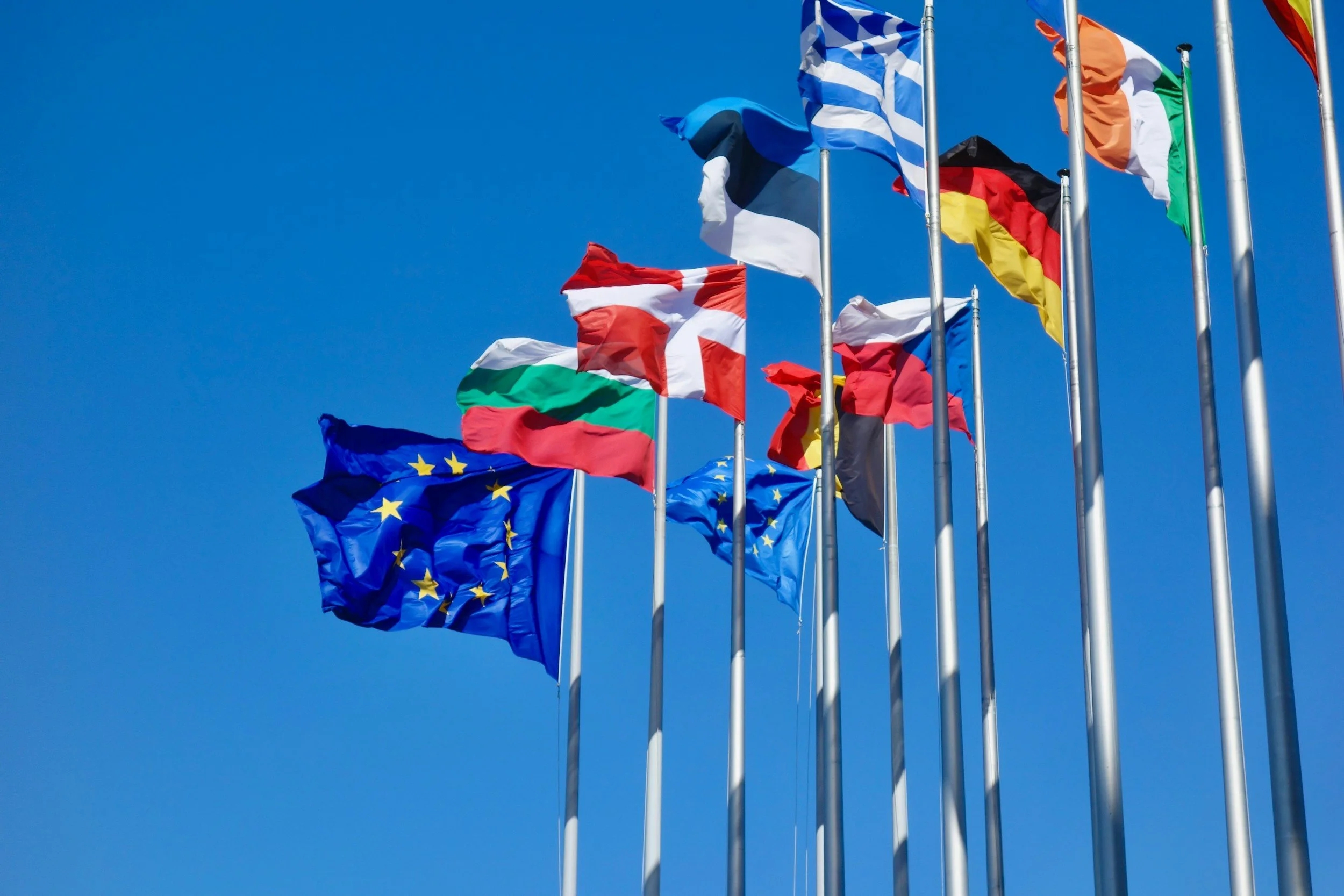
Image Credit: Antoine Schibler | Splash
The European Commission has released the General-Purpose AI (GPAI) Code of Practice on July 10, 2025, to assist AI developers in complying with the EU AI Act's requirements, which apply to GPAI models starting August 2, 2025. The EU AI Act, effective since August 1, 2024, represents the world's first comprehensive AI regulation, employing a risk-based approach to govern AI systems. Recent discussions, including posts on X, have focused on the Act's copyright provisions, particularly the opt-out mechanism for creators whose works may be used in AI training. The Commission has rejected requests from companies such as Google, Meta and Mistral to postpone the Act's rollout, committing to the established timeline.





























Code of Practice: A Roadmap for Compliance
The GPAI Code of Practice offers a voluntary framework divided into sections on transparency and copyright for all providers, and safety and security for those handling models with systemic risks. It includes recommendations for respecting copyright opt-out requests and aims to provide legal certainty while reducing administrative burdens for adopters. Providers who do not adopt the Code must demonstrate compliance through other methods. The Code is set for assessment by Member States and the Commission, with potential application by the end of 2025.



























EU AI Act: A Risk-Based Framework
The EU AI Act classifies AI systems according to their potential risks to safety and fundamental rights. For GPAI models, which perform varied tasks such as text or image generation, obligations include technical documentation, adherence to EU copyright law and publication of training data summaries. Models posing systemic risks, defined by training exceeding 10²⁵ floating-point operations, require additional measures like risk assessments and incident reporting. The Act features phased implementation: prohibitions on unacceptable-risk AI apply from February 2, 2025; GPAI obligations become binding from August 2, 2025; general enforcement rules apply from August 2, 2026; and existing GPAI models placed on the market before August 2, 2025, have until August 2, 2027, to comply. The European AI Office oversees compliance. Guidelines clarifying obligations were issued on July 18, 2025.
























Copyright Concerns and Opt-Out Debates
Under the Act, AI providers must comply with EU copyright rules, including respecting opt-outs from rightsholders for data used in training. Creators have expressed concerns that this opt-out system imposes an undue burden on them to protect their rights. The Code suggests technical approaches, such as recognizing metadata, to address opt-outs and reduce infringement risks. Criticism persists over the absence of requirements to disclose specific training data sources.






























Industry Pushback and Calls for Delay
Companies including Google, Meta and Mistral have voiced concerns about the timeline and scope. On July 18, 2025, Meta announced it would not sign the Code, citing legal uncertainties and overreach. An open letter from 45 to 46 European companies, including Airbus and ASML, requested a two-year delay, arguing it could hinder innovation. The Commission dismissed these requests, emphasizing adherence to the Act's deadlines.


























Analysis: Balancing Innovation and Regulation
The Act seeks to promote trust in AI through tailored obligations, offering leniency for lower-risk systems while enforcing stricter rules for high-impact ones. The voluntary Code may lead to varying adoption rates, potentially increasing scrutiny for non-signatories. Copyright rules aim to protect creators but highlight tensions between data needs for AI and intellectual property rights, with opt-outs possibly facing enforcement challenges at scale. Non-binding guidelines allow flexibility but may result in differing interpretations across Member States.






















Future Trends and Implications
Providers must prepare for the August 2, 2025, obligations, including non-EU firms appointing EU representatives. Fines for non-compliance vary by violation: up to €35 million or 7% of global annual turnover for prohibited AI practices, and up to 3% for GPAI-specific obligations, with full enforcement phasing in from August 2026. The Act's extraterritorial application positions the EU as a global standard-setter. Industry warnings suggest potential impacts on European competitiveness compared to less-regulated regions. Ongoing stakeholder engagement will be essential to adapt to technological changes and resolve issues like copyright enforcement.































 TheDayAfterAI News
We are a leading AI-focused digital news platform, combining AI-generated reporting with human editorial oversight. By aggregating and synthesizing the latest developments in AI — spanning innovation, technology, ethics, policy and business — we deliver timely, accurate and thought-provoking content.