
US Senate Passes DEFIANCE Act: New Civil Lawsuits for AI Deepfakes
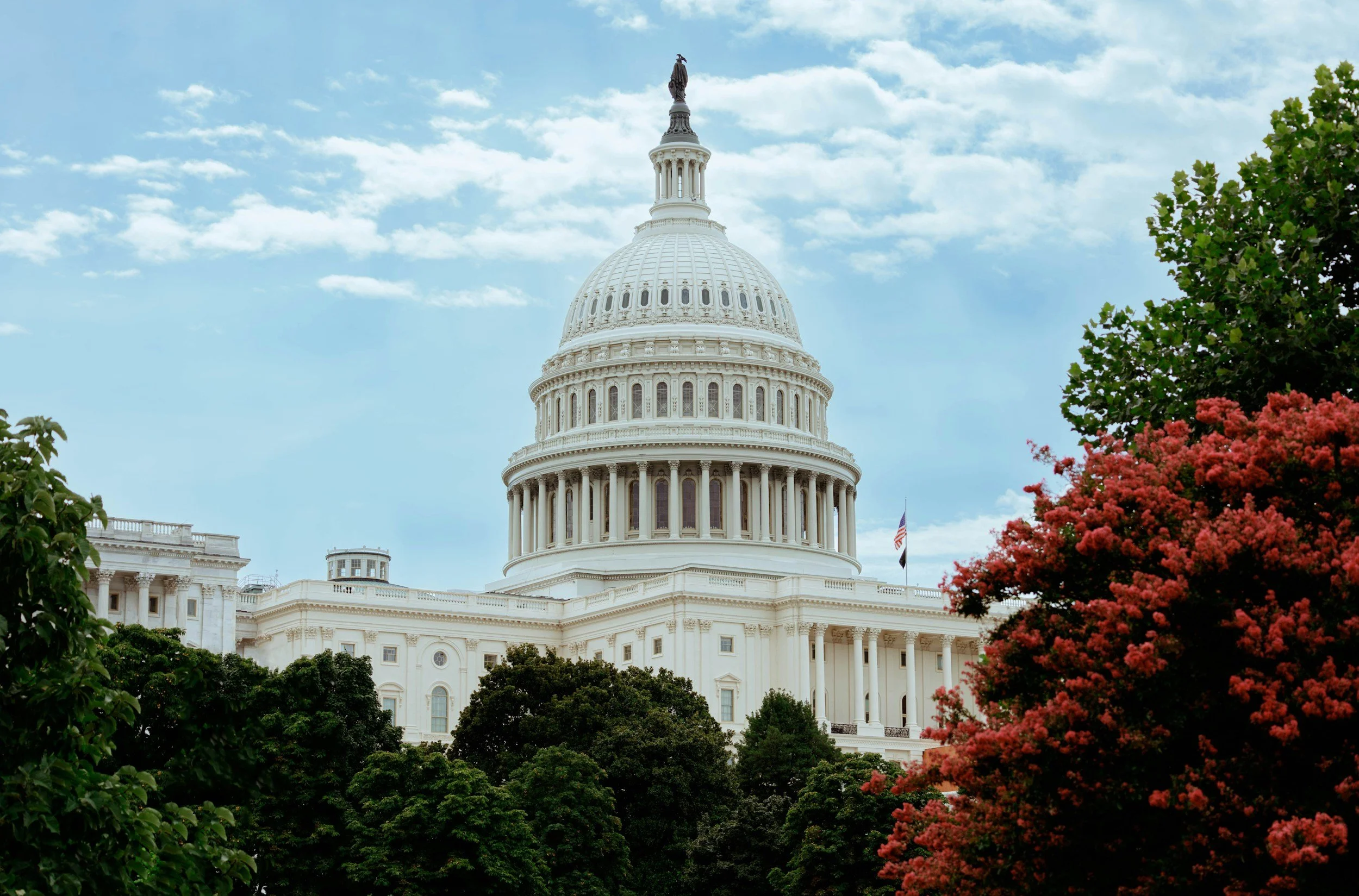
Image Credit: Connor Gan | Splash
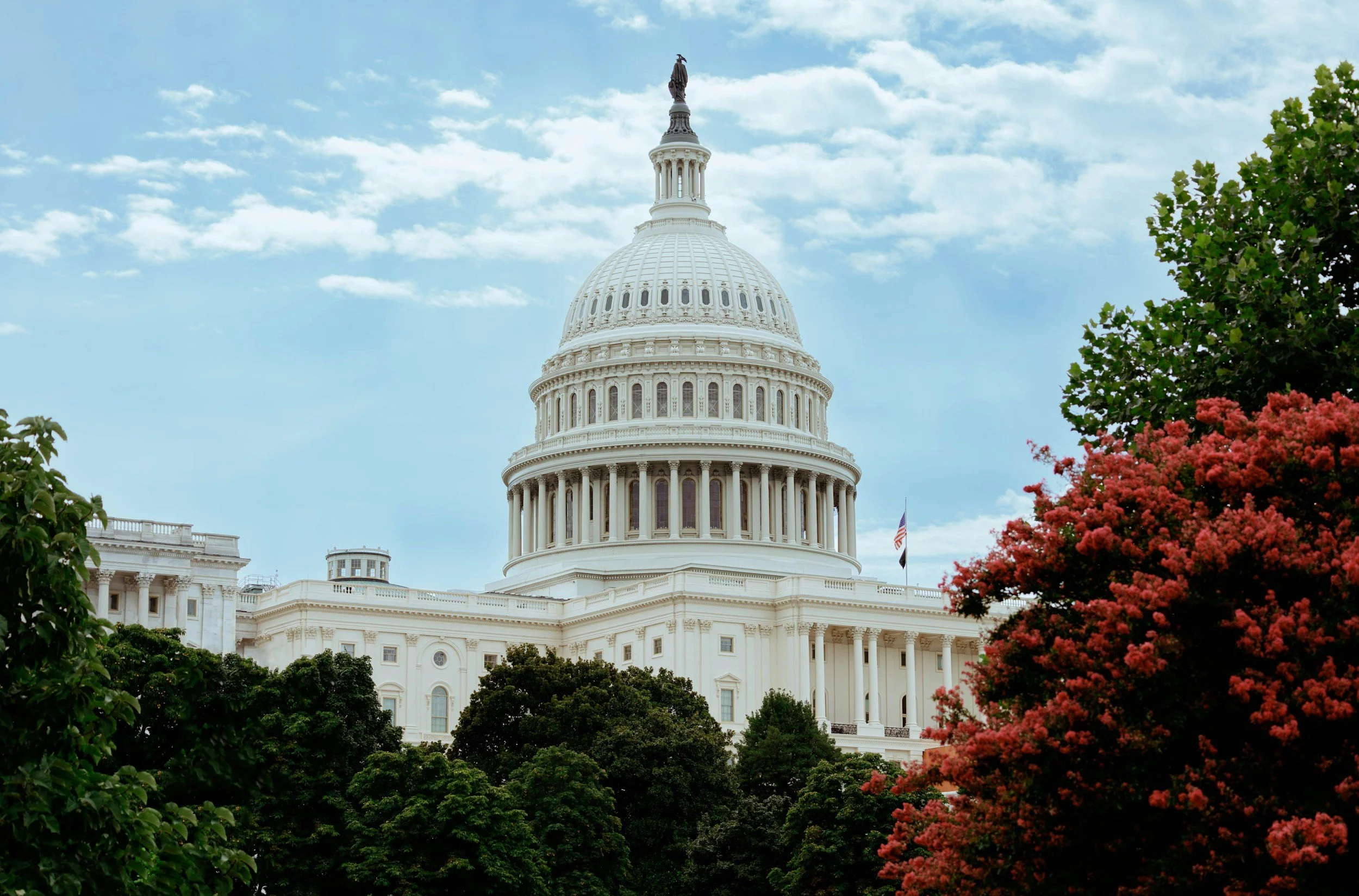
The US Senate has passed the DEFIANCE Act of 2025, a bill designed to strengthen civil legal options for people targeted by nonconsensual, sexually explicit AI generated images. The legislation passed the Senate on 13 January 2026 by unanimous consent and is now in the House of Representatives, where it has been received and held at the desk.
While criminal law and platform takedown rules have been moving quickly in this area, the DEFIANCE Act focuses on a different lever: giving victims a clearer pathway to sue the people involved in creating and circulating realistic intimate deepfakes.

























What Happened
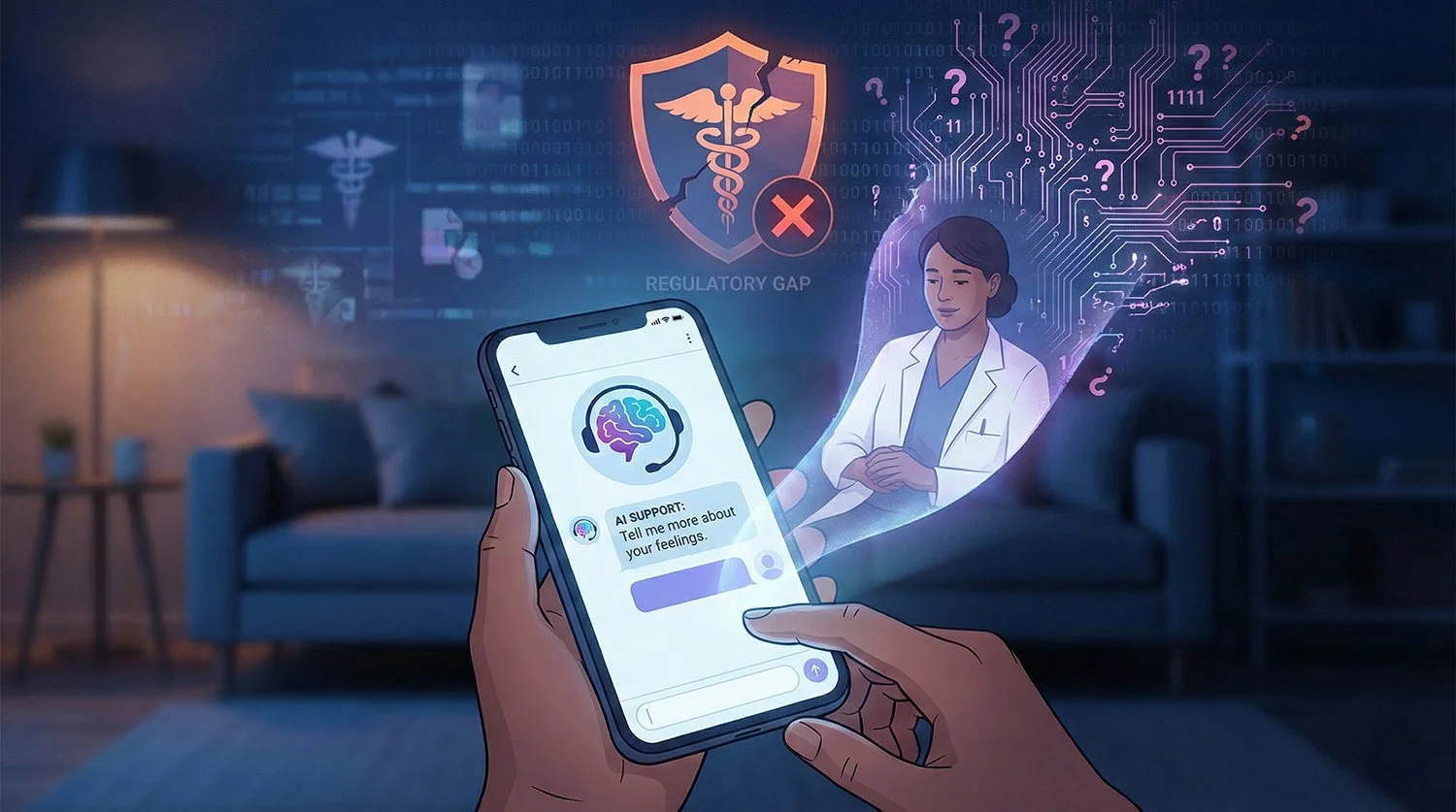
The Senate vote comes amid heightened scrutiny of AI image tools that can generate or edit realistic depictions of real people, including recent controversy around sexually explicit outputs linked to the Grok chatbot on X.
Senator Richard J. Durbin, the bill’s sponsor, said the intent is to give victims stronger tools to pursue accountability through the courts.






















The AI Issue the Bill Targets
The bill introduces a formal definition for “intimate digital forgery” and makes the AI angle explicit.
Under the text passed by the Senate, an intimate digital forgery is an intimate visual depiction of an identifiable person that falsely represents the person or the intimate conduct, is created using software, machine learning, artificial intelligence or similar techniques (including by modifying an authentic depiction), and is indistinguishable from an authentic depiction when viewed as a whole by a reasonable person.
Notably, the definition is designed to avoid a common loophole. The text says the depiction still counts as an intimate digital forgery even if it is labelled as not authentic or presented in a context that suggests it is fake.



















How the Proposed Civil Action Would Work
The DEFIANCE Act amends an existing federal civil action framework and extends it to cover intimate digital forgeries.
In practical terms, the bill would allow a victim who is the subject of an intimate digital forgery to bring a civil action in US federal court against a person involved in certain knowing conduct. The bill text covers conduct such as knowingly disclosing the forgery, knowingly producing or possessing it with intent to disclose it, and knowingly soliciting and receiving it, where the victim did not consent and the conduct is connected to interstate or foreign commerce as required for federal jurisdiction.
This design matters for AI misuse scenarios because many incidents are not limited to a single platform or state. Distribution can move quickly across services, direct messages, and file sharing, with perpetrators sometimes separated from victims by jurisdiction.

























Remedies: Damages, Injunctions and Privacy Protections
The bill sets out a remedies package aimed at both compensation and rapid containment.
For damages, the text allows recovery that includes liquidated damages of US$150,000, or US$250,000 in specified aggravated circumstances, alongside recovery of litigation costs including reasonable attorney fees.
Courts could also award punitive damages and order equitable relief, including injunctions requiring a defendant to delete, destroy, or cease to display or disclose the intimate visual depiction or intimate digital forgery.
The bill also builds in privacy safeguards for plaintiffs. Courts may allow a plaintiff to use a pseudonym, require redaction of identifying information or sealed filings, and issue protective orders that keep the intimate material in the care, custody, and control of the court.
For timing, the statute of limitations in the text is up to 10 years from the later of when the victim reasonably discovers the violation or when the victim turns 18.
Finally, the bill includes a non preemption approach, stating it should not be read to limit other federal, state, or tribal laws, and it allows states or tribal governments to adopt and enforce laws that are at least as protective of victims.
















How This Compares with the TAKE IT DOWN Act
The DEFIANCE Act sits alongside the TAKE IT DOWN Act, which is already law in the US. TAKE IT DOWN became Public Law 119–12 on 19 May 2025.
TAKE IT DOWN has a broader platform facing component, including a notice and removal process for covered platforms that the Federal Trade Commission would enforce. According to the Congressional Research Service, the criminal prohibition took effect immediately, while covered platforms have one year from enactment to establish the required notice and removal process, taking that deadline to 19 May 2026.
The AI link is also explicit in TAKE IT DOWN’s definitions. Its text defines “digital forgery” as an intimate depiction created through software, machine learning, artificial intelligence, or other computer generated means, including by modifying an authentic depiction.
In short, TAKE IT DOWN is structured to pressure platforms to remove content and sets criminal prohibitions for certain disclosures, while DEFIANCE focuses more directly on giving victims a clearer civil pathway to seek damages and court orders against the people involved in creating and circulating intimate deepfakes.


















What This Signals for AI Services and IT Governance
From an IT governance perspective, the DEFIANCE Act reflects a regulatory pattern that is becoming common in AI misuse cases: lawmakers are not only targeting platforms, they are also trying to narrow the accountability gap around individual perpetrators who use widely available generative tools to produce realistic harms.
If enacted, the bill would likely increase the practical importance of traceability and evidence handling in AI image abuse cases. The text’s focus on production, intent to disclose, disclosure, and solicitation aligns with how modern deepfake workflows operate, where creation and distribution can be split across multiple services and channels.
It also reinforces that “labelling it as fake” is not, by itself, a safe harbour when the output is a realistic intimate depiction of a real person.
As of 16 January 2026, the DEFIANCE Act has passed the Senate and is with the House of Representatives. It is not yet law.















License This Article










 TheDayAfterAI News
We are a leading AI-focused digital news platform, combining AI-generated reporting with human editorial oversight. By aggregating and synthesizing the latest developments in AI — spanning innovation, technology, ethics, policy and business — we deliver timely, accurate and thought-provoking content.