
Queensland Rolls Out StrokeViewer AI in 36 Hospitals to Improve Stroke Diagnosis

Image Credit: Logan Voss | Splash
Queensland Health has implemented an artificial intelligence tool called StrokeViewer in 36 hospitals statewide, in what officials describe as Australia's largest such rollout for stroke diagnostics.
The deployment, awarded to Dutch company Nicolab through a standing offer arrangement, integrates AI to analyze brain scans and support rapid treatment decisions for stroke patients, particularly in regional areas.
Announced in May 2025, the initiative builds on a proof-of-concept study conducted by Queensland Health in 2023 and 2024, which demonstrated clinical and operational efficiencies in AI-assisted workflows.


























Background on Stroke Care in Queensland
Stroke affects around 5,000 Queenslanders annually, with regional and rural residents facing a 17% higher risk compared to those in urban centers, due to limited access to specialists.
The rollout forms part of the state's Telestroke Service, launched in late 2024 with A$5.8 million in annual funding from the Queensland government. This virtual program connects remote patients to experts via video and imaging, aiming to equalize care for about 2 million people outside major cities.
Prior to the AI integration, delays in interpreting scans could extend treatment times, worsening outcomes since every minute without intervention risks permanent brain damage.
Nicolab's involvement followed competitive evaluations, with StrokeViewer selected for its compatibility with existing telestroke infrastructure.



















How the AI Technology Functions
StrokeViewer employs algorithms to process computed tomography (CT) scans and perfusion imaging, detecting blockages in large blood vessels, hemorrhages, and blood flow patterns in the brain.
Clinicians receive instant notifications on mobile devices, enabling them to assess suitability for procedures like thrombectomy—surgical clot removal—within minutes rather than hours.
The tool includes features for collateral vessel evaluation and mismatch calculations, which help determine viable brain tissue for salvage.
Independent studies have reported sensitivities ranging from 91% to 93% in identifying major vessel occlusions, though real-world performance can vary based on image quality and user training.




















Benefits of AI Integration
The system accelerates diagnosis, potentially reducing undetected blockages by 20% according to data from similar implementations.
For Queensland's dispersed population, it enhances equity by empowering frontline staff in smaller hospitals to initiate care protocols swiftly, possibly aiding up to 2,000 patients yearly.
Broader AI applications in stroke imaging have shown improved accuracy in low-volume centers and standardized assessments, minimizing human variability.
Claire Muller, clinical director of the Queensland Telestroke Service, said the focus is on upskilling local teams for long-term sustainability.














Challenges and Limitations
Despite advantages, AI tools like StrokeViewer face hurdles including potential inaccuracies in subtle or atypical cases, where algorithms may miss nuances that experienced radiologists detect.
Integration requires robust data security to protect patient privacy, and over-reliance could erode clinical skills if not balanced with human oversight.
Costs for deployment and maintenance, while not publicly detailed, add to healthcare budgets, and validation across diverse populations remains ongoing to ensure reliability in Australia's multicultural context.
Real-world constraints, such as varying hospital IT systems, have limited broader clinical impact in some global trials.


















Development and Future Trends
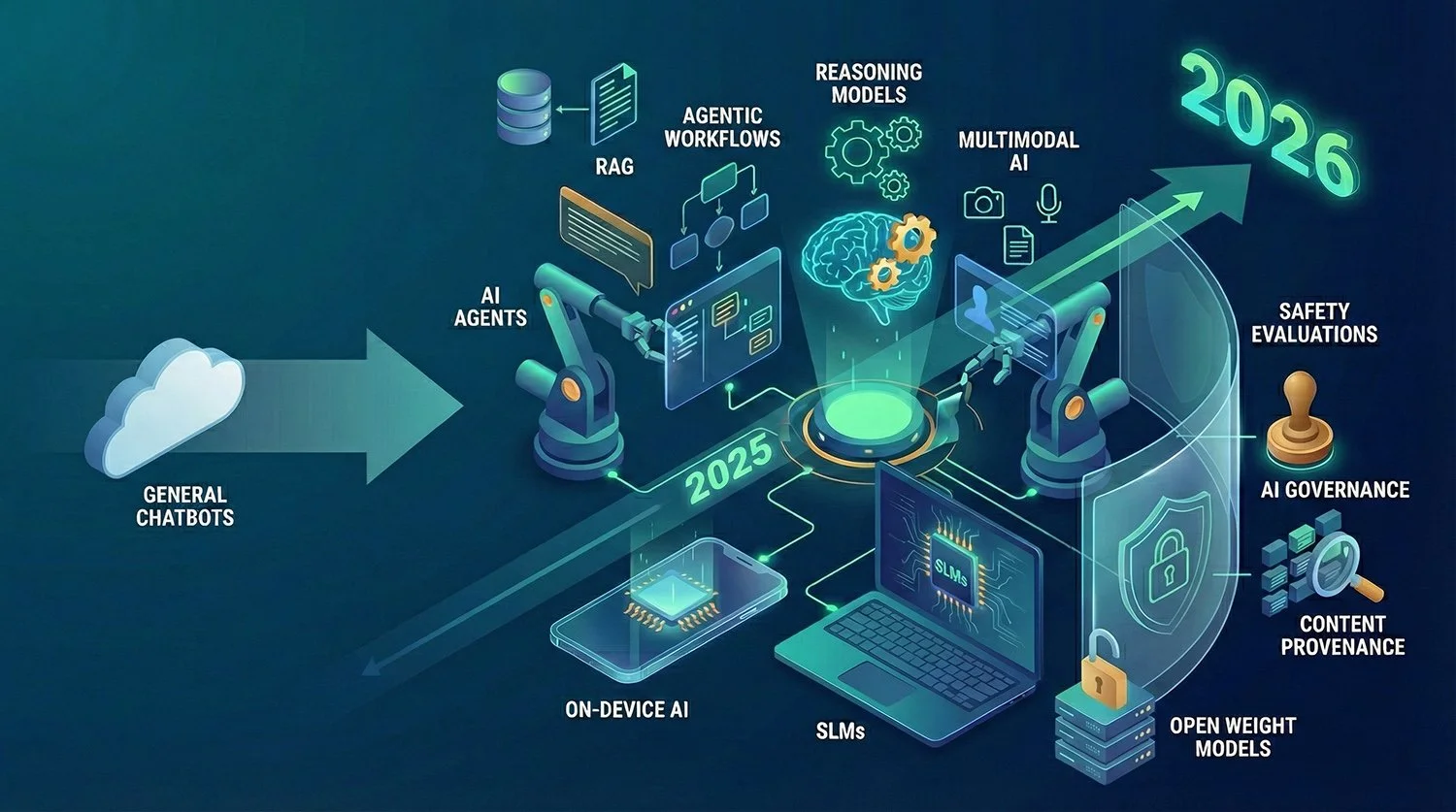
The initiative reflects a growing trend in Australian healthcare toward AI adoption, spurred by events like the Queensland AI in Healthcare Symposium in March 2025, which highlighted diagnostic enhancements.
Globally, AI in stroke care has evolved from basic detection in the 2010s to comprehensive workflows, with approvals like the U.S. FDA clearance for StrokeViewer in 2020 paving the way for expansions.
Looking ahead, experts anticipate AI evolving to incorporate predictive analytics for stroke risk and rehabilitation, though ethical guidelines and regulatory updates will be essential to address biases and ensure transparency.

































 TheDayAfterAI News
We are a leading AI-focused digital news platform, combining AI-generated reporting with human editorial oversight. By aggregating and synthesizing the latest developments in AI — spanning innovation, technology, ethics, policy and business — we deliver timely, accurate and thought-provoking content.