
Adobe Launches Harmonize AI Tool to Automate Image Compositing in Photoshop

Image Source: Adobe
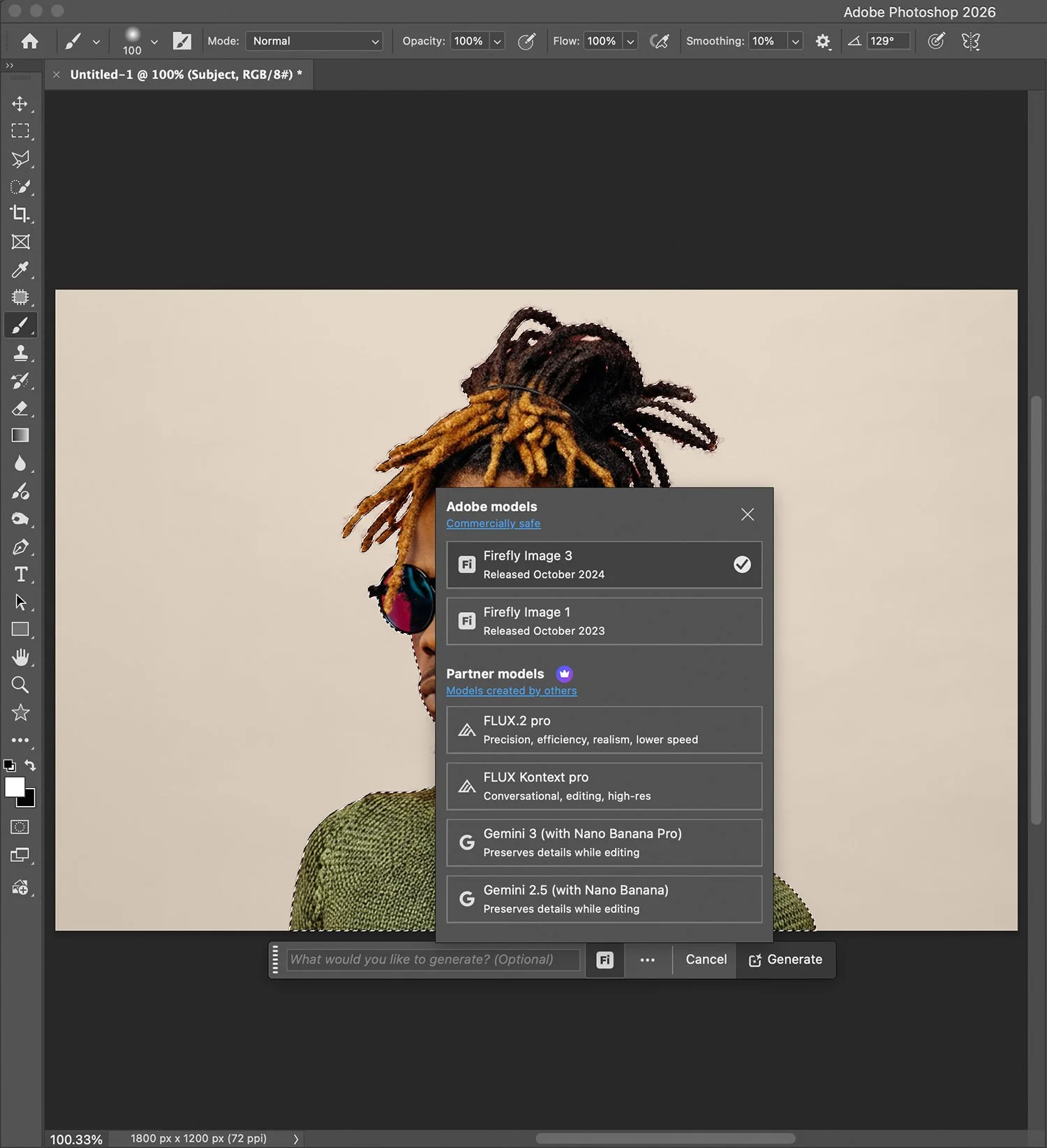
Adobe Inc's Harmonize tool, launched in beta on July 29, employs artificial intelligence to automate adjustments in lighting, colour and shadows for image compositing, exemplifying broader AI trends in filmmaking that aim to lower post-production costs while fuelling debates over job security.
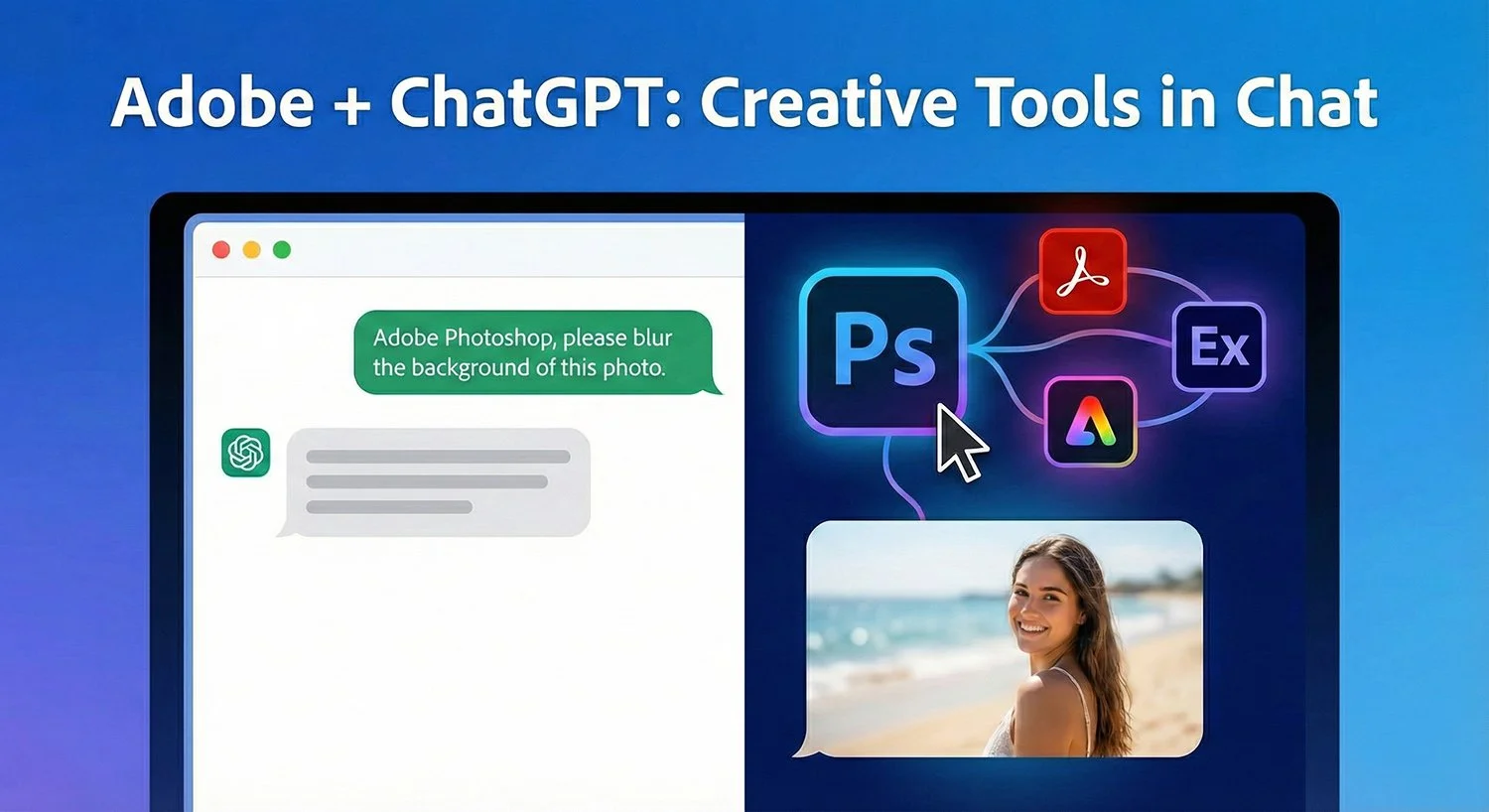
The tool, available in beta for Photoshop on desktop and web, and through Early Access on mobile for iOS, leverages Adobe's Firefly AI models to blend inserted elements with backgrounds, expediting tasks that once required manual precision. Access requires a Creative Cloud subscription and consumes generative credits, aligning with Adobe's model for AI features.











Background on Adobe's AI Development
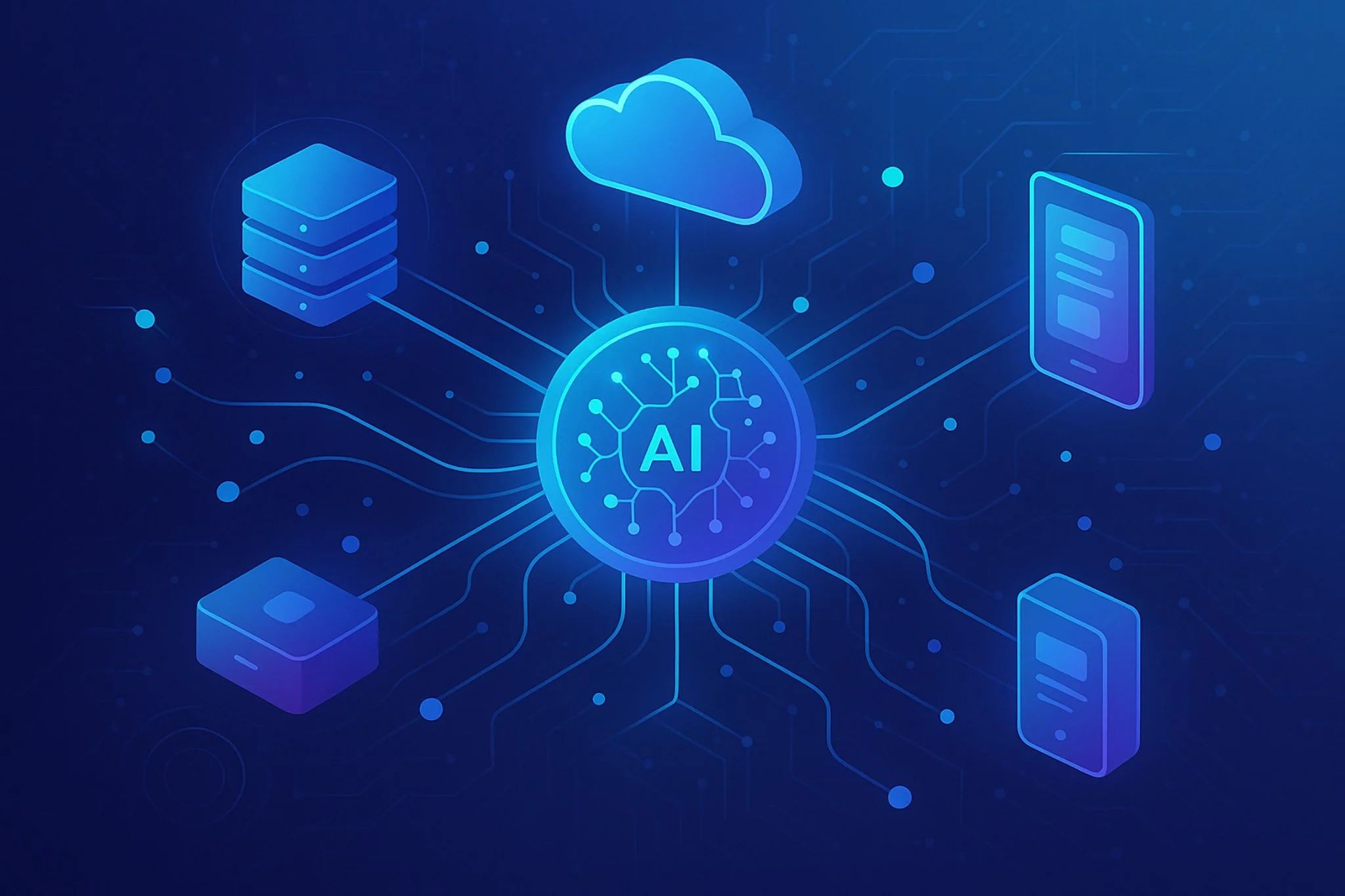
Adobe introduced Sensei in 2016 as a machine learning framework to automate repetitive tasks across its applications, such as object selection and content fills. Firefly, debuted in 2023, advanced generative capabilities using licensed datasets for ethical and commercial use. In 2025, Firefly saw expansions including video generation and sound effects on July 17, plus higher-resolution outputs earlier in the year.
Harmonize builds on these, targeting compositing challenges in visual media, developed at Adobe's San Jose base with algorithms that analyze contextual elements. This responds to heightened demands from streaming services and post-pandemic recovery in production.





















Factors Driving AI Integration in Filmmaking
AI adoption addresses escalating costs and deadlines in post-production, where effects and grading demand significant resources. In Adobe's suite, Sensei in Premiere Pro automates audio mixing and scene detection, enhancing real-time previews and overall workflow speed. Studios like Disney and Netflix use similar technologies for virtual production, cutting expenses on sets and logistics.
Competitive pressures in entertainment propel this, enabling smaller producers to utilize advanced tools and promote content diversity.














Effects on Film Industry Employment
AI efficiencies have prompted worries about workforce reductions, particularly for colourists, editors and effects artists handling automatable duties. A February 2025 University of Washington discussion underscored these issues, echoing 2023 strikes where unions obtained AI protections.
Los Angeles saw a 22.4% drop in filming permits in early 2025 compared to the prior year, linked to smaller crews amid AI use. Yet, AI can elevate productivity for existing staff and foster new roles in integrated processes.





















Projections for AI in Filmmaking
Analysts project AI to extend across production phases, with advancements in video generation and analytics anticipated in coming years. Adobe's Firefly progress, such as text-to-audio, suggests more unified tools for content creation.
The AI in film market is forecasted to reach US$14.1 billion by 2033, growing at a 25.7% compound annual rate, amid discussions on ethics, bias and originality. Observers expect a model where AI complements human creativity in storytelling.

















Source: Adobe, Tech Crunch, PTC, Fortune, Rain Dance, PWC, Market.US





 TheDayAfterAI News
We are a leading AI-focused digital news platform, combining AI-generated reporting with human editorial oversight. By aggregating and synthesizing the latest developments in AI — spanning innovation, technology, ethics, policy and business — we deliver timely, accurate and thought-provoking content.