
Figma vs Manus: Two Different Bets on AI Assisted Design and Build
Image Credit: Jacky Lee
Generative AI is steadily moving from “help me brainstorm” into “help me build”. Two products that sit close to the design to build pipeline are Figma and Manus, but they approach the AI problem from very different directions.
Figma is extending a long established collaborative design platform with AI features and a connector strategy that lets AI coding tools pull trusted design context directly from Figma. Manus presents itself as an AI agent environment that can generate, edit, and ship assets and apps in a single workflow, including a one step path from Figma designs to a working web app.
This article compares what each product has released, what it means technically, and what it could mean for teams thinking about reliability, control, and governance.


















What Figma Is Doing with AI
Connecting AI coding tools to real design context
A key part of Figma’s AI strategy is its Model Context Protocol server. Figma announced a beta release of its MCP server on 4 June 2025, describing it as a way to bring Figma data into agentic coding tools so an LLM can use actual design metadata rather than guessing from screenshots.
In September 2025, Figma expanded that direction with “Design context, everywhere you build”, stating the MCP server now supports remote access, so teams can connect from an IDE, an AI coding agent, or even a browser based model without needing the desktop app.
For readers who have not followed MCP, the key point is that it is designed as a standard way for AI assistants to connect to external systems and pull the right context at the right time, rather than relying on copy paste prompts and screenshots.
Prompt to app inside the Figma ecosystem
Figma also pushed AI into prototyping and app exploration with Figma Make. In July 2025, Figma said Figma Make and other AI features moved out of beta into general availability, and described Make as a prompt driven way to create interactive, high fidelity prototypes for teams with mixed technical skills.
The practical difference versus many standalone prompt to code tools is that Figma is trying to keep design artefacts, design systems, and collaboration inside the same environment while AI assists with turning intent into working prototypes.
AI image editing built into the canvas
Figma has also been expanding AI image work inside the editor. On 10 December 2025, Figma announced new AI image editing tools including Erase object, Isolate object, and Expand image, positioning them as a way to avoid bouncing out to separate tools and reimporting assets.
Usage controls and credits as part of governance
Figma’s help documentation notes that, as of 24 July 2025, Figma AI features became generally available and earlier beta level toggles were removed, with enterprise plans retaining additional controls.
In December 2025, Figma also published updates about AI credits, including tracking usage and outlining future options for buying credits and enforcing limits.
These details matter because they signal that Figma is treating AI as a platform capability that needs cost controls, auditability, and admin policy, not just a feature checkbox.








What Manus is doing with AI
Agent first workflow, then design and build tools inside it
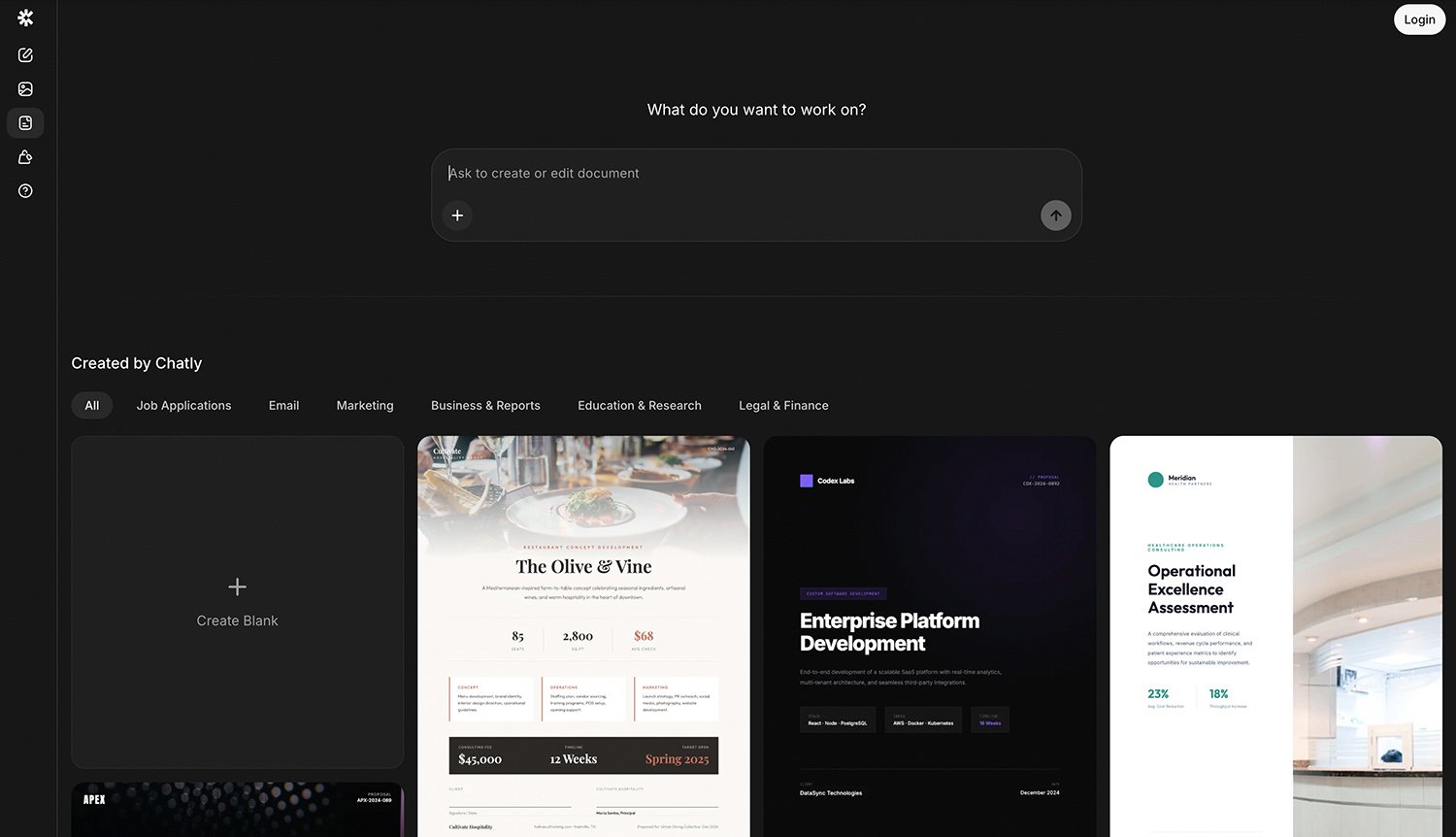
Manus has been shipping features that look like an integrated agent workspace for building and editing. Its own blog lists Manus 1.6 as a December 2025 release, framed around performance upgrades, mobile development, and a new Design View.
Design View focuses on precise edits instead of repeated prompting
On 22 December 2025, Manus introduced Manus Design View, describing a workflow where users generate an initial image then make granular edits using a Mark Tool to select regions and specify changes, plus a text editing step for designs that include typography. Manus says Design View is available to all users.
Crucially for the AI angle, Manus states Design View is powered by Google’s Nano Banana Pro model.
Slide editing for image based presentations
On 18 December 2025, Manus published a post saying slides created with Nano Banana Pro are now editable, describing point and click edits for text and local visual changes without regenerating an entire slide.
This is aimed at a known weakness of image generated decks. When each slide is a single rendered image, small fixes usually force a full regeneration. Manus is explicitly trying to close that loop.
A direct bridge from Figma designs to a working web app
Manus also documents an “Import from Figma” capability that says users can turn a Figma design into a functional web application by sharing a link to a frame and describing what they want.
That positions Manus as more than a design assistant. It is aiming at the build step, using the design as input and producing an app output.























The AI models and architecture: context versus generation
Figma’s bet: more context for other AI tools
Figma’s MCP direction is a bet that the biggest quality gains come when AI coding tools can access the underlying truth of the design. That means token names, exact values, component relationships, and where possible links to real code via Code Connect.
Figma is trying to reduce the “AI guessed the UI wrong” problem by giving AI the same structured information a developer would use, instead of asking it to interpret pixels.
Manus’s bet: a single agent that generates and edits in place
Manus is presenting a more self contained approach: generate the asset inside the agent, then edit the asset inside the same agent workflow. Design View and editable slides both focus on local edits without losing the original composition, which is a common pain point for image generation.
Because Manus explicitly references Nano Banana Pro, it is also tying part of its capability to a fast moving model ecosystem outside its own platform.




















Nano Banana Pro: Why It Keeps Showing Up in The Manus Story
Google positions Nano Banana Pro as an advanced image generation and editing model associated with Gemini, and developer documentation maps it to Gemini 3 Pro Image Preview.
This matters for comparison because it highlights a difference in where each company is putting the AI “core”.
Manus is openly naming an external image model as the engine behind major creative features.
Figma is less about naming one model and more about integrating AI features and connecting structured design context to whatever AI coding agent a team is using.

















Trust, Data and Governance Considerations
Figma: litigation risk is now part of the AI conversation
In November 2025, Reuters reported a proposed class action lawsuit alleging Figma misused customer data and intellectual property to train generative AI tools without consent. These are allegations, not proven findings, but they are relevant because they go directly to enterprise trust and procurement reviews.
Figma’s published admin guidance on AI settings and content training, plus its recent focus on AI credit tracking, shows the company is treating AI governance as an explicit product surface.
Manus: geopolitics and corporate structure may affect adoption for some buyers
In May 2025, Semafor reported that the US Treasury was reviewing a Benchmark led investment connected to Manus AI, as part of outbound investment scrutiny. The Financial Times later reported broader controversy around Manus and Benchmark and described cross border tensions affecting the company’s operations and perception.
This does not invalidate the product, but it is the sort of context some organisations consider when evaluating vendor risk, data residency, and long term continuity.





















Who Is Each Product Best Aligned to
If your core pain is design to production code accuracy
Figma’s MCP approach is designed to help AI coding tools produce code that matches the design system and exact design intent, including remote access, plus explicit partner integrations.
If your core pain is fast asset generation with tight iteration loops
Manus is emphasising local edits on generated images and slides, and a workflow that stays inside a single agent environment.
If you want a direct design to web app jump
Both are trying to shorten the gap, but in different ways:
Manus documents importing from Figma to generate a working web app.
Figma is building prompt driven prototypes inside Figma Make and extending context into IDEs and agents through MCP.





























 TheDayAfterAI News
We are a leading AI-focused digital news platform, combining AI-generated reporting with human editorial oversight. By aggregating and synthesizing the latest developments in AI — spanning innovation, technology, ethics, policy and business — we deliver timely, accurate and thought-provoking content.