
ChatGPT Starts Testing Ads: What Free Users Must Know About the Change

Image Credit: Ilgmyzin | Splash
OpenAI says it plans to test advertising inside ChatGPT in the United States in the coming weeks, starting with logged in adults on the Free tier and the lower cost ChatGPT Go plan.
ChatGPT is no longer just “a chatbot”. Plenty of people use it like a personal assistant for life admin, shopping research, learning and planning. Once paid placements appear in the same screen as advice, the big question becomes whether users still feel they can trust the assistant to be neutral.

















Now in Testing
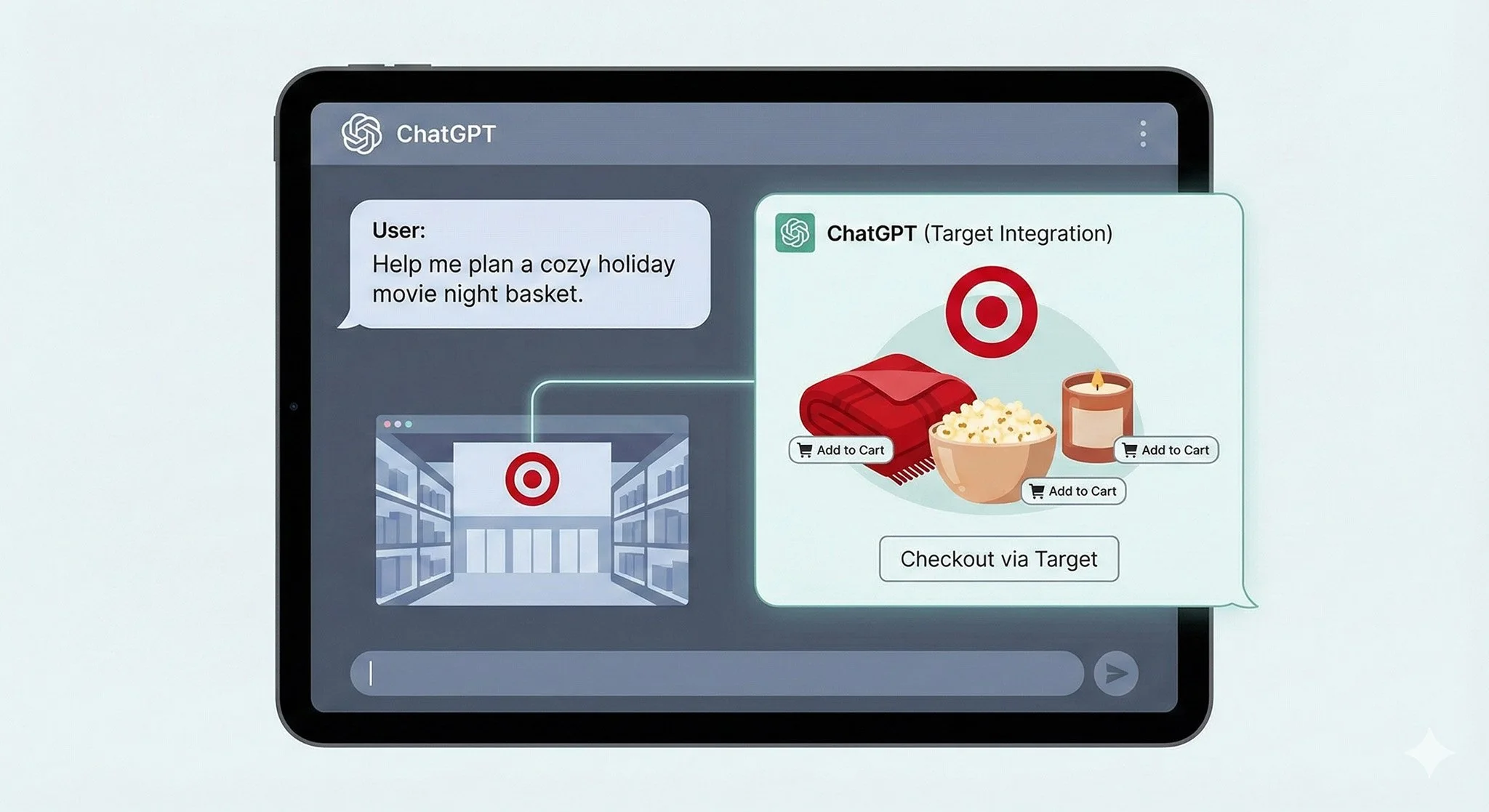
OpenAI says ads are not live yet, but it will begin a limited test. The first format is a clearly labelled sponsored placement shown at the bottom of answers, when there is a relevant sponsored product or service based on your current conversation.
OpenAI also published a help centre explainer that repeats the key points: the test is planned for Free and Go adult users in the US, and higher tiers like Plus, Pro, Business, Enterprise and Edu will not have ads.

























How the Ads are Displayed
OpenAI’s stated design is to keep ads visually separate from the assistant’s answer. It says ads will be clearly labelled, and users will be able to see why an ad is being shown, dismiss it, and provide feedback.
In WIRED’s reporting, OpenAI describes the ads appearing in a separate box directly below the answer, using a travel planning example to illustrate how an ad could follow a normal response rather than replace it.




















No Ads to Users under 18
OpenAI says it will not show ads to users it believes are under 18, and it will avoid showing ads around sensitive topics such as health, mental health, or politics.
It is also rolling out an age prediction approach on ChatGPT consumer plans to estimate whether an account likely belongs to someone under 18, so additional safeguards can be applied. While this is broader than advertising alone, it is relevant because the ad test explicitly relies on age gating.




















No Plan to Sell User Data Yet
OpenAI says it does not sell user data to advertisers and keeps conversations private from advertisers, while still using the current conversation context to decide whether a sponsored placement is relevant.
That distinction is important for everyday users. Even when an advertiser does not see your chat, ads can still be selected based on what you are talking about in that moment. OpenAI says users will have controls, including the ability to learn why they are seeing an ad and dismiss it.



















Looking for a Lower-Cost Option?
Reuters reports OpenAI is pursuing ads as part of a broader push to increase revenue and offset the high costs of building and running advanced AI, while trying to preserve user trust with restrictions and separation from answers. Reuters also reports major infrastructure spending ambitions, and describes weekly user scale as very large, which is exactly why ads are tempting as a business model.
OpenAI’s public framing is that ads are linked to expanding affordable access. It has positioned Go as a lower cost plan and says it is now available worldwide, priced at US$8 per month in the US with pricing localised in some markets.




















So… Is It Still a Personal Assistant?
In a traditional search engine, users expect commercial results. A personal assistant is different because it feels like an ongoing conversation, and people can share personal details while asking for advice.
This is why the move is already attracting political attention in the US. Senator Ed Markey has asked OpenAI and other major AI companies about the risk of deceptive advertising and user manipulation in chat style systems, and has asked for details of safeguards.
Separately, The Verge reports OpenAI is still working out ad pricing and measurement, with early advertiser reporting likely to be limited compared to mature ad platforms. If correct, that could reduce pressure to over optimise in the early stage, but it also shows the ad model is still being built and could change quickly.

























What’s Already Shifting
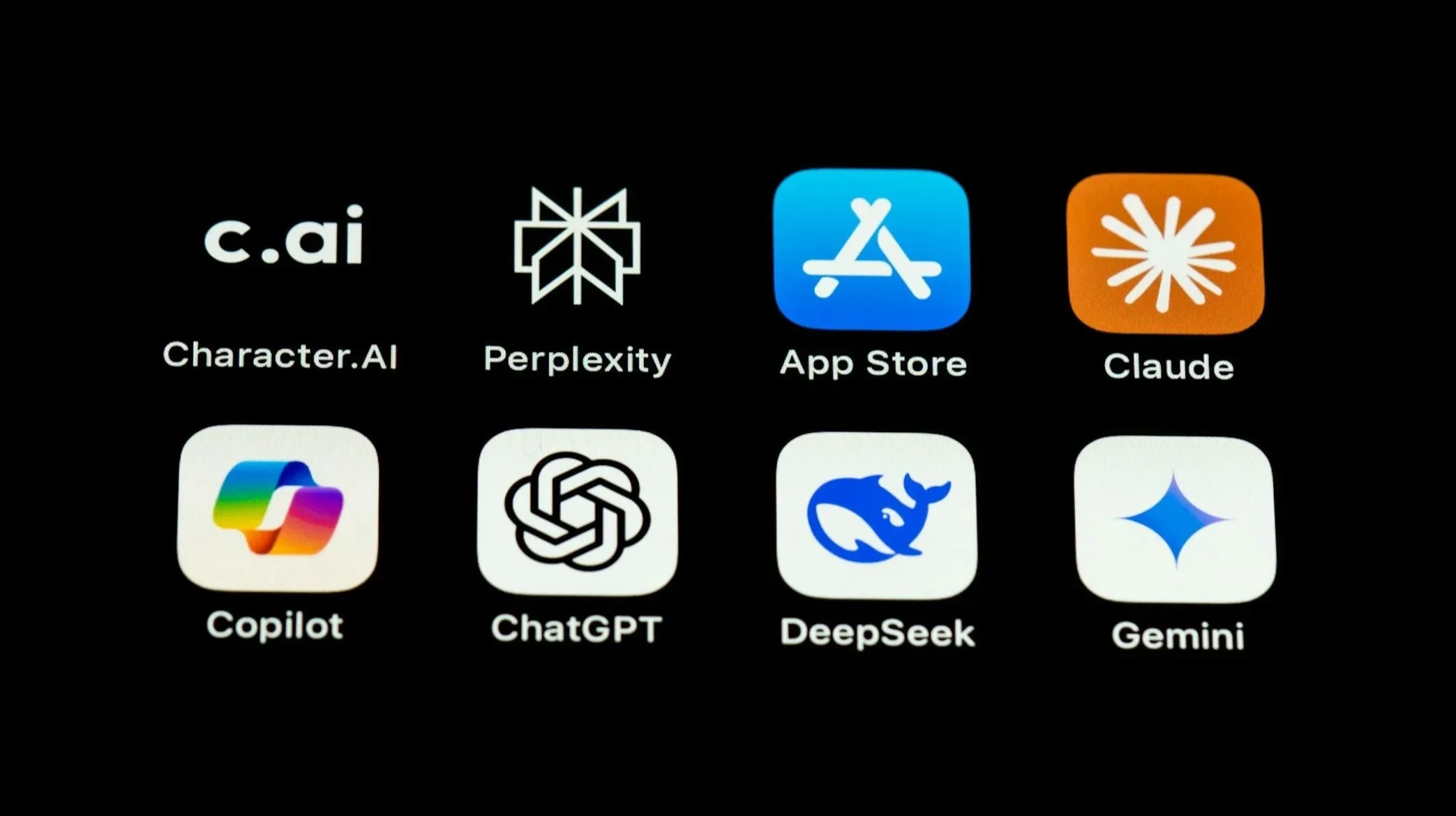
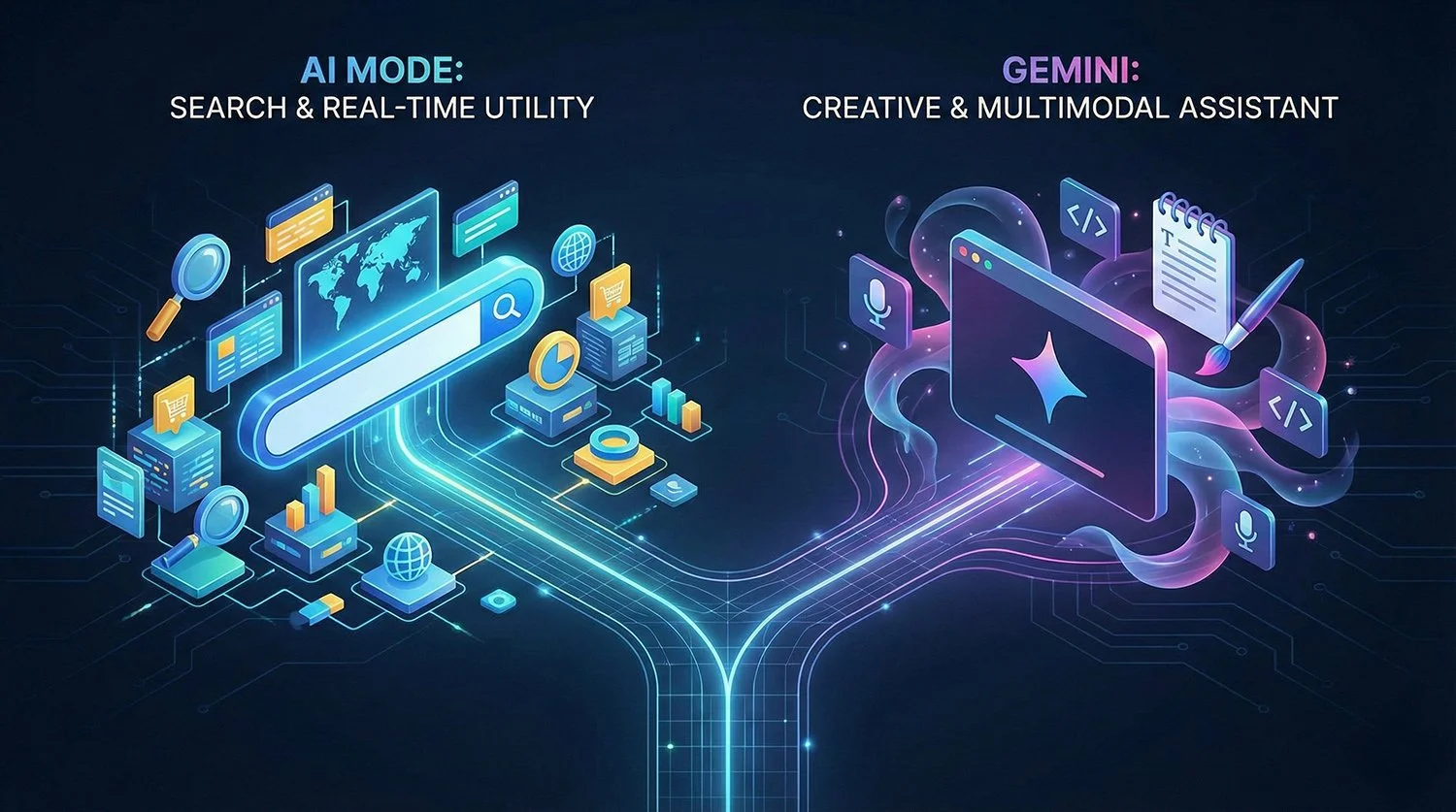
If this feels new, it is worth noting that ads inside AI generated answers are already present in Google Search. Google’s own Ads Help documentation says “Ads in AI Overviews” are available in English in several countries including Australia, and that both the user query and the content of the AI Overview are considered when serving those ads.
Perplexity, an AI answer engine, began testing “sponsored follow up questions” in 2024. Search Engine Land reported that the answers are generated by Perplexity rather than written by advertisers, with sponsorship applied to the suggested questions.
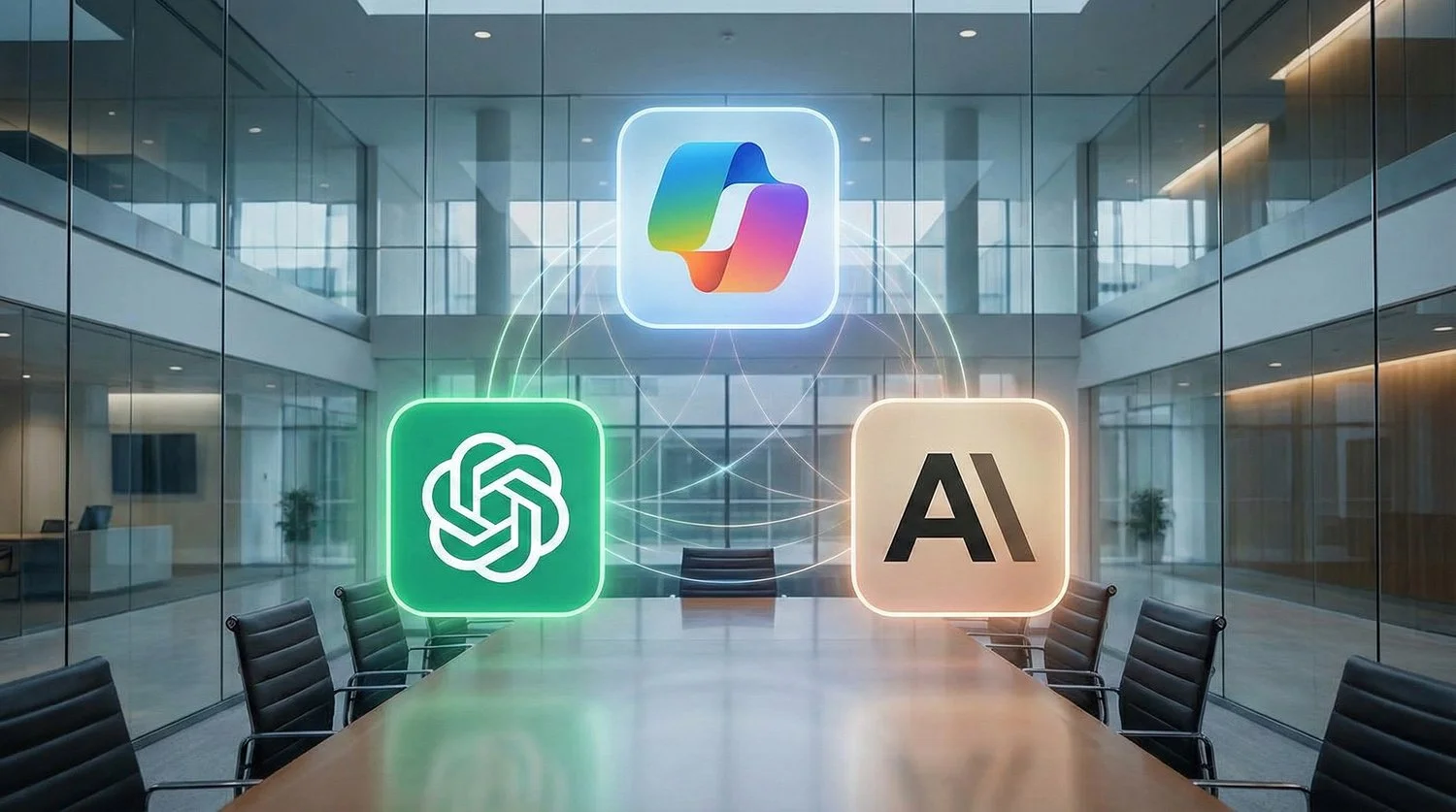
And while Microsoft’s consumer Copilot experience is not explained as an ad funded assistant in the same way, Microsoft is clearly investing in AI assisted advertising workflows. It positions “Copilot in Microsoft Advertising” as an AI assistant that helps advertisers create campaigns and uncover insights, which is part of the same wider trend: AI is now involved in both serving information and selling products.
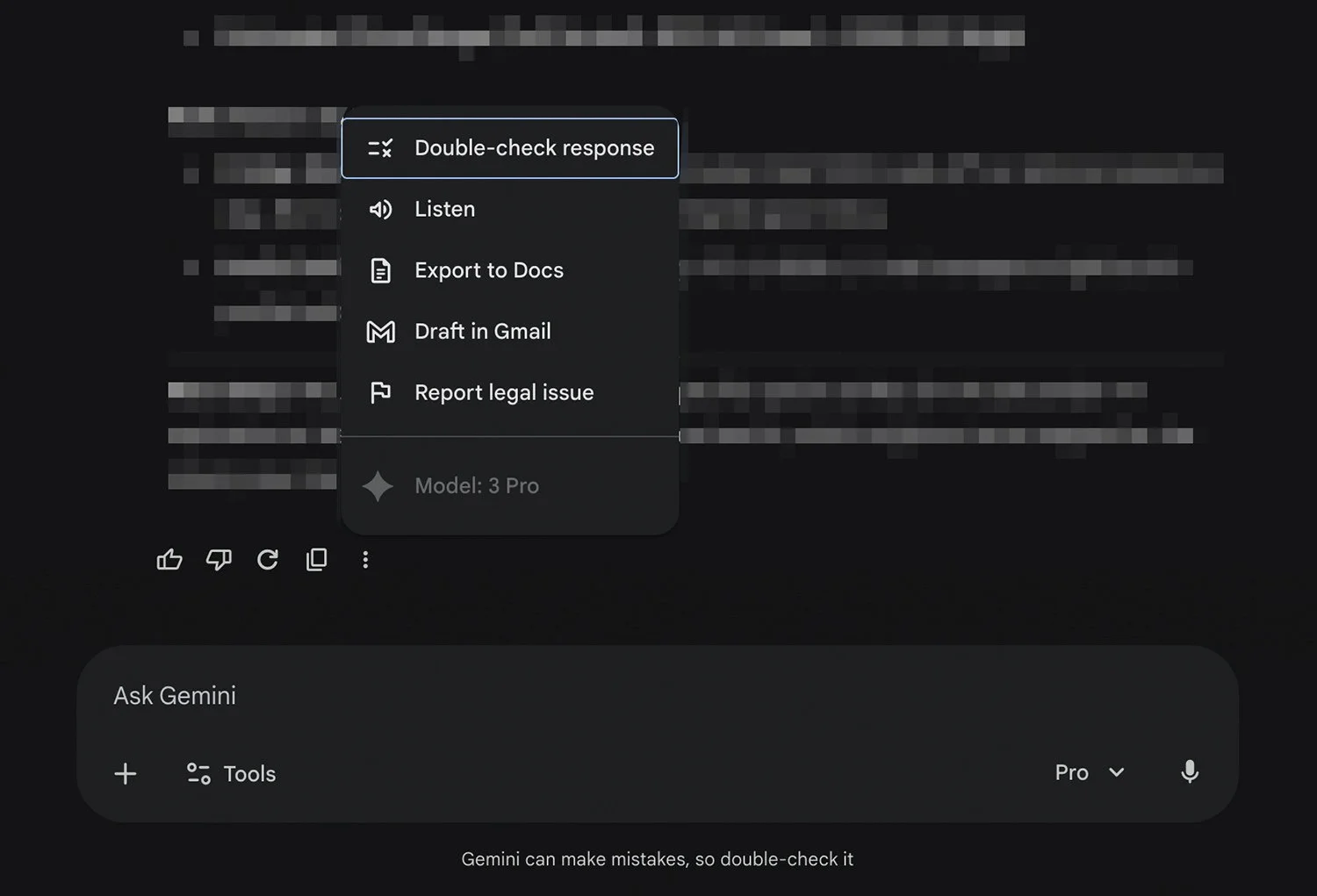
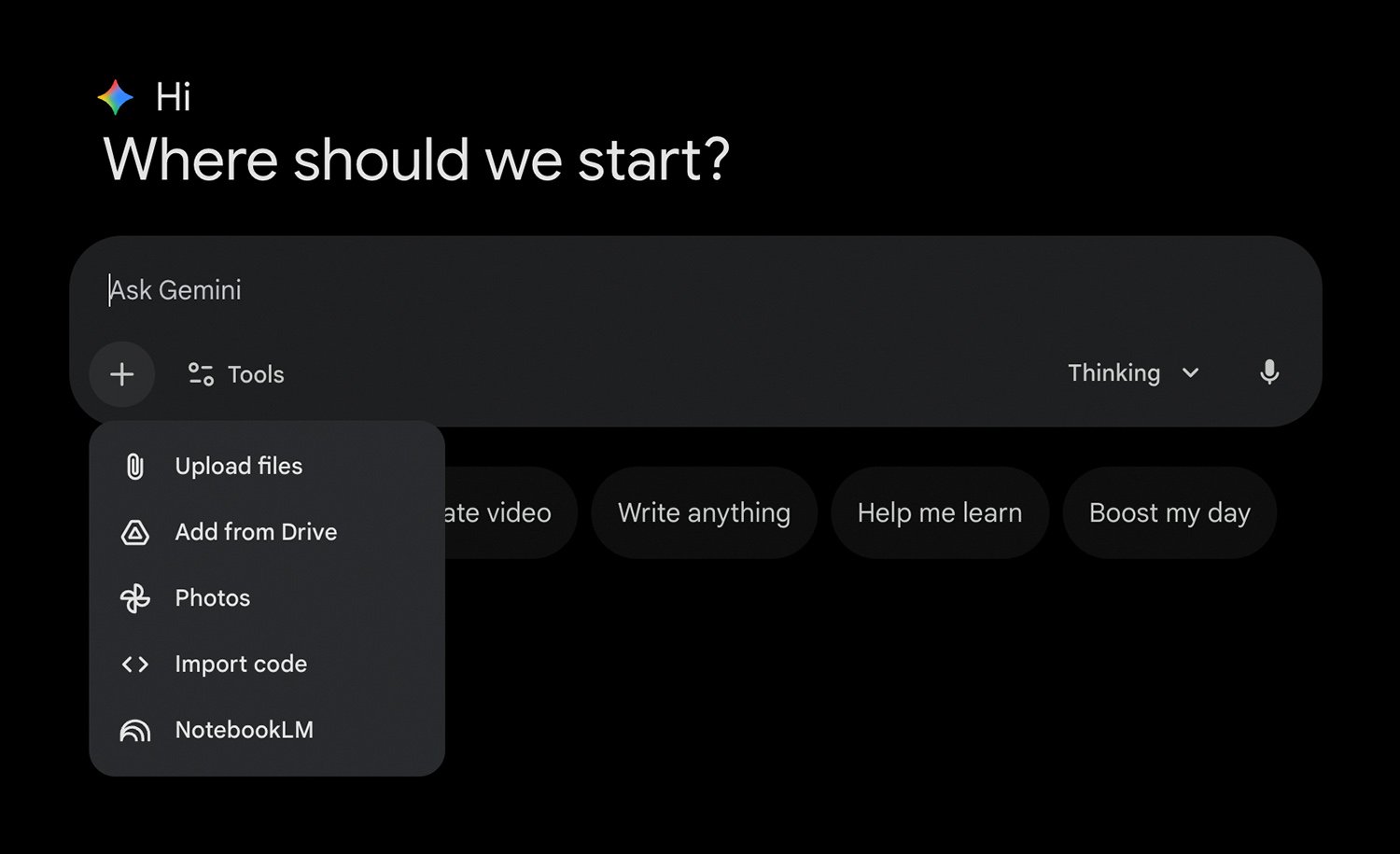
On the competitor front, Google DeepMind CEO Demis Hassabis has said Gemini has no plans for ads “at the moment”, and framed trust as central to building a helpful assistant. That contrast is likely to be used as a positioning point, even if it changes later.












What to Watch Next
For regular users, the key issues will be simple and practical.
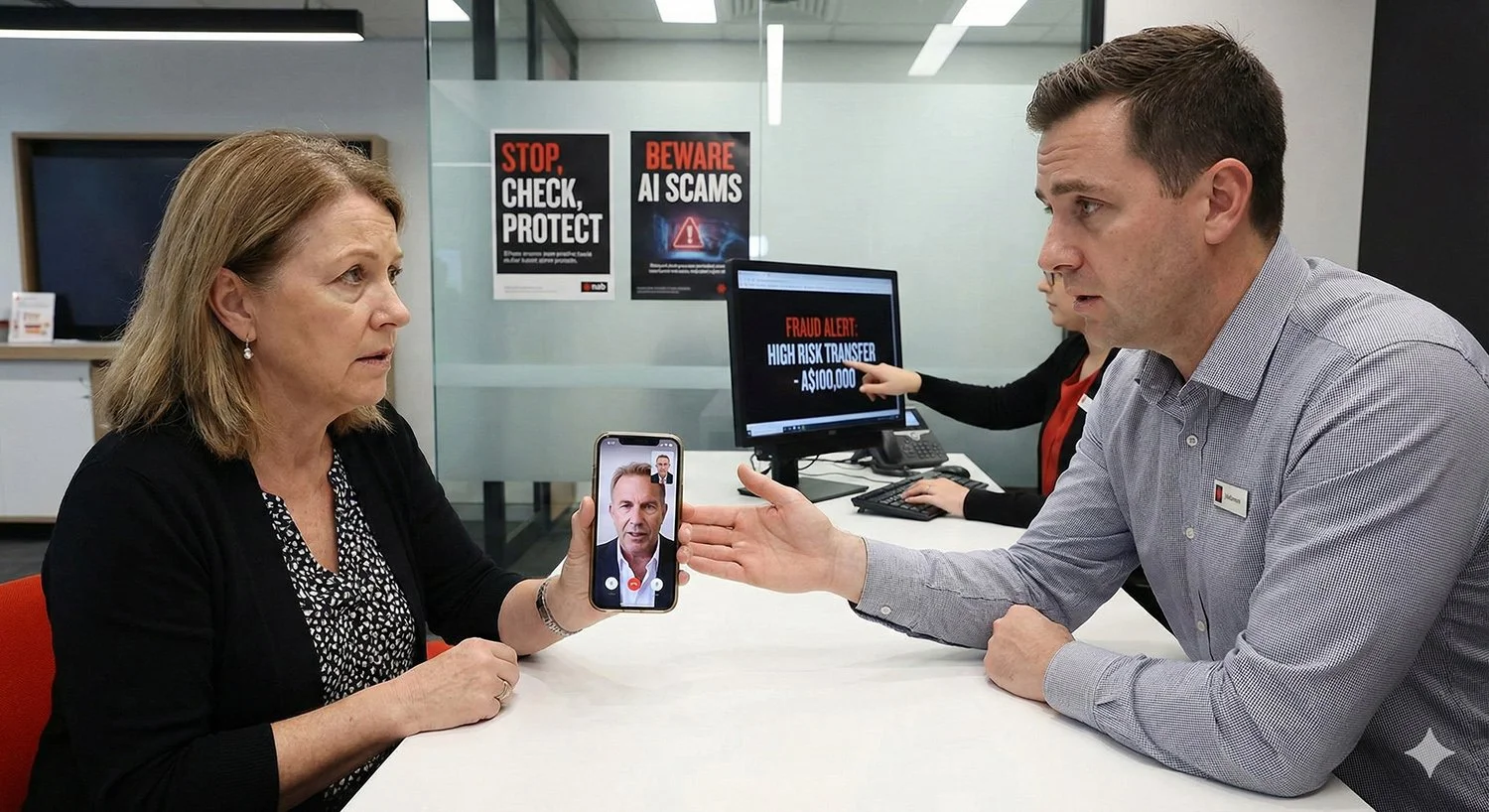
Clarity: whether “sponsored” is unmistakable in real use, especially when you are skimming on mobile.
Independence: whether answers continue to feel neutral once paid placements become part of the same flow. OpenAI says ads will not influence answers, but this is the promise users will test emotionally, not just technically.
Guardrails: whether exclusions for under 18 and sensitive topics hold up at scale, and whether age prediction works well enough to enforce those rules.
Rollout signals: OpenAI’s official messaging is US test first, but Reuters also reports discussion of unveiling the ad product to advertisers in February, which suggests the commercial side is moving quickly.















License This Article






 TheDayAfterAI News
We are a leading AI-focused digital news platform, combining AI-generated reporting with human editorial oversight. By aggregating and synthesizing the latest developments in AI — spanning innovation, technology, ethics, policy and business — we deliver timely, accurate and thought-provoking content.