
FCC Blocks New Foreign Drone Approvals: Major Shift for US UAS Supply Chains
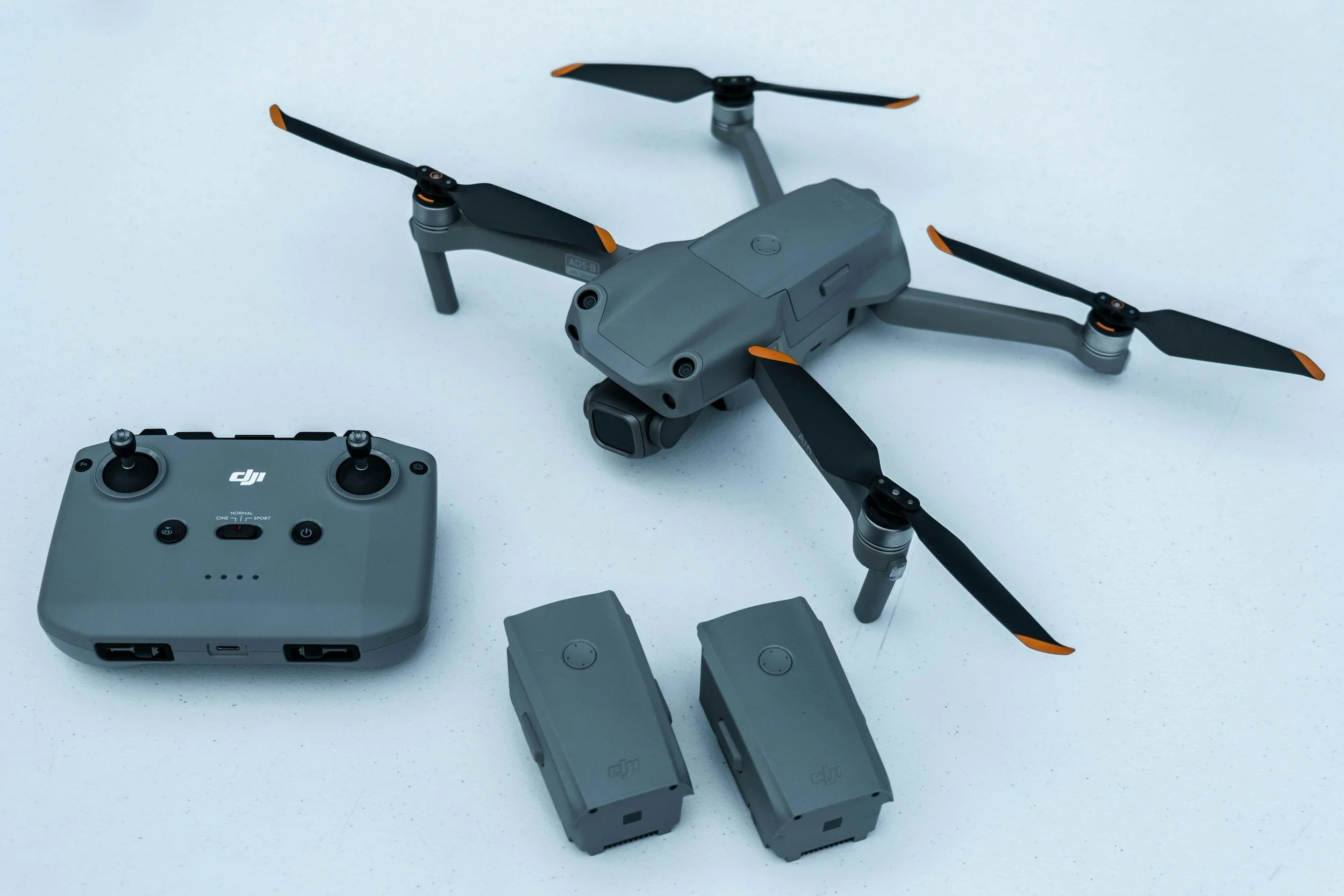
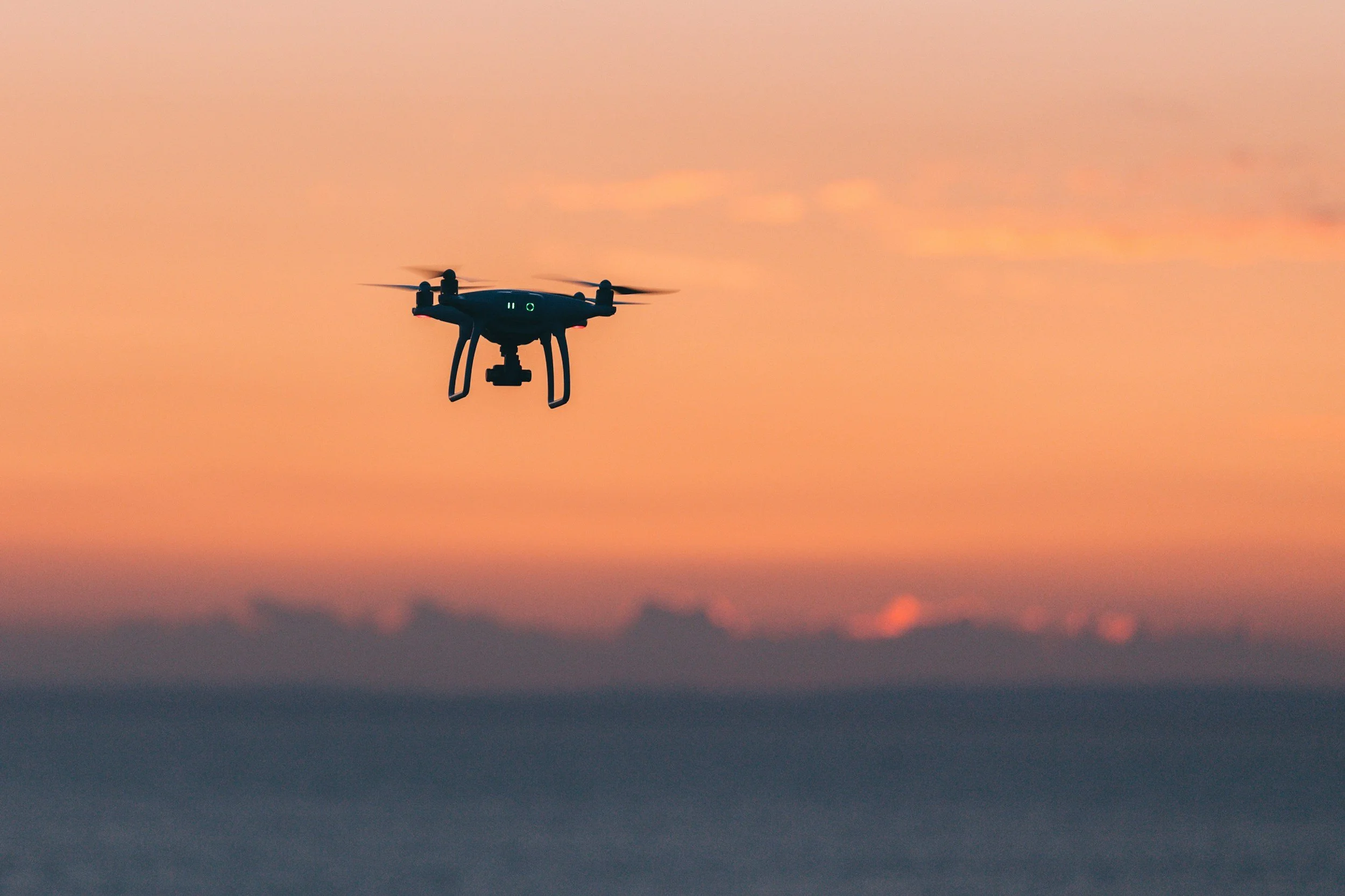
Image Source: Zac Gudakov | Splash
On 22 December 2025, the United States Federal Communications Commission updated its Covered List to add two new categories: uncrewed aircraft systems produced in a foreign country and UAS critical components produced in a foreign country.
The FCC says it made the change after receiving a National Security Determination on 21 December 2025, following a White House convened interagency process involving national security expertise.




















What the Change Does in Practice
This is not framed by the FCC as a blanket prohibition on drones already in use. Instead, it targets the regulatory approval pathway that new products often need to enter the US market.
The FCC fact sheet explains that equipment placed on the Covered List is prohibited from receiving new FCC equipment authorisations, and that most wireless devices need that authorisation before they can be imported, marketed, or sold in the United States.
Crucially, the same FCC fact sheet states that this decision does not affect previously purchased drones and does not stop the import, sale, or use of existing device models previously authorised. It also notes that the restrictions apply to new device models.
























Who is Affected and How It Is Being Described Publicly
The FCC documents describe the Covered List update as category based, rather than naming specific drone brands.
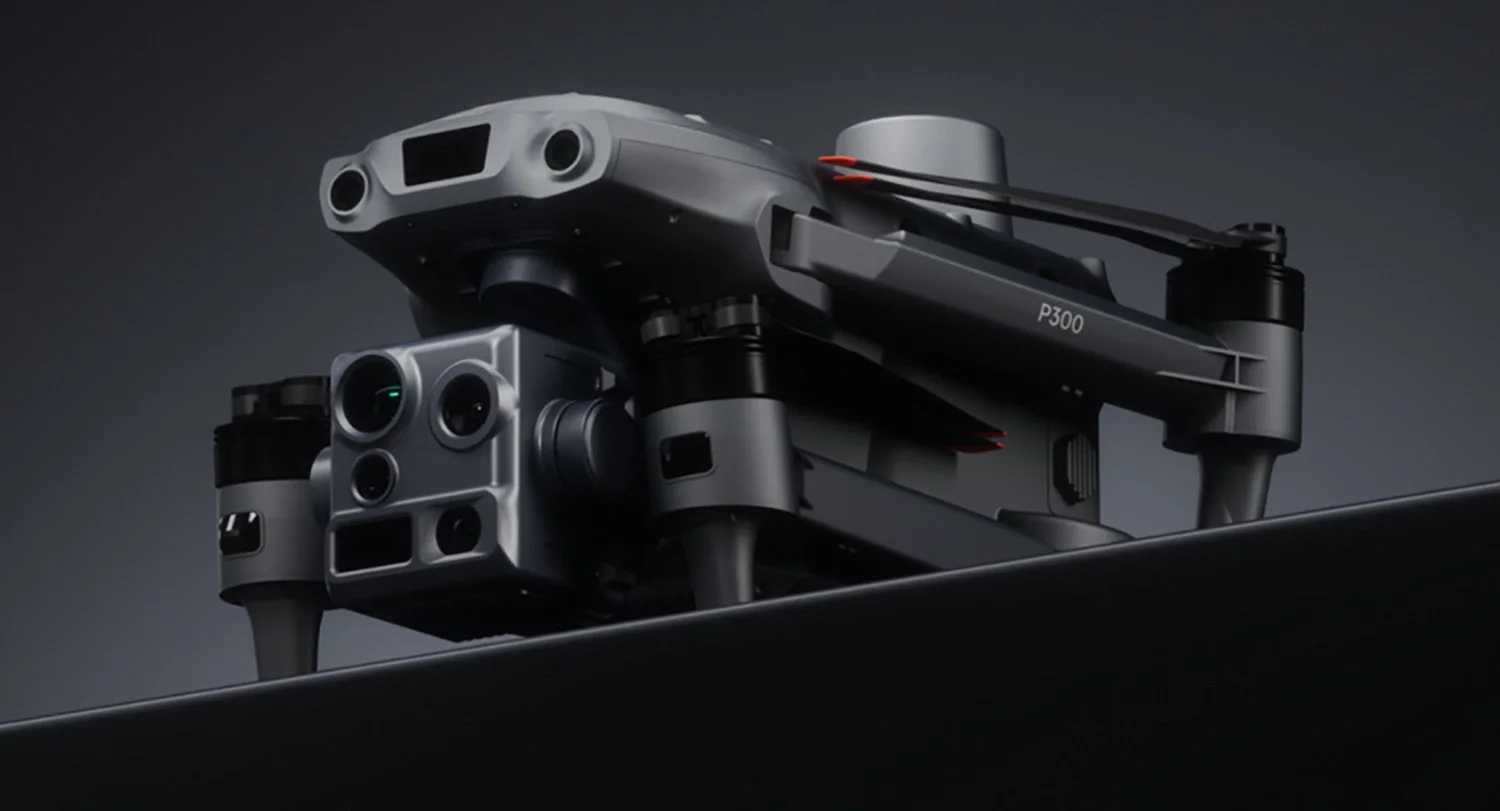
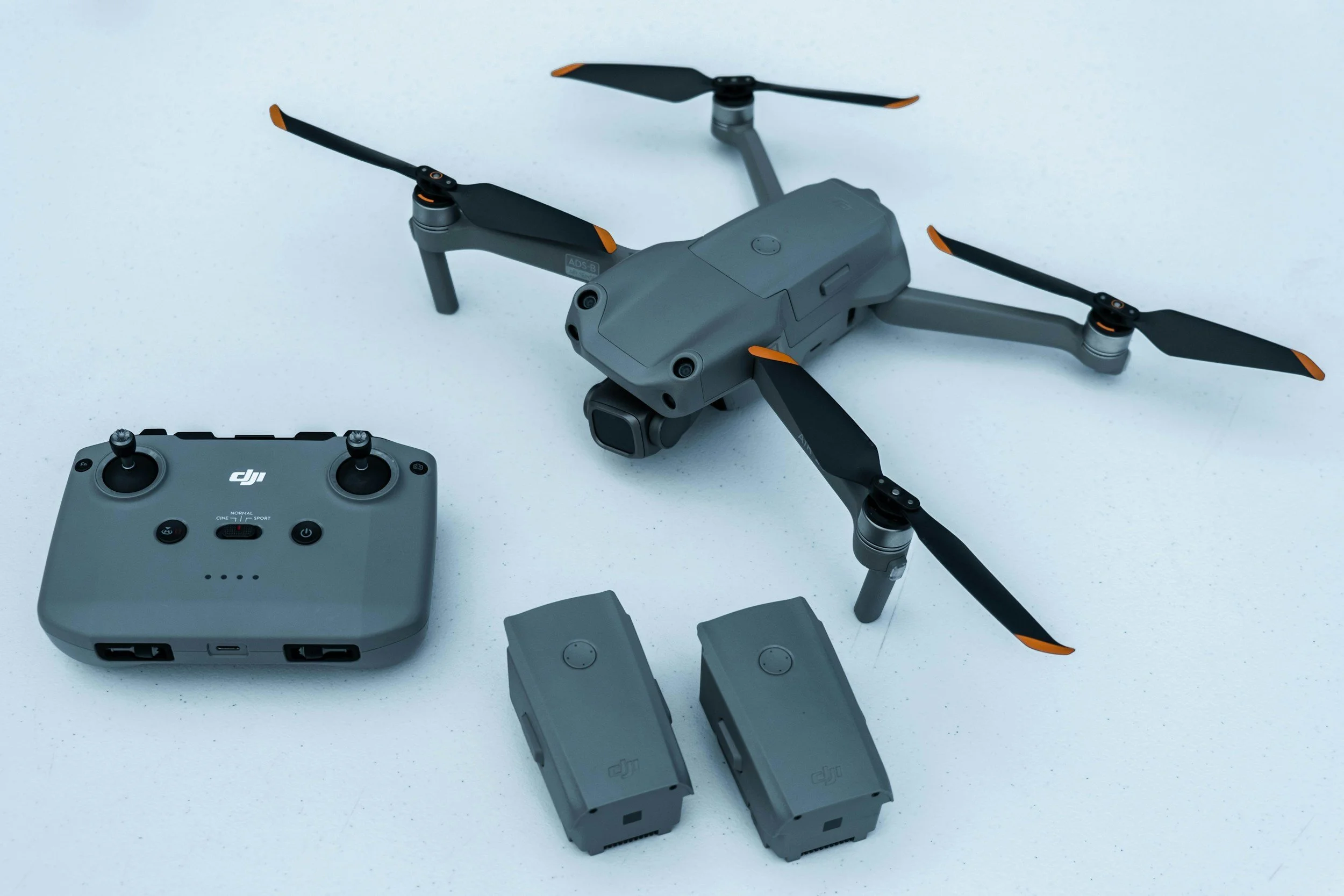
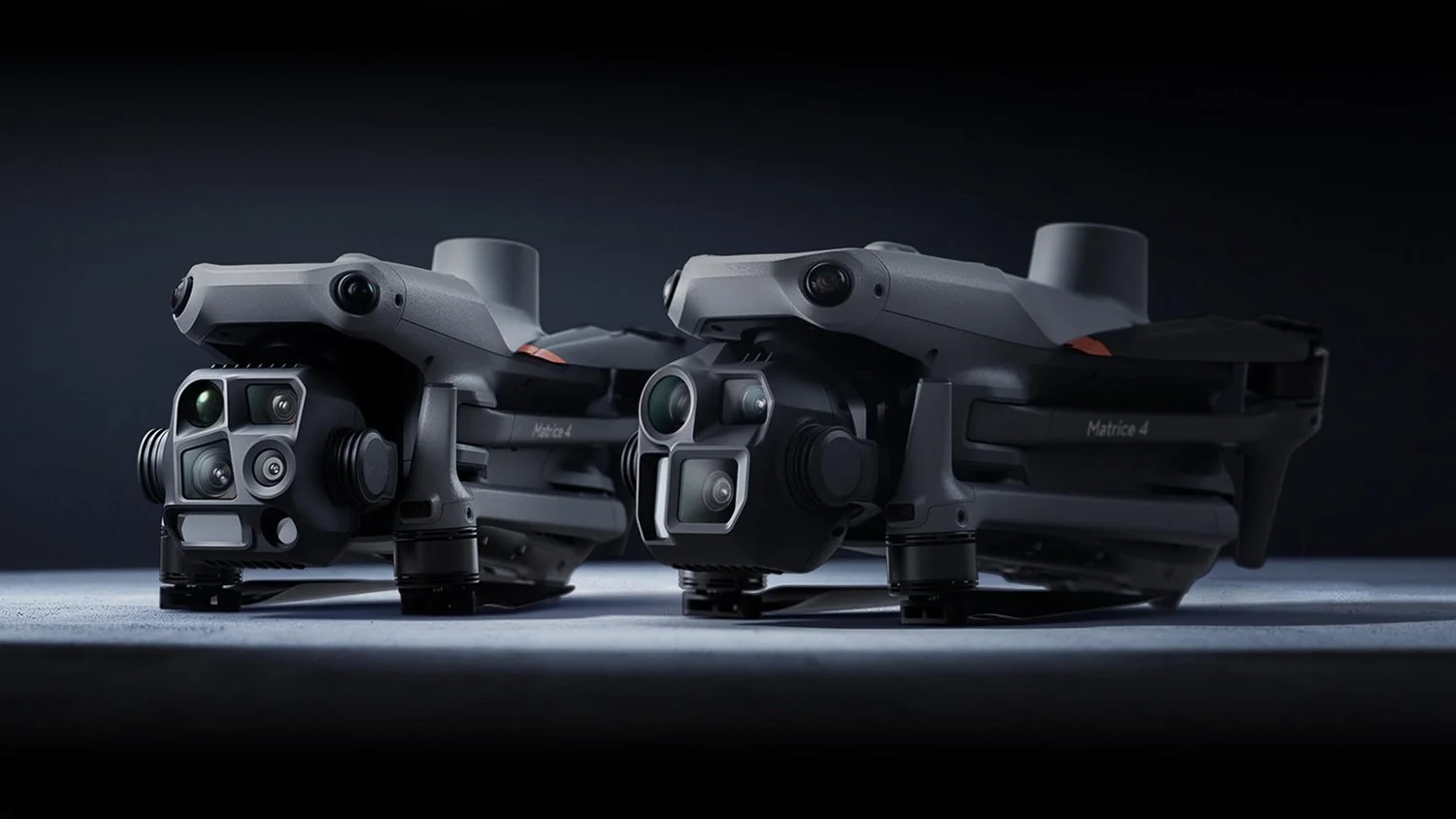
However, major reporting has highlighted well known Chinese drone makers in explaining likely impact. Reuters and AP both describe the move as limiting approvals for new drone models from companies such as DJI and Autel, among other foreign produced drones.





























The FCC Definition of “UAS Critical Components”
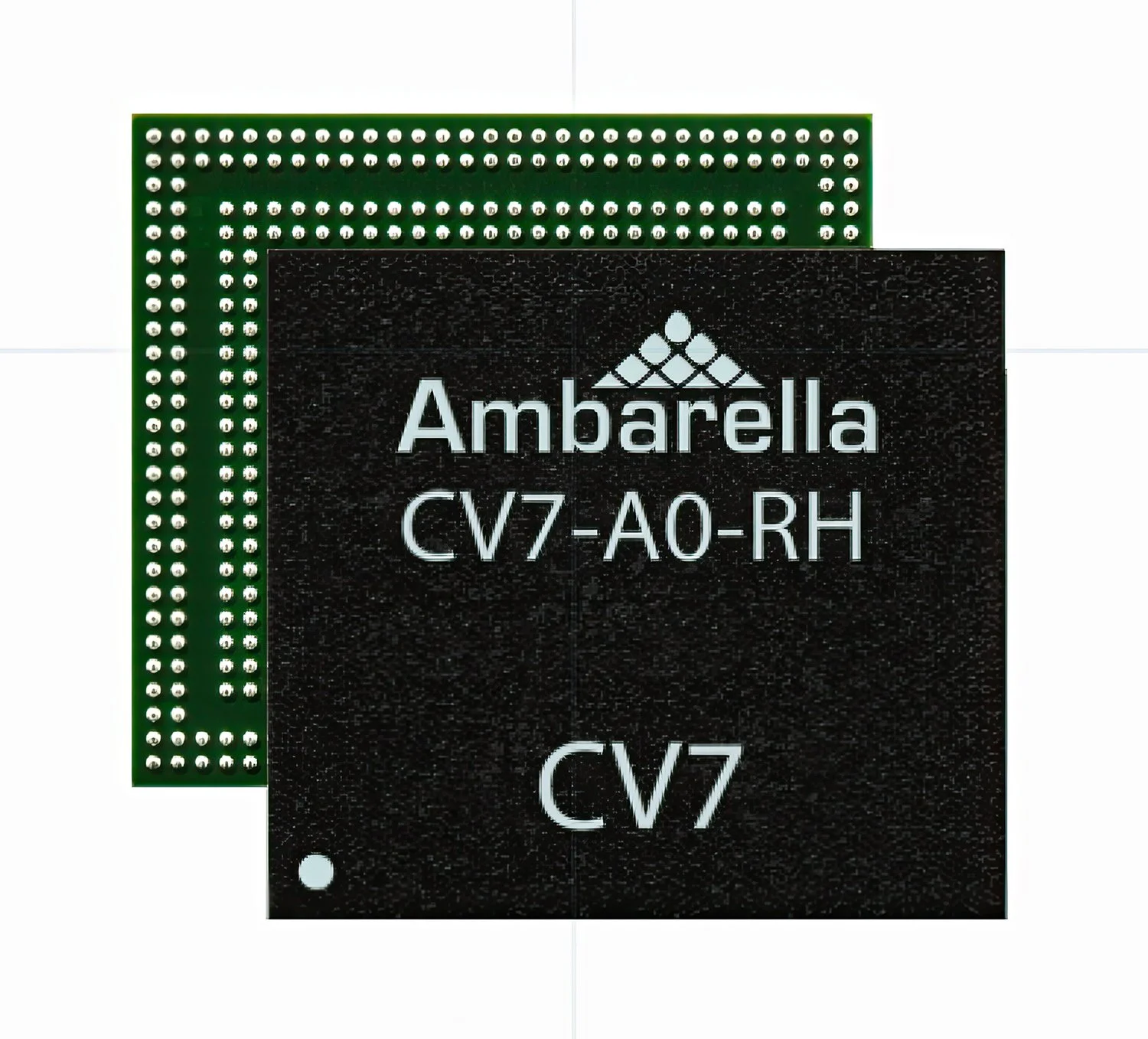
In the FCC Public Notice, the formal definition states that UAS critical components include, but are not limited to, the following UAS components and any associated software:
Data transmission devices
Communications systems
Flight controllers
Ground control stations and UAS controllers
Navigation systems
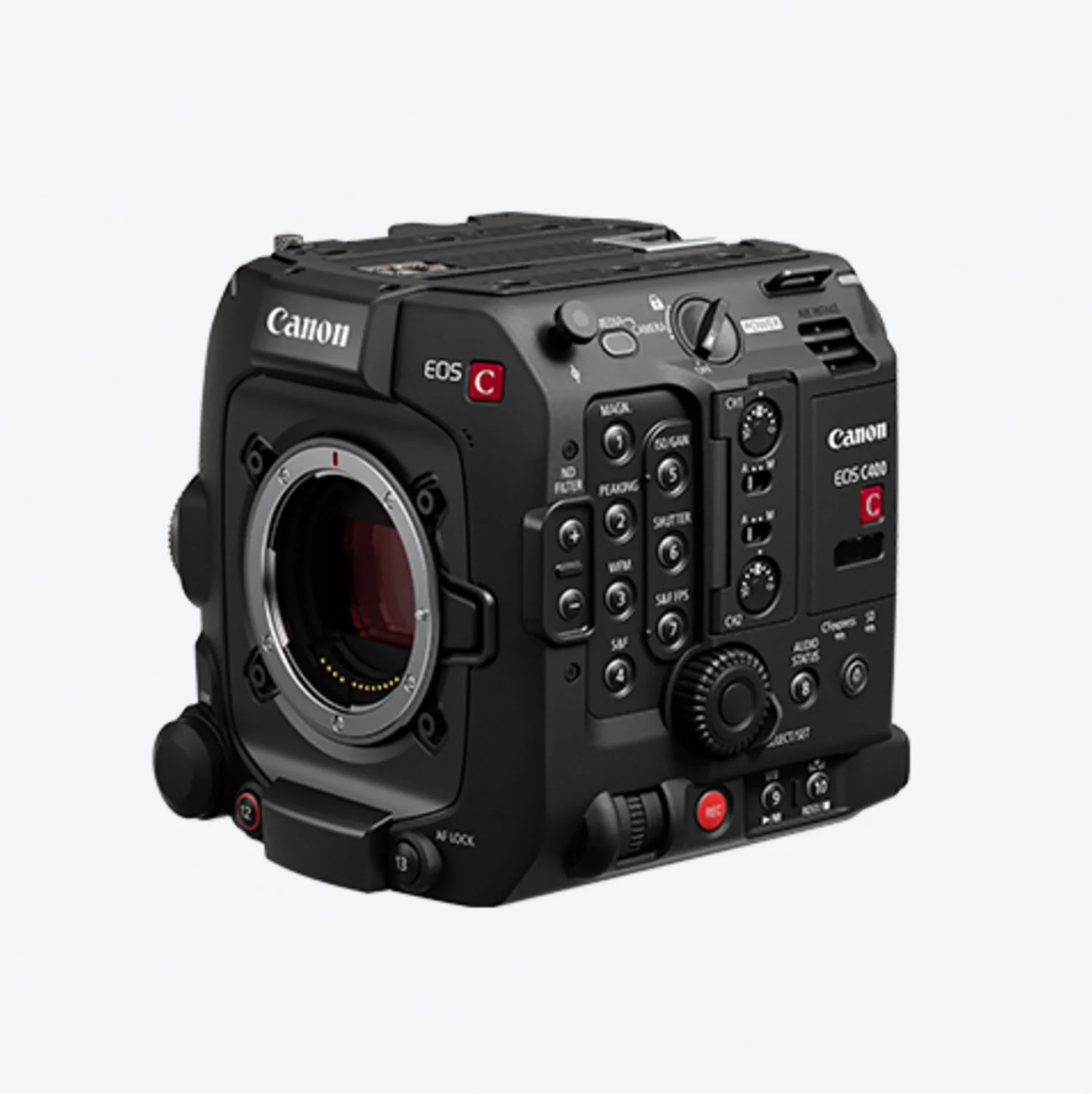
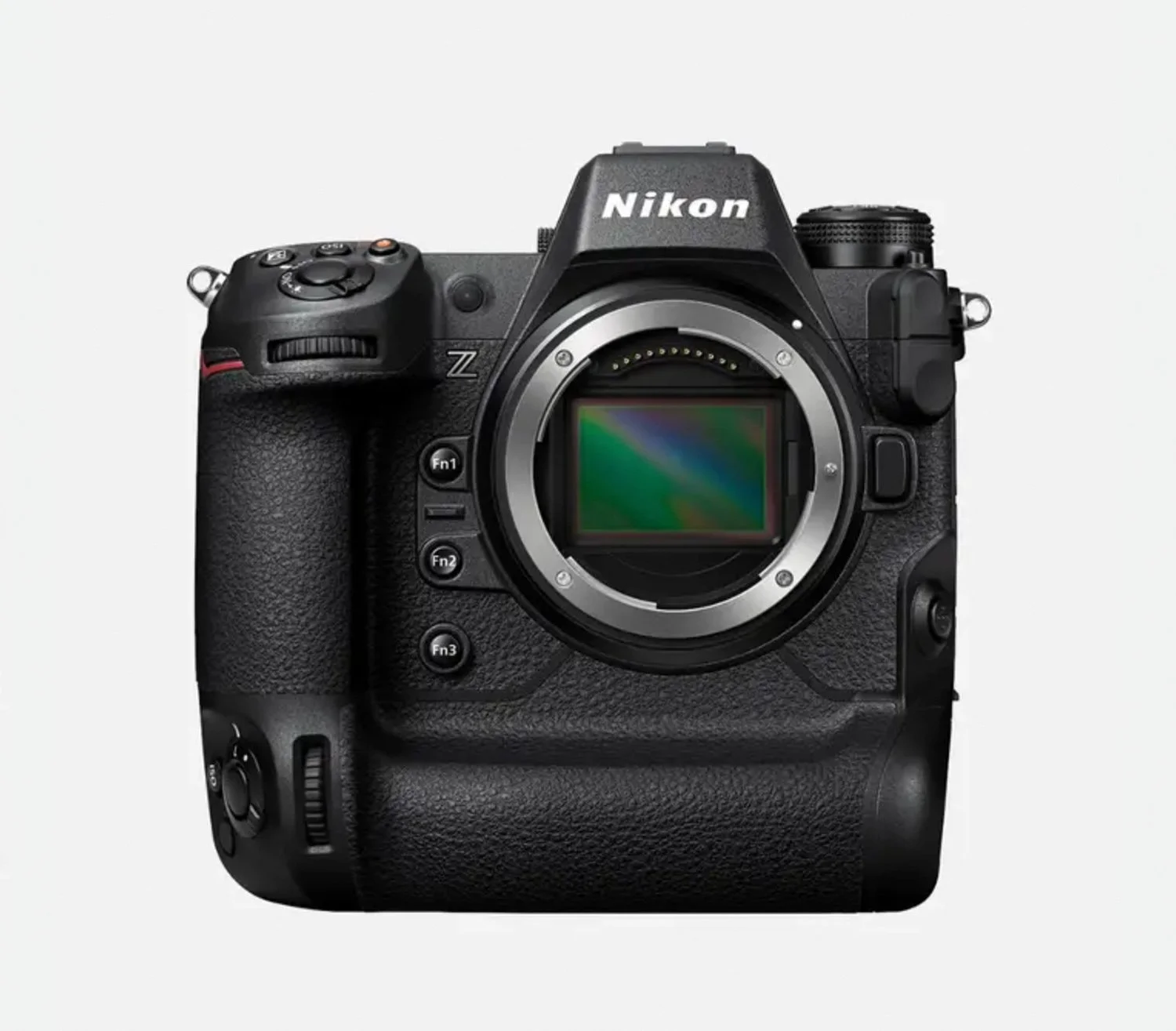
Sensors and cameras
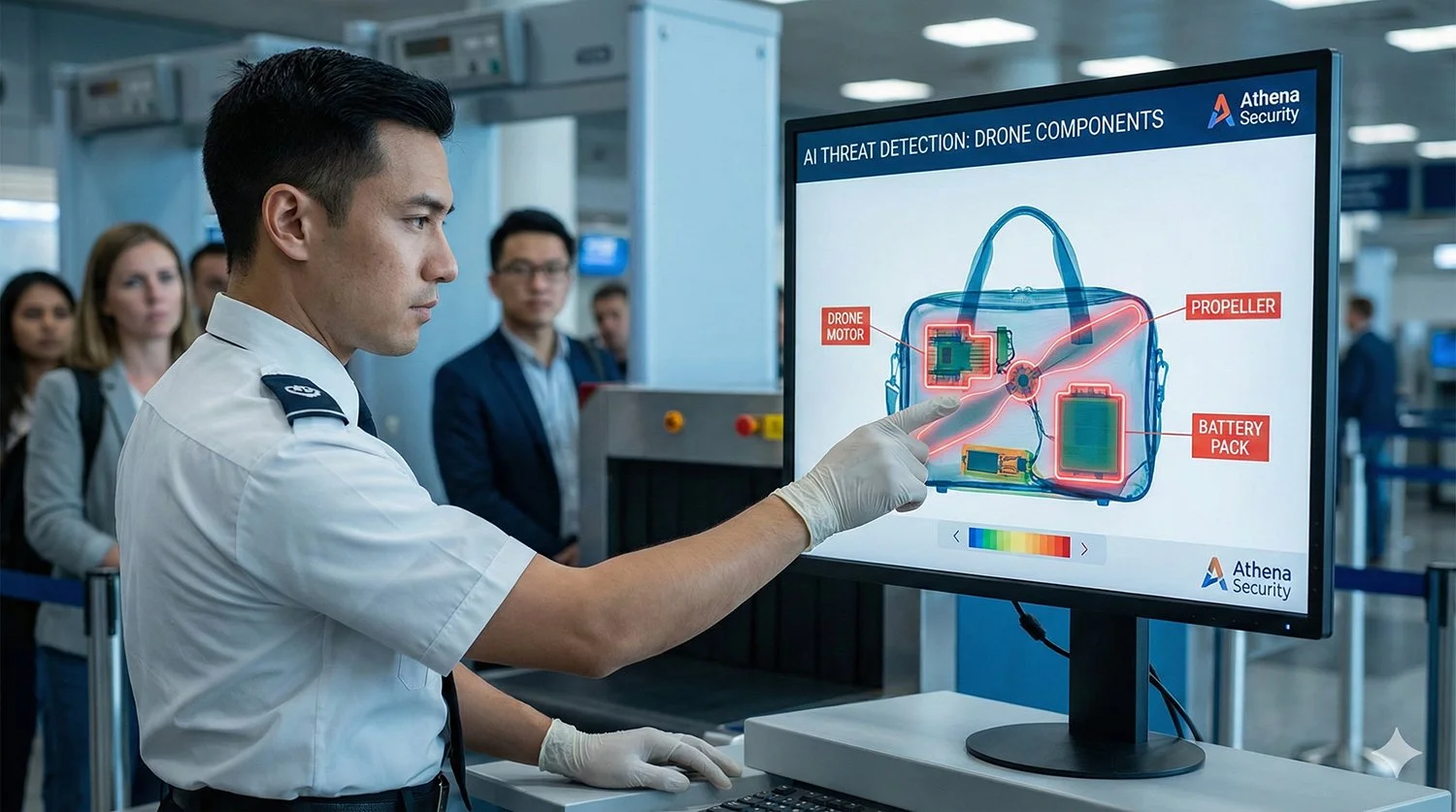
Batteries and battery management systems
Motors



























Why The FCC and National Security Agencies Say This Matters
In the notice, the National Security Determination frames foreign produced UAS as a national security risk, citing concerns including unauthorised surveillance, sensitive data exfiltration, attacks and disruptions, and destructive operations.
The FCC fact sheet also links the decision to upcoming US mass gathering events, naming the 2026 FIFA World Cup, America250 celebrations, and the 2028 LA Summer Olympics as part of the broader risk context.


























Why “Associated Software” Is The Headline Detail
The most important design choice in the FCC definition is that UAS critical components include associated software.
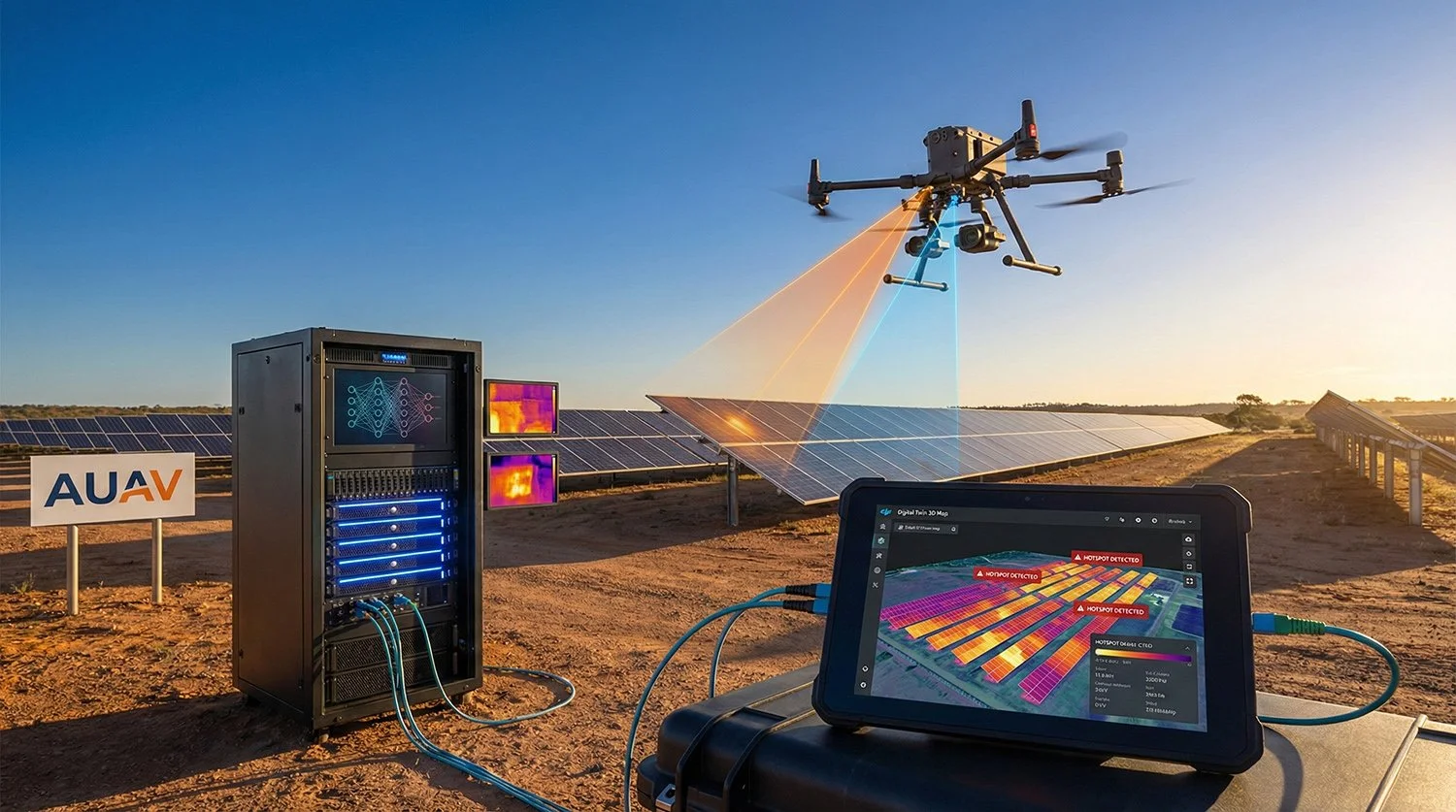
That matters because modern drones are increasingly software defined systems where AI enabled capability often sits across:
onboard and ground based compute that supports detection and tracking
sensor pipelines for video and imaging
navigation support and autonomous behaviours
command links, telemetry, and remote management tooling
The FCC notice also highlights a software control risk: it notes that foreign manufactured UAS can be used to enable remote unauthorised access, or could be disabled through software updates.
In other words, the policy is not only about the airframe. It directly touches the digital stack that enables AI assisted perception and control.

























How The Exception Pathway Is Described
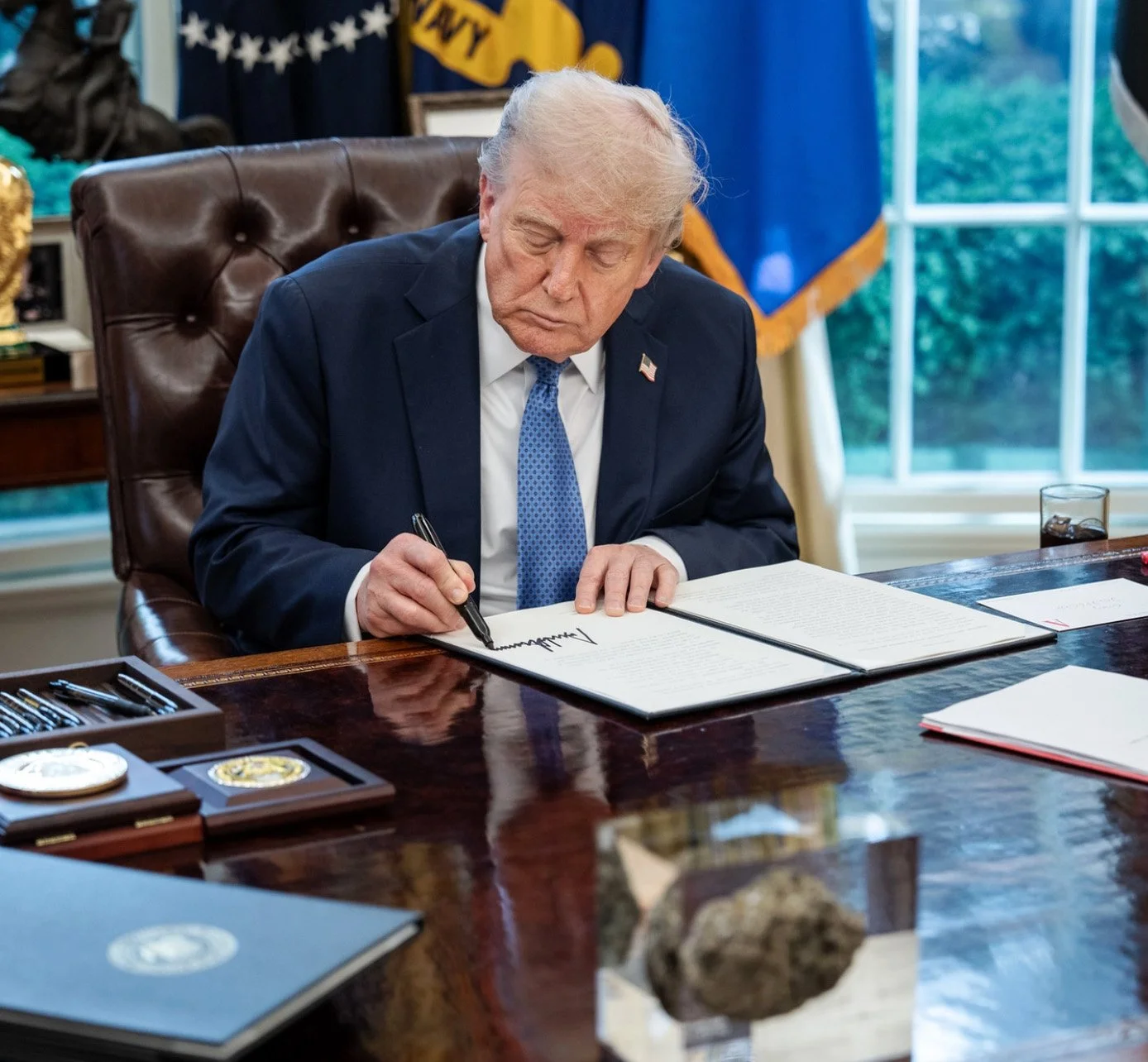
Both the Public Notice and the FCC fact sheet state that the Covered List inclusion applies unless the Department of War or the Department of Homeland Security makes a specific determination to the FCC that a given UAS, class of UAS, or UAS critical component does not pose the unacceptable risks described.






















Broader US Drone Supply Chain Tightening
Reuters has separately reported that in September 2025 the US Commerce Department said it planned to issue rules to restrict, or potentially bar, imports of Chinese drones in a way that could go beyond the FCC action.
Taken together, the direction is consistent: US policy makers are using multiple levers to manage perceived security risks in drone hardware, software, and data flows.






























Defence Procurement Restrictions Versus Market Entry Controls
Reporting has noted that the US Department of Defense had already restricted purchases of DJI drones years earlier.
The FCC action is different in mechanism and scope. It uses the equipment authorisation system to limit what new products can be approved for the broader market, while explicitly stating that previously authorised models and previously purchased drones are not affected by this specific update.




























China’s Response
China’s Commerce Ministry publicly urged the United States to reverse the decision, according to Reuters reporting, and indicated it would take measures to protect the rights and interests of Chinese enterprises.























Why Australians Should Pay Attention
Even though this is a US regulatory decision, it can still influence allied tech markets because supply chains, certification strategies, and product roadmaps often respond to US policy first.
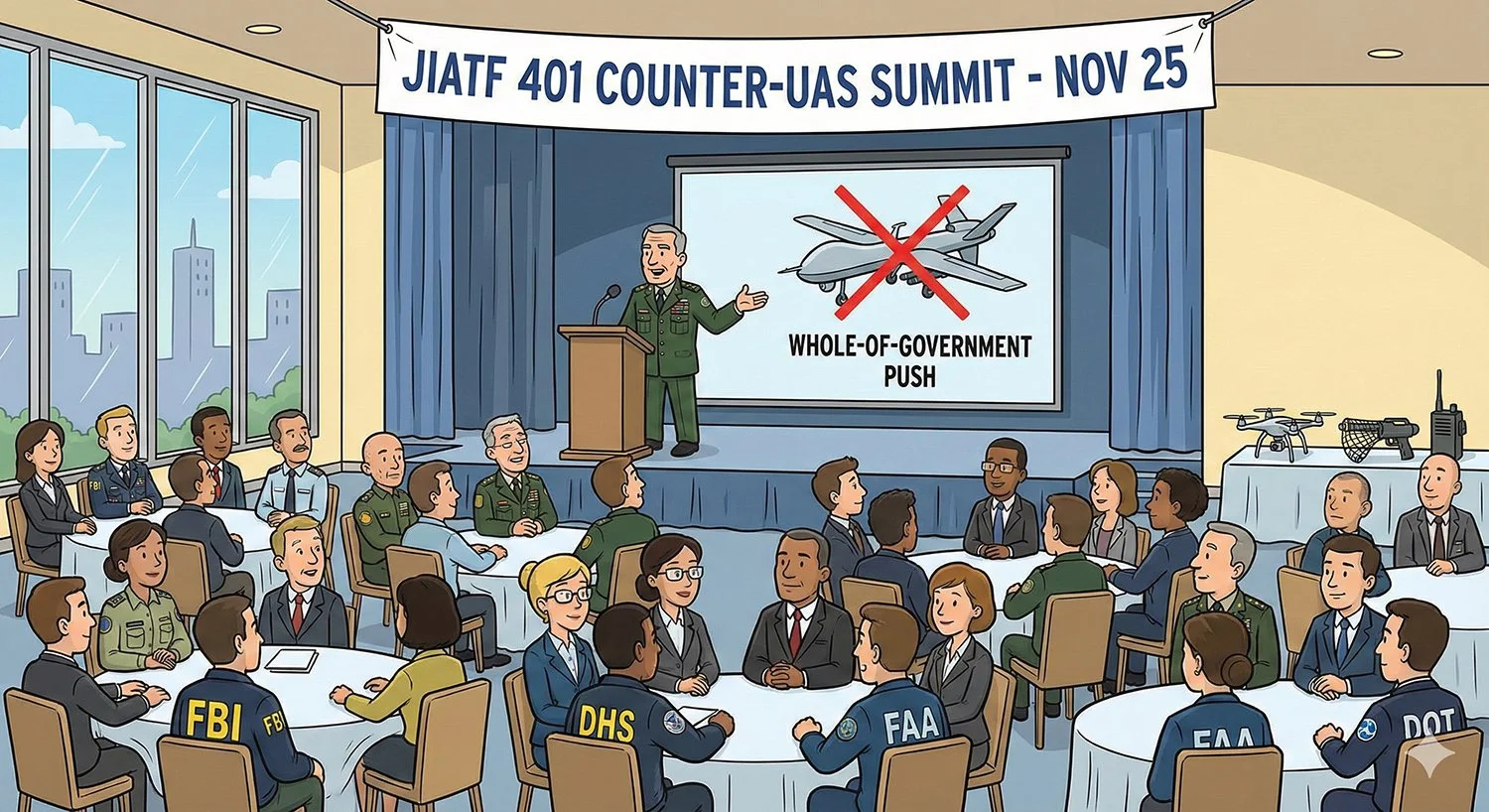
Australia is also treating drones as a fast evolving security issue. On 24 December 2025, Australia’s Defence Department reported that Army personnel and industry specialists tested counter drone measures during Exercise Southern Arrow, including an integrated command and control system linked to multiple sensors and effectors, as part of LAND 156 ICARUS activities.
The common thread is that drones are being treated as software intensive systems where security risk, data handling, and resilience are becoming central design requirements alongside performance.













 TheDayAfterAI News
We are a leading AI-focused digital news platform, combining AI-generated reporting with human editorial oversight. By aggregating and synthesizing the latest developments in AI — spanning innovation, technology, ethics, policy and business — we deliver timely, accurate and thought-provoking content.