
AI Showdown: 6 Chatbots Forecast Trip.com (TCOM) Stock After 17% Crash
Disclaimer: This article is for informational and educational purposes only. The predictions and analyses presented herein were generated by AI systems and should not be construed as financial advice, investment recommendations, or solicitations to buy or sell any securities. Stock prices are inherently unpredictable, and all investments carry risk of loss. Past performance does not guarantee future results. Readers should consult qualified financial advisors before making any investment decisions. TheDayAfterAI News and its contributors do not accept liability for any losses arising from reliance on this content.
In a groundbreaking experiment, TheDayAfterAI News tasked six leading AI chatbots with analysing and forecasting the stock price of Trip.com Group Limited (NASDAQ: TCOM) for the five trading days from January 15–22, 2026. This analysis comes at a critical juncture: on January 14, 2026, TCOM suffered a devastating 17% single-day crash following China's State Administration for Market Regulation (SAMR) announcement of an antitrust investigation into the company's alleged monopolistic practices.
The results reveal fascinating divergences in how different AI models interpret identical market conditions, technical indicators, and regulatory risk. While all six chatbots agree on the fundamental challenge facing TCOM, their price predictions and directional biases vary significantly, offering valuable insights into the current state of AI-powered financial analysis.












The Catalyst: SAMR Antitrust Investigation
On January 14, 2026, China's SAMR launched a formal antitrust investigation into Trip.com Group, alleging abuse of dominant market position. The probe focuses on accusations including forcing merchants into exclusive platform agreements, algorithmic price discrimination (known locally as 'big data killing'), and imposing unfair commission rates on hoteliers.
Under China's Anti-Monopoly Law, confirmed violations carry fines of 1–10% of prior-year revenue. For Trip.com, with estimated 2025 revenue of approximately US$7–8 billion, this translates to potential fines ranging from $70 million to $840 million. Historical precedent from Alibaba's 2021 antitrust settlement (4% of revenue) suggests mid-range penalties are most likely.




















The Six Contestants
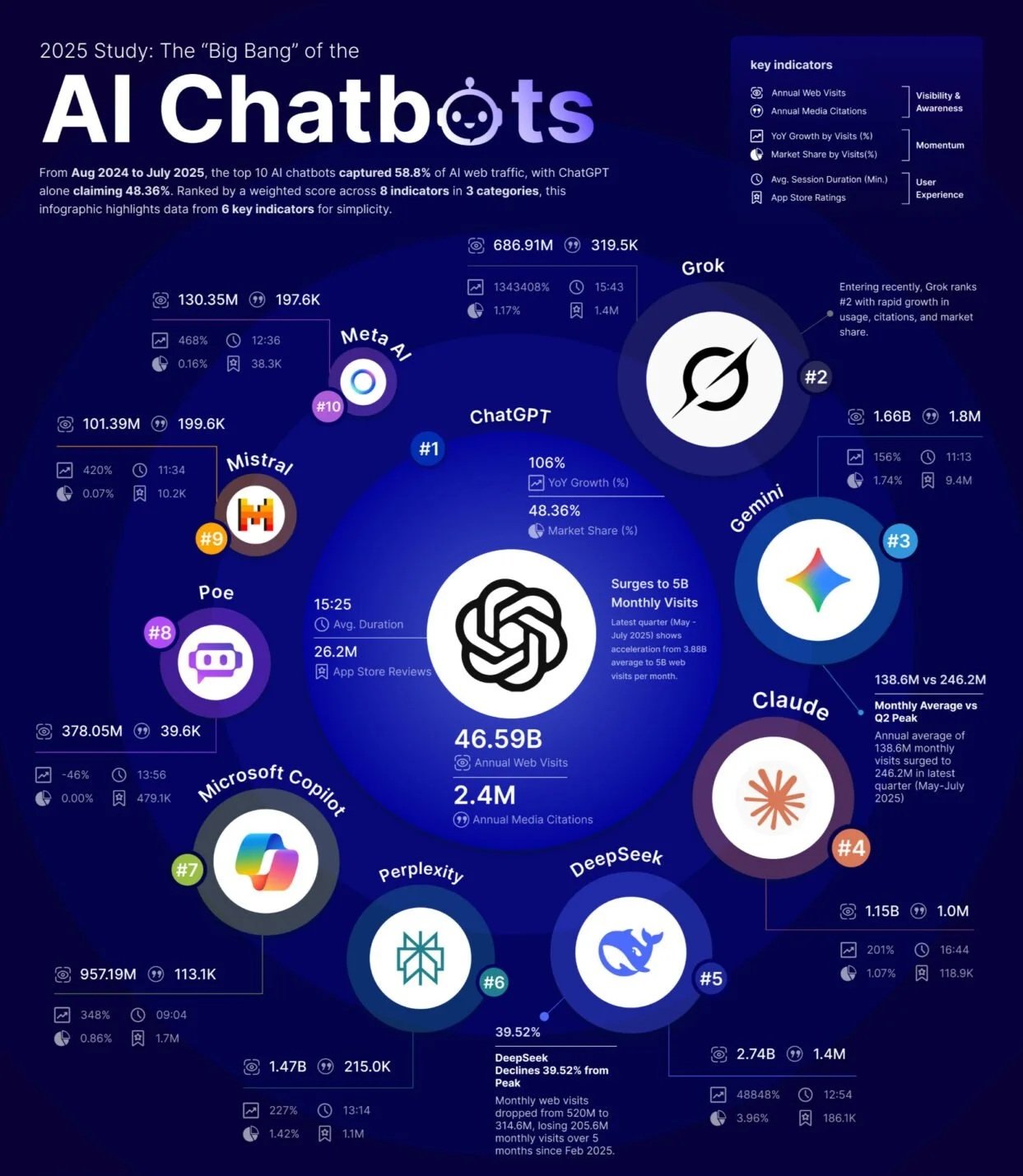
We deployed six of the most capable AI chatbots currently available to analyse TCOM's stock prospects:
Claude: Anthropic's flagship AI assistant
Gemini: Google's advanced multimodal AI model
ChatGPT: OpenAI's widely-used conversational AI
Copilot: Microsoft's AI assistant powered by GPT technology
Perplexity: AI-powered answer engine with real-time search capabilities
Grok: xAI's AI assistant with real-time information access

























Prediction Summary: The Numbers
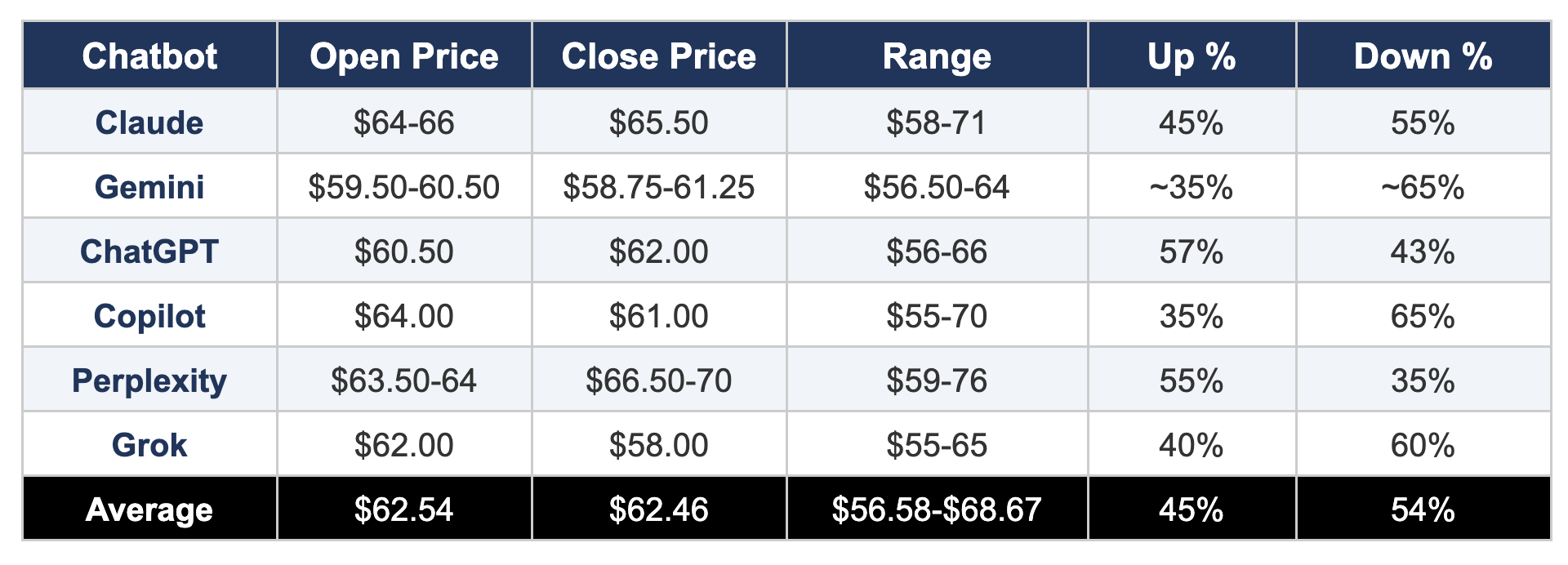
The following table summarises the key predictions from each AI chatbot:


















Individual Chatbot Analysis
Claude (Anthropic)
Claude provided a balanced analysis emphasising the tension between deeply oversold technical conditions and the regulatory overhang. The analysis highlighted that TCOM's RSI collapsed to 21.93 (9-day) and the raw stochastic hit 0% — the maximum oversold reading possible. Claude projected a base case of $65.50 closing price, essentially flat to slightly higher, with a 55% probability of decline. The analysis uniquely emphasised the importance of the 200-day moving average at $66.55 as a critical resistance level.
Gemini (Google)
Gemini delivered the most detailed and bearish assessment, rating TCOM as 'UNDERPERFORM / HIGH VOLATILITY'. The analysis provided day-by-day price forecasts and introduced the concept of 'gamma pinning' around the $60 options strike for the January 16 expiration. Gemini's analysis emphasised that the stock has transitioned from an 'investment' to a 'trade' driven by event risk.
ChatGPT (OpenAI)
ChatGPT took a moderately optimistic stance, assigning a 57% probability of price increase. The analysis focused on post-shock mean reversion and noted that capitulation volume often produces partial retracement unless follow-up headlines escalate. ChatGPT provided the most concise analysis and emphasised that price action will be highly sensitive to any new SAMR announcements regarding fine sizes or business restrictions.
Copilot (Microsoft)
Copilot presented a bearish outlook with 65% probability of decline, citing the immediate catalyst of the regulatory probe as the dominant factor. The analysis recommended protective strategies for long positions and cautioned that elevated implied volatility makes shorting into the initial panic risky. Copilot provided specific trading recommendations including setting stops near $58–60.
Perplexity
Perplexity delivered the most bullish forecast with a closing price prediction of $66.50–70.00 and 55% probability of increase. The analysis was the most comprehensive, spanning 22 pages with 72 citations. Perplexity uniquely emphasised the 'wall of worry' opportunity and argued that current prices likely overprice regulatory risk by 1–3 percentage points of revenue based on historical precedents.
Grok (xAI)
Grok provided the most bearish closing price prediction at $58.00, assigning 60% probability to a price decline. The analysis highlighted geopolitical risks including US-China tensions and noted that TCOM's probe revives memories of past Beijing tech crackdowns. Grok uniquely incorporated social media sentiment analysis, noting bearish sentiment on X following the probe fallout.


























Key Themes Across All Analyses
Points of Agreement
1. Extreme Oversold Conditions: All chatbots identified deeply oversold technical indicators (RSI below 30, stochastic at or near 0%), suggesting potential for a technical bounce.
2. Regulatory Uncertainty as Primary Driver: Every analysis placed the SAMR investigation as the dominant factor determining near-term price action.
3. Options Expiration Risk: Multiple chatbots flagged the January 16 monthly options expiration as a volatility catalyst, with significant open interest around the $60–65 strikes.
4. Strong Underlying Fundamentals: All analyses acknowledged Trip.com's robust operational performance (16% YoY revenue growth, strong Q3 2025 earnings beat) and the travel sector's continued recovery.
5. Analyst Support: All chatbots noted the unanimous 'Buy' consensus from Wall Street analysts with price targets ranging from $80–90.
Points of Divergence
1. Direction Probability: Predictions ranged from 35% (Copilot) to 57% (ChatGPT) probability of price increase.
2. Price Range Estimates: Low estimates ranged from $55 (Grok, Copilot) to $59 (Perplexity); high estimates from $64 (Gemini) to $76 (Perplexity).
3. Recovery Potential: Perplexity projected a potential 5–10% recovery, while Grok forecast a further 6% decline.






















What This Experiment Reveals About AI Financial Analysis
This comparative analysis reveals several important insights about the current state of AI-powered financial forecasting:
1. Depth Varies Significantly: Perplexity produced a 22-page analysis with 72 citations, while ChatGPT delivered a concise 3-page summary. Both approaches have merit depending on user needs.
2. Same Data, Different Conclusions: Despite access to similar market data and news, the chatbots reached different directional conclusions, highlighting that even AI models apply subjective weighting to various factors.
3. Specialised Features Matter: Chatbots with real-time search capabilities (Perplexity, Grok) provided more current data points, while others relied more heavily on fundamental analysis frameworks.
4. Risk Assessment Consistency: All chatbots appropriately identified this as a high-risk scenario with elevated uncertainty — demonstrating responsible analysis even when predictions diverged.
For the complete breakdown — including day-by-day price targets, specific option strikes to watch, and detailed institutional flow analysis — please refer to the Full Report.

















License This Article






 TheDayAfterAI News
We are a leading AI-focused digital news platform, combining AI-generated reporting with human editorial oversight. By aggregating and synthesizing the latest developments in AI — spanning innovation, technology, ethics, policy and business — we deliver timely, accurate and thought-provoking content.