
GitHub Reaches 150M Developers as AI Tools Redefine Software Collaboration
Image Credit: Rubaitul Azad | Splash
GitHub, the web-based platform for version control and collaborative coding, has become a pivotal force in AI-augmented software development, with over 150 million developers and more than 420 million repositories as of 2025.






























Platform Overview and Core Functions
GitHub serves as a developer platform that allows users to host, manage and collaborate on code using Git, the distributed version control system created by Linus Torvalds in 2005. It offers features such as pull requests for proposing changes, issue tracking for managing tasks and bugs, and code reviews for peer feedback. Distinct from the command-line Git tool, GitHub provides cloud hosting, social features for developers and integrations with CI/CD tools to automate testing and deployment. Users can maintain public or private repositories, with free access to unlimited collaborators introduced in April 2020. Supplementary tools include GitHub Pages for hosting static sites, GitHub Actions for workflow automation and GitHub Marketplace for extending functionality with third-party apps. This setup has facilitated widespread adoption, enabling seamless collaboration in distributed work environments.






















Historical Background and Growth
GitHub was founded on April 10, 2008, in San Francisco by Tom Preston-Werner, Chris Wanstrath, P.J. Hyett and Scott Chacon under Logical Awesome LLC, aiming to provide an accessible interface for Git to ease open-source contributions. Early expansion was swift: by 2009, it hosted over 46,000 public repositories; by 2013, user numbers exceeded 3 million with more than 5 million repositories. Microsoft acquired GitHub on October 26, 2018, for US$7.5 billion, integrating it with services like Azure while preserving operational independence to support enterprise growth. Leadership evolved with Nat Friedman serving as CEO from 2018 to 2021, succeeded by Thomas Dohmke, who announced his departure on August 11, 2025, to pursue startup ventures, coinciding with GitHub's integration into Microsoft's CoreAI division. This progression underscores GitHub's transformation from a specialized tool to a cornerstone of global software collaboration, fueled by the surge in remote teams and open-source initiatives.


















AI Integration and Developer Impact
Central to GitHub's current influence is GitHub Copilot, an AI-powered coding assistant launched in technical preview in June 2021 and initially driven by OpenAI's Codex model. Copilot generates code suggestions, functions and complete segments in real time within IDEs such as Visual Studio Code, aiding developers in focusing on core logic over boilerplate. Studies show it boosts task completion speed by up to 55 percent, reduces cognitive load and improves job fulfillment, drawing from surveys of over 2,000 developers. In open-source ecosystems, it streamlines routine work but prompts discussions on code reliability and intellectual property, given its training on public data. Enterprise deployments have yielded a 10.6 percent rise in pull requests and shortened cycle times by 3.5 hours, per case analyses. Security enhancements via Copilot Autofix address vulnerabilities across 90 percent of alert categories in key languages. These advancements respond to industry pressures like skill gaps and project intricacy, positioning AI as a complement to human expertise.




























Development Trajectory and Economic Implications
GitHub's ecosystem has seen robust activity, with the Octoverse 2024 report noting significant contributions across public and open-source projects, emphasizing Python's rise and AI's role. Strategic acquisitions, including npm in March 2020 for JavaScript package management and Semmle in September 2019 for code analysis, have bolstered its capabilities in diverse domains like AI model hosting. It hosts repositories for generative AI tools, supporting worldwide research collaboration. Economically, organizations report accelerated development and reduced costs, though benefits depend on team dynamics. Hurdles encompass past incidents like the 2015 DDoS attack and ongoing ethical concerns over AI data usage, leading to opt-out mechanisms for training.



















Future Trends in AI-Native Development
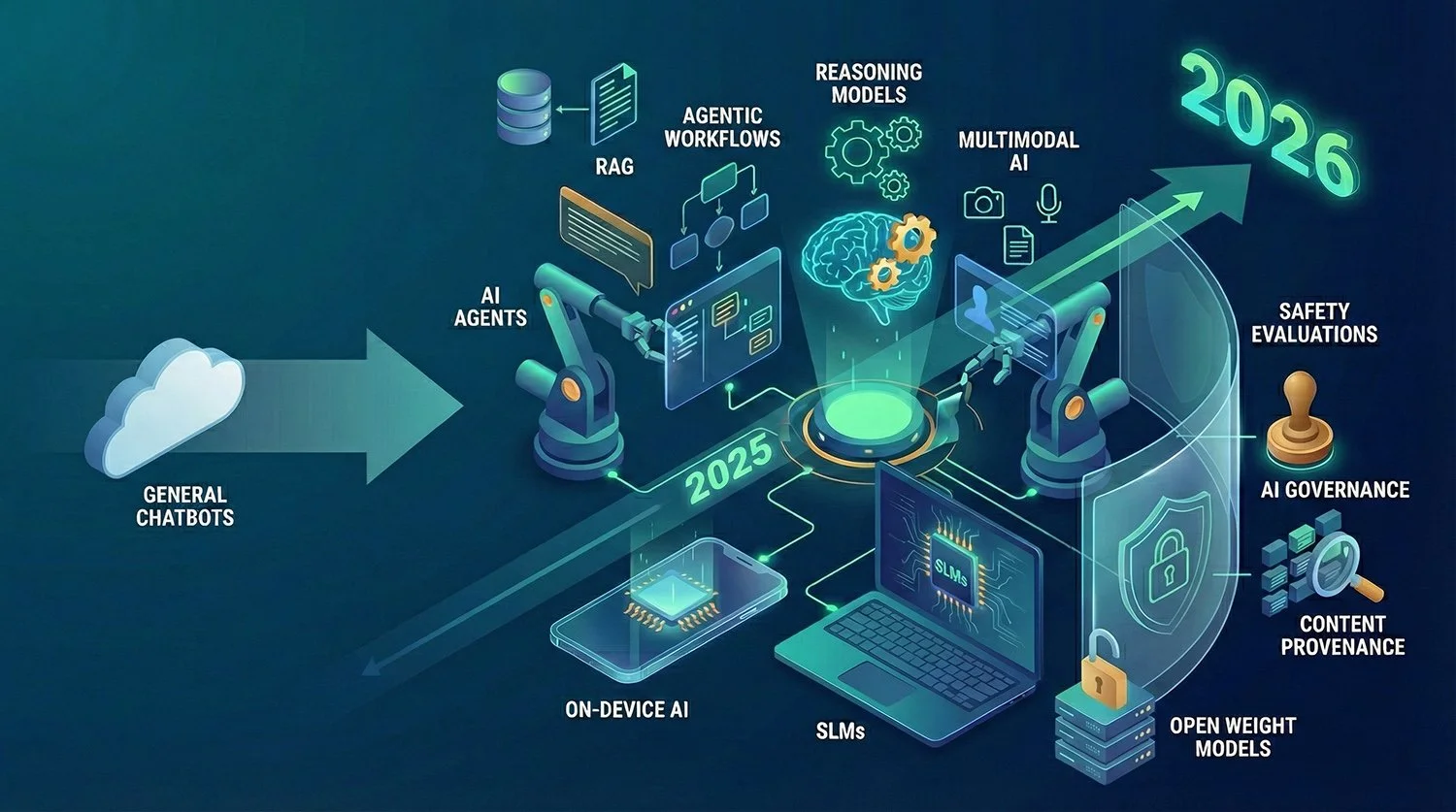
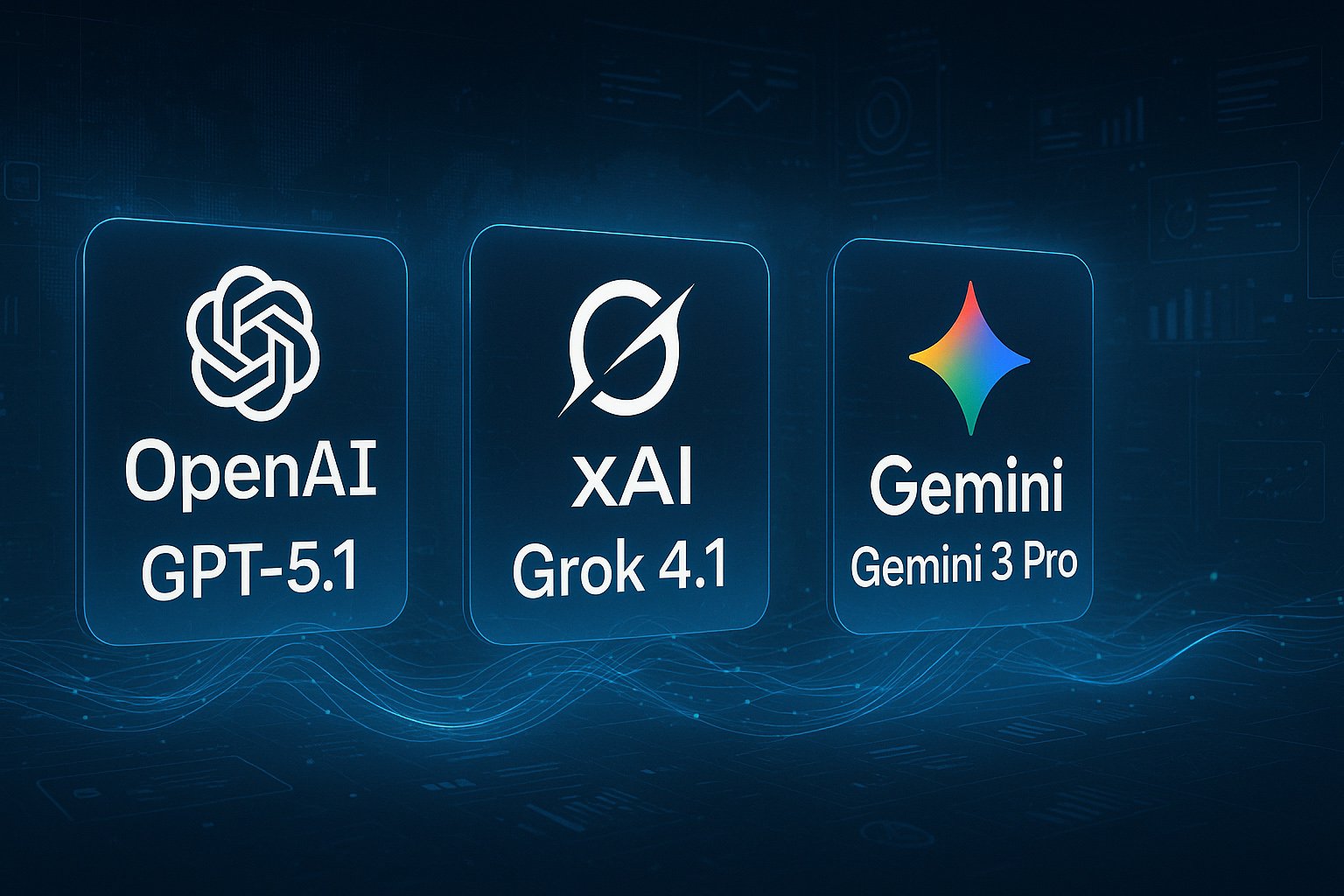
GitHub is advancing AI-centric workflows, introducing multi-model options in Copilot for user-selected large language models and GitHub Spark for quick application prototyping. At GitHub Universe 2024 in October, keynotes highlighted agentic AI for end-to-end automation in software cycles, including planning and testing. Emerging patterns involve multi-agent frameworks and automated maintenance, integrated with services like AWS Bedrock. Observers note deepening Microsoft synergies may spur AI progress but invite regulatory review in a generative tools landscape. Overall, these developments aim to broaden AI access for smaller entities while mitigating issues like suggestion biases to foster reliable collaboration.

























Source: Britannica, Github, CoinLaw, Crunchbase, Wikipedia, Harness, Medium, Forbes, Microsoft Azure, GeekWire















 TheDayAfterAI News
We are a leading AI-focused digital news platform, combining AI-generated reporting with human editorial oversight. By aggregating and synthesizing the latest developments in AI — spanning innovation, technology, ethics, policy and business — we deliver timely, accurate and thought-provoking content.