
AI Art Goes Multisensory: From US$57.5B Market Shifts to 40% Collector Interest in 2024

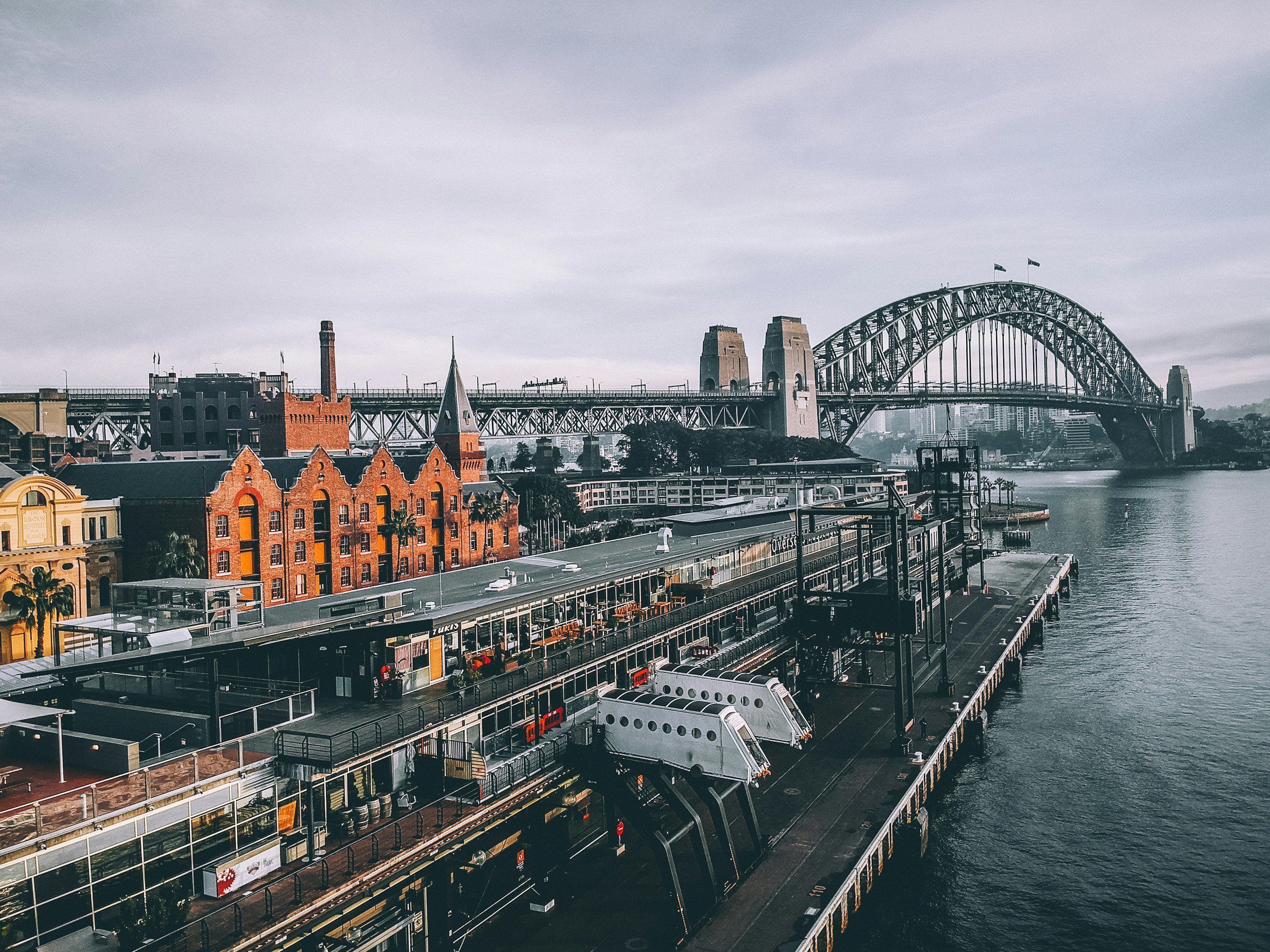
Image Credit: Susan Wilkinson | Splash
Artificial intelligence continues to integrate visual art with sound and interactive features, creating immersive experiences that extend beyond static images and challenge traditional artistic formats.








Historical Context of AI in Artistic Development
Artificial intelligence's entry into visual arts began in the early 2010s with machine learning algorithms processing large datasets to generate images. Generative adversarial networks, introduced in 2014, enabled AI to produce realistic visuals by pitting two neural networks against each other. Diffusion models, proposed in 2015 and refined in the early 2020s, further advanced this by iteratively denoising random inputs to create detailed outputs, surpassing GANs in quality by around 2022.
This evolution addressed the constraints of sight-only mediums like paintings and photos, promoting interactivity to engage diverse audiences. Turkish-American artist Refik Anadol, born in 1985, has been a key figure since founding his Los Angeles-based studio in 2014 with Efsun Erkiliç. The studio features a globally diverse team from about 10 countries, including data scientists, architects, visual designers and AI engineers. Anadol's influences include early cinematic depictions of technology, such as the 1982 film "Blade Runner," which aligns with his interest in machines as creative collaborators.
Japanese collective teamLab, formed in 2001 by Toshiyuki Inoko and others, pioneered interactive digital art in the mid-2010s. Comprising artists, programmers, engineers, mathematicians and architects, teamLab's works merge technology with natural elements, using projections and sensors for responsive environments exhibited worldwide since 2011.
Ethical debates on data sourcing and authorship have guided progress, with Anadol's team emphasizing public, non-personal datasets to minimize biases. U.S. litigation over AI training is ongoing; courts have allowed some copyright claims to proceed while dismissing others, with no final ruling that training on copyrighted images is inherently infringing.










Recent Multisensory AI Art Projects
Refik Anadol's "Dvořák Dreams," displayed at the John F. Kennedy Center for the Performing Arts in Washington, D.C., from September 4 to 24, 2024, featured a 32-by-32-foot AI-generated data sculpture derived from Czech composer Antonín Dvořák's musical archives. The installation projected evolving visuals synchronized with the composer's scores, highlighting AI's role in reinterpreting historical data.
In November 2024, Anadol's "Earth Dreams" opened as a permanent exhibit at Dubai's Museum of the Future, unveiled by Sheikh Hamdan bin Mohammed. This exhibit uses AI to process satellite and climate data into immersive visuals depicting natural rhythms, blending human memory with machine-generated landscapes across multiple rooms.
teamLab's 2024 projects include the relaunched Borderless museum at Tokyo's Azabudai Hills, opened February 9, featuring over 50 interactive artworks with dynamic lights and sounds responding to visitor movements. In Jeddah, the Borderless venue, launched June 2024, incorporates blooming digital flora and fire simulations triggered by proximity sensors. teamLab employs motion tracking and sensors to personalize interactions, adjusting elements based on group dynamics. Their Abu Dhabi Phenomena project, 70 percent complete by early 2024, is set for April 2025 opening with multi-sensory spaces including wind and water effects.
For accessibility, prototypes like AltCanvas, introduced in 2024, use generative AI in a tile-based interface to enable blind or visually impaired users to construct and experience visual scenes through audio feedback and haptic descriptions, facilitating art creation and appreciation without relying on visual input.








Effects on Artistic Practices and Accessibility
AI's multisensory approaches are redefining static art, as seen in Anadol's "Living Architecture: Casa Batlló" from May 2022, which projected AI visuals onto Barcelona's UNESCO site using real-time environmental data. The projection drew nearly 50,000 attendees, and it was released in NFT format for ongoing digital access.
Broader impacts include enhanced inclusivity; prototypes like AltCanvas and general multi-sensory designs in museums aid disabled visitors through audio and haptic feedback. The global art market totaled $57.5 billion in 2024, down 12 percent from 2023 per the Art Basel and UBS report, with AI-generated works gaining traction among younger collectors — 40 percent anticipate increased purchases, according to Hiscox's 2024 survey.















Emerging Directions and Hurdles
Anadol's Dataland, the first museum dedicated to AI arts, is scheduled to open in late 2025 at The Grand LA development in downtown Los Angeles, featuring evolving exhibits based on visitor interactions and large nature models.
The EU AI Act, which entered into force on August 1, 2024, introduces transparency duties for AI-generated and deepfake content and regulates high-risk uses; some artistic applications may trigger these transparency rules.
Ongoing challenges encompass authorship — a March 2025 U.S. appellate decision in Thaler v. Perlmutter reaffirmed the requirement for human authorship in copyrights, consistent with U.S. Copyright Office guidance emphasizing substantial human input — and computational demands, with model training equating to significant energy use. Commentary from experts at the Interaction Design Foundation suggests AI will augment human creativity, contingent on integrating AI education in curricula to sustain ethical advancements in art.


















 TheDayAfterAI News
We are a leading AI-focused digital news platform, combining AI-generated reporting with human editorial oversight. By aggregating and synthesizing the latest developments in AI — spanning innovation, technology, ethics, policy and business — we deliver timely, accurate and thought-provoking content.