
Ten AI Terms That Shaped 2025 — What to Watch in 2026?
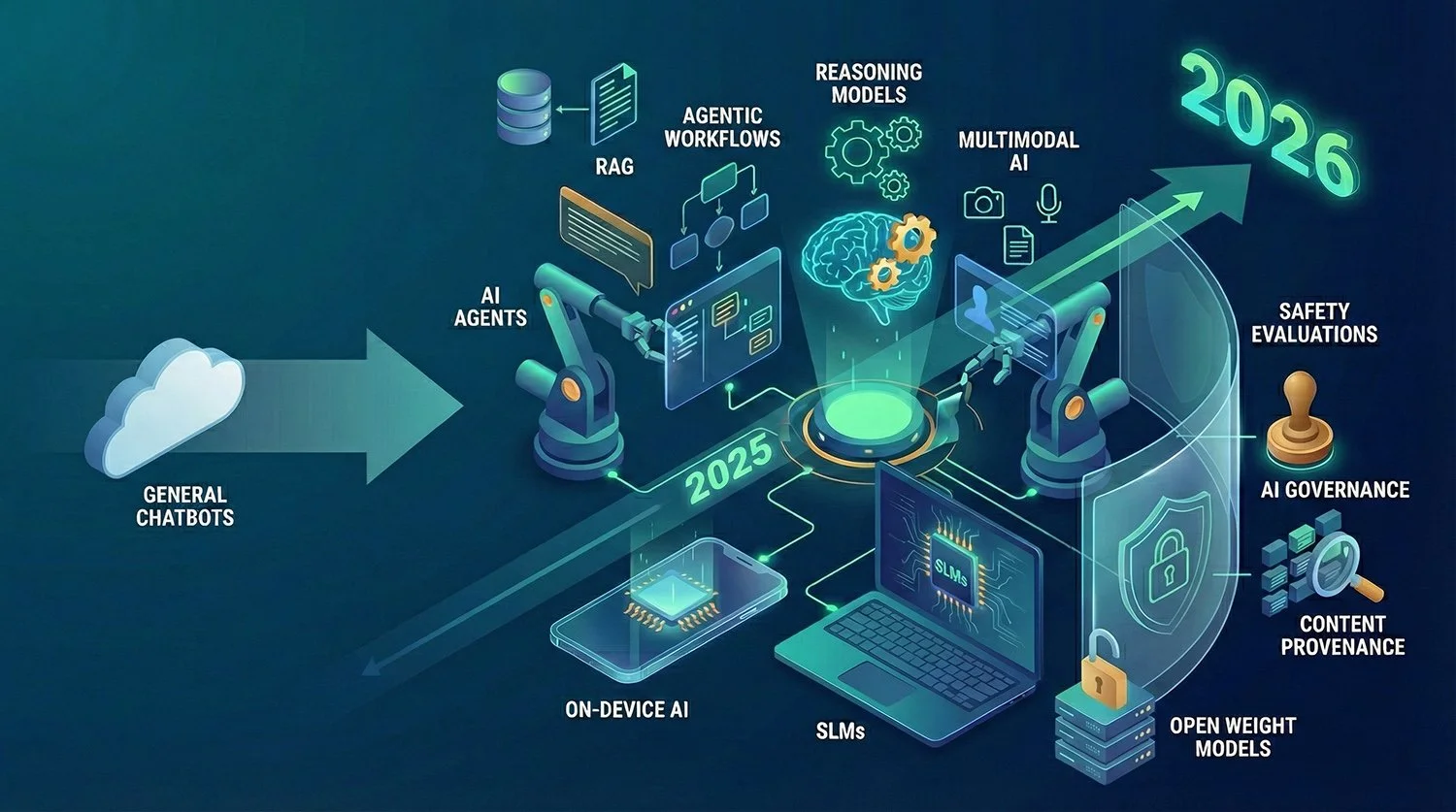
Image Credit: Jacky Lee
In 2025, the AI conversation moved away from general chatbots and toward systems that can take actions, work across text and media, run locally on consumer devices, and operate under clearer safety and compliance expectations. The ten keywords below kept appearing in vendor launches, enterprise rollouts, and government guidance because they describe the practical problems teams were trying to solve: reliability, cost, speed, trust, and governance.












1. AI Agents
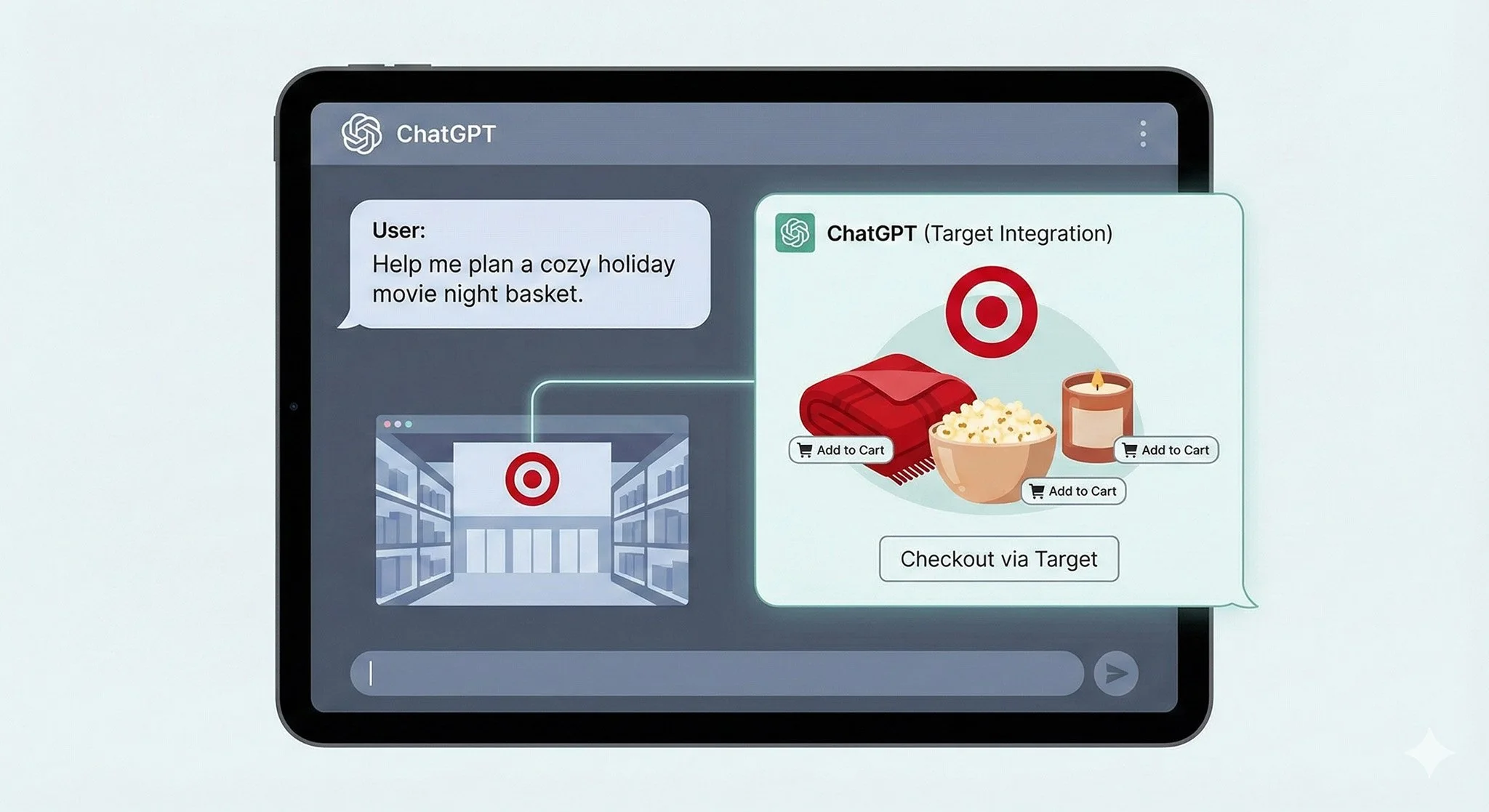
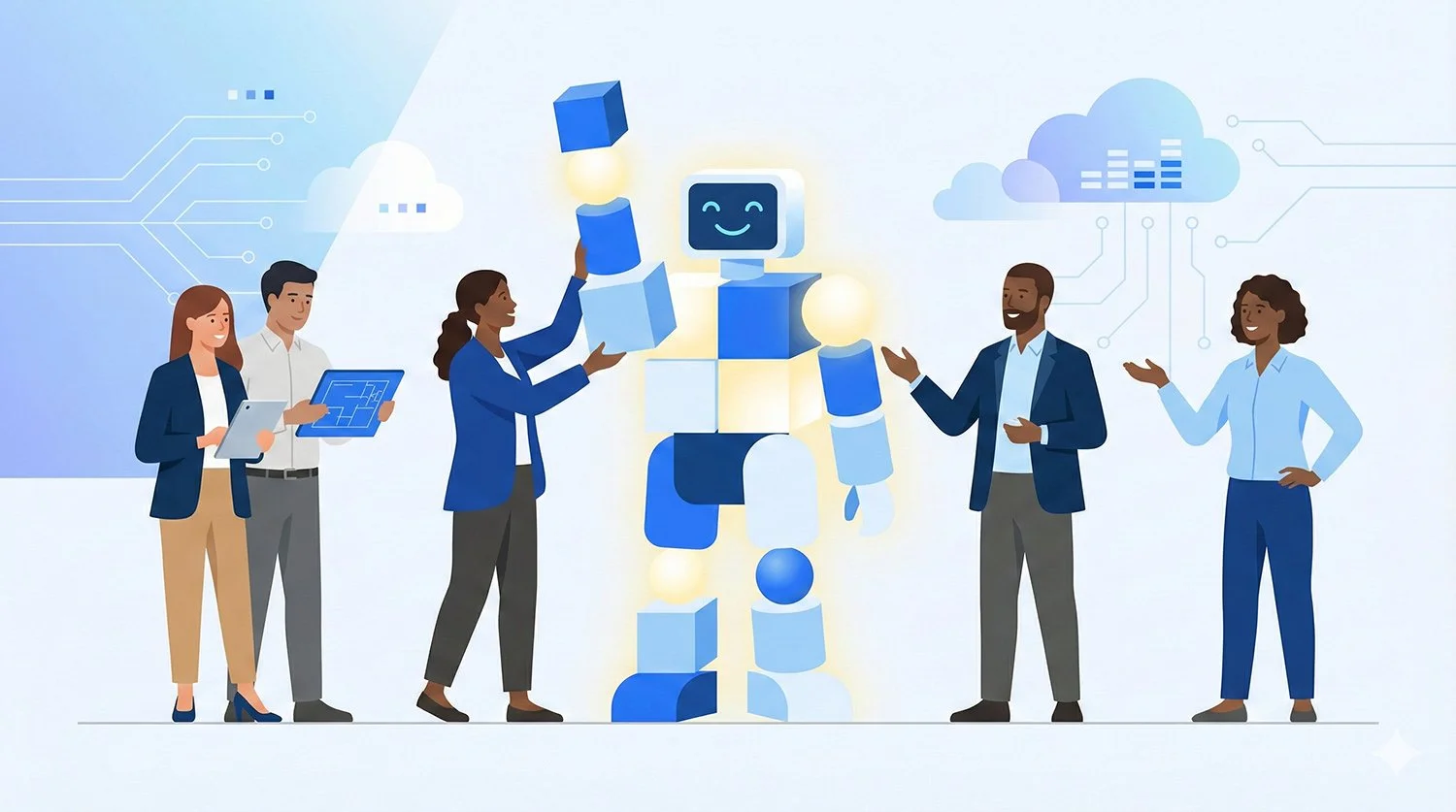
“AI agents” became the shorthand for systems that do more than answer questions. The idea is an AI that can plan and then act, such as booking, scheduling, drafting, coding, or running a workflow using tools and permissions. Reuters, reporting from the Reuters NEXT conference in New York, flagged “autonomous agents” as a major 2025 theme based on interviews with executives and researchers.
Why it mattered: once AI starts taking actions, product design shifts from chat quality to access control, logging, approvals, and measurable outcomes.










2. Agentic Workflows
In practice, most organisations did not jump straight to full autonomy. They moved to “agentic workflows”, meaning partial automation with guardrails, human checks, and limited tool access. McKinsey’s 2025 State of AI report describes growing proliferation of agentic AI, while also noting that many deployments are still moving from pilots to scaled impact and that strong governance and validation processes correlate with better outcomes.
Why it mattered: the key question changed from “can it do this?” to “when do we require human validation, and how do we stop it doing the wrong thing quickly?”






















3. Reasoning Models
“Reasoning” became a product category rather than a research term. Vendors increasingly marketed models around deeper problem solving, especially for code and complex tasks.
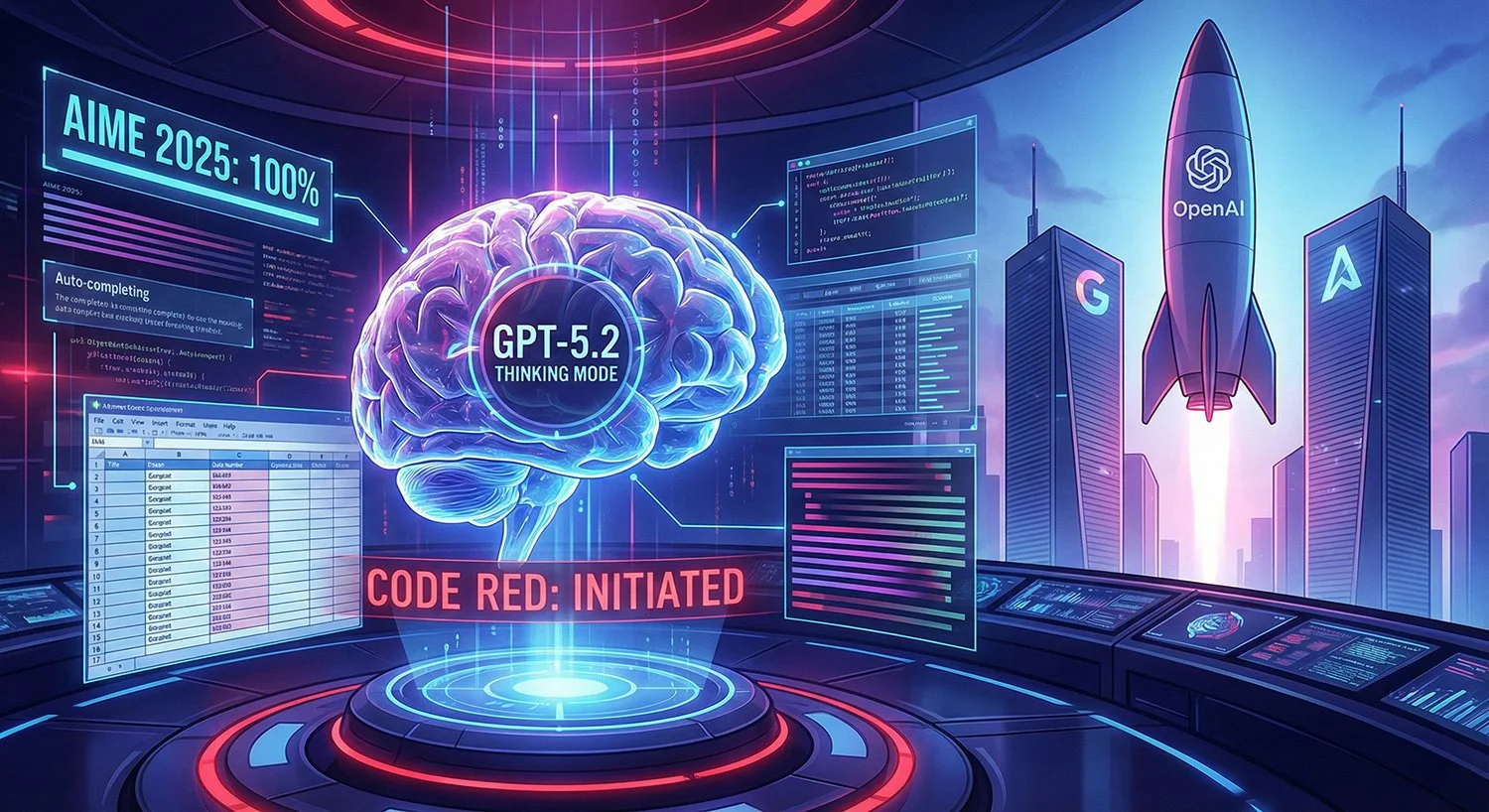
OpenAI launched o3 and o4 mini on 16 April 2025, positioning them as reasoning models.
Anthropic announced Claude 3.7 Sonnet on 24 February 2025 and described it as a hybrid reasoning model, with an agentic coding tool preview called Claude Code.
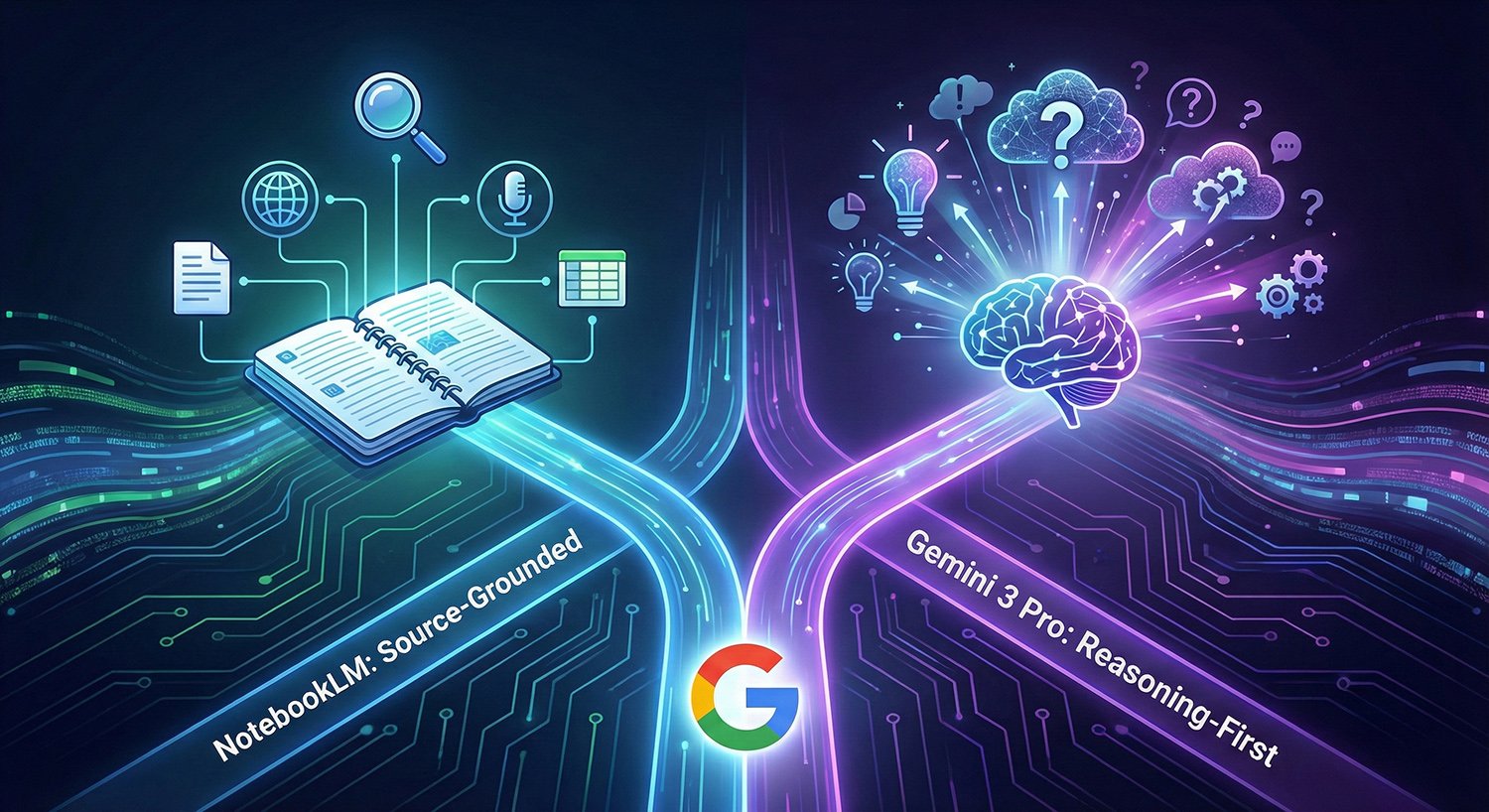
Google announced Gemini 2.5 Pro Experimental on 25 March 2025 and positioned Gemini 2.5 as a “thinking” model family.
Why it mattered: buyers began comparing not just output quality, but also cost, latency, and how much “thinking time” a task is worth.


























4. Multimodal AI
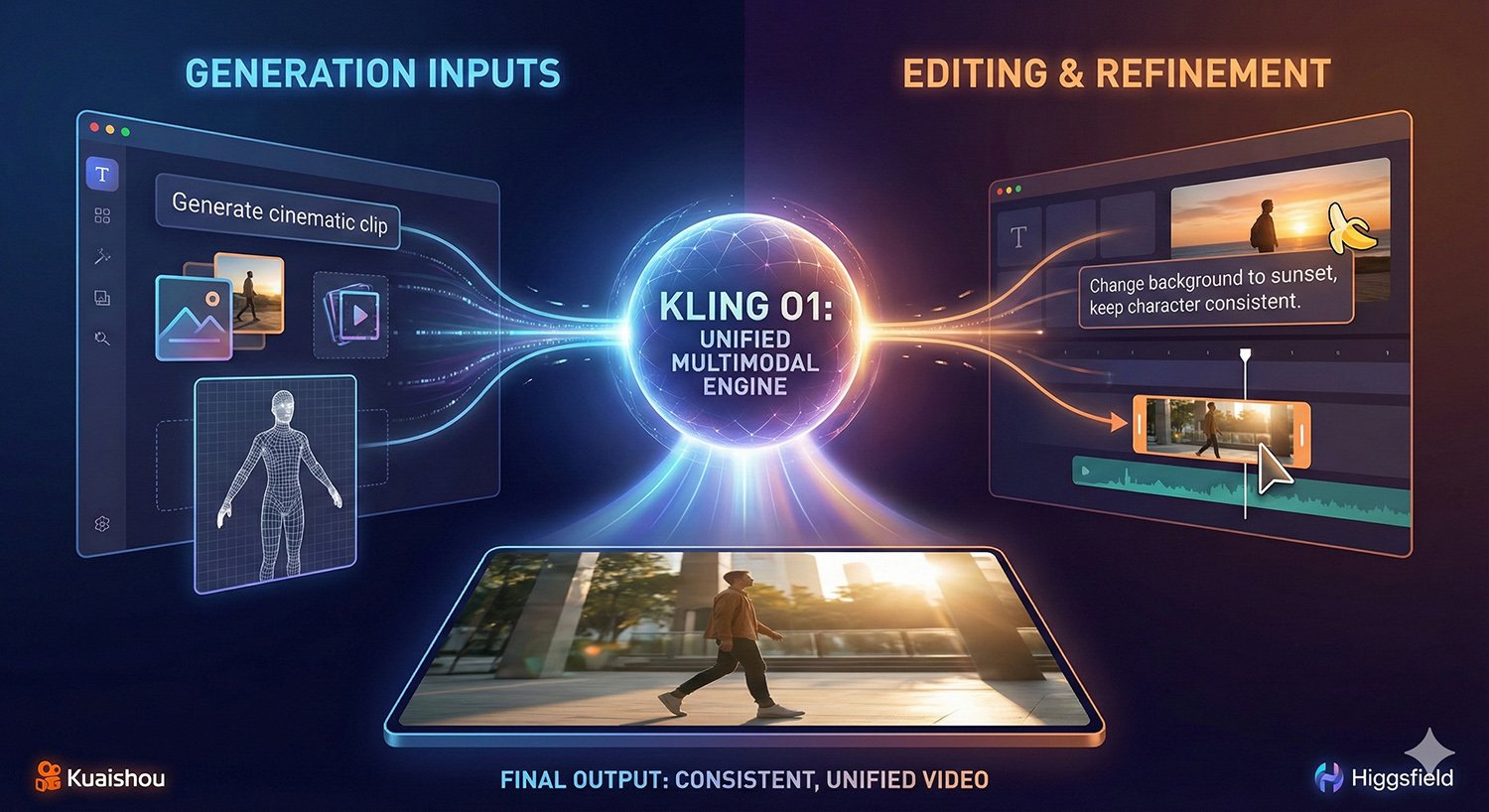
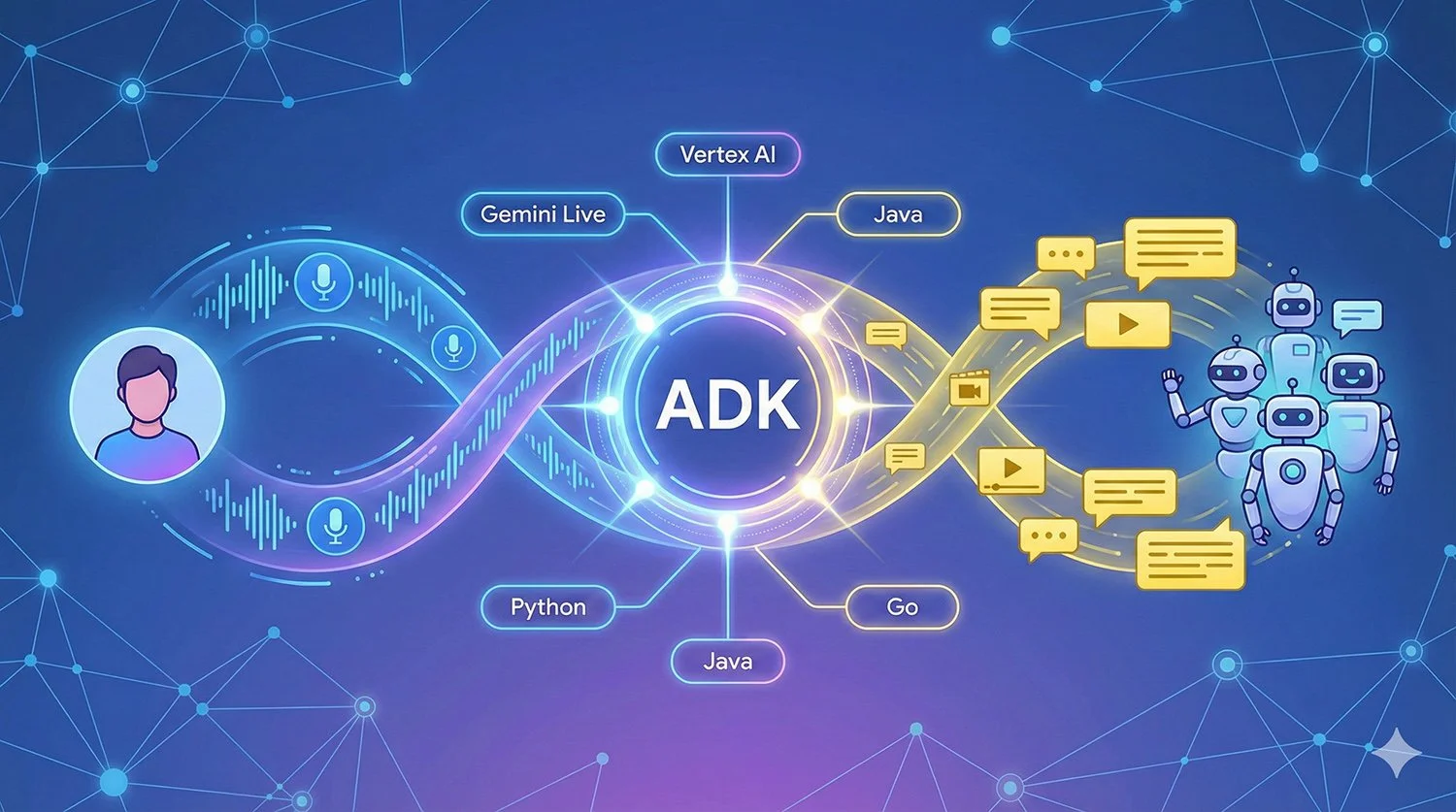
Multimodal AI means a system can work across text, images, audio, and sometimes video. This moved from “nice to have” to mainstream expectation in 2025.
OpenAI described its o-series as able to “think with images” as part of its April 2025 update.
Google’s Gemini 2.5 updates at I/O 2025 discussed features such as native audio output and computer use style capabilities.
Meta’s Llama 4 announcement (5 April 2025) introduced models described as natively multimodal.
Why it mattered: multimodality is what makes AI useful for real work artefacts, like screenshots, photos, PDFs, voice notes, and product demos, rather than only text.

















5. Retrieval Augmented Generation (RAG)
RAG stayed popular because it is one of the most common ways to make AI answers more grounded in specific documents and knowledge bases. In 2025, the emphasis increasingly shifted to doing retrieval well (quality, permissions, freshness, citations) rather than treating it as a quick add on.
Google’s AI Edge update in May 2025 explicitly paired on device models with RAG libraries, showing how retrieval became a standard building block, not only a server side pattern.
Why it mattered: RAG is often the difference between a generic assistant and a tool that can answer with your policies, your project history, or your approved references.
























6. Small Language Models (SLMs)
As usage grew, “small language models” became a cost and deployment strategy. SLMs are typically cheaper and faster, and can be a better fit for high volume tasks or local processing where privacy matters.
Google’s May 2025 AI Edge post described on device small language models and linked them with multimodality, RAG, and function calling libraries.
Why it mattered: many teams started treating large models as the premium tier for hard reasoning tasks, while using smaller models for routine operations.























7. On Device AI and NPUs
The phrase “on device AI” rose with the spread of NPUs in consumer PCs and phones. The pitch is straightforward: lower latency, offline capability, and better privacy for some tasks.
Microsoft’s Ignite 2025 communications described “Writing Assistance” features that can run offline on Copilot Plus PCs by leveraging the on device NPU to run AI models locally.
Why it mattered: product teams started splitting workloads between local and cloud, and users began expecting at least some AI features to work without constant connectivity.



















8. Open Weight Models
“Open weight” became a commonly used label for models where weights are made available under defined licences, so developers can host and adapt them. Meta’s Llama 4 launch is a clear example of the positioning: open weight and natively multimodal, with a focus on builder access.
Why it mattered: open weight options can reduce vendor lock in and enable deployment choices, but they also shift responsibility for hosting, updates, and safety controls back to the operator.
























9. Safety Evaluations and Red Teaming
As systems became more capable and more agentic, “evaluation” matured into a discipline. Instead of only measuring benchmark scores, teams talked about adversarial testing, misuse testing, and how a model behaves under pressure.
NIST’s ARIA pilot report (NIST AI 700-2, November 2025) describes three testing levels: model testing, red teaming, and field testing, reflecting a more structured approach to assessing risk and reliability.
Why it mattered: once AI can act, failures can scale fast, so the test approach has to reflect real usage, not only lab prompts.
















10. AI Governance, EU AI Act, and Content Provenance
Governance became less optional in 2025, especially for organisations operating across regions.
The European Commission states that obligations for providers of general purpose AI models entered into application from 2 August 2025, with enforcement powers coming later and a transition period for models already on the market.
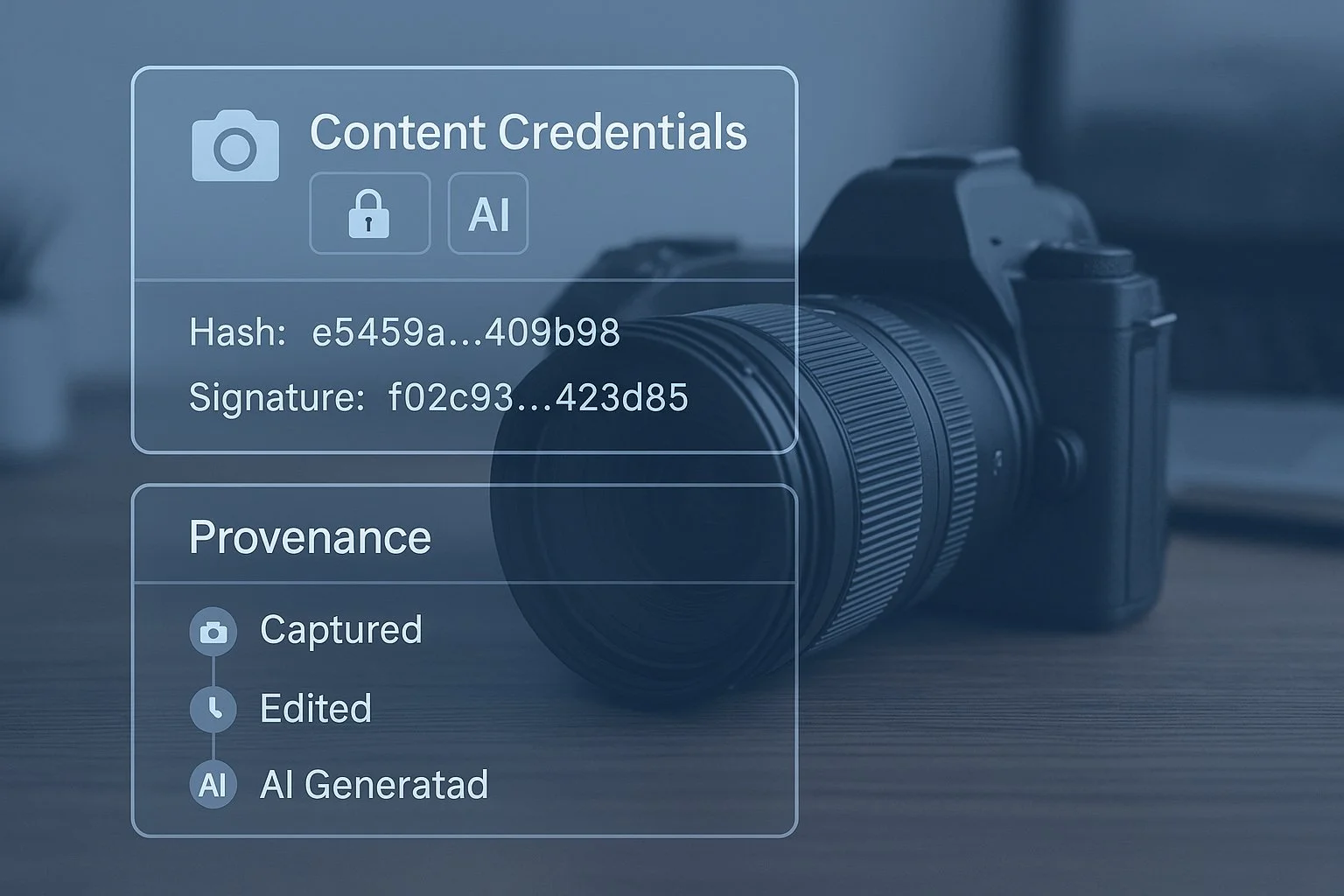
In content provenance, the C2PA specification for Content Credentials reached version 2.2 in May 2025, with documented updates in its version history.
Australia’s cyber.gov.au published an information sheet (30 January 2025) discussing Content Credentials and recommended practices to preserve provenance information, authored in collaboration with multiple national cyber agencies.
Why it mattered: the conversation broadened from “is this content good?” to “where did it come from, what changed, and can we prove it?”














Comparing the 2025 Product Direction
A useful way to interpret 2025 is to group the keywords into three tracks:
Capability: reasoning models and multimodal AI, pushed by releases from OpenAI, Anthropic, Google, and Meta.
Deployment economics: SLMs, on device AI, and RAG libraries, which are about cost, latency, privacy, and grounding rather than raw model size.
Trust and accountability: safety evaluations, governance obligations, and provenance standards, driven by NIST style evaluation work, EU compliance timelines, and standards bodies like C2PA, plus practical guidance from agencies including Australia’s ACSC.
This is also why “agents” took off as a headline term. They sit at the intersection of capability (models that can plan), deployment (tool access and retrieval), and risk (evaluations, permissions, and governance).
What Changed by the End of 2025
By late 2025, “agents” were no longer only a concept. Big platforms were treating agent capability as a strategic asset, including via M and A. On 29 December 2025, Reuters reported Meta said it would acquire Manus, a Singapore based, Chinese founded AI startup, in a deal aimed at strengthening advanced AI features across Meta’s products.
That development reinforced a broader 2025 reality: the conversation was shifting from “AI as content generator” to “AI as execution layer,” which increases both the upside and the need for controls.
 TheDayAfterAI News
We are a leading AI-focused digital news platform, combining AI-generated reporting with human editorial oversight. By aggregating and synthesizing the latest developments in AI — spanning innovation, technology, ethics, policy and business — we deliver timely, accurate and thought-provoking content.