
GenAI & Student Trust: HERDSA Flags Workshop on Ethics & Wellbeing
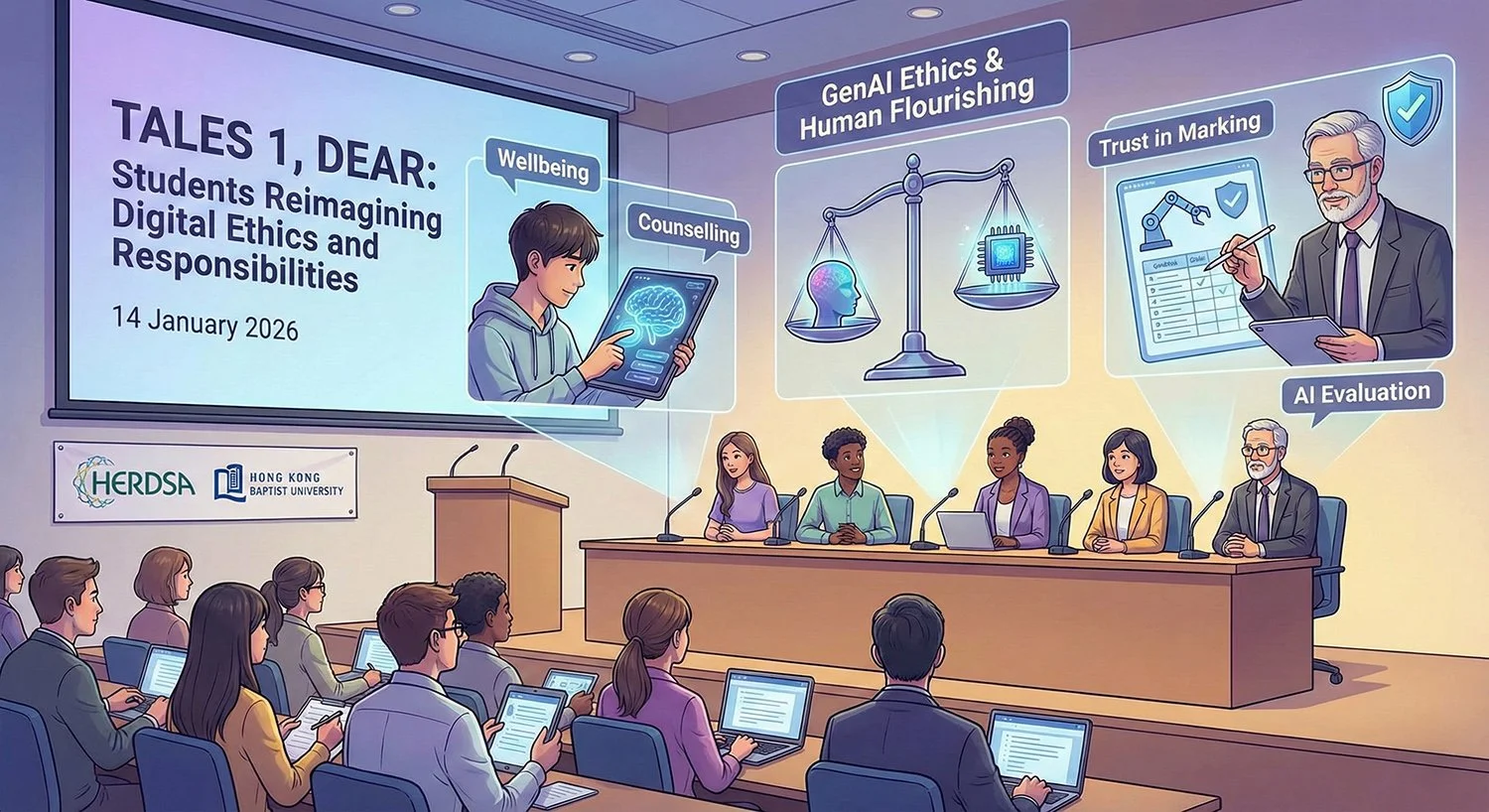
Image Credit: Jacky Lee
In its 24 December 2025 bulletin, the Higher Education Research and Development Society of Australasia (HERDSA) highlighted an upcoming online workshop titled “TALES 1, DEAR: Students Reimagining Digital Ethics and Responsibilities”, scheduled for 14 January 2026 and delivered online via Zoom.
HERDSA is an Australasian scholarly society focused on higher education research and development, established in 1972, and it distributes its notices via a weekly moderated email list that is open to members and non members.



























Who Is Running It and Where It Sits
The workshop is listed as part of Hong Kong Baptist University (HKBU) Centre for Holistic Teaching and Learning’s Teaching and Learning Experience Sharing (TALES) Seminar Series. The event page lists the session time as 11:00 am to 12:30 pm (the listing does not specify a time zone), with participation via Zoom.
The listed contributors include staff and students from The Hong Kong University of Science and Technology (HKUST) and HKBU, including Ms Esme Anderson (HKUST), Mr Verrent Timotius Sung (HKUST), Ms Xinjie Monica Huang (HKUST), Ms Mingyu Li (HKUST), and Mr Lorenzo Maria Ratto Vaquer (HKBU).
















What The Workshop Covers
The agenda is framed around three higher education use cases where GenAI raises questions about responsibility, trust, and wellbeing, rather than just productivity or study skills.
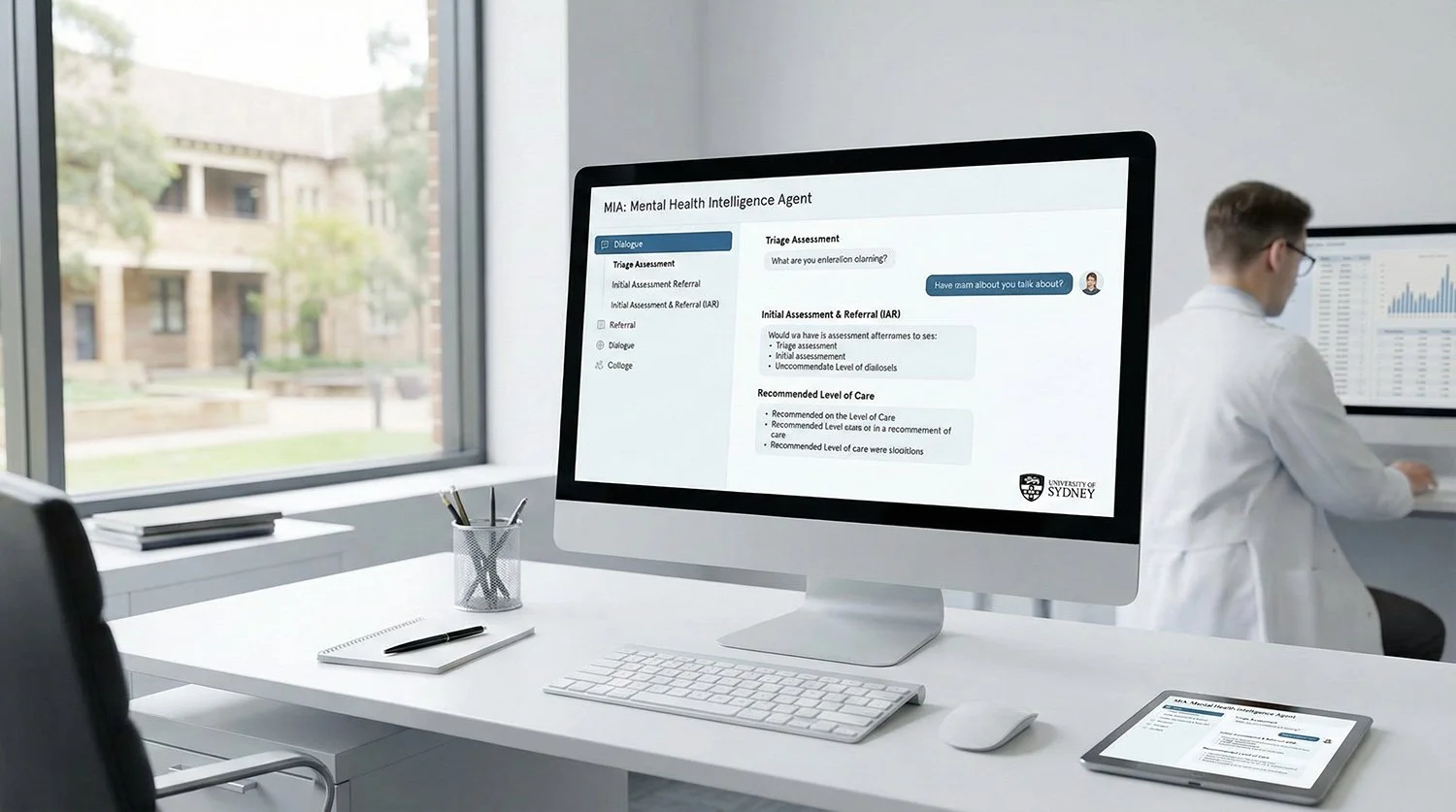
Students and GenAI as a mental health counsellor: One session describes student research into whether university students would use GenAI tools for counselling or venting, while also noting risks such as biased or inaccurate responses. The emphasis is on how perceptions of access, stigma, and safety shape adoption.
Trust when teaching staff use AI for marking and evaluation: Another session focuses on student attitudes to staff using GenAI in evaluation. The abstract reports a survey of 602 students and links staff AI use in evaluation to reduced perceived competence and lower willingness to recommend the course.
AI for wellbeing through an ethics lens: The third session is explicitly grounded in ethics and philosophy, applying Amartya Sen’s capability approach alongside Shannon Vallor’s “moral deskilling” concept to assess how AI might affect autonomy, judgment, and opportunities for human flourishing in higher education settings.

























Why This Matters in Australia
Even though the workshop is hosted by Hong Kong institutions, HERDSA circulating it matters for Australia because it reflects a broader shift in university AI training: from “rules and tools” to “values and governance”.
That direction aligns with recent Australian sector activity. TEQSA’s GenAI knowledge hub positions GenAI as a quality, integrity, and assessment issue for providers, including dedicated material on academic integrity and assessment reform, with the hub showing a recent update date.
Separately, the Australian Centre for Student Equity and Success (ACSES) published an Australian Framework for Artificial Intelligence in Higher Education on 8 December 2025, emphasising that AI in universities extends beyond GenAI and that the appropriateness of these technologies should remain an ongoing concern.
























How This Relates to Australia’s National Ethics Baseline
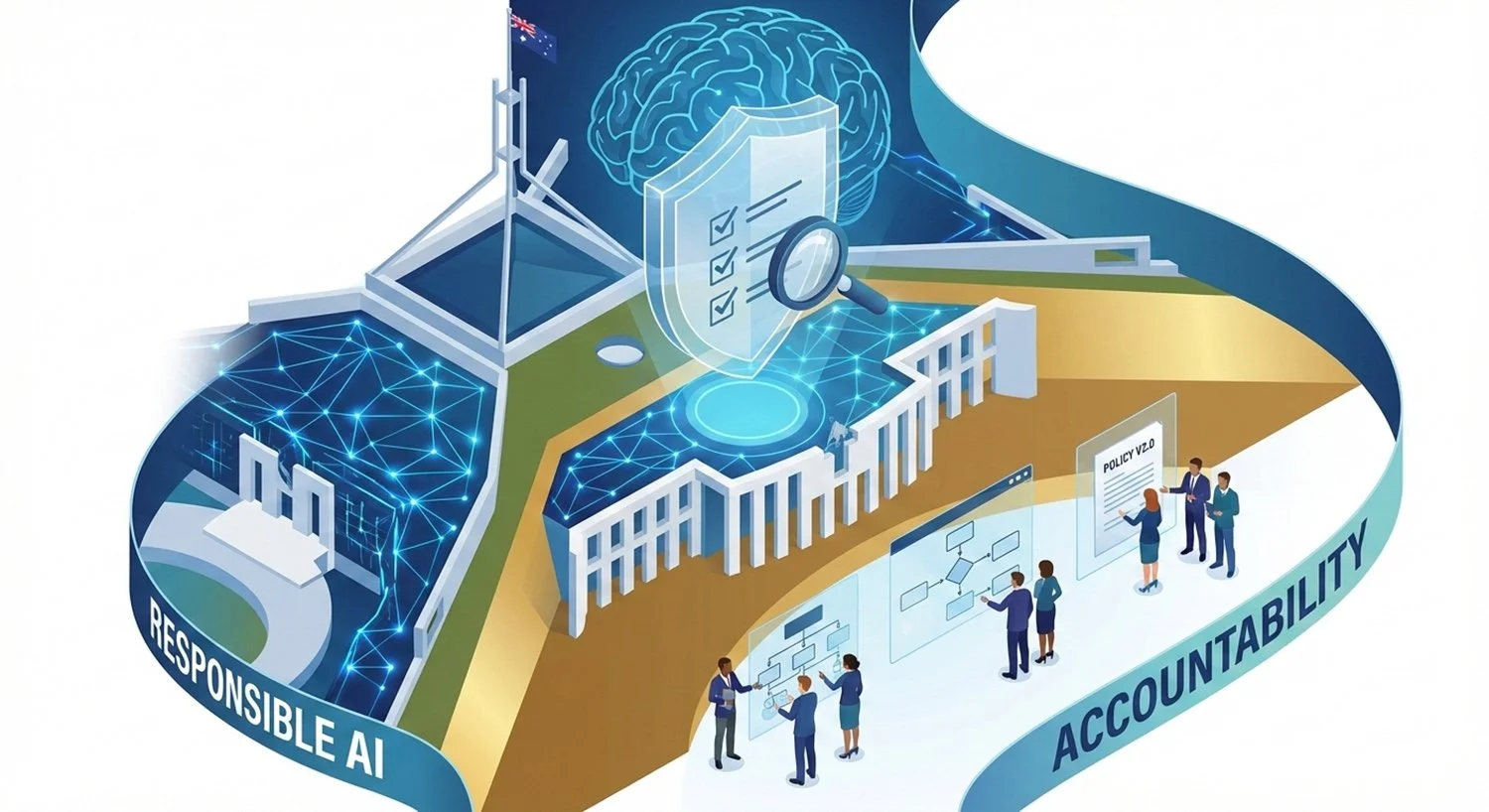
Australia’s AI Ethics Principles provide a commonly referenced baseline for “responsible AI” discussions, including principles such as human, social and environmental wellbeing, privacy protection and security, reliability and safety, transparency and explainability, contestability, and accountability. The workshop topics map closely onto those ideas, particularly around trust, wellbeing, and whether AI supported decisions can be understood and challenged by affected students.
























 TheDayAfterAI News
We are a leading AI-focused digital news platform, combining AI-generated reporting with human editorial oversight. By aggregating and synthesizing the latest developments in AI — spanning innovation, technology, ethics, policy and business — we deliver timely, accurate and thought-provoking content.