
Will Google AI Mode be Influenced by Ads?
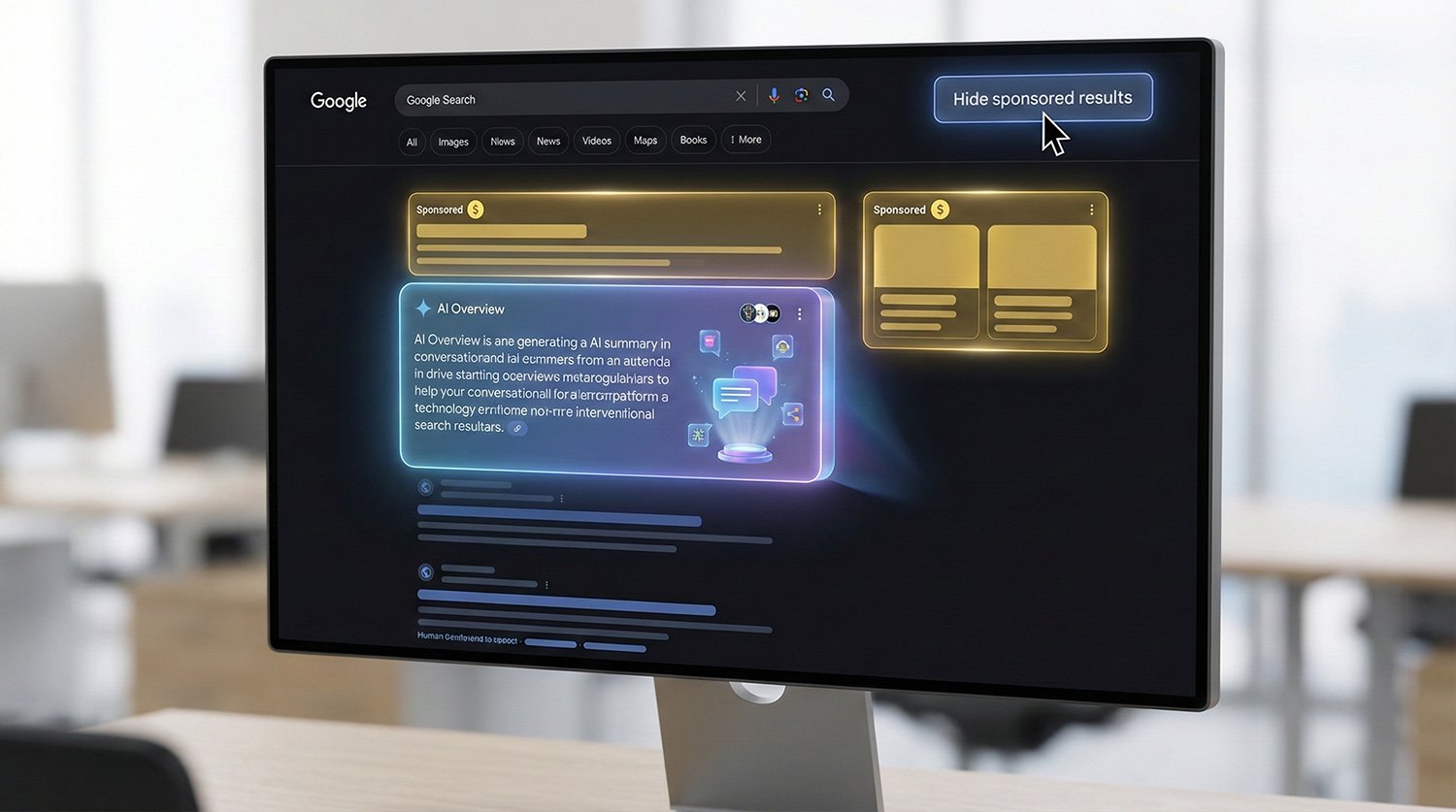
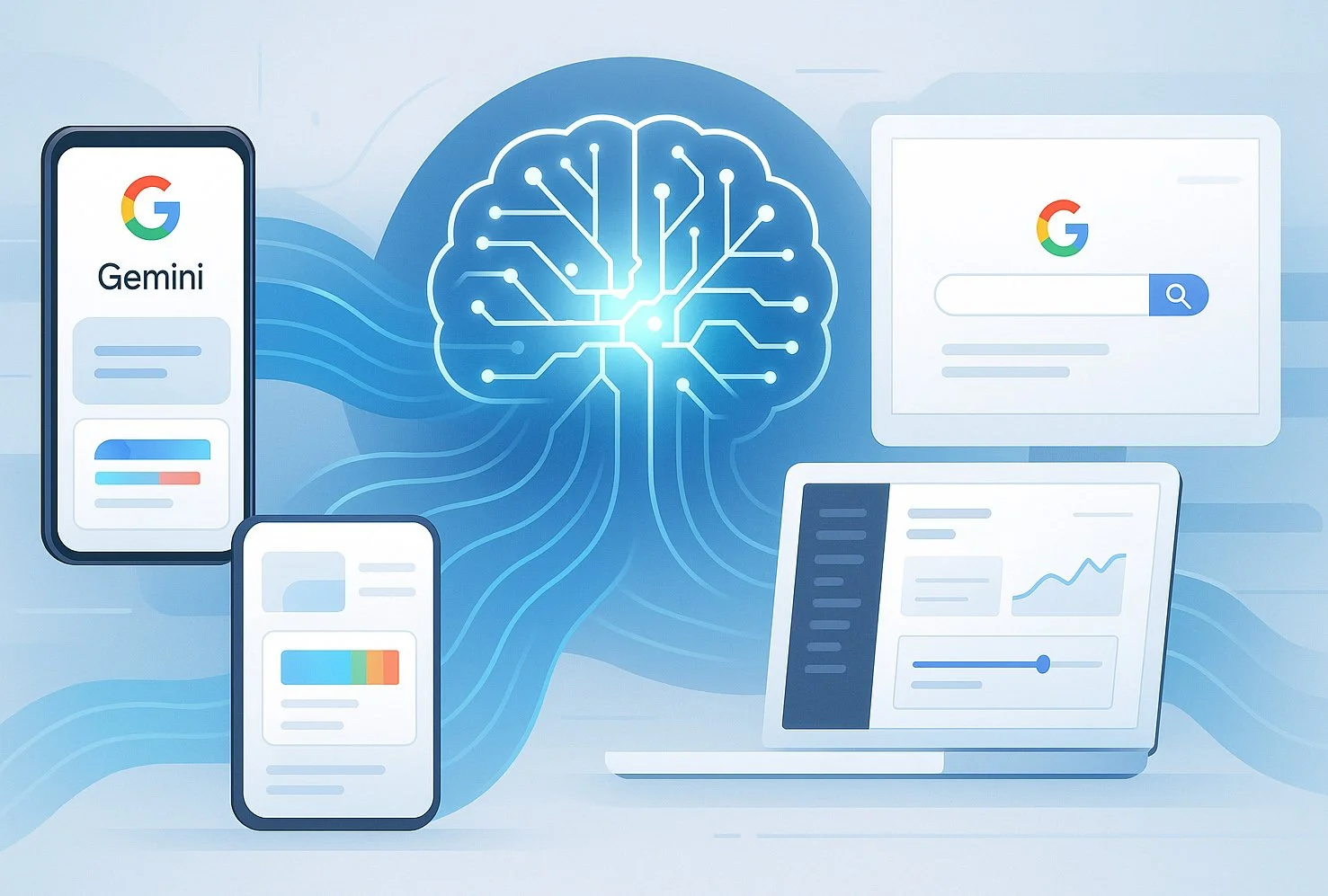
AI-generated Image for Illustration Only (Credit: Jacky Lee)
Google is pushing Search further into an AI first interface through AI Overviews and AI Mode. At the same time, it is expanding where ads can appear around and inside these AI experiences. That combination has raised a simple trust question: if advertisers can pay for visibility in Search, can they also pay to shape the AI answer.
Based on Google’s current public documentation and on record statements from Google Search leadership, the position is that ads can appear alongside AI generated responses, but ad spending does not influence the organic AI recommendations themselves.






Google Separates Ads from Organic Results
Google’s “How Search Works” explainer says businesses can advertise in clearly marked ad sections, but “no one can buy better placement in organic Search results.”
This matters for AI Mode because Google is effectively treating AI generated answers as part of its organic experience, even while testing and expanding ad placements within AI surfaces.

















Where Ads Can Appear in AI Overviews
Google’s Ads Help documentation splits AI Overview ads into two categories.
Ads above and below AI Overviews
Eligible in 200 plus markets where AI Overviews are available.
Served via the existing auction ranking system and signals.
Ads in AI Overviews
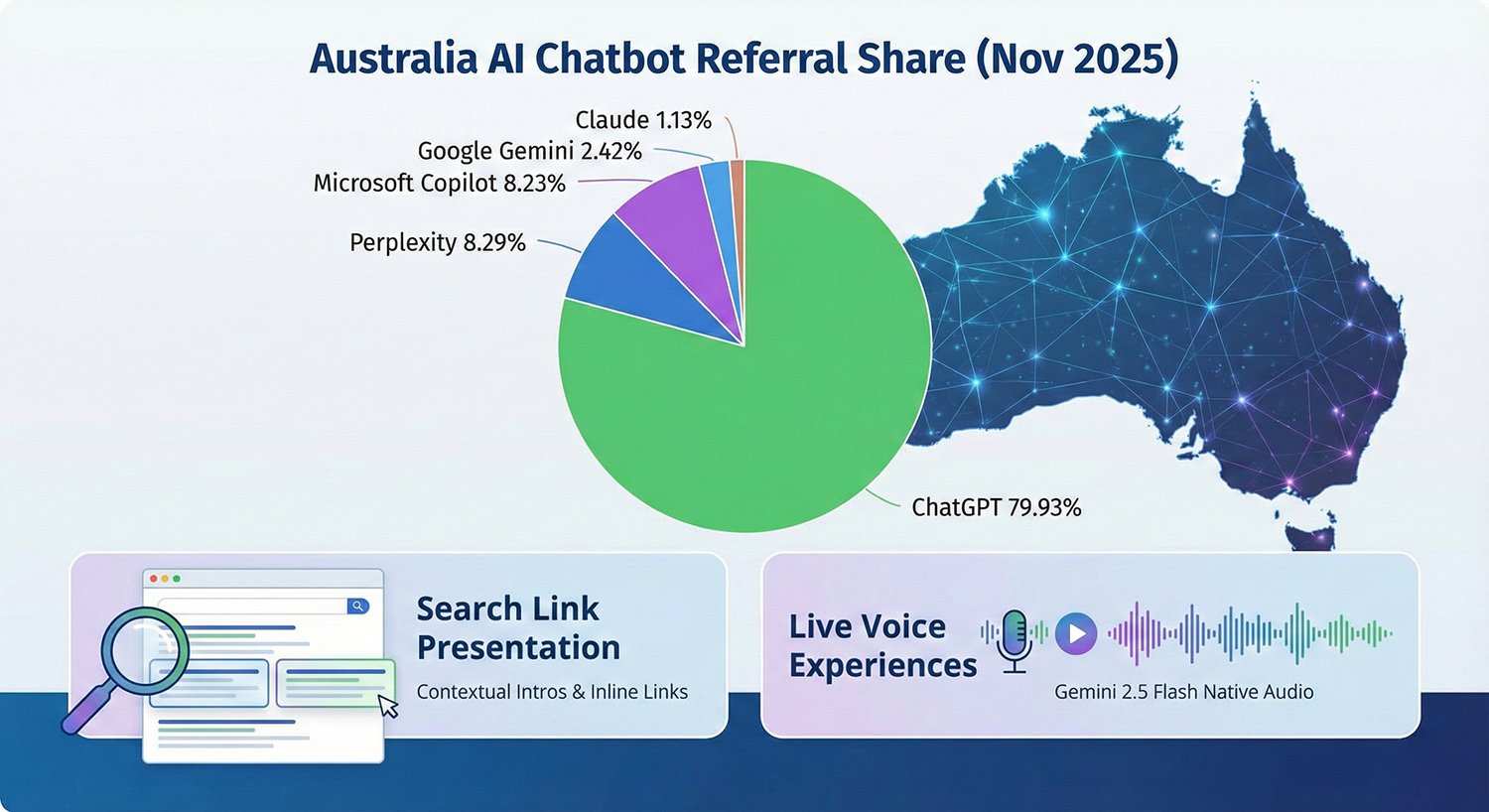
Now available beyond the United States. The current eligible country list is: Australia, Canada, India, Indonesia, Kenya, Malaysia, New Zealand, Nigeria, Pakistan, Philippines, Singapore, and the United States.
Google says both the user query and the content of the AI Overview are considered when serving these ads.
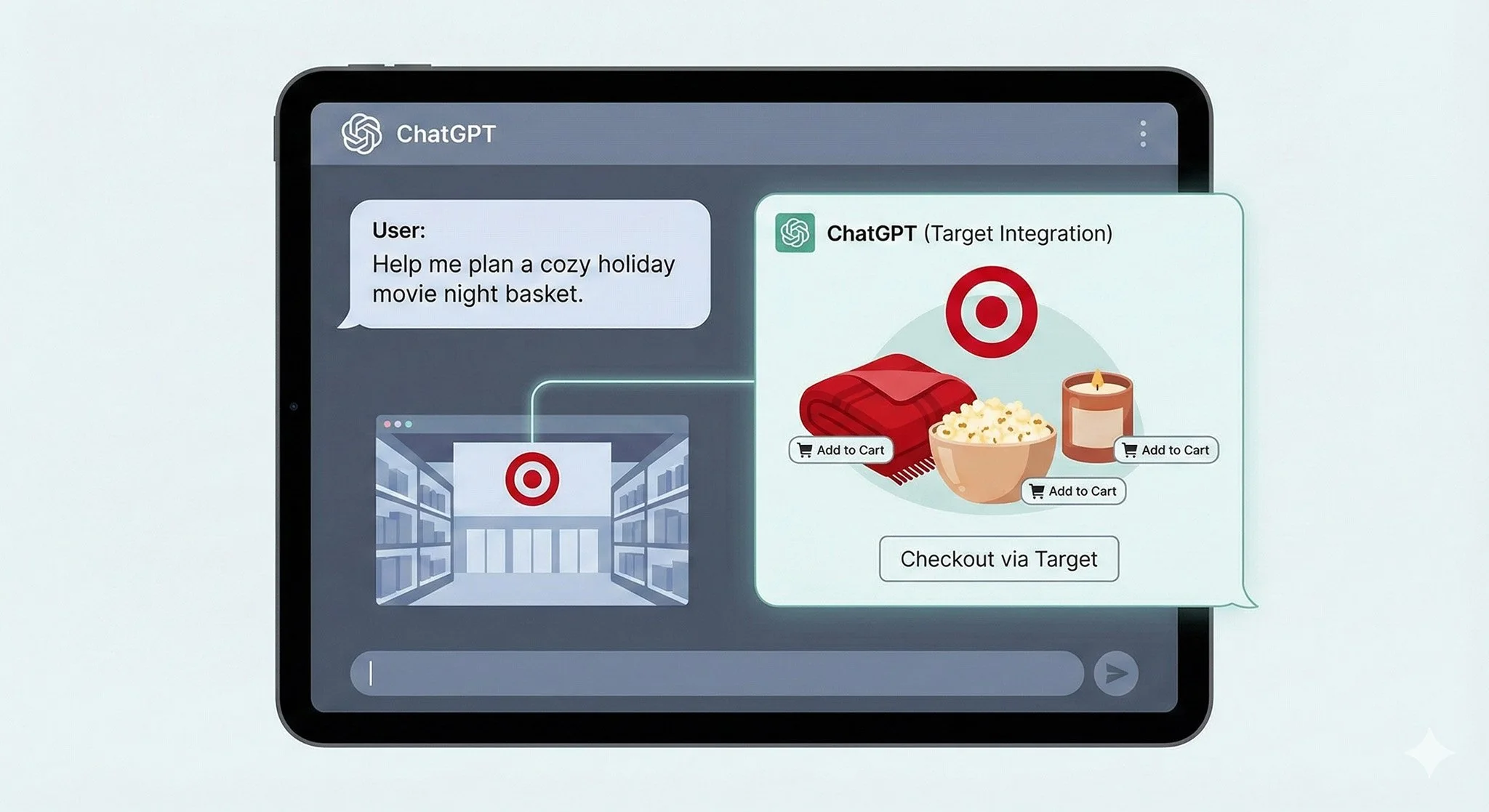
Eligible formats currently include Text and Shopping ads from existing Search, Shopping, and Performance Max campaigns.
Google says it currently does not show these ads for “sensitive verticals” including politics and healthcare (among others).


























Does Ad Spend Shape the AI Answer Itself?
In an interview reported by Search Engine Land on 31 Oct 2025, Robby Stein, Google’s VP of Product for Search, said AI recommendations are not driven by ads inputs, and specifically: “It doesn’t use ads information.” The same report notes Google has started experiments with ads within AI Mode and other AI experiences.
That statement aligns with Google’s broader claim that organic ranking is not for sale, while ad space is.
The practical nuance is that Google can still monetise the AI interface without selling the AI answer: ads can be selected using commercial intent and relevance, including relevance to the AI Overview content, while the underlying answer generation is described as separate from ad signals.


















AI Mode Design Choices That Affect Perception of “Paying To Be On Top”
Even if the AI answer is not influenced by ad spend, Google is also changing how ads look and where they sit on the page.
In October 2025, Google announced it would group text ads under a more prominent Sponsored results label, keep that label visible while scrolling, and add a Hide sponsored results control that collapses the ad block. Google also said users will still never see more than four text ads in a grouping, and that the Sponsored results header can appear above or below AI Overviews.
This UI shift can reduce confusion for some users, but it also underscores why many people feel paid content dominates discovery: ads remain positioned in high visibility areas, including near AI generated results.




















AI Mode is Still an Early Stage AI Product
Google’s own help page for AI Mode describes it as its most powerful AI search experience, explains that it uses a query fan out approach, and explicitly warns that AI Mode does not always get it right. It encourages users to check links and provide feedback.
This is relevant to ad concerns because trust issues are rarely only about ranking manipulation. They are also about whether the interface clearly distinguishes paid placements, provides source links, and makes it easy for users to cross check.






















Google is Following a Broader “Ads Inside Answers” Trend
Google is not alone in testing monetisation inside conversational search.
Microsoft said in March 2023 that it was exploring placing ads in the chat experience and sharing ad revenue with partners whose content contributed to the chat response.
Perplexity said in November 2024 it was experimenting with advertising while stating that the content of answers would not be influenced by advertisers, with early formats such as sponsored follow up questions.
The common pattern is a separation claim: answers are positioned as editorial or organic, while ads are inserted as clearly labelled units around the answer.























 TheDayAfterAI News
We are a leading AI-focused digital news platform, combining AI-generated reporting with human editorial oversight. By aggregating and synthesizing the latest developments in AI — spanning innovation, technology, ethics, policy and business — we deliver timely, accurate and thought-provoking content.