
Is SaaS Dead? Australian VCs Say AI Agents Are Forcing a Reset
Image Credit: Saradasish Pradhan | Splash
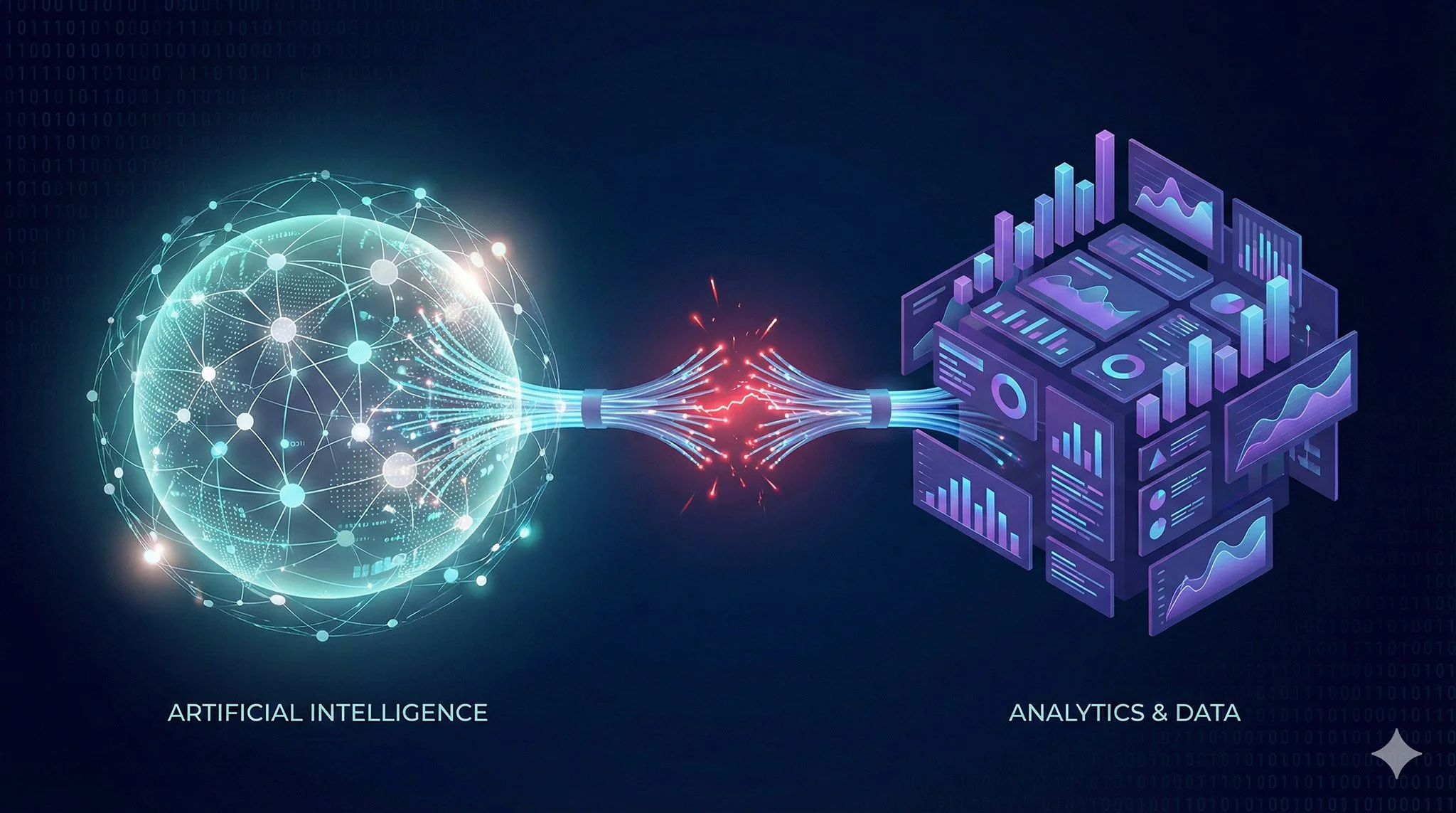
A familiar question has resurfaced in Australia’s startup scene: is SaaS dead. This week, Capital Brief’s Sweat Equity newsletter argued the answer is no, but it is being reshaped, repriced and rebuilt as new AI tools push software closer to autonomous work, not just chat and suggestions.


























What Triggered the Conversation
Capital Brief linked the renewed debate to a broader wobble in software sentiment as investors reassess how quickly AI could compress the value of traditional software features and services.
That caution has also shown up offshore. Reuters reported SAP shares hit a 17 month low on 21 January 2026, as a sector wide selloff was fuelled in part by concerns that AI could make software modules easier to replicate, putting pressure on prices.
At the same time, some dealmakers are treating the pullback as an opportunity. The Financial Times reported private equity firm Thoma Bravo is scouting for software acquisitions after the sector’s valuation declines, arguing specialist software with deep domain know how is likely to prove more resilient than the market is currently pricing in.
















What Anthropic’s Cowork Actually Does
The specific product that helped reignite the SaaS debate is Cowork, a research preview from Anthropic released on 12 January 2026. Anthropic positions Cowork as a way for non-technical users to get “Claude Code like” agent capability inside the Claude Desktop app on macOS, without needing a terminal.
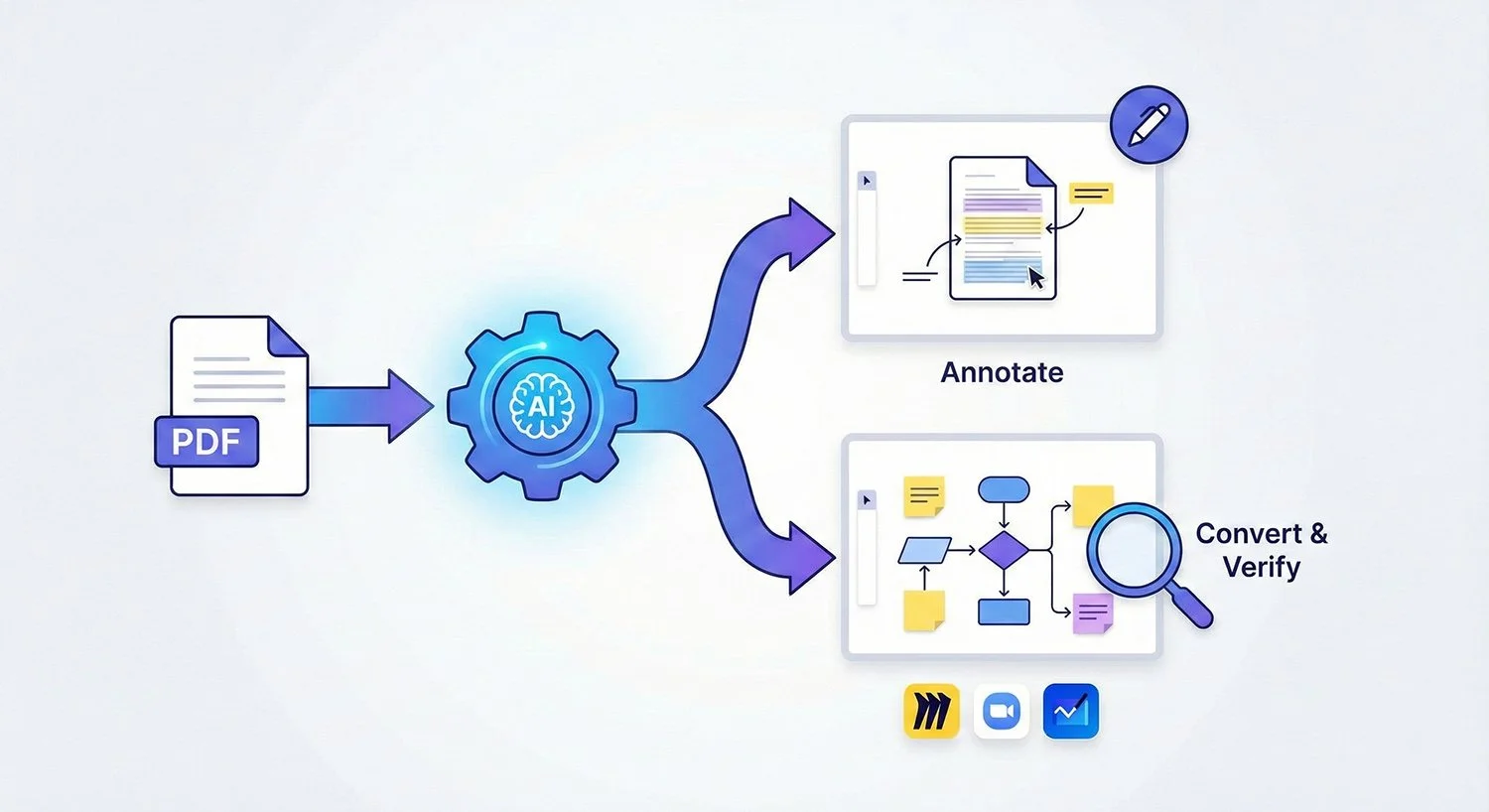
In practice, Cowork lets a user nominate a specific folder on their machine. Claude can then read, create and modify files inside that workspace, so work can be delivered as actual outputs such as drafts, reports, organised documents, and structured data. Anthropic’s documentation also describes using parallel sub agents for parts of a task, and using connectors via the Model Context Protocol, plus “Claude in Chrome” for browser based steps when needed.
One important update for accuracy: Cowork initially launched for Claude Max users, but Anthropic’s help centre now says it is available as a research preview for all paid plans, including Pro, Max, Team, and Enterprise, still on Claude Desktop for macOS.















Why This Matters for SaaS
Cowork matters because it shifts AI from “help me write” to “help me do”. That overlaps with what many SaaS products sell: repeatable workflows, task execution, and business outcomes delivered through software.
If a general purpose agent can operate across common file based work, some SaaS features look more like commodities. This is the logic behind the market anxiety reported by Reuters around replication risk and price pressure.
But it also explains the Australian VC argument captured by Capital Brief: SaaS is not disappearing, it is being pushed into a new build and buy cycle where the competitive edge moves away from simple UI features and towards workflow depth, integration, reliability, and trust.




















A Concrete Shift Investors are Watching
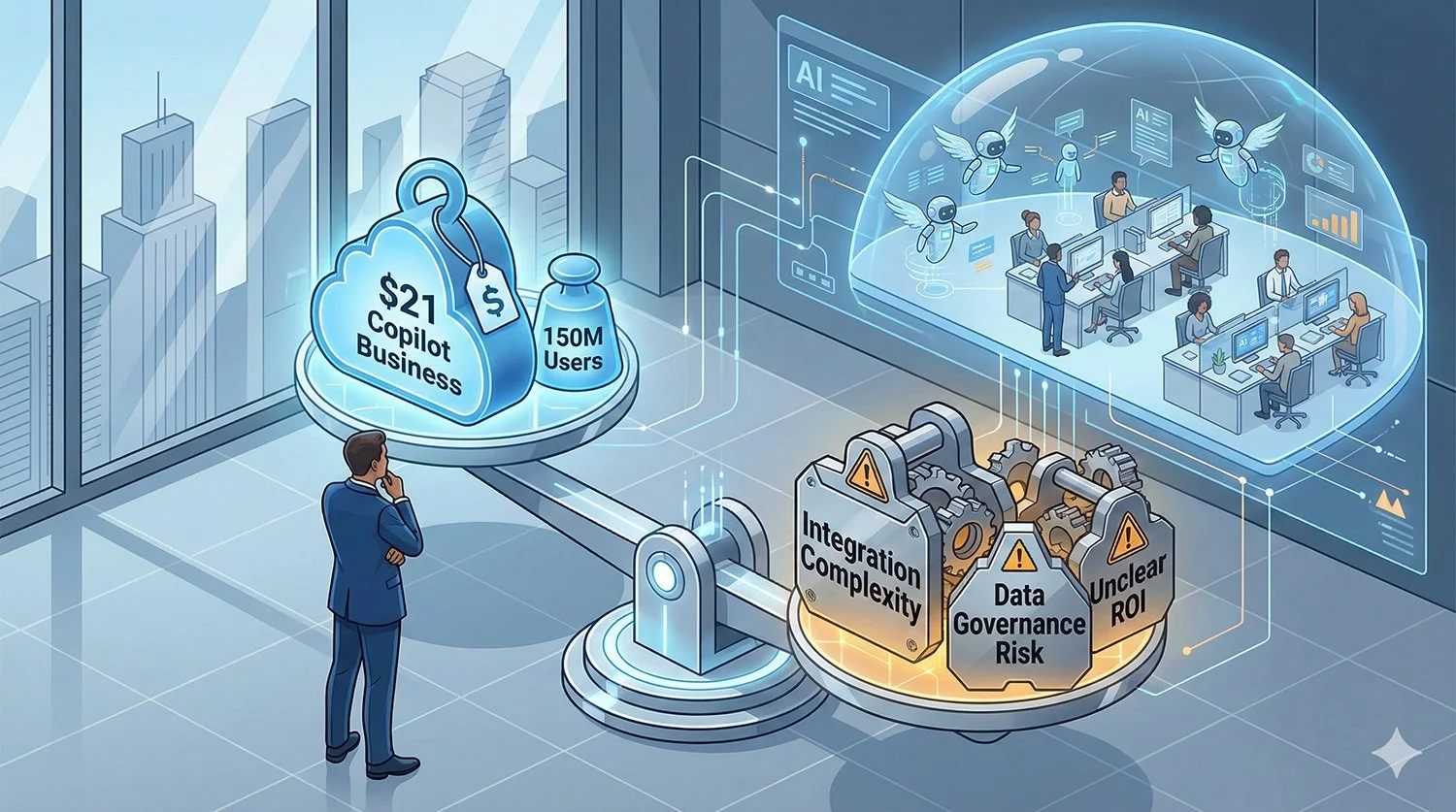
One of the most measurable changes is pricing. AI agents weaken the traditional assumption that more employees automatically means more SaaS seats.
Large vendors are already publishing pricing that links cost to agent activity. Microsoft’s Copilot Studio pricing explains that when an agent completes an action or response, a varying number of Copilot Credits are billed depending on usage, and the Australian pricing page lists capacity packs priced per month.
Salesforce’s Agentforce pricing describes Flex Credits as a unit of payment where each “Action”, such as updating a record or summarising a case, draws from a pool of credits. Salesforce has also outlined flexible payment options designed to let organisations scale AI usage based on where they see value.
For founders and buyers, this matters because it changes procurement conversations. The question becomes less “how many users” and more “how much automated work will the agent do, and what controls do we need around it”.











Risk and Governance
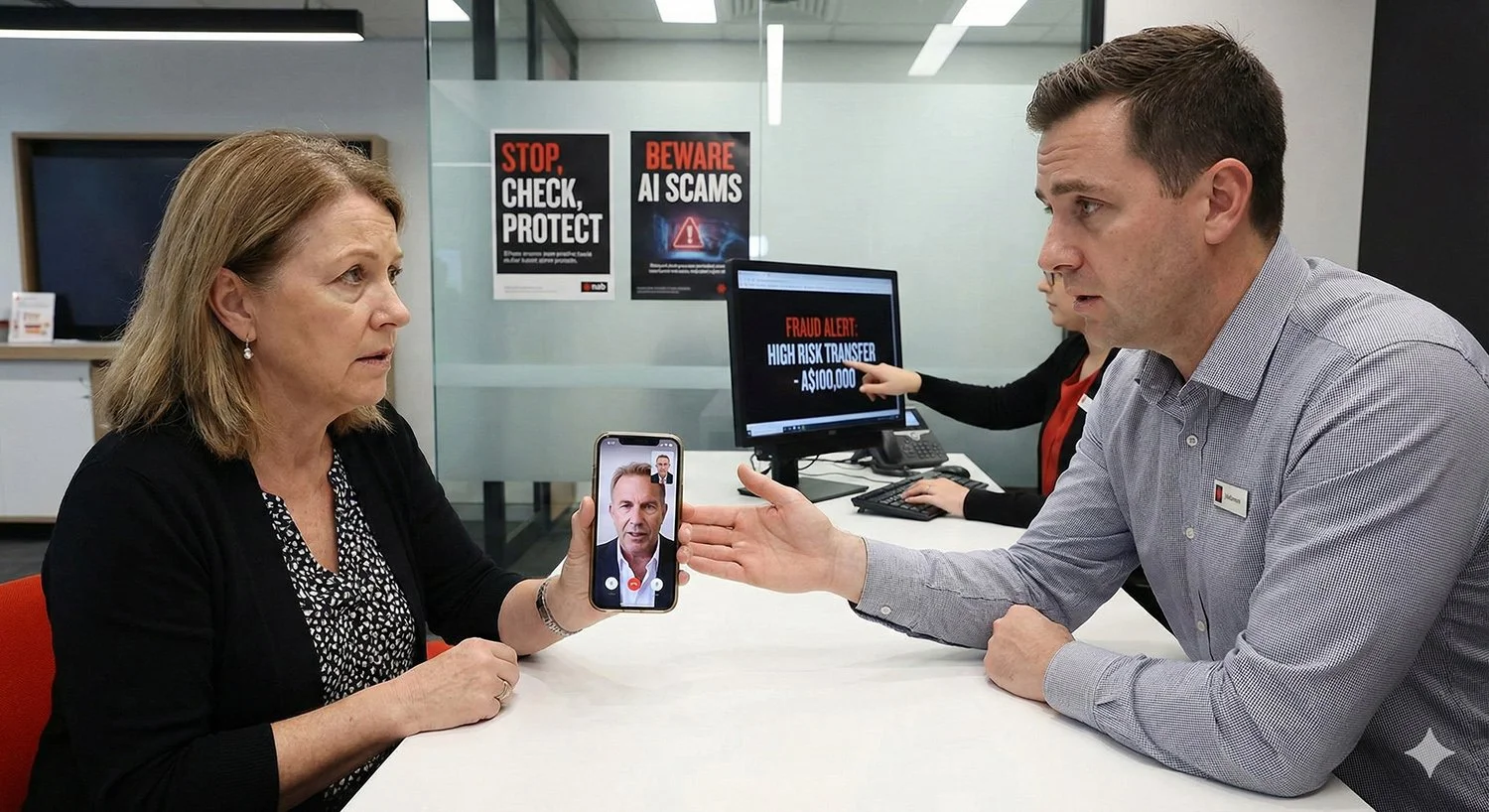
Agent capability increases the need for safety controls. Reporting on Cowork has highlighted risks like prompt injection, and the possibility of unintended destructive actions if instructions are unclear, precisely because the agent can act on files rather than only generating text.
Gartner’s published view adds a reality check: it predicts over 40 percent of agentic AI projects will be cancelled by the end of 2027 due to escalating costs, unclear business value, or inadequate risk controls, and warns about “agent washing” where products are rebranded as agents without real autonomy.























What to Watch Next
For SaaS and AI startups, the near term signals are relatively practical:
Product positioning: whether companies sell features, or sell an end to end workflow where an agent can safely execute work and produce auditable outputs.
Commercial models: more experimentation with credit based, action based, or hybrid pricing, following the direction signalled by Microsoft and Salesforce.
Trust and controls: stronger permissions, logging, and governance to address the risks that come with AI systems that can act, not just answer.
Market expectations: ongoing valuation pressure on software firms if investors keep focusing on replication risk and pricing compression, as described in Reuters coverage.
Taken together, this week’s debate is not a clean “SaaS is over” storyline. It is a reset in what software is expected to deliver when AI agents can increasingly generate work products and take actions. Australian VCs quoted by Capital Brief are betting the model survives, but only if it evolves quickly in pricing, defensibility, and trust.










































 TheDayAfterAI News
We are a leading AI-focused digital news platform, combining AI-generated reporting with human editorial oversight. By aggregating and synthesizing the latest developments in AI — spanning innovation, technology, ethics, policy and business — we deliver timely, accurate and thought-provoking content.