
Google ADK Adds Real-Time Streaming: 40% of Apps to Use Agents by 2026
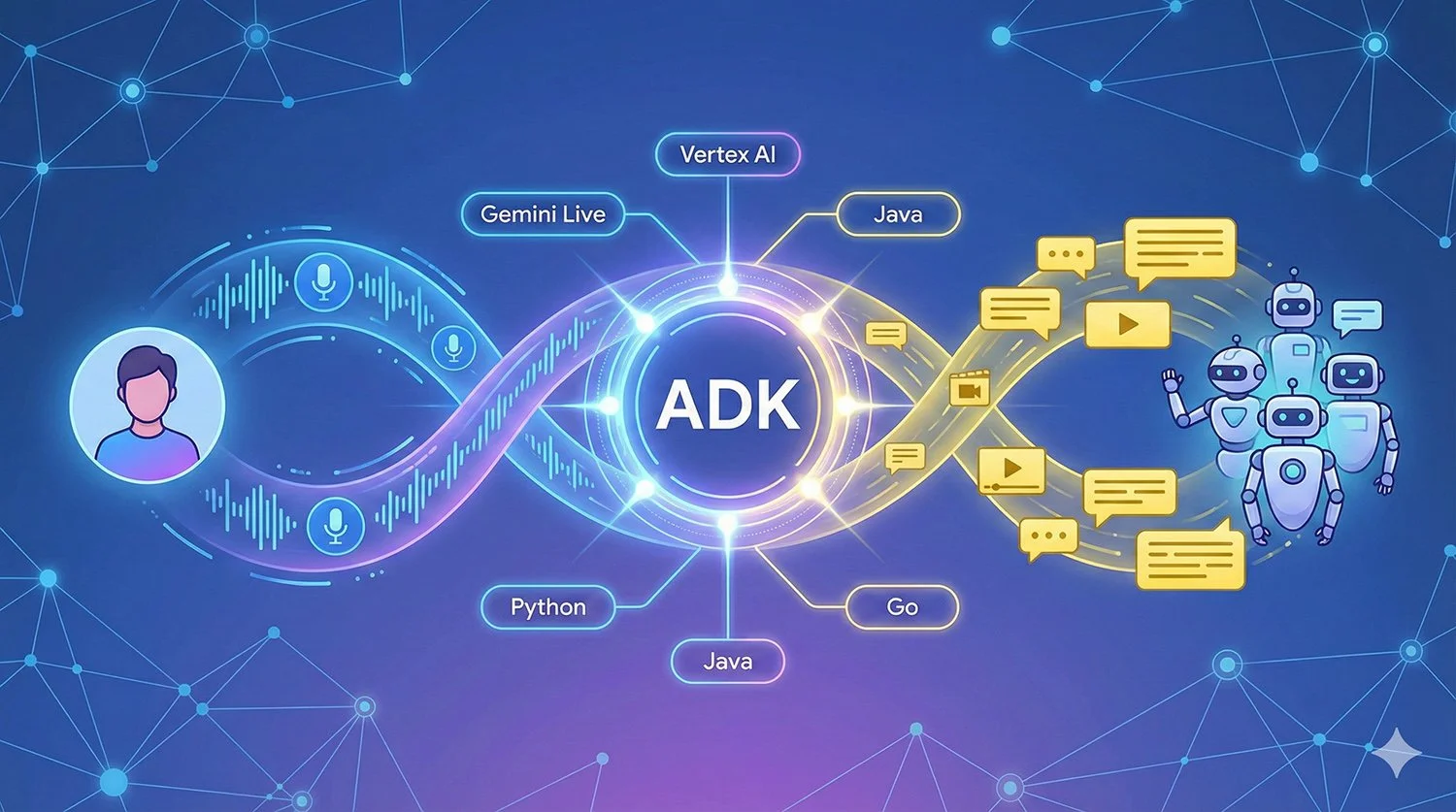
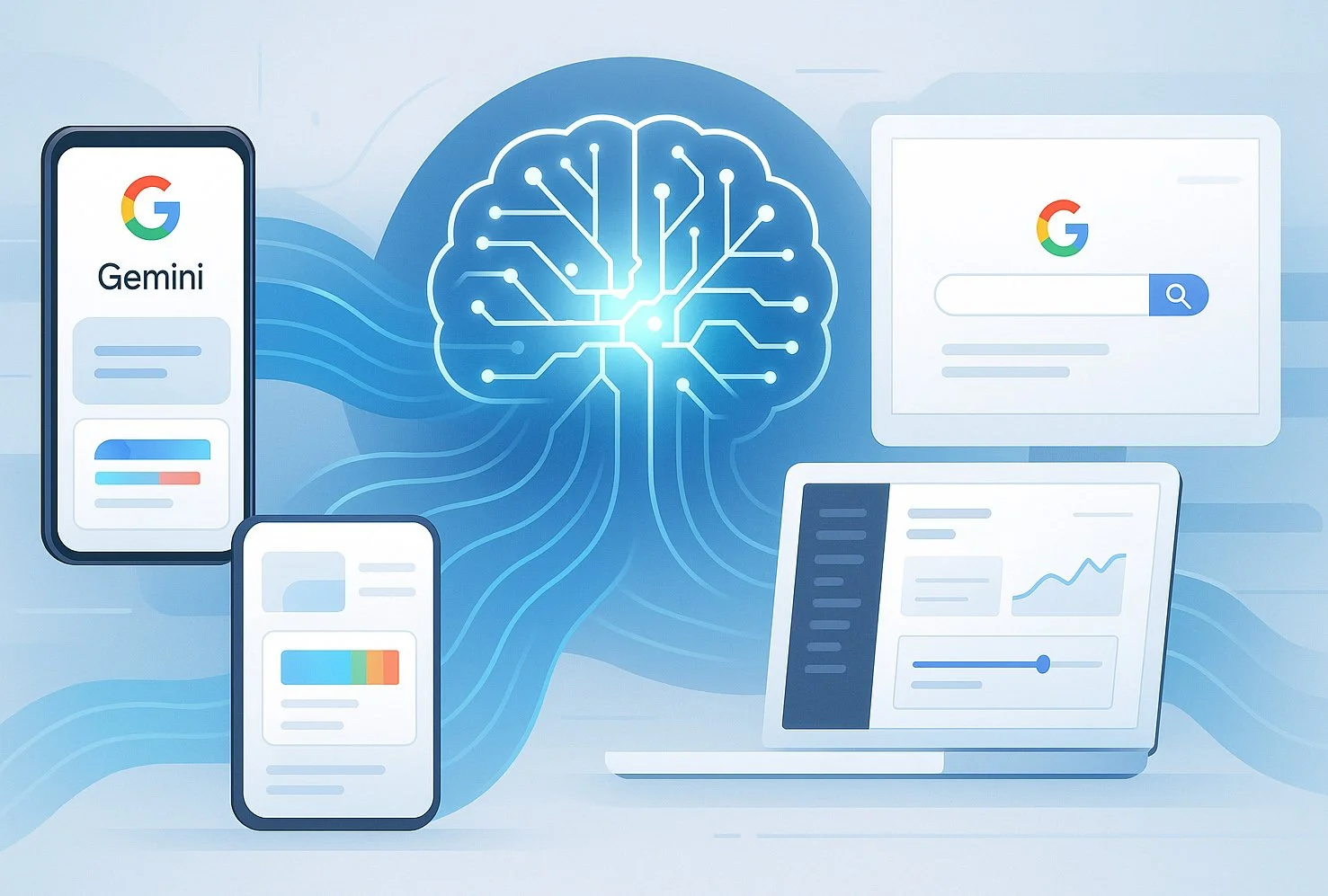
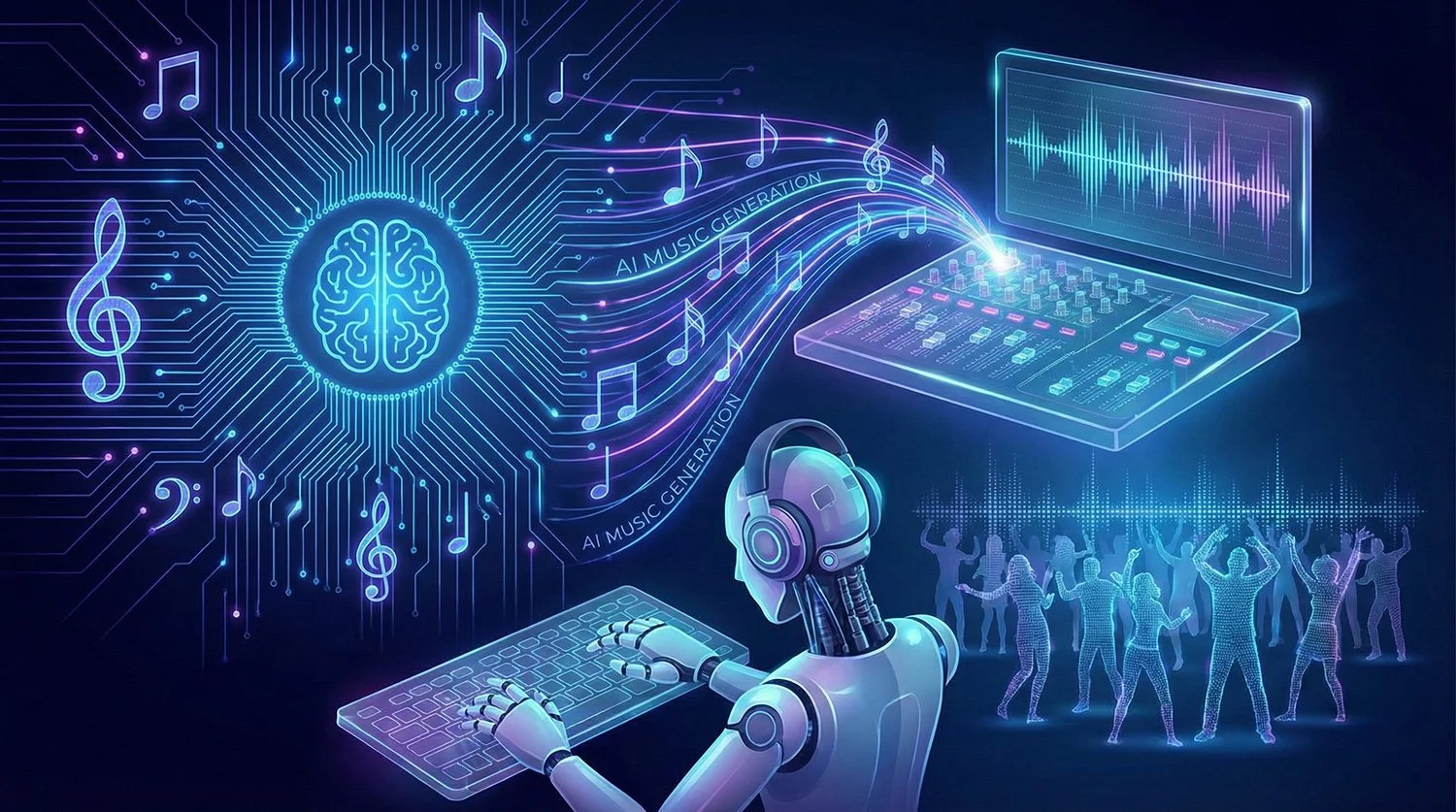
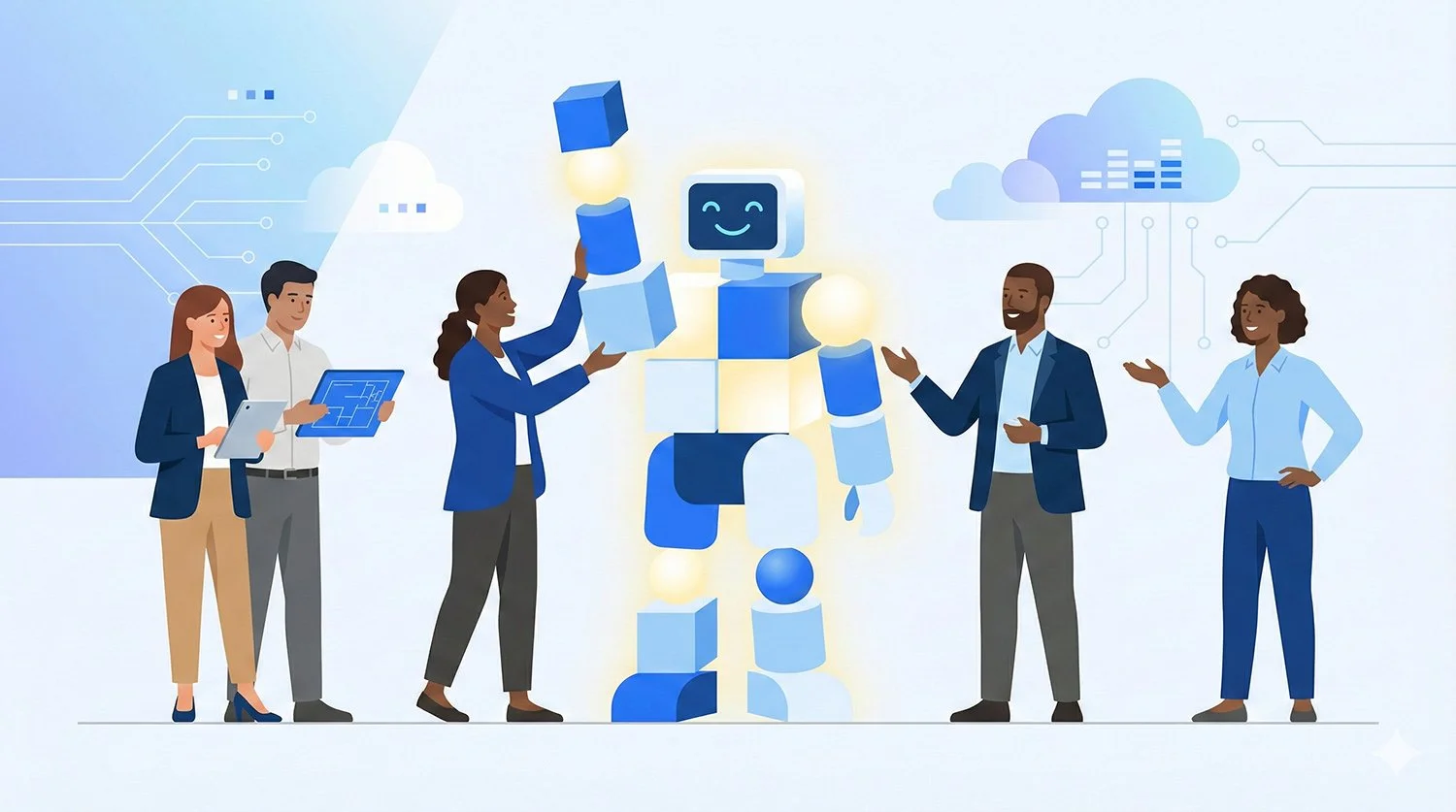
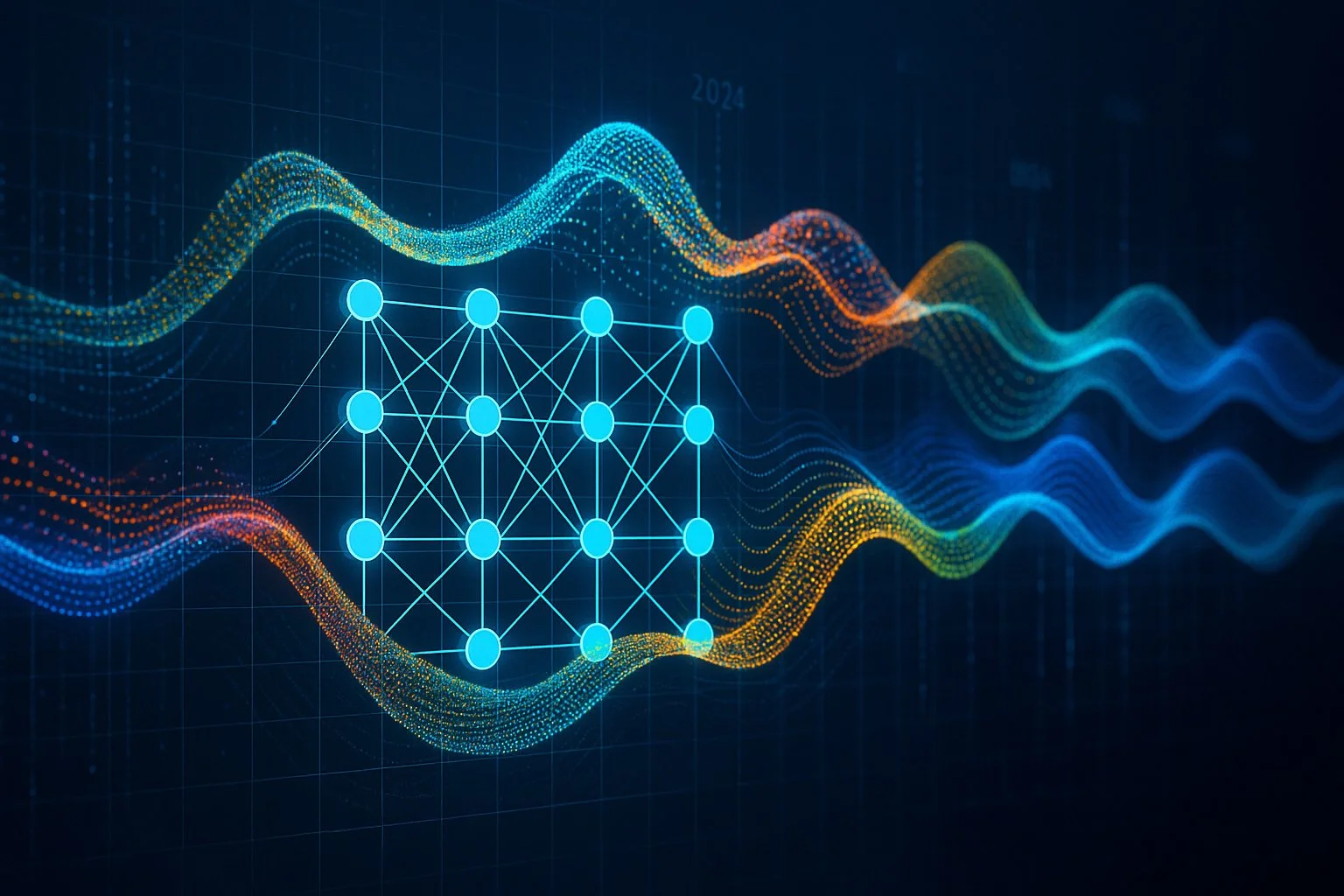
Illustrative Image Only (Credit: Jacky Lee)
Google has expanded its open-source Agent Development Kit (ADK) with documented support for bidirectional streaming, enabling agents to process audio and other multimodal inputs in real time. Recent official guides and examples outline how developers can configure ADK agents to send and receive data continuously, supporting use cases such as live voice assistants, streaming transcripts, and incremental tool outputs.
The updates build on the framework first introduced at Google Cloud Next ’25 on 9 April 2025, where Google described ADK as a code-first toolkit for building, evaluating and deploying agents across Python, Java, and Go. The project is open source and maintained by Google, with contributions managed through GitHub.
As of late 2025, the main public documentation repository, google/adk-docs, shows approximately 975 GitHub stars, while an April 2025 review by Firecrawl reported around 7,500 stars across ADK-associated repositories.









Streaming Functionality in ADK
According to Google’s official documentation, ADK now supports two primary streaming modes:
Server-Sent Events (SSE): one-way streaming from the agent to the client.
Bidirectional streaming (BIDI): full-duplex streaming for exchanging text or audio signals during ongoing interactions.
Technical notes published by Google describe how BIDI mode works with Gemini Live, enabling interruptible, voice-driven interactions. A Google Cloud blog dated 21 August 2025 includes an example of a real-time voice assistant that uses ADK with Gemini to process speech and respond without waiting for turn completion.
Google has also published reference implementations, such as Python ADK v0.5 experimental projects, demonstrating custom audio streaming pipelines using FastAPI and WebSockets. These repositories include examples of streaming transcription, partial responses, and video-frame ingestion at up to 1 frame per second.






Integration With Vertex AI Agent Builder
ADK functions as the code-first component within Vertex AI Agent Builder, which includes:
Agent Engine: managed runtime for sessions, memory, evaluation and deployment.
Agent Garden: sample agents and reusable templates.
Tool plugins accessible through Model Context Protocol (MCP).
A November 2025 update from Google emphasizes newly added features in Agent Builder, including one-command ADK deployments, improved monitoring dashboards, and first-party plugins.
Google states that ADK is “model-agnostic,” and documentation lists compatibility with Gemini models alongside third-party options accessed through Model Garden and LiteLLM.
A report by Techzine in October 2025 notes that ADK was contributed to the Linux Foundation, adding neutral governance around the project.













Agent2Agent (A2A) Protocol Adoption
A Google Cloud blog published in September 2025 states that more than 150 organisations had adopted or announced support for the Agent2Agent (A2A) protocol. The list includes companies such as SAP, Elastic, and MongoDB.
A2A is designed to define how agents communicate across different platforms. Google’s documentation includes examples of ADK agents interacting with A2A services through REST or gRPC interfaces.






















Developer Resources and Use Cases
Google has published multiple development guides illustrating how streaming and multimodal interactions can be implemented:
“Build a streaming agent” – shows minimal Python and Java examples for SSE and BIDI modes.
“Build a real-time voice agent with Gemini & ADK” – explains how to integrate tool usage, voice input, and interrupt handling.
“Gemini Live Streaming Guides” – documents how to handle audio transcription, video frames, and image streaming.
Example applications demonstrated in official labs and community projects include:
Voice assistants for support tasks
Hands-free application control via speech
Video-based monitoring with periodic frame analysis
Multi-agent orchestration for tool-based workflows
Google’s ADK Web UI provides visual inspection of traces and event flows, and Vertex AI Agent Engine offers detailed logging for understanding latency, tool calls, and execution timing.
















Position Within the Broader Agent Framework Ecosystem
ADK appears in multiple 2025 comparison reports of agent frameworks, frequently listed alongside LangGraph, LangChain-based systems, CrewAI and other multi-agent libraries. These include reports from Firecrawl, n8n, and Ampcome.
LangGraph
According to LangGraph’s documentation, the framework provides:
Graph-based orchestration
Intermediate state streaming
Token-level updates
Community projects demonstrate real-time voice interactions using separate infrastructure such as WebRTC or LiveKit, rather than native audio streaming.
CrewAI and Similar Frameworks
Multi-agent frameworks such as CrewAI, AutoGen, and SuperAGI focus primarily on conversational or role-based coordination and depend on external infrastructure for deployment and monitoring.
Vision Agents by Stream
Stream’s open-source Vision Agents framework focuses on real-time video and voice processing using a WebRTC-based low-latency pipeline. Documentation notes integrations with YOLO, Gemini and OpenAI models.





















Industry Context
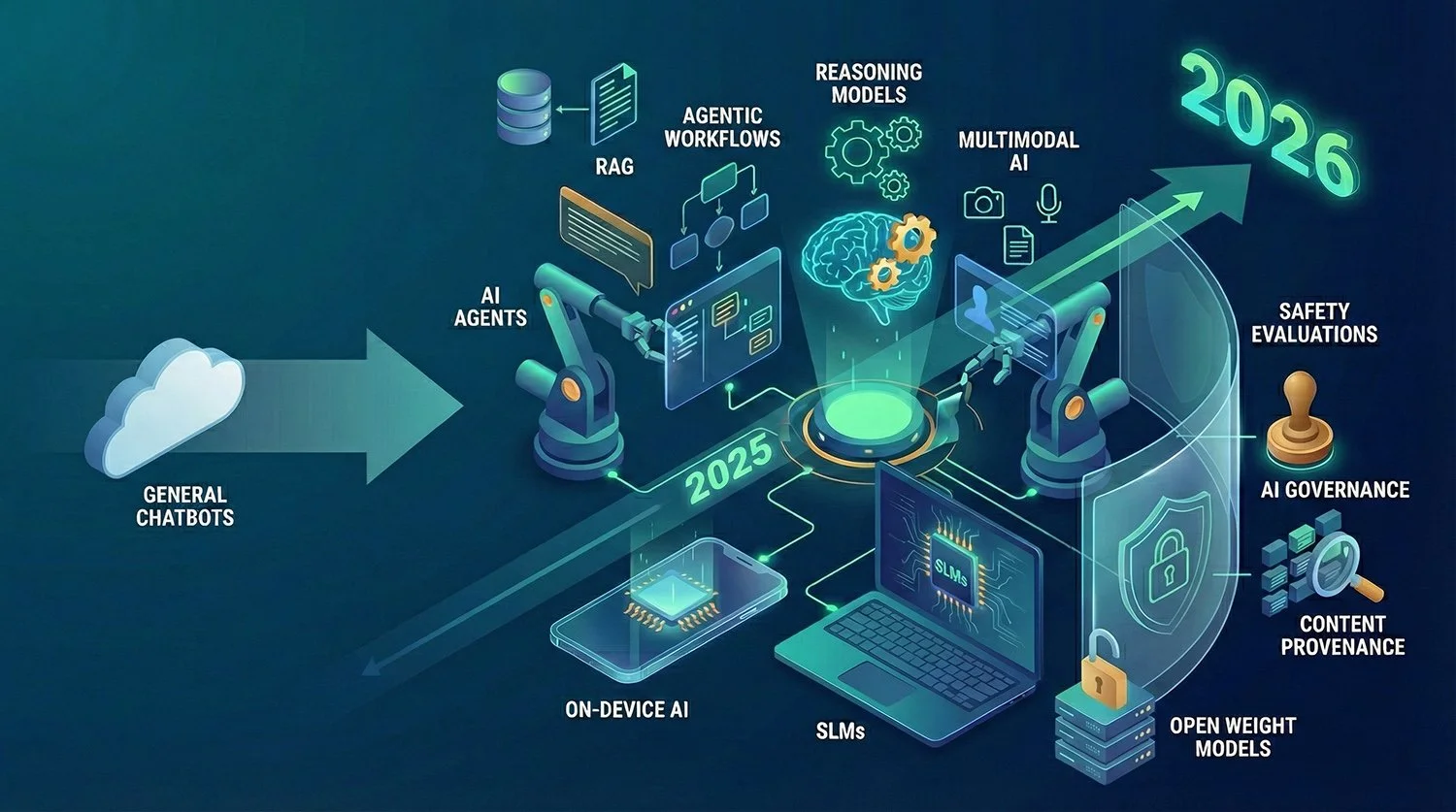
Gartner’s Top Strategic Technology Trends 2025 report, published in May 2025, forecasts that 40% of enterprise software will incorporate task-specific AI agents by 2026, up from fewer than 5% in 2025. The report also notes anticipated challenges around governance and integration as adoption grows.
Analyst commentary summarised by Reuters in October 2025 adds that approximately 40% of agentic AI initiatives may be abandoned by 2027, largely due to organisational or implementation limitations.
These projections provide industry context for the increased emphasis on tooling, evaluation and interoperability found in Google’s ADK and related documentation.























 TheDayAfterAI News
We are a leading AI-focused digital news platform, combining AI-generated reporting with human editorial oversight. By aggregating and synthesizing the latest developments in AI — spanning innovation, technology, ethics, policy and business — we deliver timely, accurate and thought-provoking content.