
Slipknot's Clown Backs AI Music Tools Amid Industry Licensing Shift

Image Credit: Jacky Lee
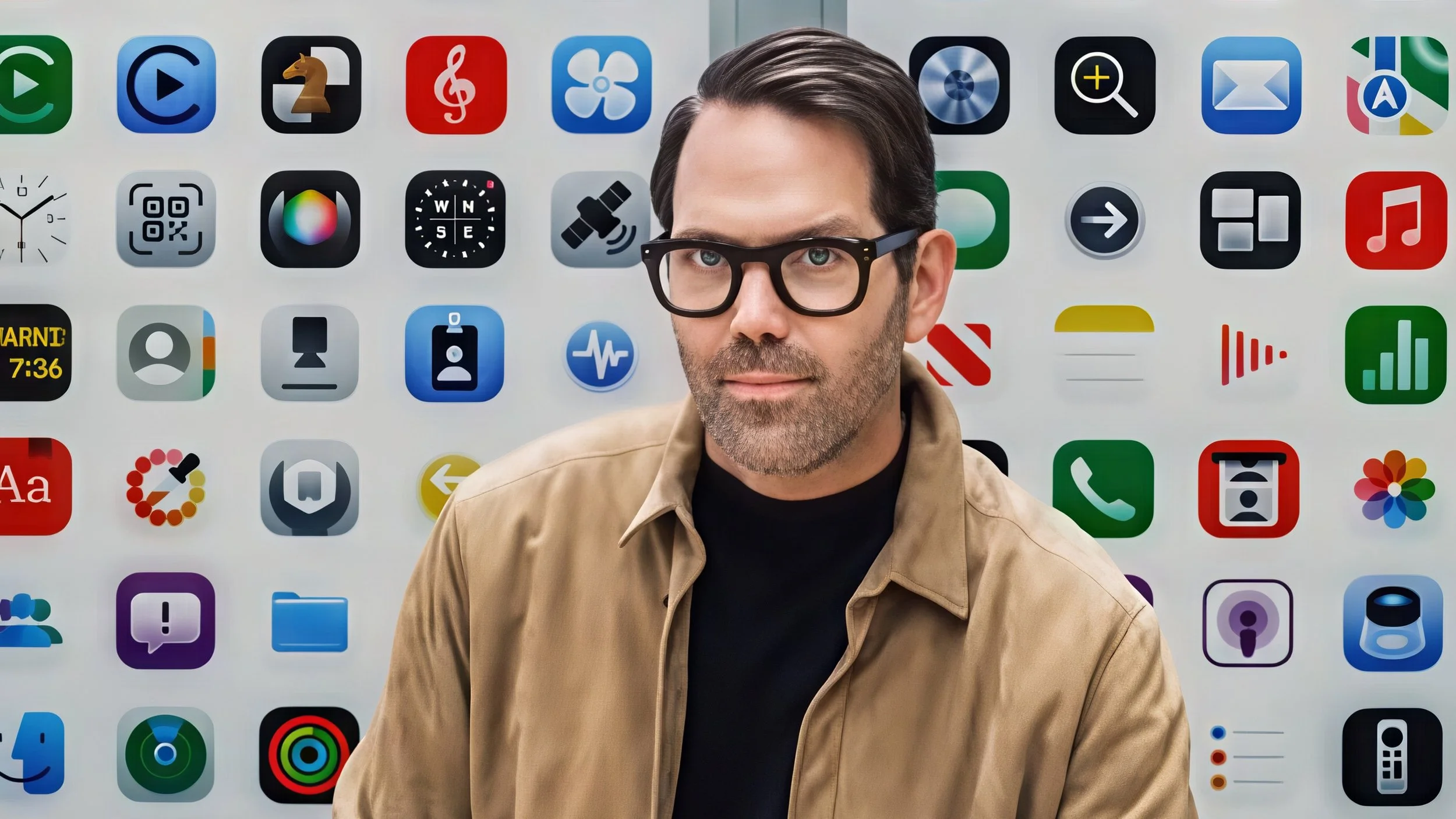
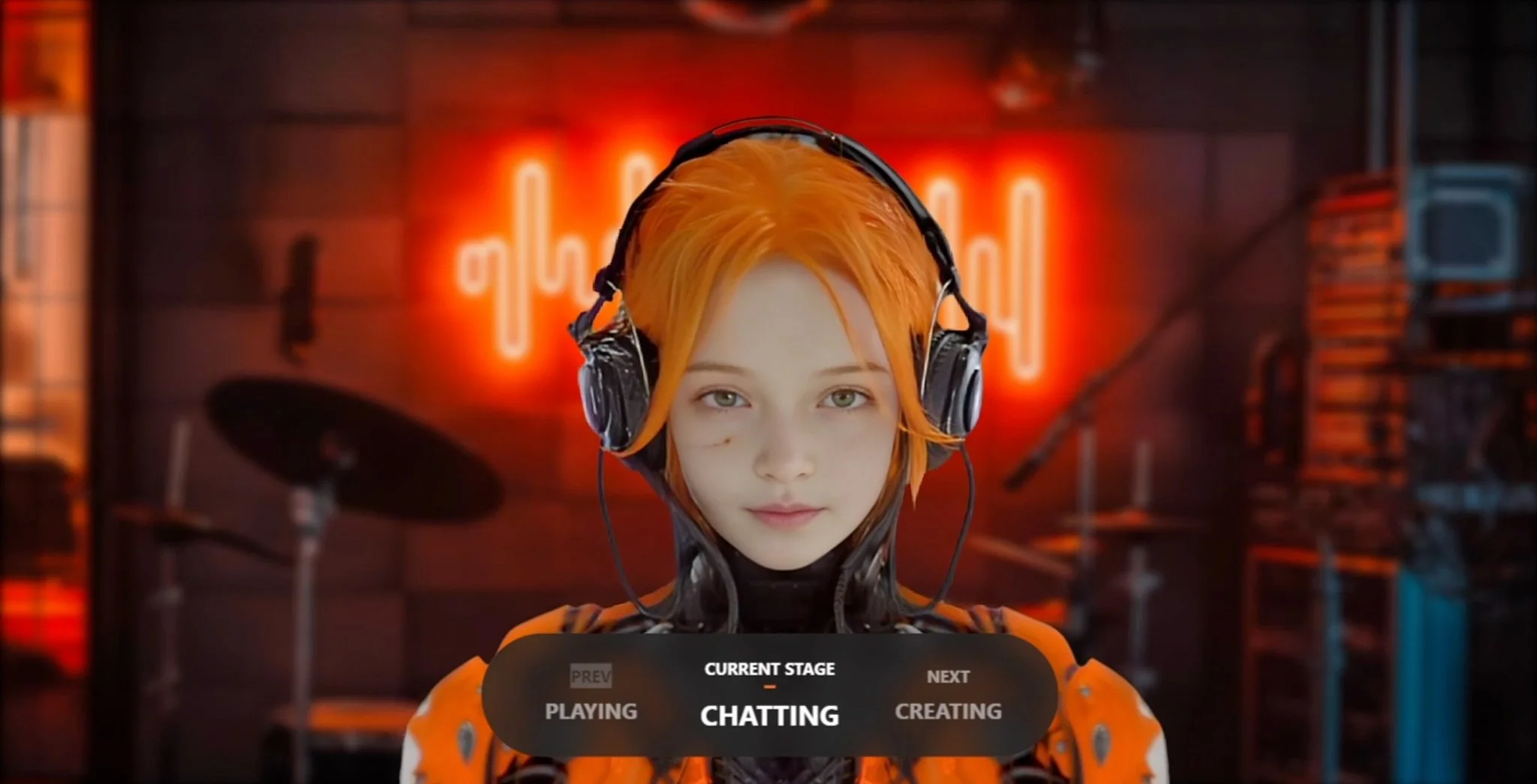
Slipknot co founder and percussionist M Shawn “Clown” Crahan has publicly defended using AI in his creative process, describing it as “a professor in my pocket” and saying he has been “employing AI 190%”. His comments, reported in late December, have re-energised an ongoing split among working musicians: some see AI as another production tool for ideation, while others argue generative systems risk eroding creator income and rely on disputed use of copyrighted recordings.
Crahan’s remarks arrive while the music industry is also shifting, at least in part, from courtroom fights into licensing deals designed to build authorised training and creation systems.

















What Crahan Said
The comments were published in an interview with The Escapist on 22 December 2025 and then widely picked up by music outlets including Louder and NME.
In the interview, Crahan frames AI as a responsive helper rather than a replacement for artistic direction. Louder reports he compared AI to having an always available “professor in my pocket” and positioned it as a way to explore options without giving up control.
Louder also reports a concrete music creation use case: Crahan says he has written large volumes of poetry and uses AI to explore different ways to sing his own words while keeping the underlying writing intact.



























Simply Pressing a Button?
Crahan’s argument is less about fully synthetic “press a button, get a song” output and more about AI as an iterative creative assistant. That distinction matters because the technical and policy debate often mixes two different categories:
Assistive workflows, where an artist uses tools to explore arrangement, phrasing or performance ideas from their own material
Generative systems that can produce complete tracks from prompts and may imitate styles, voices, or catalogues at scale
The controversy sits mostly in the second category, because questions about training data, imitation, and the economics of scale become harder to ignore when a tool can create thousands of tracks quickly.












Aesthetic Music?
Louder frames Crahan’s stance as “breaking rank” with parts of the metal scene and notes that some musicians have criticised AI generated music on creative and ethical grounds, including Crahan’s bandmate Corey Taylor and Killswitch Engage vocalist Jesse Leach.
The disagreement is not only aesthetic. It is also about trust, provenance, and whether creators can realistically opt out of the data pipelines that power modern generative models.















Unlicensed Training?
In June 2024, major record companies filed lawsuits against AI music generators Suno and Udio, alleging copyright infringement connected to how these systems were developed and what they can output. Reuters summarised the suits and noted both companies have argued their activities are protected under fair use, and have characterised the litigation as anti competitive.
Australia’s ABC also explained the dispute at the time as major record companies suing Suno and Udio for copyright infringement, reflecting how widely the issue has been framed for the public.
Because these matters are still shaped by litigation and settlements, the safest and most accurate wording is that labels have alleged infringement and the AI firms have contested it. That keeps reporting aligned with what is known and what is still disputed.




















A move Toward Licensed AI Music Models?
Over the past few months, the market has shown a clearer direction: major rights holders are pushing for licensed and authorised AI music creation systems.
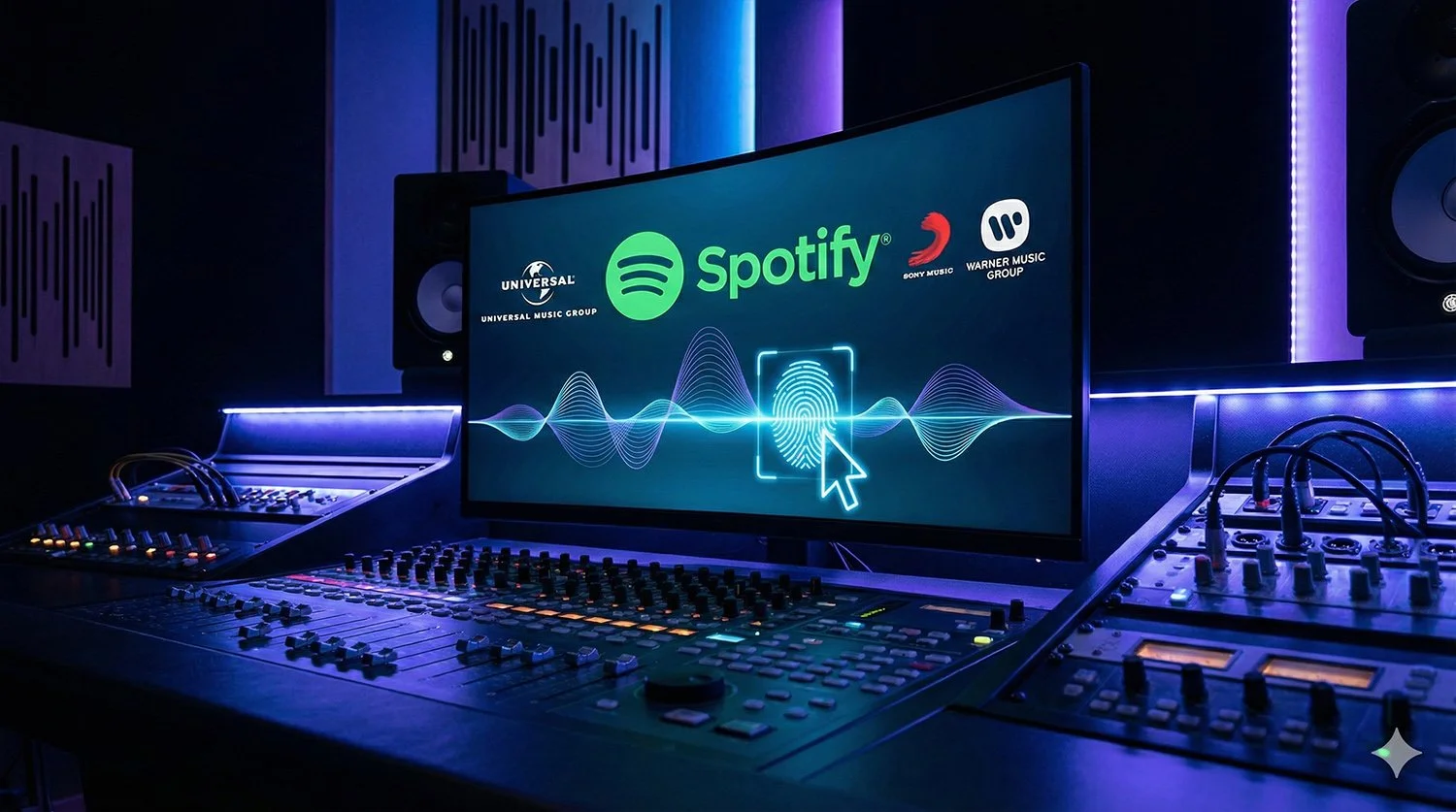
Universal Music Group settled its dispute with Udio and announced a partnership aimed at developing generative AI tools using authorised and licensed content, according to Reuters.
Warner Music Group also settled with Udio and said the companies plan a subscription based AI song creation platform in 2026 using models trained on licensed and authorised songs, Reuters reported.
Warner later settled with Suno, and Reuters reported the agreement would enable Suno to launch licensed AI models in 2026, replacing its current unlicensed versions, along with product restrictions around downloads tied to account tiers.
Separately, KLAY Vision announced licensing agreements with all three majors and their publishing divisions, with Universal and Sony Music also publishing their own announcements.
Taken together, these moves suggest the centre of gravity is shifting toward “licensed first” AI music creation, at least for products intended to integrate with mainstream commercial catalogues.

















The Problem of Labelling and Detection
At the distribution layer, platforms are dealing with a different operational problem: scale.
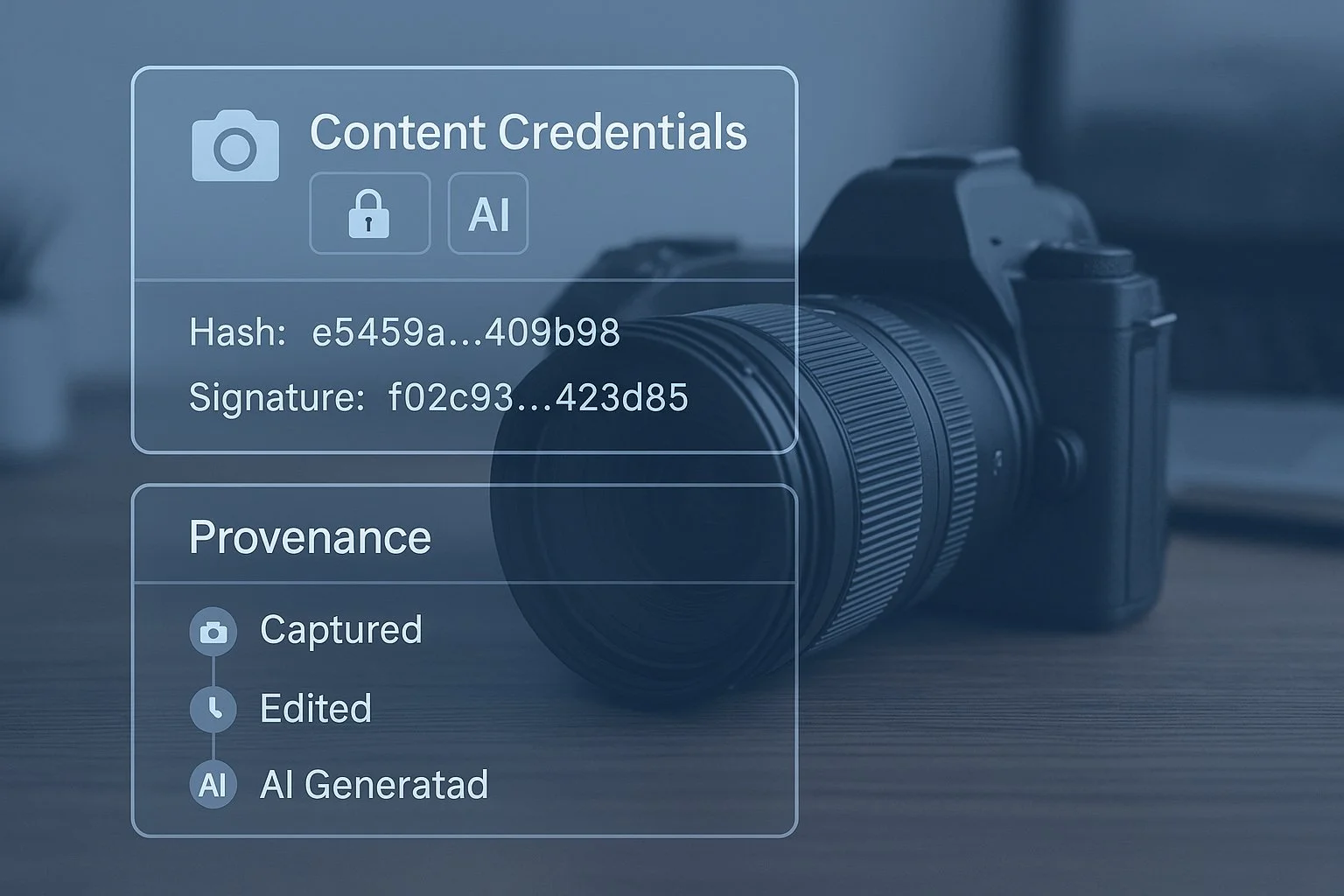
Deezer has been one of the most explicit. Reuters reported in April 2025 that around 18% of tracks uploaded to Deezer were fully generated by AI at the time. Deezer later said it began explicitly tagging AI generated music in June 2025.
More recently, Deezer said its detection tooling has tracked a rising volume of fully synthetic submissions, and it stated that it receives over 50,000 fully AI generated tracks a day.
Spotify has also outlined policy and enforcement steps aimed at impersonation and spam, including improved enforcement and disclosures for music created with AI tools, based on its September 2025 newsroom update.
For creators, these platform measures matter because they influence visibility and monetisation. For listeners, labelling and filtering are becoming central to whether AI created music is treated as a novelty, a nuisance, or a normal category.






















The Australia Angle
In Australia, the policy conversation has been moving toward letting licensing markets develop instead of creating a new copyright exception for AI training.
APRA AMCOS said the Productivity Commission’s final report recommends a three year monitoring period focused on how licensing markets develop and how AI affects creative incomes, rather than making immediate copyright changes. ARIA welcomed the same final report and argued it supports licensing and does not justify new carve outs.
The Guardian reported the Productivity Commission dropped its earlier proposal for a new exception after strong backlash and noted the government had rejected the exemption in October 2025.
From a music creation perspective, this policy stance lines up with the industry direction seen in the US settlements: permissioned datasets and negotiated terms, rather than broad free use of copyrighted catalogues.







































 TheDayAfterAI News
We are a leading AI-focused digital news platform, combining AI-generated reporting with human editorial oversight. By aggregating and synthesizing the latest developments in AI — spanning innovation, technology, ethics, policy and business — we deliver timely, accurate and thought-provoking content.