
NDIS to Launch Computer-Generated Plans for 750,000 Users by Mid-2026
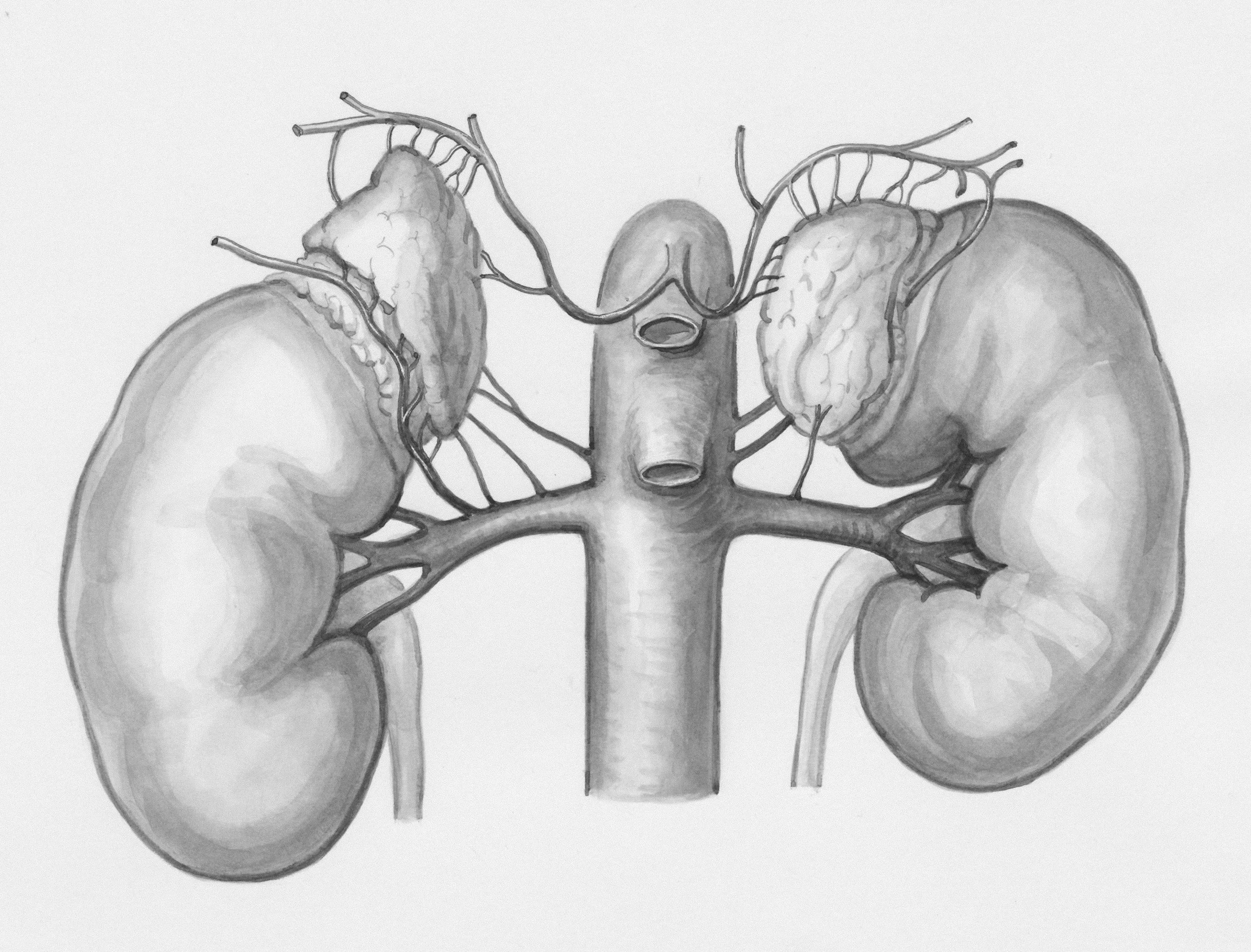
AI-generated Image (Credit: Jacky Lee)
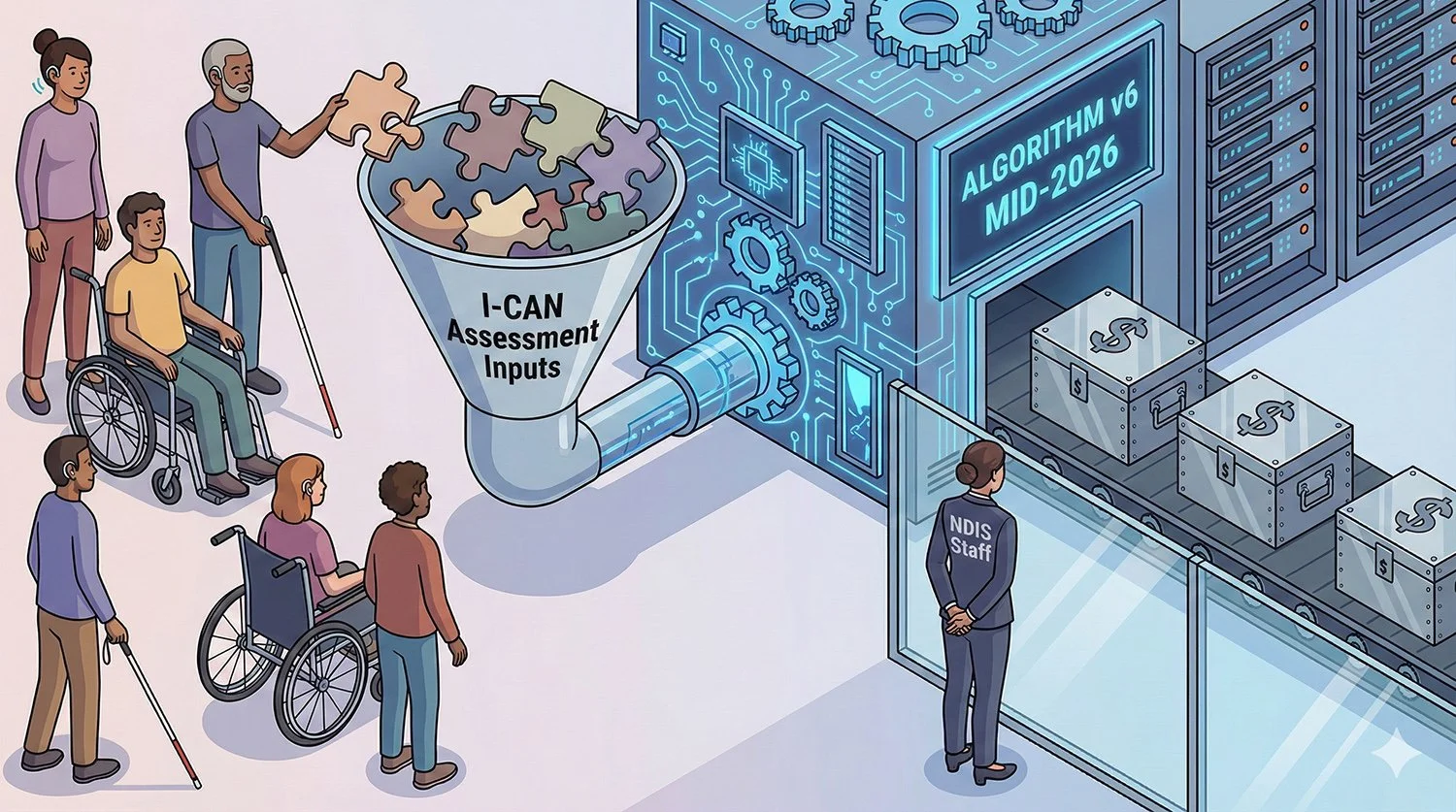
Australia’s NDIS is preparing to introduce a new planning model from mid-2026 that will use the I-CAN version 6 needs-assessment tool to generate budgets and support plans, with NDIA staff reportedly losing the ability to amend the computer-generated funding amounts under the approach outlined in an internal briefing seen by Guardian Australia.























NDIS to Shift Toward Computer-generated Plans under New Framework
The National Disability Insurance Agency is planning a staged rollout of “New Framework Planning” from mid-2026, after previously indicating changes could begin earlier. The agency says the transition will be gradual and shaped by ongoing feedback.
According to Guardian Australia, a recent internal staff briefing set out a model in which an assessor conducts a structured support needs assessment, the information is entered into I-CAN version 6, and the tool generates a funding budget that NDIA staff cannot alter — other than by requesting a new assessment with different or corrected inputs.
The government procured a licence for I-CAN version 6 in September as part of broader reforms aimed at simplifying assessment and improving consistency. The tool was developed by the University of Melbourne and the Centre for Disability Studies and has been used across the disability sector for around two decades, according to the briefing details reported by the Guardian.

























Cost Pressures and Consistency Concerns
The NDIS, launched in 2013 following the Productivity Commission’s 2011 inquiry, now supports more than 750,000 Australians. The government has publicly stated a goal of slowing annual participant growth from about 12% to around 5–6%.
Budget and policy debate over the scheme’s expanding cost base has intensified in recent years. Earlier budget reporting has projected NDIS spending at roughly AUD 48.5 billion in 2024–25, rising further over the forward estimates.
While the NDIA argues a more standardised assessment pathway could reduce human error and the burden on participants to gather extensive medical evidence, critics fear an overly rigid model will fail to capture complex or atypical needs.


























What Changes for Participants Under the Reported Model
Based on the staff briefing reported by the Guardian, the reforms could also significantly reshape review and appeal dynamics. The Administrative Review Tribunal would reportedly no longer have authority to directly alter a participant’s plan or reinstate funding, instead being limited to ordering that the NDIA conduct another assessment.
The NDIA has said participants will continue to have review rights under the new process, including tribunal review, with reassessment mechanisms remaining available.






















Disability Groups Raise Transparency and Rights Concerns
Advocates and disability organisations have warned that removing human discretion and narrowing independent review powers risks repeating failures of past automated government approaches. The Guardian reports that some advocacy leaders and disability participants have called for stronger transparency, clearer information about assessor training, and safeguards against bias or underfunding for people whose circumstances do not fit neatly into standardised categories.
The reported model has also prompted concern among staff and unions about potential workforce impacts in planning roles, though the NDIA has framed these changes as part of a broader effort to ensure the scheme is sustainable and consistent.



























AI already Expanding Inside Government
The plan shift follows earlier reporting that the NDIA has used machine learning to assist with draft budget planning and that about 300 staff participated in a six-month Microsoft Copilot trial for non-client-facing tasks. The agency previously said these tools were not used for direct client decisions, and that human delegates remained responsible for final determinations under the NDIS Act.
More broadly, the federal government’s newly released National AI Plan includes funding to establish an AI Safety Institute in early 2026, signalling an intent to strengthen governance and risk oversight for AI adoption across the public sector.



























Outlook
The NDIA’s public messaging emphasises a staged, consultative transition to New Framework Planning from mid-2026.
However, the internal-briefing details reported by the Guardian suggest a sharper reduction in discretionary planning and a more constrained appeal outcome than is currently standard.
A central question for the coming months will be whether the final policy design embeds robust “human-in-the-loop” safeguards, clearer transparency about how I-CAN inputs map to budgets, and meaningful mechanisms to address outlier or highly complex cases — without recreating the inconsistencies and delays the reforms aim to fix.
























Source: ABC News, The Guardian, NDIS, Industry
















 TheDayAfterAI News
We are a leading AI-focused digital news platform, combining AI-generated reporting with human editorial oversight. By aggregating and synthesizing the latest developments in AI — spanning innovation, technology, ethics, policy and business — we deliver timely, accurate and thought-provoking content.