
NBN Co and RMIT Launch AI-Informed Digital Twin Lab for Network Planning
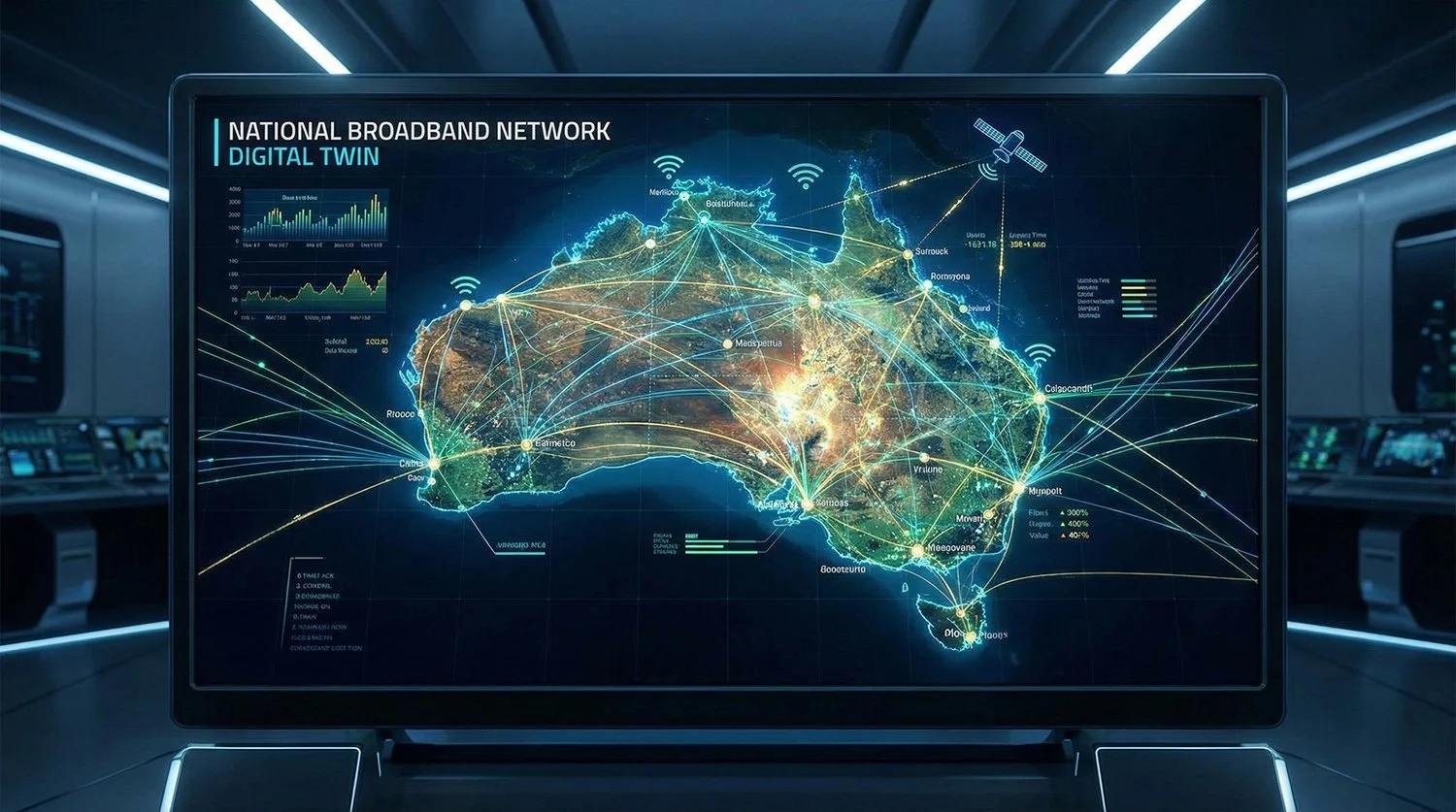
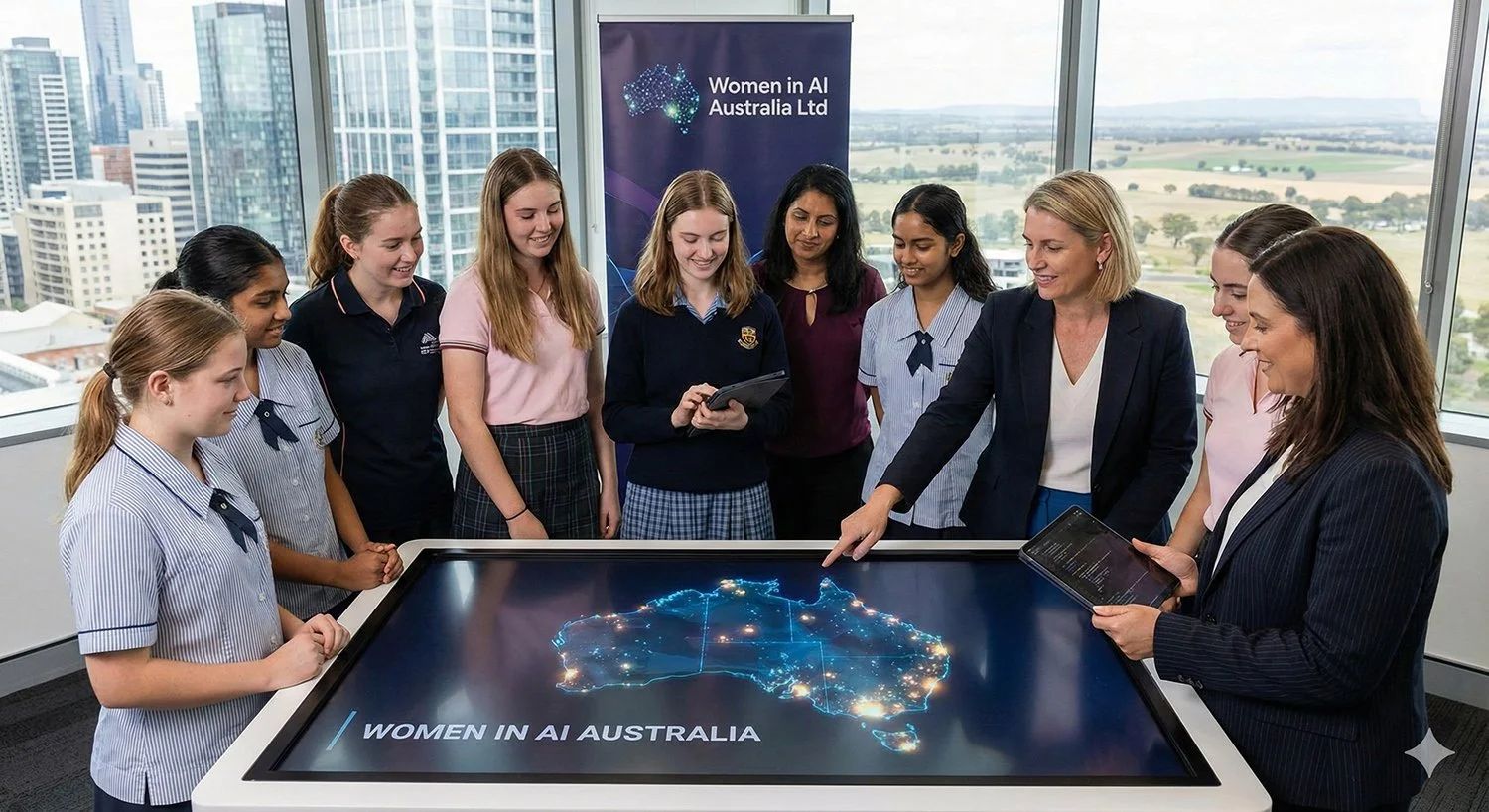
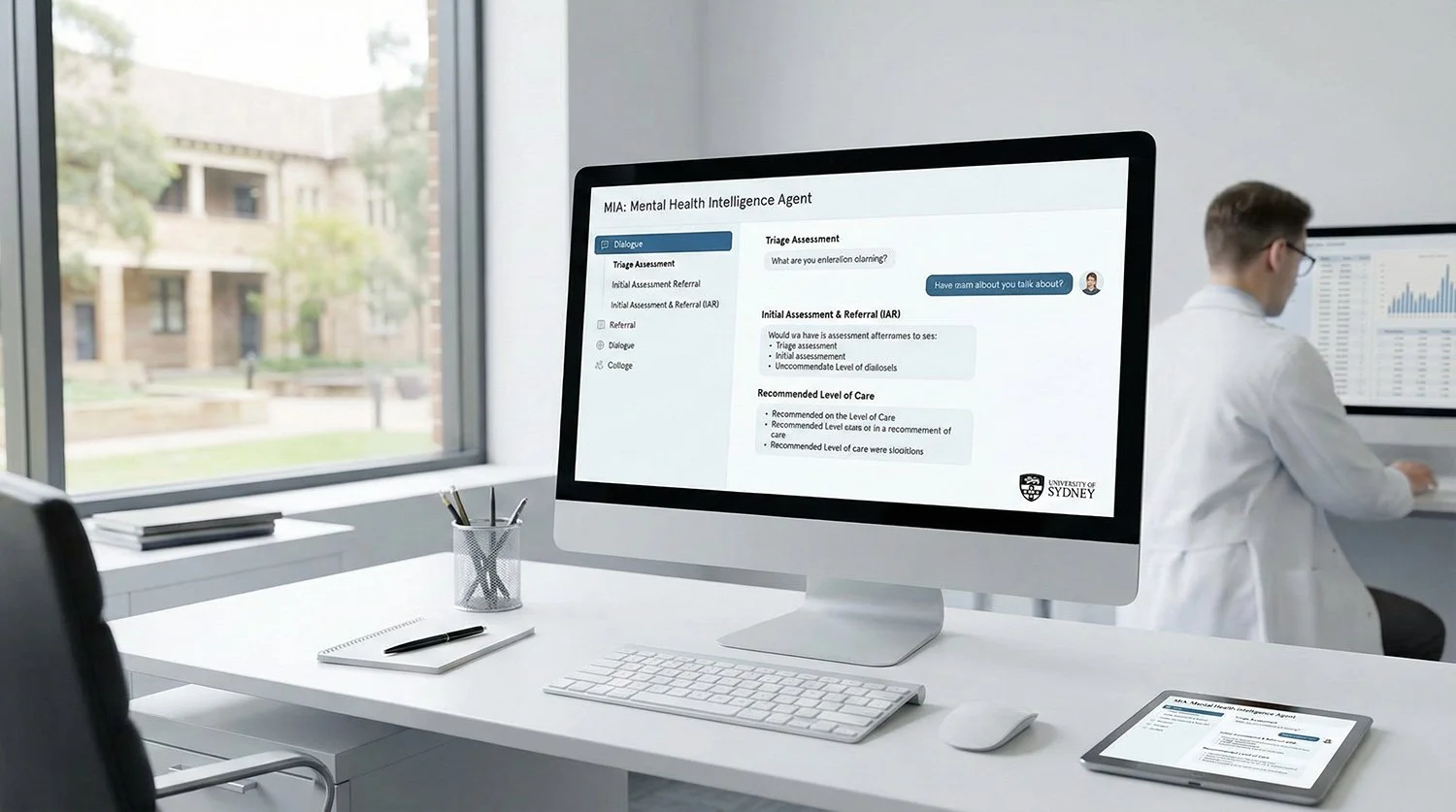
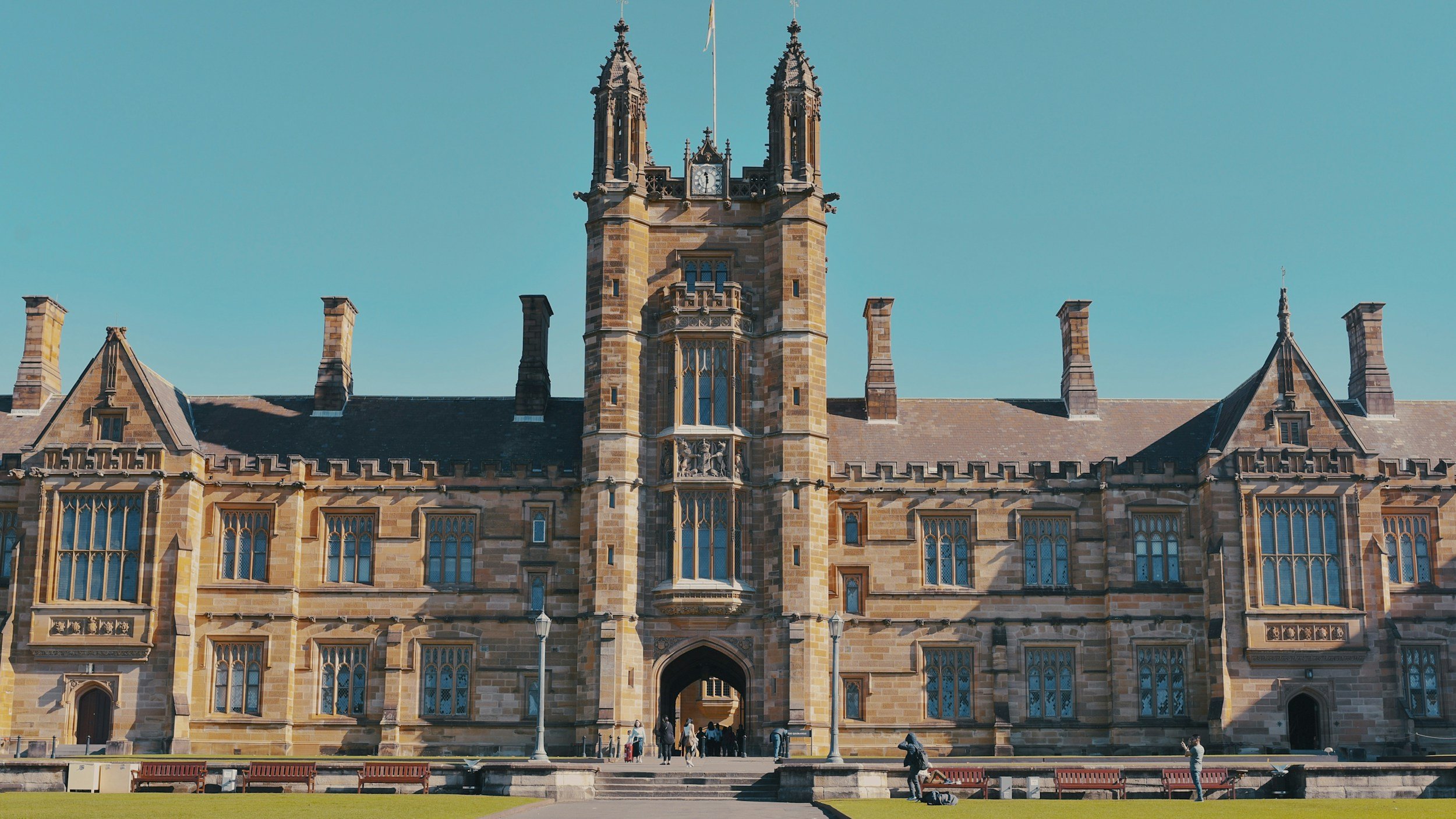
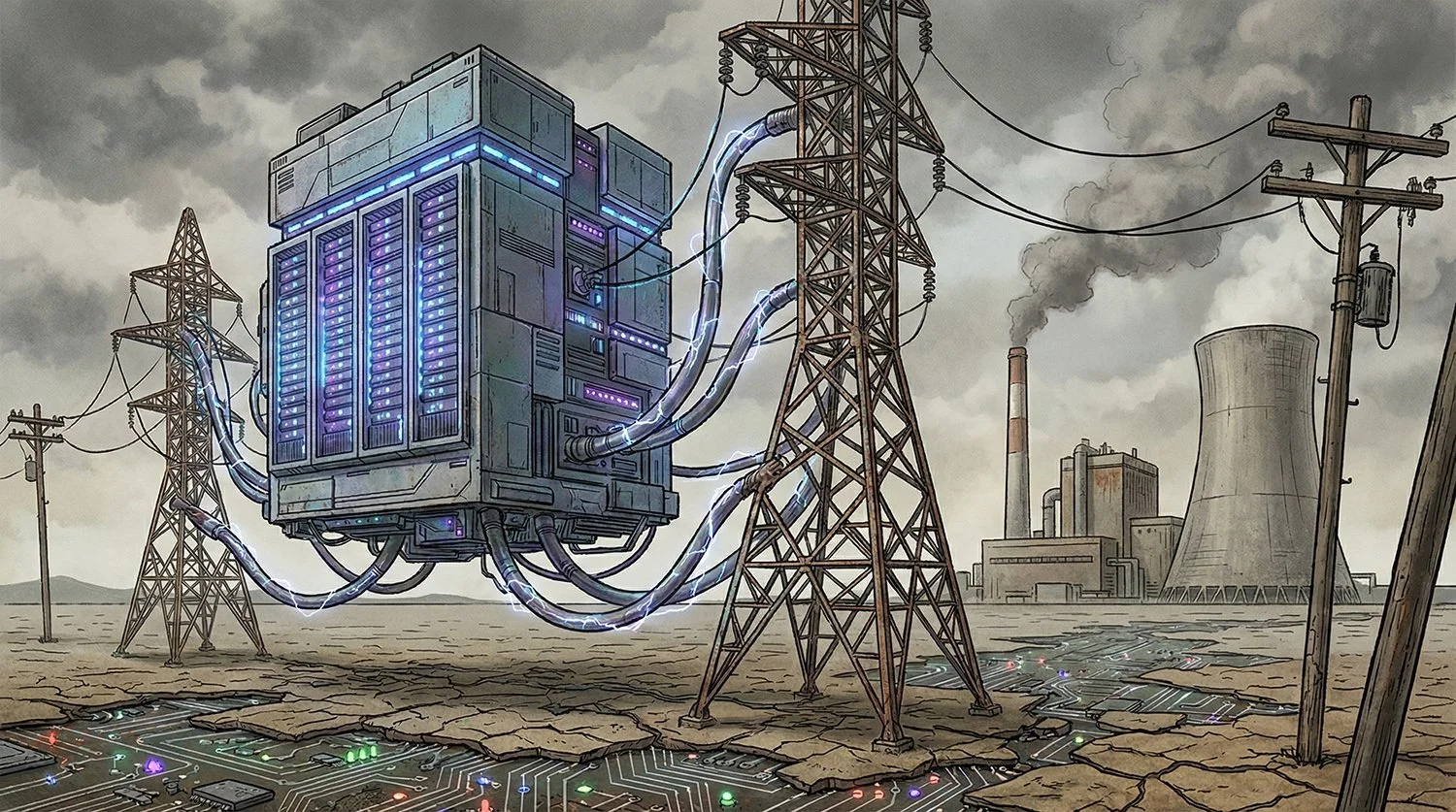
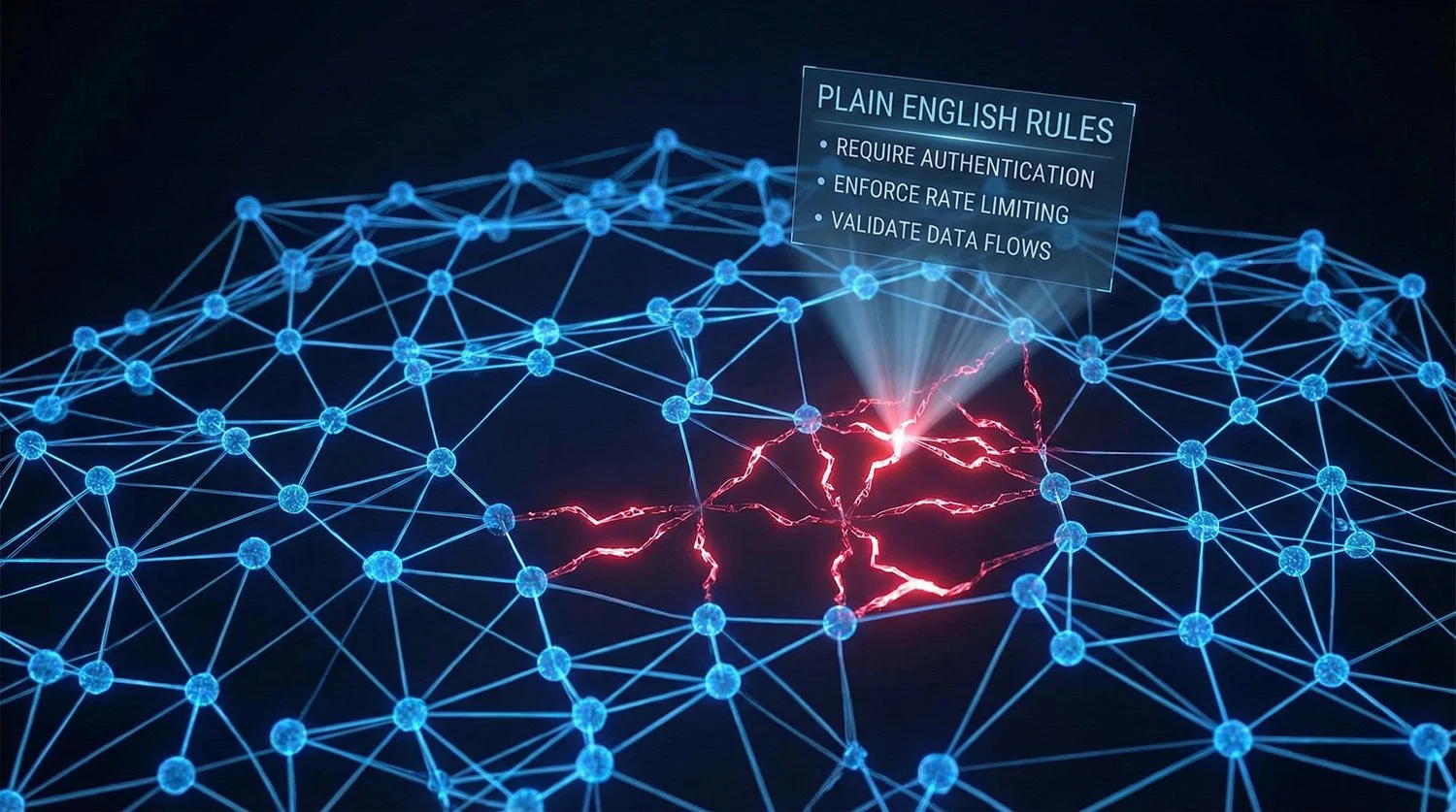
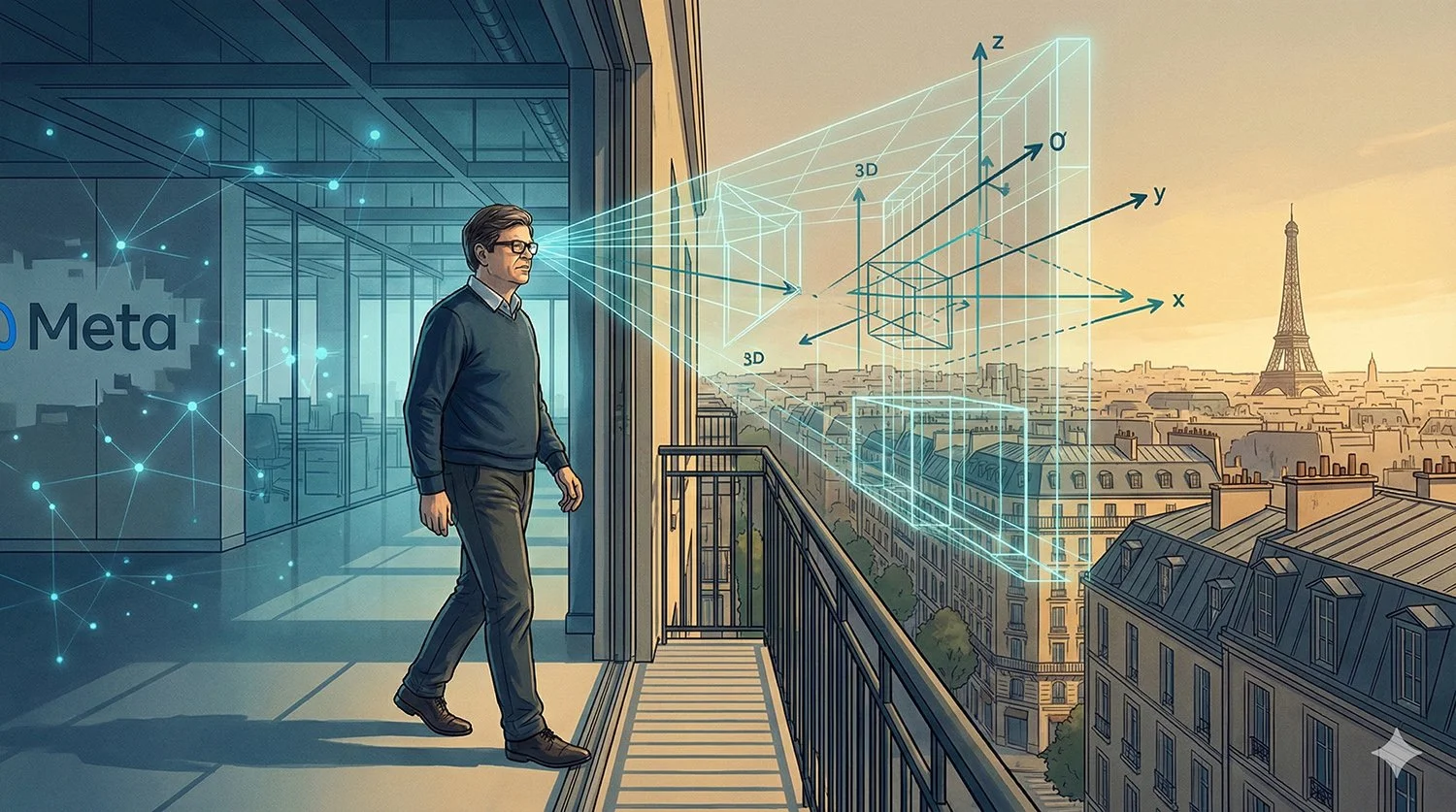
AI-generated Image for Illustration Only
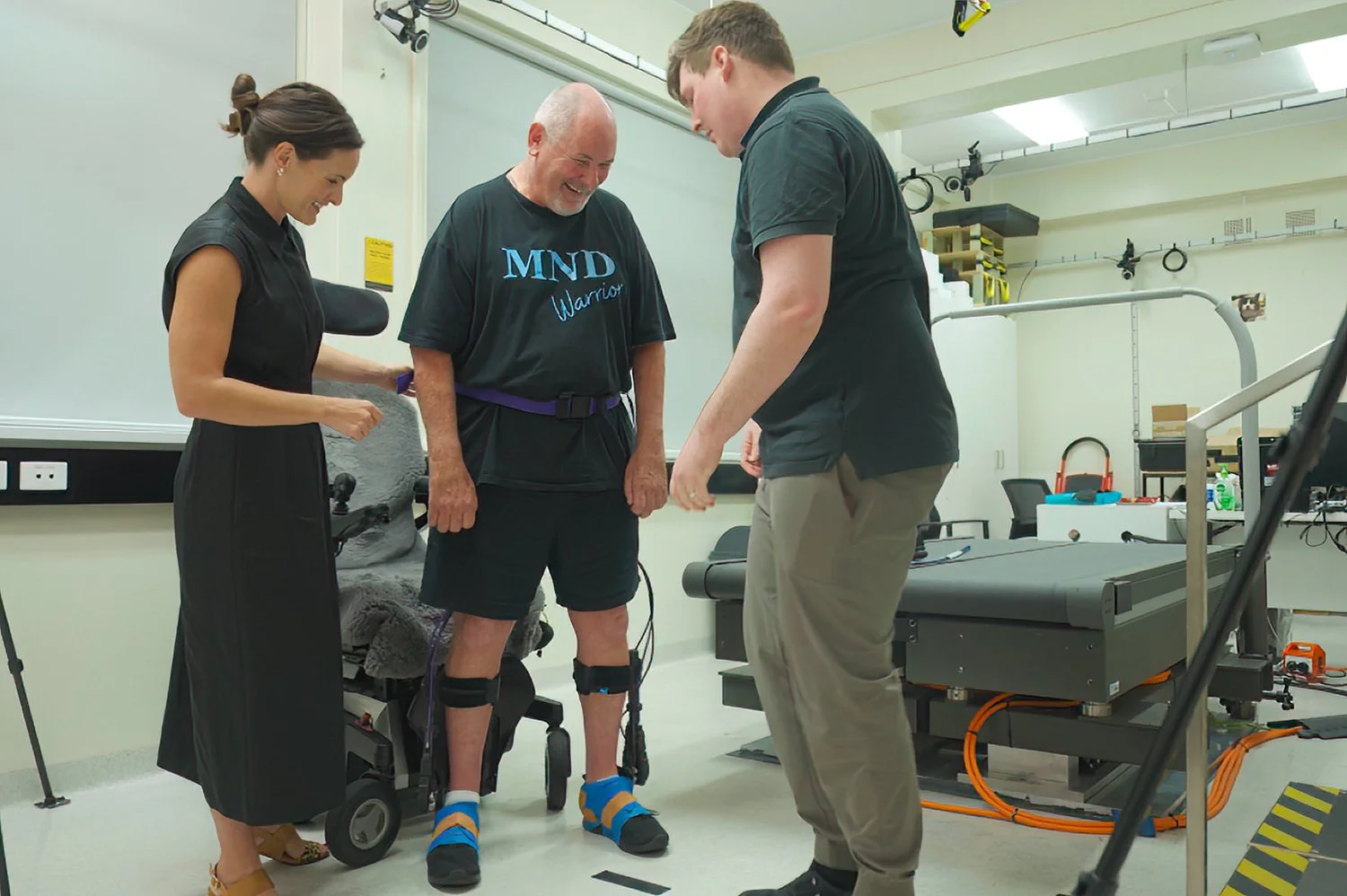
(Credit: Jacky Lee)
NBN Co says it is partnering with RMIT University under a new three year ASTRID agreement that includes exploring a “digital twin capacity” to model the nbn network for scenario planning and options analysis, alongside work supporting NBN Co’s AI and robotics programs.
The announcements were published on 9 December 2025 by NBN Co and RMIT, with follow up reporting by Australian IT outlets in the days that followed.

















First University Partner in Victoria
NBN Co’s media statement (dated 9 December 2025) says the partnership will create a new research team and explore collaborations including a digital twin capability and support for AI and robotics programs, as well as career pathways for graduates and postgraduates including women in STEM.
RMIT’s release (also dated 9 December 2025) describes the same three year agreement and says RMIT is the first university partner in Victoria and the second in Australia under ASTRID, framing the program around strengthening Australia’s critical digital infrastructure capabilities.
















Different Naming of The Same Lab?
Public materials use two labels that appear related but are not explicitly confirmed as identical:
NBN Co and ARN refer to an exploratory laboratory called R NEX Lab.
RMIT’s release says it will establish a Broadband Technology Research Unit as part of the partnership.

















What NBN Co Says The Digital Twin Is Intended To Do
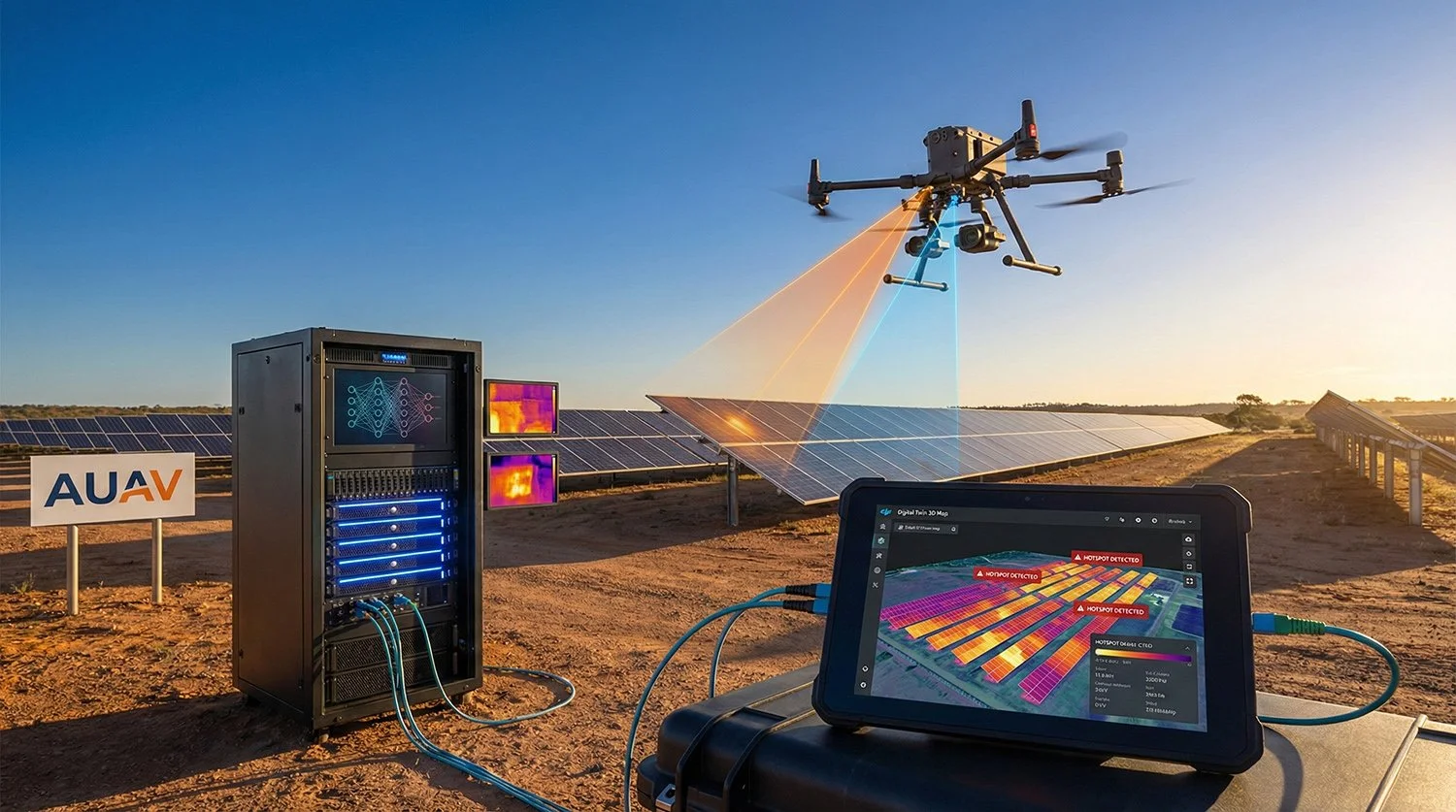
In RMIT’s announcement, NBN Co Chief Technology Officer Guy Scott describes the digital twin as a tool for modelling the nbn network and services over the next decade and beyond, using large real world datasets, with the goal of validating forecasts and informing cost design and lifecycle decisions.
The same statement links the work directly to operational outcomes: optimising network performance, mitigating congestion, reducing planned and unplanned outages, and improving resilience during extreme weather events. It also refers to developing predictive measures for forecasting network availability and performance, and enabling more proactive network management to improve customer experience.




























Where The AI Fits
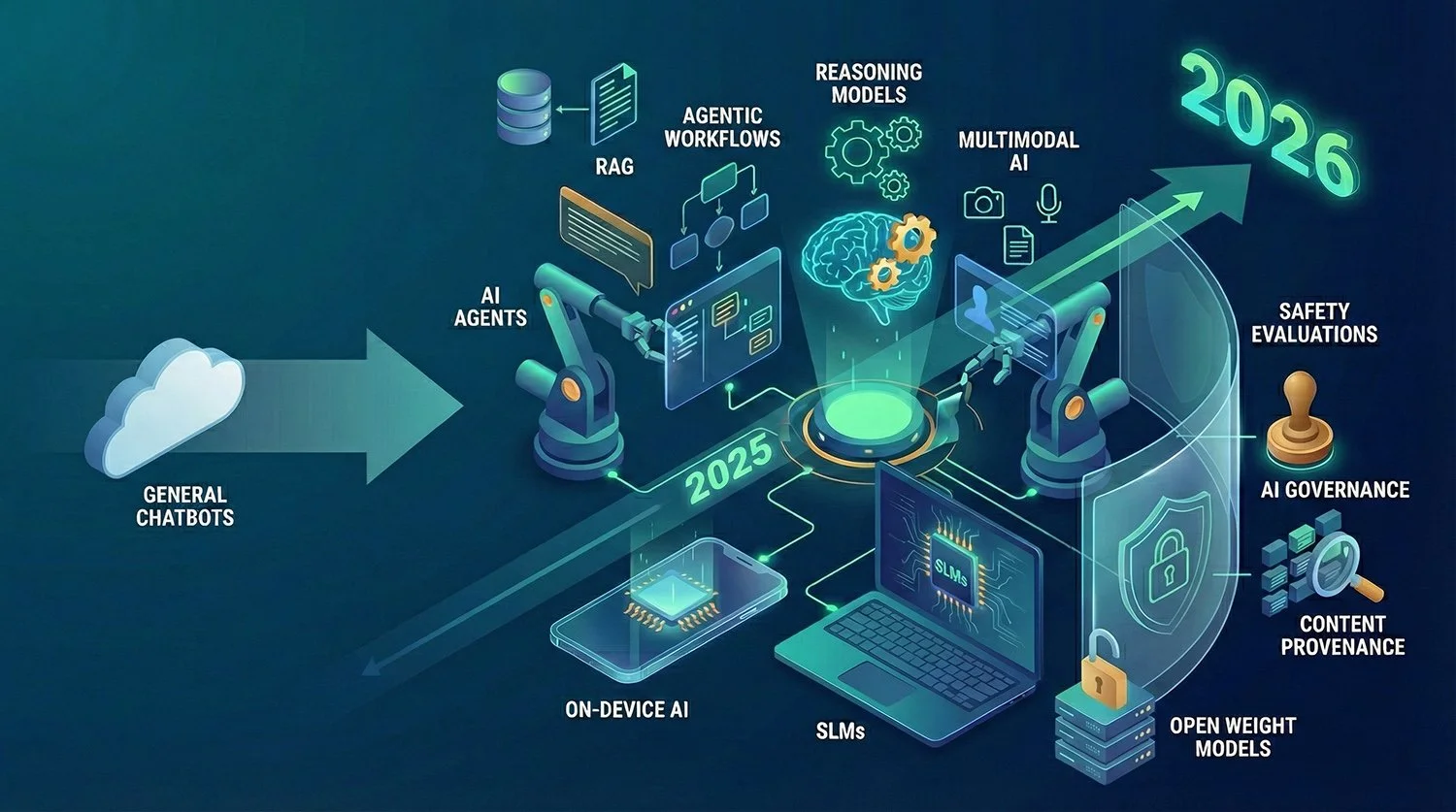
The public releases do not spell out technical implementation details such as model types, vendor platforms, training methods, or how data will be governed. What they do make clear is the intended role for AI: turning large operational datasets into forecasts and predictive measures that inform planning and resilience decisions.
Additional detail comes from iTnews reporting (12 December 2025), which quotes an NBN Co spokesperson saying the company has been investigating what network information could usefully inform a digital twin, and how to access information in near real time. The spokesperson also describes exploring technologies and logic for a “current state” digital twin that would show what is happening on the network, how customer services are performing, and the relationship between the two.














This Is Not NBN Co’s First Move on Digital Twins
The RMIT partnership builds on a longer internal runway.
iTnews reports in December 2025 that NBN Co’s latest push builds on around six years of internal work with digital twin technology.
In September 2022, iTnews reported NBN Co was signalling intent to build a digital twin and was hiring roles focused on constructing and maintaining it.
This matters because digital twins often fail or succeed on the unglamorous bits: data integration, update cadence, and whether the outputs are operationally actionable, not just impressive to look at.






















Why This Matters for Smart Infrastructure and Resilience in Australia
NBN Co is positioning the digital twin as an infrastructure planning and resilience capability, not simply a network visualisation. The explicit emphasis on congestion, outages, and extreme weather aligns with a broader shift in critical infrastructure management: moving from reactive response to more predictive, scenario based planning.
The ASTRID program context also includes research themes that link network engineering decisions with environmental considerations. For example, UTS’s Telecom Research Unit describes an ASTRID stream focused on reducing the financial, environmental, and consumer impacts of large scale network infrastructure. This does not prove the RMIT work will target environmental outcomes directly, but it shows the wider program framing NBN is using for industry and university research collaborations.






















How This Compares With Similar Digital Twin Approaches Overseas
To put NBN’s direction in context, similar “digital twin plus AI” concepts are already being marketed and trialled in other parts of the telecom ecosystem, though often in different settings:
Network operations and fault finding in private networks: Nokia markets a Network Digital Twin aimed at private network operators, describing AI powered analysis that can suggest actions to resolve issues before they impact operations. This is not a national broadband network equivalent, but it is a clear example of vendors tying digital twins to AI assisted operational decision making.
Deployment and rollout planning in mobile networks: Ericsson’s Site Digital Twin messaging focuses on planning and deployment workflows for mobile networks. Separately, Ericsson has also described work with an operator combining Site Digital Twin with network intelligence and generative AI to stabilise network management during data surges. Again, the target problem differs from NBN’s fixed broadband environment, but the industry direction is similar: simulation plus AI to reduce operational risk.
Climate resilience digital twins across utilities: Outside telecom only use cases, BT has described partnerships with Anglian Water and UK Power Networks to build connected digital twin capability spanning energy, water, and telecom networks to support climate resilience. NBN’s announcement is not a cross utility program, but the extreme weather framing sits comfortably inside this broader international trend.

















What to Watch Next
Based on what is public today, the most useful credibility signals to watch for are practical, not flashy:
Whether NBN and RMIT publish clearer detail on how the digital twin will be validated against real network outcomes, beyond high level objectives.
Whether NBN discloses how a “current state” view would be kept accurate and updateable over time, a challenge its spokesperson has already highlighted in discussing digital twin work.
Whether the work results in tools that are integrated into day to day planning and operations rather than remaining at proof of concept stage.
































 TheDayAfterAI News
We are a leading AI-focused digital news platform, combining AI-generated reporting with human editorial oversight. By aggregating and synthesizing the latest developments in AI — spanning innovation, technology, ethics, policy and business — we deliver timely, accurate and thought-provoking content.