
Refik Anadol’s AI Artwork Showcased on MicroLED at ISE 2025 in Barcelona

Image Source: Absen
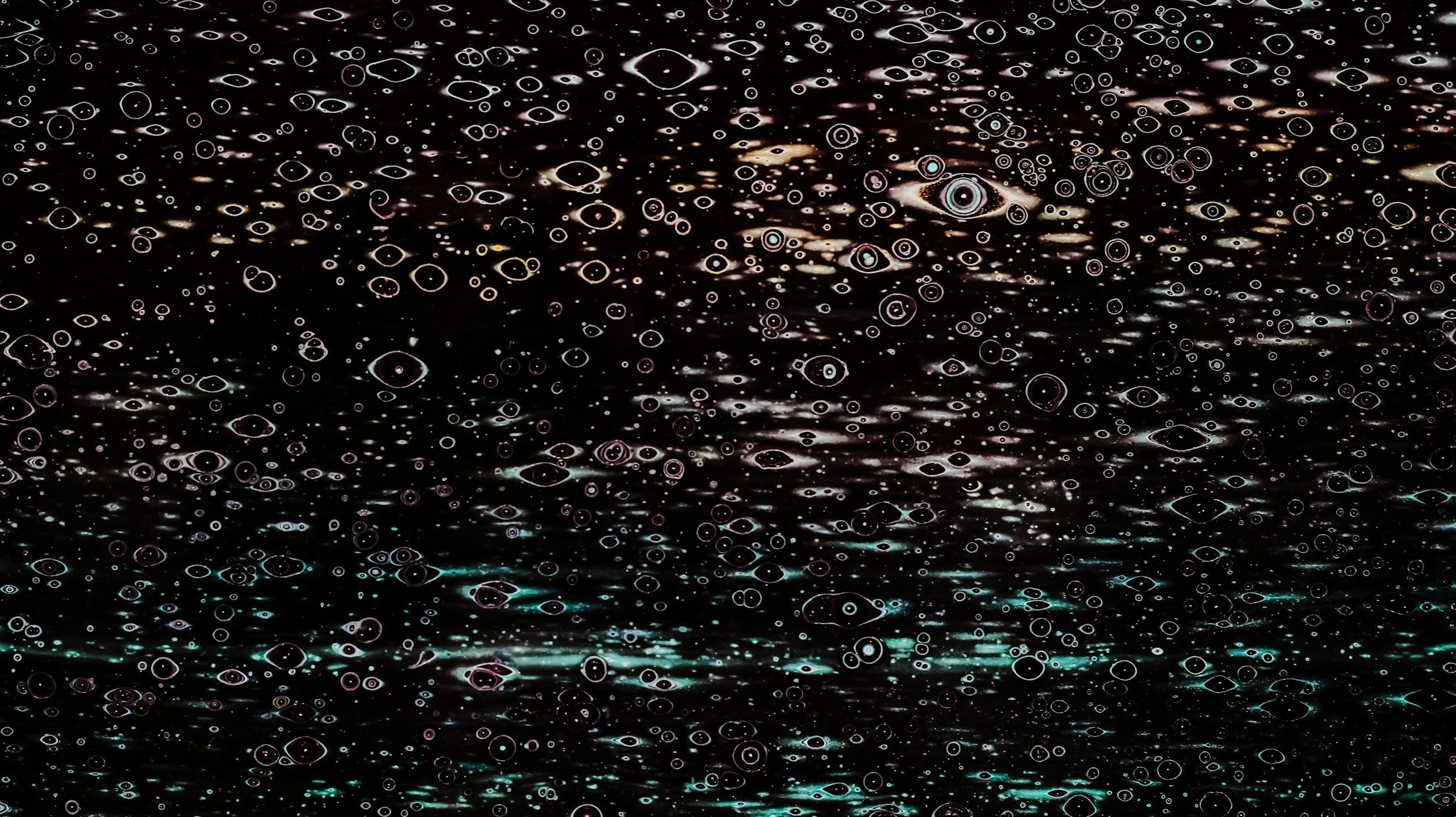
Turkish-American artist Refik Anadol's installation "California Landscapes" was showcased on a large MicroLED screen by Chinese LED manufacturer Absen at the Integrated Systems Europe (ISE) 2025 trade show in Barcelona earlier this year, illustrating the convergence of artificial intelligence and visual arts.
The event, held from Feb. 4 to 7, featured AI-transformed datasets of California imagery into dynamic abstract visuals, attracting industry attendees and highlighting AI's expanding role in creative domains.




















The Installation at ISE 2025
Absen's booth in Hall 3 of the Fira Barcelona Gran Via venue displayed "California Landscapes" on a MicroLED screen sized 4,200mm by 6,075mm with 16.3 million pixels.
The display, model KLCOB0.9 V2, supported ongoing playback with features such as enhanced contrast and minimized glare.
Anadol's piece processed openly accessible images from California's national parks to produce evolving landscapes, offering an engaging experience for visitors.
The partnership sought to illustrate how advanced screens can elevate AI content, with Absen representatives describing it as a demonstration of technology enhancing artistic expression.
ISE drew 85,351 unique verified attendees from 168 countries, marking a record for the event focused on audiovisual and integration technologies, serving as a venue for innovations in immersive sectors like entertainment.






















Background on the Artist and Project
Refik Anadol, born in Istanbul in 1985 and residing in Los Angeles, has developed a practice since the 2010s focused on data as an artistic tool.
As a UCLA faculty member, he established Refik Anadol Studio to merge human input with machine learning, crafting works that depict shared memories via algorithms.
"California Landscapes" first appeared as part of the "Seeing the Unseeable: Data, Design, Art" exhibition at the Alyce de Roulet Williamson Gallery in Pasadena, California, running from Sept. 19, 2024, to Feb. 15, 2025.
Inspired by Anadol's relocation from Turkey, it aims to reinterpret human connections to nature.
The ISE adaptation tailored the work for a commercial setting, teaming with Absen to present it on professional equipment. Anadol has prior partnerships with entities like the Getty, employing environmental datasets to explore ecology and sensory themes.

























How AI Powers the Artwork
The work utilized Stable Diffusion, an open-source AI image-generation model, combined with methods like adaptive discriminator augmentation to create synthetic visuals from input data.
Anadol's method involved inputting landscape images into machine-learning frameworks, enabling algorithms to form abstract patterns autonomously.
This "data painting" technique positions AI as a collaborative tool, interpreting ecological data—drawn from public archives—to yield flowing, layered scenes.
Such approaches emphasize algorithmic handling of real-world information while prompting considerations on data sourcing.
























Analysis: Benefits and Challenges of AI in Art
AI's application in art, exemplified by Anadol's projects, provides benefits including broader creative exploration and streamlined processing of extensive data, allowing novel expressions unattainable through conventional means.
It promotes wider participation, enabling varied users to interact with generative systems, and encourages cross-field partnerships, such as Anadol's efforts in environmental themes.
Drawbacks include questions of originality—debating if AI reduces human innovation—and issues like data ethics or inherent model biases.
Computational demands raise sustainability concerns, particularly relevant to nature-focused art, and some view it as potentially overshadowing manual creators in markets.
Viewed neutrally, Anadol's contributions align with developments since the early 2020s, when models like Stable Diffusion emerged, leading institutions and companies to pursue AI integrations. This has initiated talks on property rights, with Anadol supporting open models for ethical use.



















Future Trends in AI-Generated Installations
Industry observers anticipate AI advancing to more responsive formats, including real-time interactive pieces or augmented reality setups that adapt to observers.
Patterns suggest expansions into areas like design and heritage preservation, using varied data for simulating environments or traditions.
Anadol's nature-oriented AI fits with rising focus on responsible tools, possibly influencing guidelines that weigh progress against oversight.
As traditional methods endure, combined approaches may grow in public displays by the decade's end, altering views on automation in creation.























 TheDayAfterAI News
We are a leading AI-focused digital news platform, combining AI-generated reporting with human editorial oversight. By aggregating and synthesizing the latest developments in AI — spanning innovation, technology, ethics, policy and business — we deliver timely, accurate and thought-provoking content.