
Australia’s Social Media Ban: High Court to Hear Reddit and Constitutional Challenges

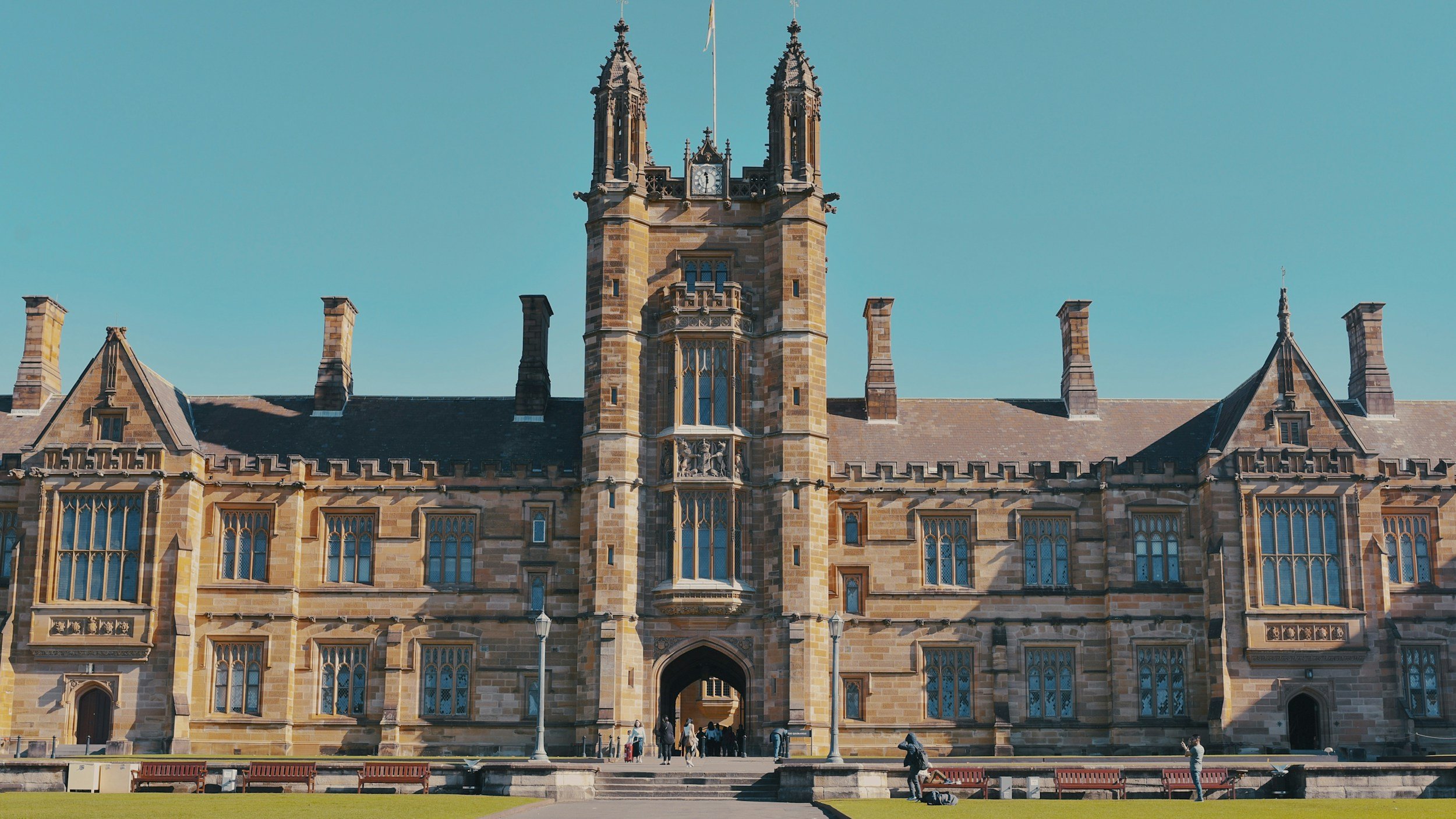
Image Credit: Ralph Olazo | Splash
Australia’s High Court is preparing to hear a constitutional challenge to the country’s new social media minimum age regime, with a parallel dispute involving Reddit now being managed on a coordinated timetable, according to reporting on recent court directions.
At the centre of the dispute is a policy question with a very practical technology consequence. How can platforms prove a user is old enough without creating a new pipeline of sensitive data that becomes a privacy and security risk.























What The Law Actually Requires from 10 December 2025
The social media minimum age scheme starts on 10 December 2025. Rather than penalising teens or parents, it places the onus on providers of “age restricted social media platforms” to take reasonable steps to prevent Australians under 16 from creating or keeping accounts.
A key detail often missed in public debate is that the legislation is technology neutral. It does not mandate biometric checks, identity cards, or any single technical approach. Instead, providers are expected to implement some form of age assurance, an umbrella term that includes age verification, age estimation, and age inference methods.















Why the AI Angle Is Front and Centre
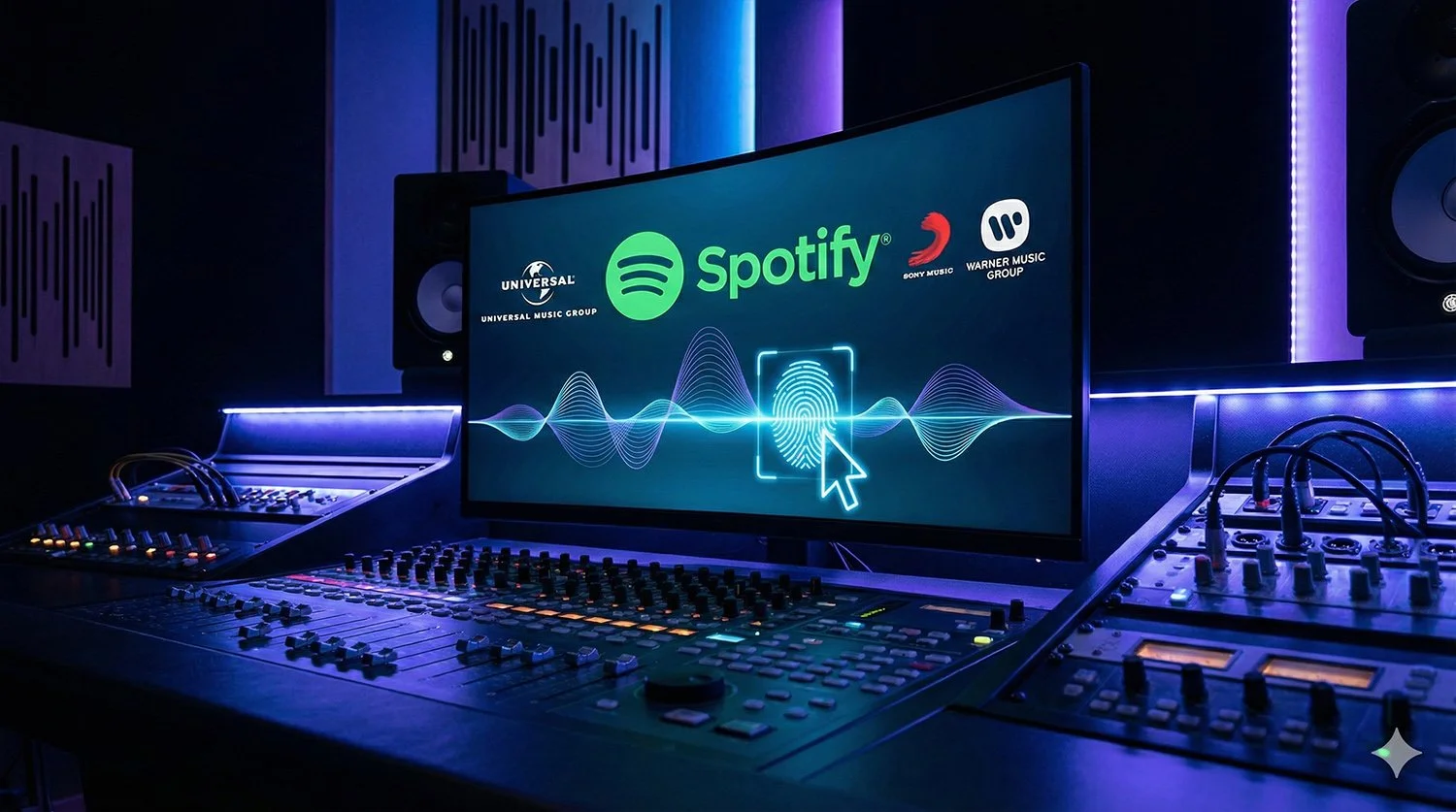
Age assurance becomes an AI story the moment platforms lean on age estimation, where machine learning models estimate age from signals such as a selfie image. The government commissioned an Age Assurance Technology Trial that includes evaluation of age estimation and other approaches, reflecting how central AI driven methods are to the implementation debate.
That is the technical tension. AI based estimation can reduce the need to collect full identity documents, but it still often relies on high risk inputs like facial images and must be hardened against spoofing and errors.






















The Cases and What They Argue
ABC reports two teenagers backed by the Digital Freedom Project have brought a special case, arguing the minimum age provisions burden the implied freedom of political communication, and the High Court has agreed to hear it without delaying commencement.
Separately, Biometric Update reports Reddit is disputing whether it meets the statutory definition of a covered platform and that the matters are being coordinated so issues do not fall “between the gaps”, citing coverage of the directions.
This definition fight matters because it shapes how widely age assurance tooling could be deployed across the internet. If a service argues it is not “social”, it is effectively arguing it should not be required to build or buy age assurance systems at all.




















Privacy, Security and Ethics: the Real Battleground
If platforms respond by collecting more sensitive data, the privacy and digital security stakes rise quickly.
OAIC guidance stresses proportionality and “privacy by design”, including minimising collection, using low intrusion techniques first, and escalating only when necessary. It also highlights that biometric information used for automated biometric verification can be treated as sensitive information, triggering higher protection expectations.
Crucially, Part 4A introduces strict rules for data collected for SMMA compliance, including purpose limits and a requirement to destroy personal information after it has been used or disclosed for the purposes it was collected for. That is directly relevant to breach risk and data retention creep.
This is where “legal and ethics” meets “digital security”. Even if the policy goal is child safety, implementation still needs to withstand security realities like identity fraud, phishing, third party vendor risk, and the long tail risk of large scale data breaches.


















Why Persona and Overseas Approaches Keep Coming up
Biometric Update notes that Reddit already uses Persona in other jurisdictions. Independent reporting shows Reddit rolled out UK age verification with Persona using selfie or ID based flows, and Reddit says it stores only birthdate and verification status while the third party handles the image check.
Overseas experience also shows how quickly age assurance becomes normalised once laws bite. In the UK, for example, platforms and services have adopted a range of age assurance methods under the Online Safety Act, with public debate continuing around privacy and workarounds.
For Australia, that overseas trend is a preview of a likely next phase. If courts uphold the regime, providers will be incentivised to standardise age assurance flows and vendor partnerships, and regulators will need to keep pressure on data minimisation and security controls.
























What to Watch Next
ABC reports the High Court will hear the special case as early as February 2026. Biometric Update reports key filing dates across February to April 2026, including a draft special case and pleadings timetable for Reddit and parallel timing for the Digital Freedom Project matter.
Those filings should clarify the legal questions the court will actually decide, including how “social media” is interpreted and how far the implied freedom argument can run when Parliament’s stated aim is child safety.



















License This Article
Source: Biometric Update, OAIC, DITRDCSA, ABC News, Reddit














 TheDayAfterAI News
We are a leading AI-focused digital news platform, combining AI-generated reporting with human editorial oversight. By aggregating and synthesizing the latest developments in AI — spanning innovation, technology, ethics, policy and business — we deliver timely, accurate and thought-provoking content.