
AUAV Outlines AI Driven Drone Inspections for Solar Farms, Using Thermal and Visual Data
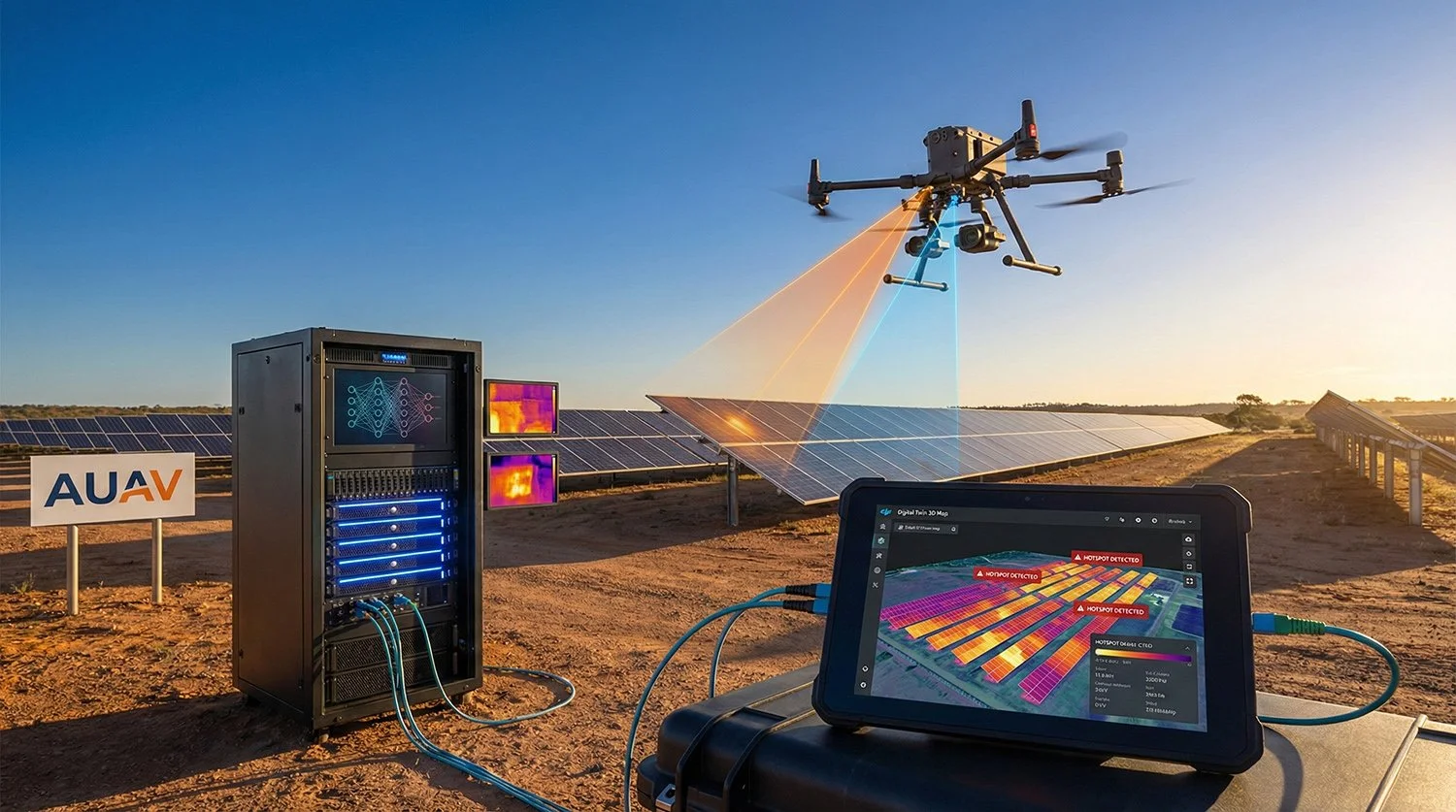
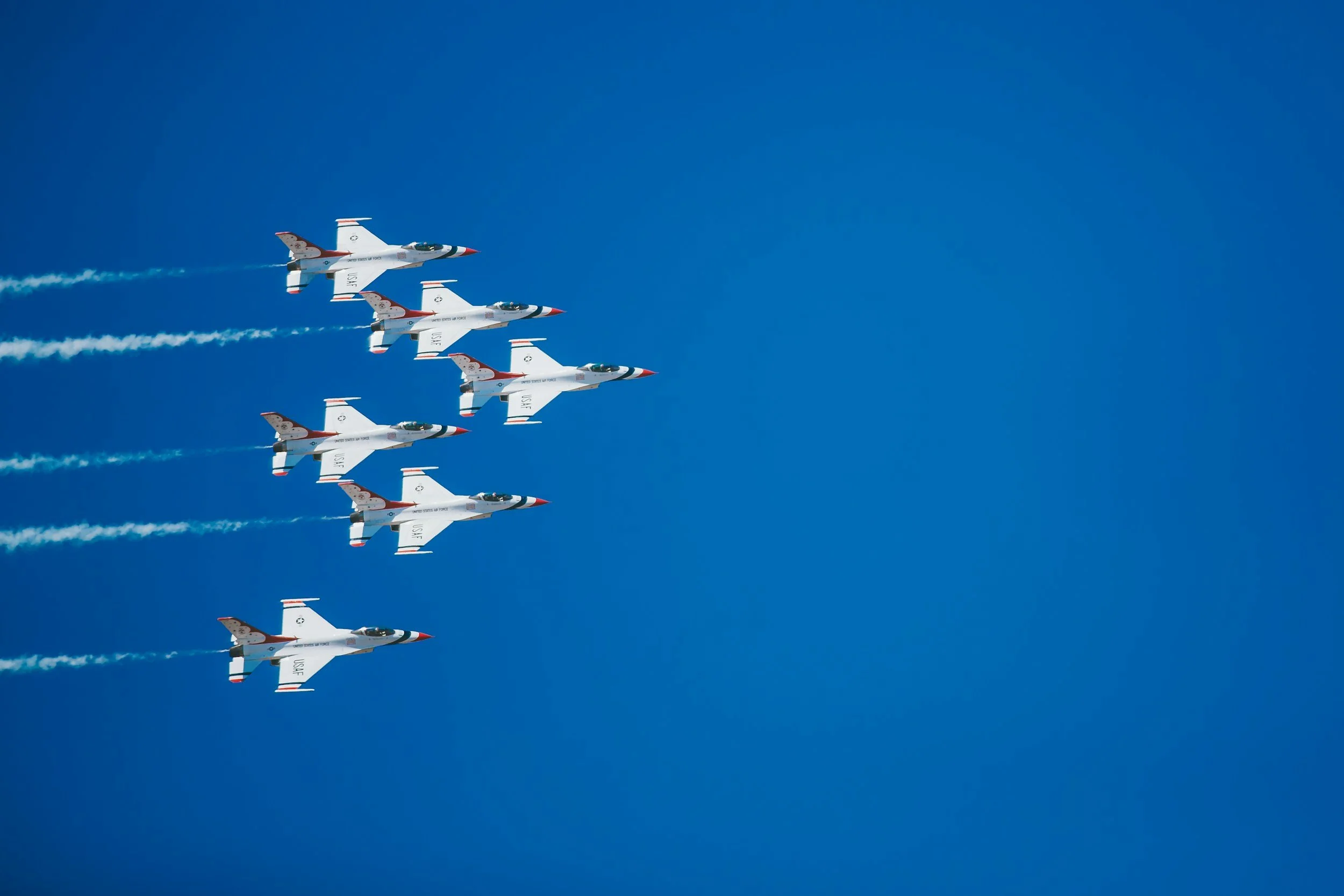
AI-generated Image for Illustration Only (Credit: Jacky Lee)
Australian drone operator AUAV has published a case style write up describing how it is using Above Surveying’s SolarGain platform to turn thermal and visual drone imagery into structured inspection outputs for utility scale solar farms, alongside separate workflows for construction monitoring.


















What AUAV Is Doing
AUAV’s 12 December 2025 post frames the problem as one familiar to solar operators: very large sites, often remote, where manual checks can be slow and inconsistently documented. AUAV says the workflow combines its drone capture services with Above Surveying’s SolarGain analytics and reporting layer.
Above Surveying describes SolarGain as a cloud based platform built for the solar industry that integrates inspection and operational data and maintains an ongoing record of asset condition.

















From Pictures to Structured, Repeatable Decisions
AUAV states that SolarGain processes paired thermal and RGB visual datasets to help operations teams identify and track issues over time, including hotspot style anomalies and other underperformance patterns, and to generate structured outputs for stakeholders.
This is a common pattern in inspection IT: AI does not replace an engineer, but it can reduce the time spent scanning thousands of images and push attention toward likely faults and repeatable categories. Independent technical references support the underlying approach. Thermal cameras measure infrared energy, and non uniform heat signatures can indicate fault conditions that are commonly categorised into anomaly types such as hotspots and bypassed substrings.

















Why SolarGain’s “digital Twin” Detail Matters in Practice
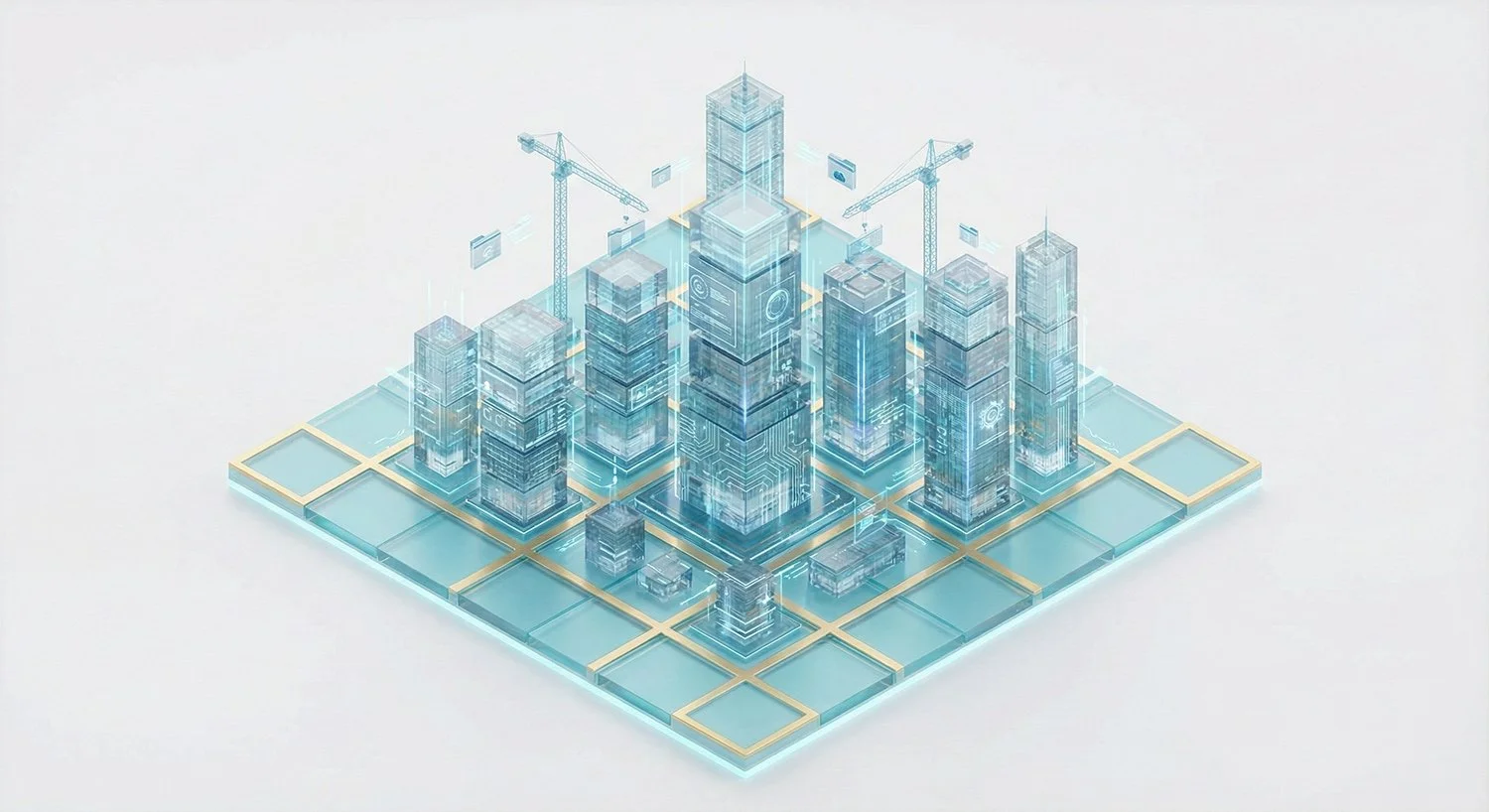
Above Surveying’s own product description highlights a specific design choice: SolarGain’s digital twin is described as modelling both the geospatial and electrical layout of a plant.
This matters because solar inspection outputs become far more actionable when anomalies are tied to the site’s electrical structure and component identity, not just a point on a map. It also aligns with how comparable solar analytics platforms describe their value. For example, Raptor Maps positions its digital twin approach as an interactive, map based record that supports a full historical view of site condition.






















Orthomosaics and Progress Reporting as a Parallel Workflow
AUAV separately describes using drones for construction monitoring, including orthomosaics and scheduled progress reporting.
This is a different use case from fault detection. The core IT benefit is evidence standardisation: repeatable captures, consistent measurements, and easier sharing of site state across contractors and owners. Platforms such as DroneDeploy similarly market renewable energy workflows around aerial maps, 3D models, and automated reporting to standardise deliverables and speed up inspections.





















Where Automation Meets Approvals
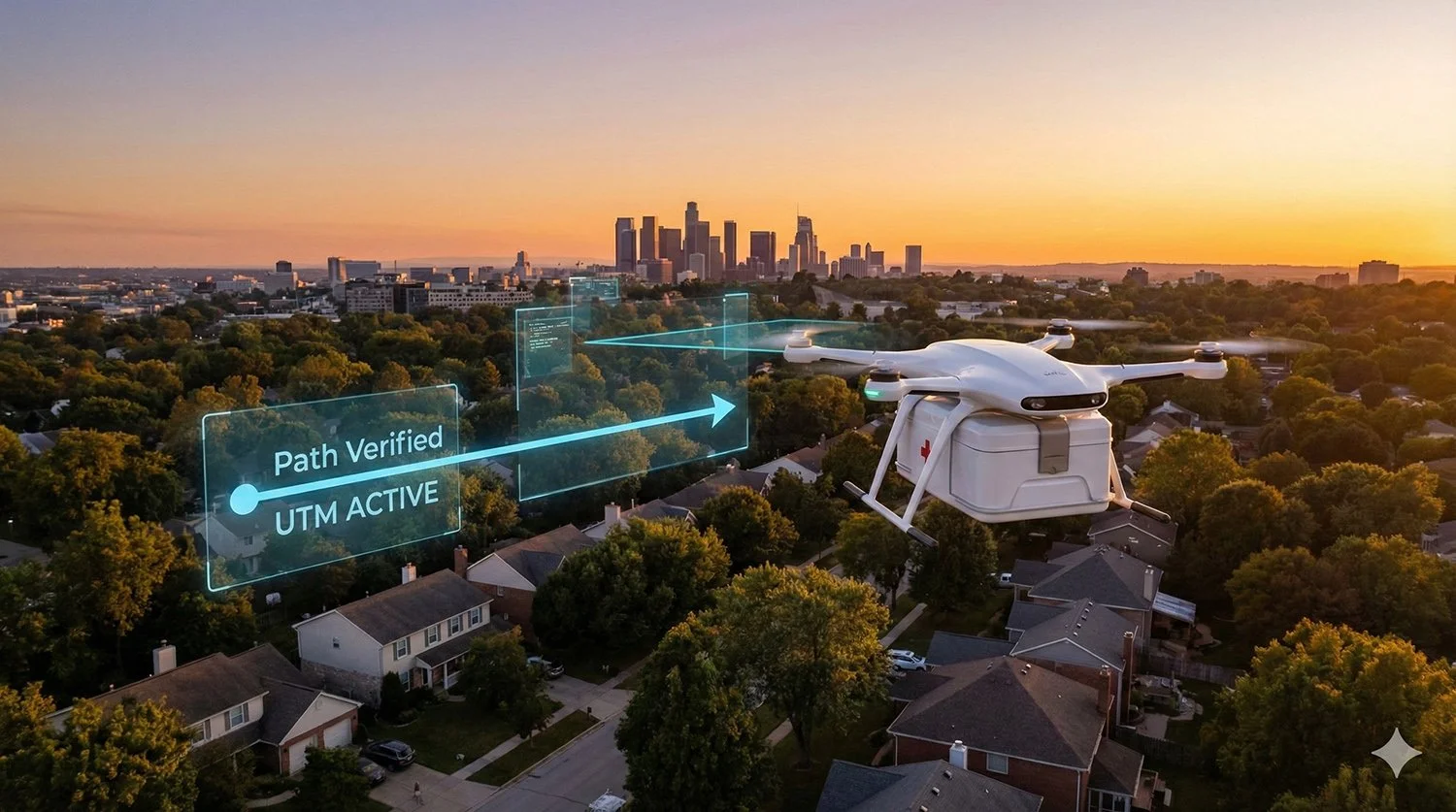
AUAV’s post also mentions “drone in a box” style deployments for remote solar assets, aiming for scheduled flights and lower day to day human involvement.
The broader market has been moving in this direction for several years. DJI’s Dock 2 and Dock 3 products are explicitly designed for remote and automated operations, with Dock 3 described as supporting 24 hour remote operations and, notably, mobile vehicle mounted deployment. Percepto also positions its drone in a box approach as a combination of autonomous operations plus AI powered analytics and reporting.
In Australia, the practical constraint is often regulatory rather than technical. CASA states that BVLOS approvals take several months to assess from the date of payment, and that it uses the Specific Operations Risk Assessment framework for complex operations. This does not rule out docked deployments, but it does mean “low touch” operations still require careful authorisation, safety cases, and operational maturity.






















How This Compares with Similar AI Inspection Approaches
AUAV and Above’s description sits within a crowded but maturing category:
Thermal anomaly classification is widely used, with vendors like Sitemark documenting common anomaly types and how they are interpreted in PV contexts.
AI assisted infrared anomaly detection is also a stated focus area for Zeitview, which has published material comparing AI based analysis with manual review in IR workflows.
Digital twin centred solar operations is a familiar positioning in platforms like Raptor Maps, which emphasises a persistent map based record for site performance and inspection history.
The differentiator to watch is not whether a platform uses AI in the abstract, but how well it connects three layers: sensor capture quality, anomaly logic that operators trust, and asset context that makes outputs actionable at the component and work order level. Above’s explicit geospatial plus electrical layout claim is relevant to that last point.





















 TheDayAfterAI News
We are a leading AI-focused digital news platform, combining AI-generated reporting with human editorial oversight. By aggregating and synthesizing the latest developments in AI — spanning innovation, technology, ethics, policy and business — we deliver timely, accurate and thought-provoking content.