
GPT-5, Grok 4, and Claude Opus 4.1: Comparing the Latest AI Model Advancements
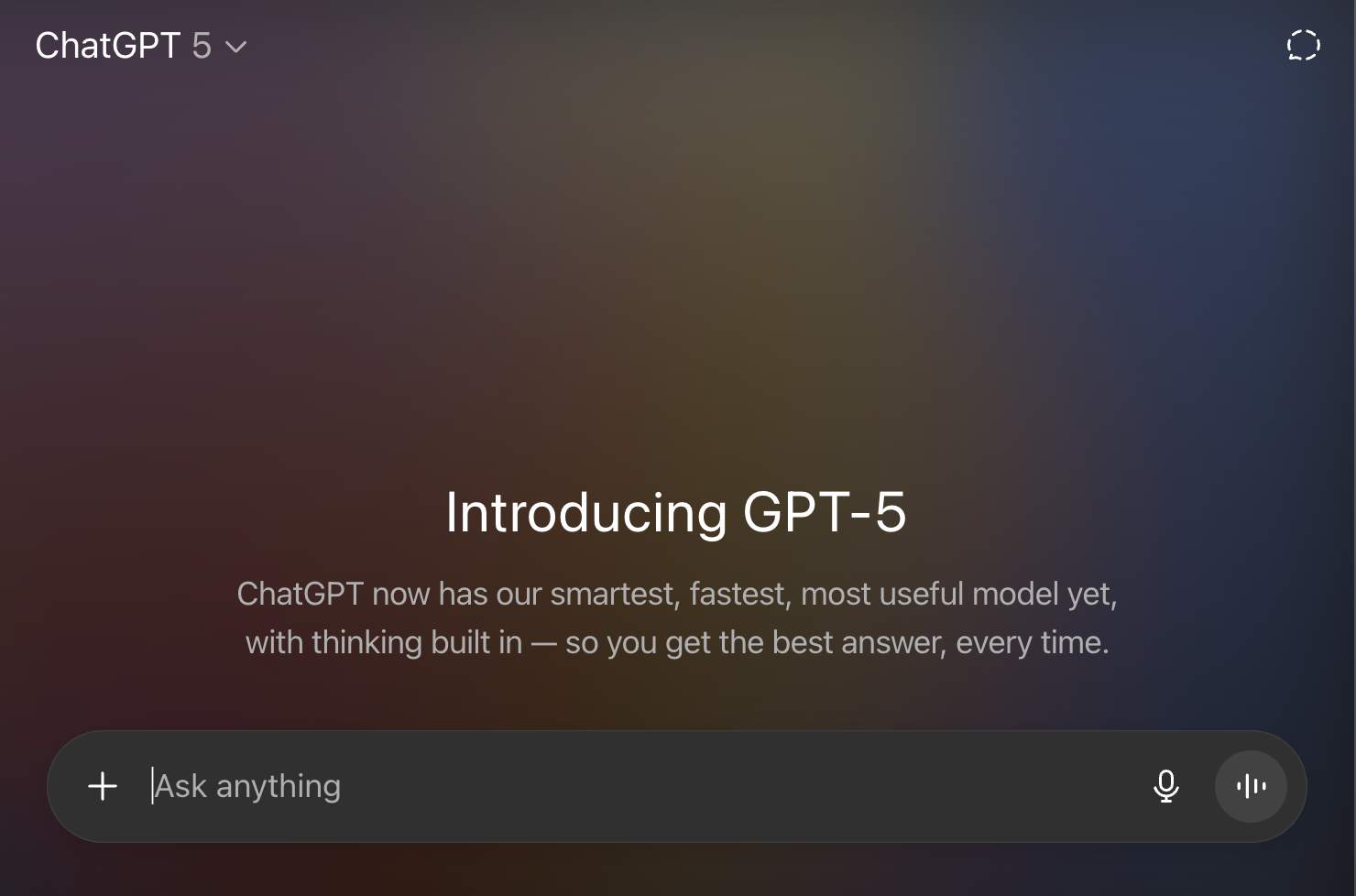
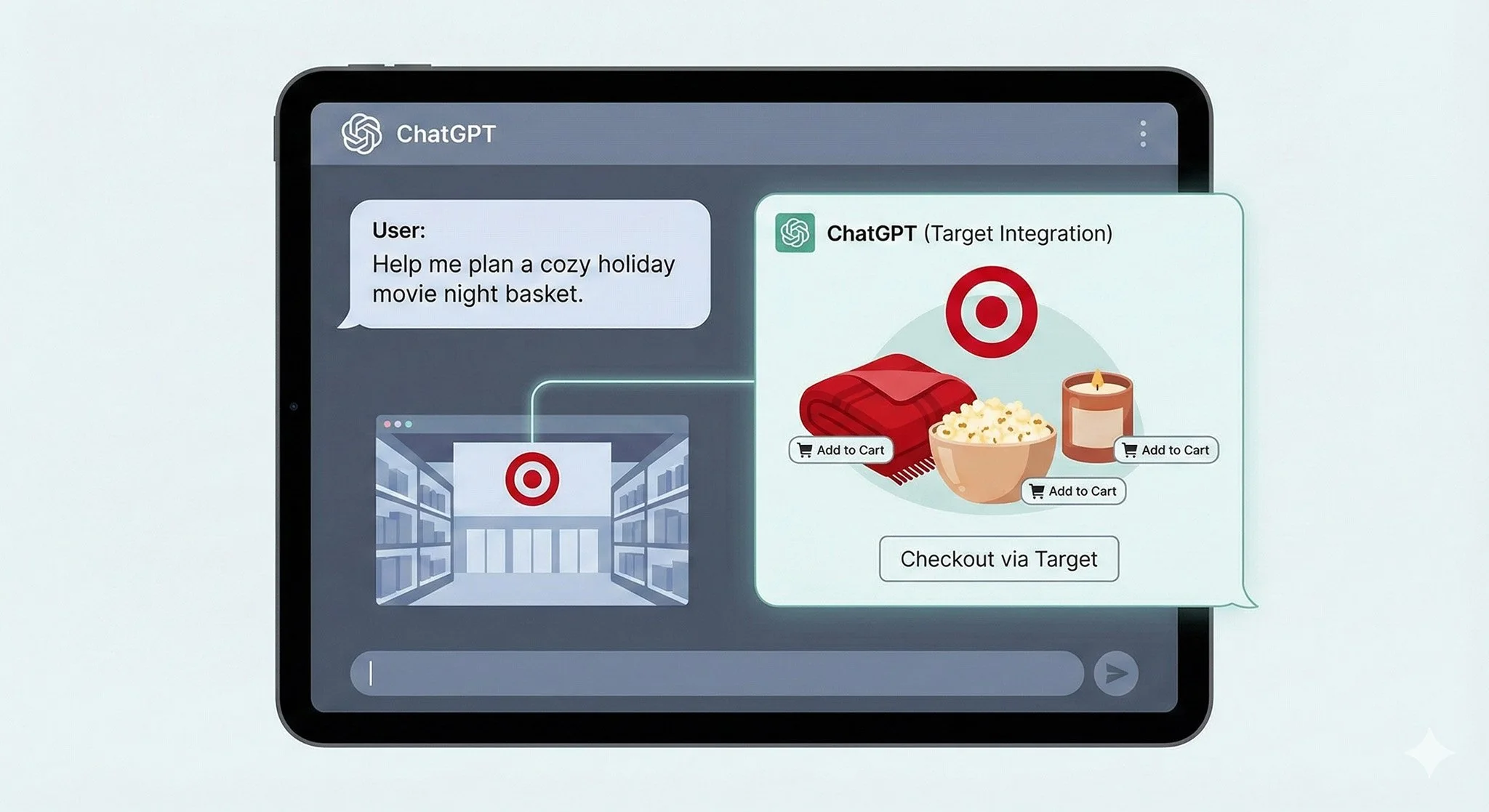
Image Source: ChatGPT
Leading artificial intelligence developers have released updated models in recent months, including OpenAI's GPT-5, xAI's Grok 4 and Anthropic's Claude Opus 4.1, each targeting improvements in reasoning, coding and practical applications. Launched in mid-2025, these systems reflect ongoing industry efforts to enhance AI capabilities, though independent assessments indicate no single model excels universally, and challenges persist in areas like ethical alignment and resource use.


















Model Releases and Development Context
OpenAI, a San Francisco–based company founded in 2015 with Microsoft backing, launched GPT-5 on Aug. 7, 2025, as a unified successor to its earlier GPT-4o, 4.1, and 4.5 models. The release aims to simplify access for developers and users, amid rising competition and a global AI market expected to surpass US$200 billion in spending this year.
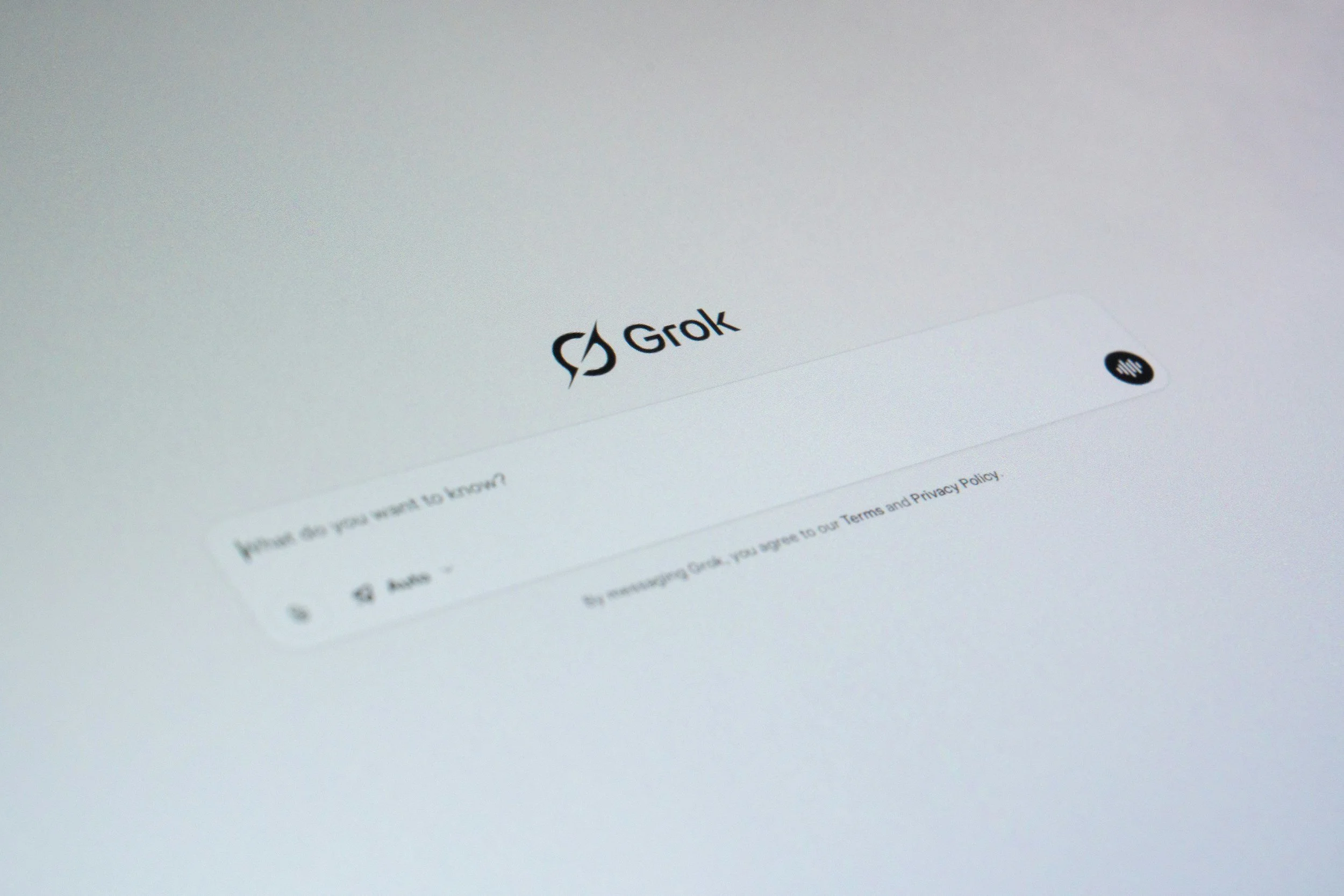
xAI, established in 2023 by Elon Musk and headquartered in the U.S., unveiled Grok 4 on July 9, 2025, highlighting its focus on exploration and integration with real-time data from the X platform. The model builds on prior versions to support scientific and creative tasks, aligning with xAI's mission to advance understanding.
Anthropic, founded in 2021 by former OpenAI staff and supported by Amazon and Google, launched Claude Opus 4.1 on Aug. 5, 2025, as an update to Claude Opus 4 from May, emphasizing agentic functions for autonomous task handling. This responds to demands for safer, more reliable AI in enterprise settings, following a surge in adoption since 2022 that exposed gaps in earlier models' reasoning.
These developments occur as AI investment accelerates, driven by applications in sectors like software development and research, but tempered by regulatory scrutiny over data use and impacts.

























Core Features and Access
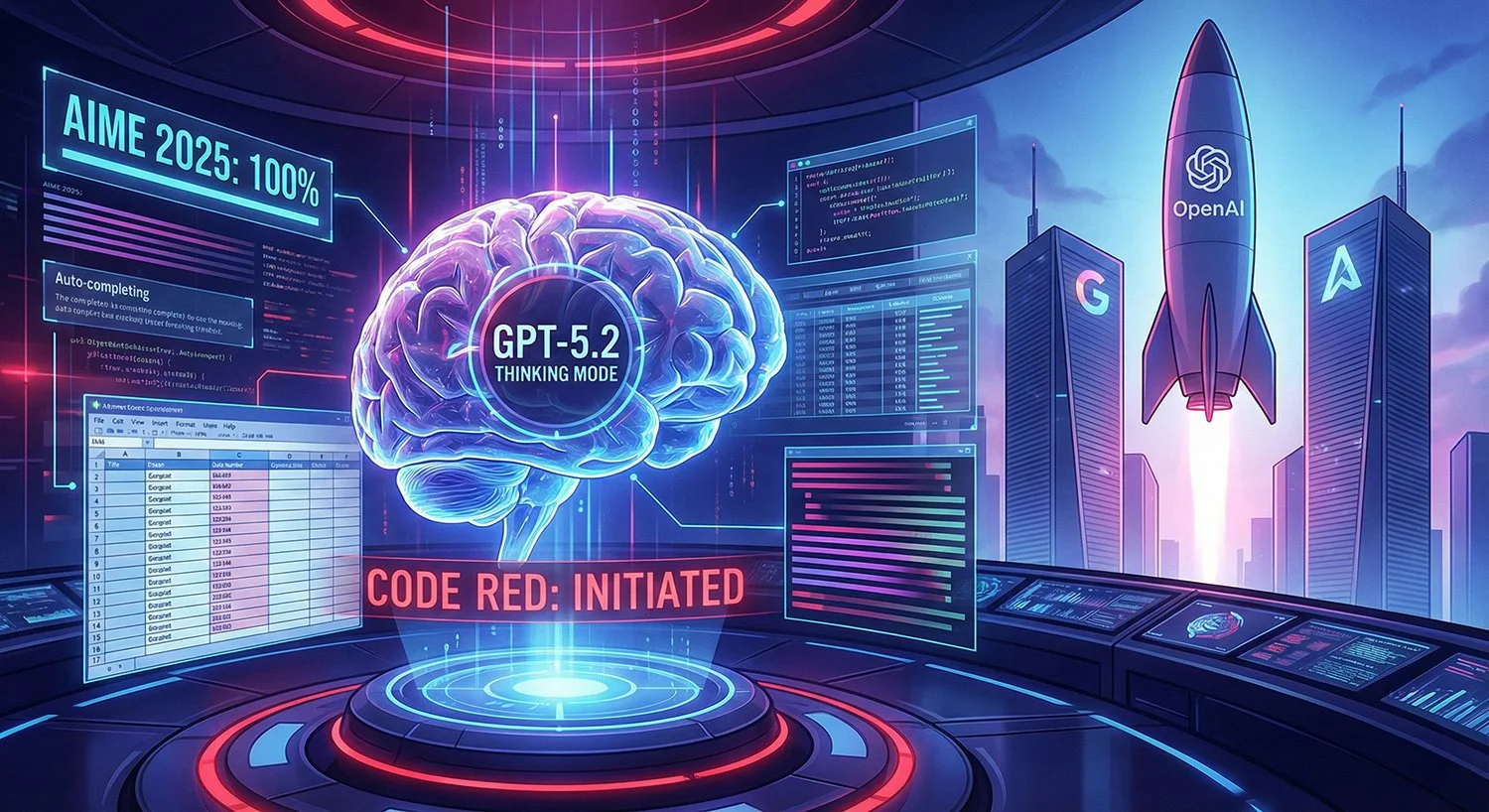
GPT-5 supports multimodal inputs, expanded context for prolonged interactions and integrations such as email for paid users, with strengths in math and writing. It is available via ChatGPT and the OpenAI API, with rollout starting for developers and broader users.
Grok 4 includes native vision, tool use and real-time search, accessible to subscribers on xAI platforms and the API. It offers variants for coding and image tasks, emphasizing dynamic information handling.
Claude Opus 4.1 focuses on collaborative workflows, tool integration and screen analysis, integrated into services like Amazon Bedrock and Google Vertex AI. It targets developers with features for sustained performance on complex projects.
All models are deployed through online platforms and APIs, primarily in English-speaking regions, but with restrictions: OpenAI blocks access in China, including Hong Kong and Macau, due to regulatory concerns; similar limitations apply to Anthropic and xAI in certain areas like the EU for data privacy compliance.
API pricing varies: GPT-5 at US$1.25 per million input tokens and US$10 per million output; Grok 4 at US$3 input and US$15 output; Claude Opus 4.1 at US$15 input and US$75 output, reflecting differences in capabilities and costs.



















Performance Insights and Comparisons
Independent leaderboards, such as those from Artificial Analysis, show diverse results across reasoning, math and coding tasks, with models like Claude Opus 4.1 noted for leading in coding benchmarks. xAI describes Grok 4 as the "most intelligent" model, though this is a company claim without universal third-party validation. GPT-5 demonstrates balanced performance, including in agentic workflows.
Evaluations vary by methodology, and no model holds clear dominance, as outcomes depend on specific applications like creative output or software engineering.




















Key Considerations
Choosing the right AI chatbot—such as ChatGPT (powered by GPT-5), Grok 4, or Claude Opus 4.1—depends on your specific needs, budget, and priorities like task type, speed, and ethical considerations. Factors to weigh include performance in key areas (e.g., coding, reasoning, creative writing), accessibility, cost, and unique features. No model is universally superior; independent tests show strengths vary by use case. Below is a breakdown to help decide, based on recent 2025 comparisons and user feedback.
Use Case: Match the chatbot to your primary tasks. For example, coding favours Claude, while real-time research suits Grok.
Performance: Benchmarks like AIME (math) or SWE-bench (coding) show trade-offs; test personally as results depend on prompts.
Cost and Access: Free tiers exist with limits; paid plans unlock full capabilities.
Features: Look at multimodality (e.g., image handling), context window (for long queries), and safety (e.g., reduced hallucinations).
User Experience: Speed, interface, and response style matter—some prefer Grok's wit, others Claude's precision.
Ethics and Bias: All have safeguards, but Grok is less restrictive, Claude emphasizes safety.


















How to Decide
Assess Your Needs: For coding or creative writing, start with Claude. For quick research or fun interactions, try Grok. For everyday tasks, GPT-5 offers broad utility.
Test Free Versions: All have trial access—experiment with similar prompts across them.
Budget Check: If cost-sensitive, GPT-5's free tier is most generous; for heavy use, compare API rates.
Integrations: Consider tools like apps or APIs if embedding into workflows (e.g., Claude for enterprise via AWS).
Stay Updated: Models evolve; check recent benchmarks or user reviews on sites like Reddit or X.
Ultimately, many users switch based on tasks or use multi-model apps for flexibility. If your needs are specialized, consult community forums for tailored advice.



















Future Trends and Outlook
Projections include expanded AI agents performing independent tasks in Web3, from content generation to logistics. Decentralized training networks are anticipated, allowing global collaboration on models via blockchain. Emphasis on sustainability and cross-system compatibility is expected.
By 2030, this could foster an "intelligent economy" with verifiable, fair AI decisions, contingent on overcoming technical and ethical hurdles. Observers stress regulated progress to balance innovation with inclusivity.



























 TheDayAfterAI News
We are a leading AI-focused digital news platform, combining AI-generated reporting with human editorial oversight. By aggregating and synthesizing the latest developments in AI — spanning innovation, technology, ethics, policy and business — we deliver timely, accurate and thought-provoking content.