
Stanford HAI Releases 2025 AI Index Report Highlighting Advances and Disparities

Image Source: HAI
Stanford University's Human-Centered Artificial Intelligence (HAI) institute published its 2025 AI Index Report, outlining substantial progress in AI performance, widespread adoption and investment surges, alongside challenges in responsible practices and global sentiment variations.
The report, an annual assessment of AI trends spanning research, industry, policy and societal effects, reveals sharp gains on 2023 benchmarks including MMMU, GPQA and SWE-bench, with scores advancing by 18.8, 48.9 and 67.3 percentage points in one year. AI also advanced in video generation quality and, in select cases, language models outpaced humans in timed programming challenges.

























AI Adoption Expands in Healthcare and Mobility
Integration of AI into core sectors has accelerated, the report indicates. U.S. Food and Drug Administration approvals for AI-enabled medical devices reached 223 in 2023, from six in 2015. In transportation, Waymo delivered over 150,000 autonomous rides weekly in the U.S. as of October 2024, while Baidu's Apollo Go robotaxi operates cost-effectively in various Chinese cities.
Corporate AI deployment rose to 78% of organizations in 2024, from 55% in 2023, backed by studies showing productivity gains and reduced workforce skill gaps. U.S. private AI investment hit $109.1 billion in 2024, outstripping China's $9.3 billion and the U.K.'s $4.5 billion by factors of nearly 12 and 24. Worldwide, generative AI secured $33.9 billion in private funds, up 18.7% year-over-year.


























U.S. Dominates Model Output as Competition Intensifies
U.S. entities developed 40 prominent AI models in 2024, compared with China's 15 and Europe's three, per the report. Chinese models neared U.S. performance on benchmarks like MMLU and HumanEval, narrowing prior double-digit gaps to minimal differences. China leads in AI publications and patents, with emerging contributions from the Middle East, Latin America and Southeast Asia.
Industry produced almost 90% of key models in 2024, rising from 60% in 2023, while academia excels in influential research. Frontier development features rapid scaling, with training compute doubling every five months, datasets every eight and power needs annually. Leaderboard spreads contracted, from 11.9% between top and 10th models to 5.4%, and 0.7% between the top two.
























Responsible AI Progress Uneven as Regulations Mount
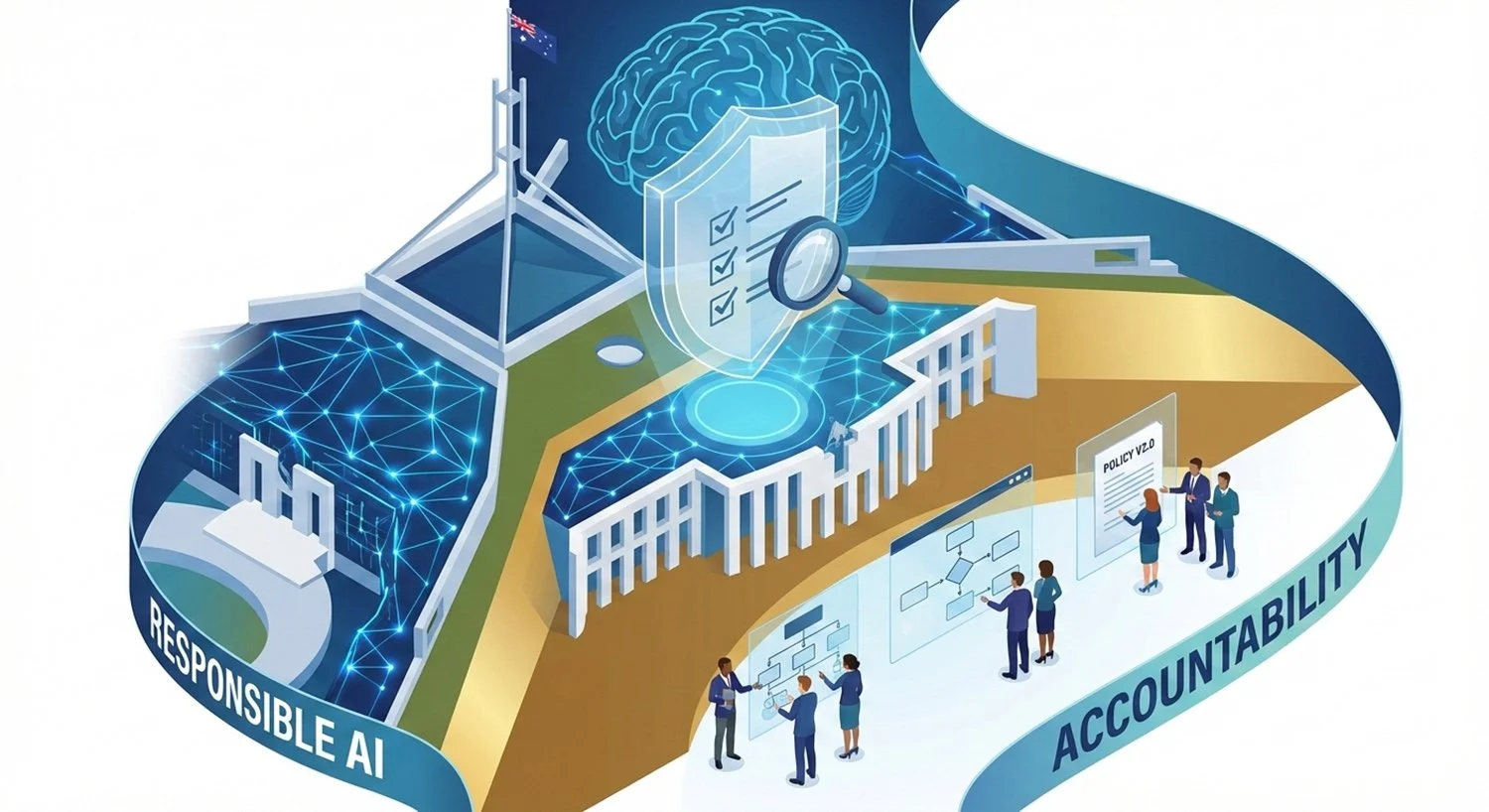
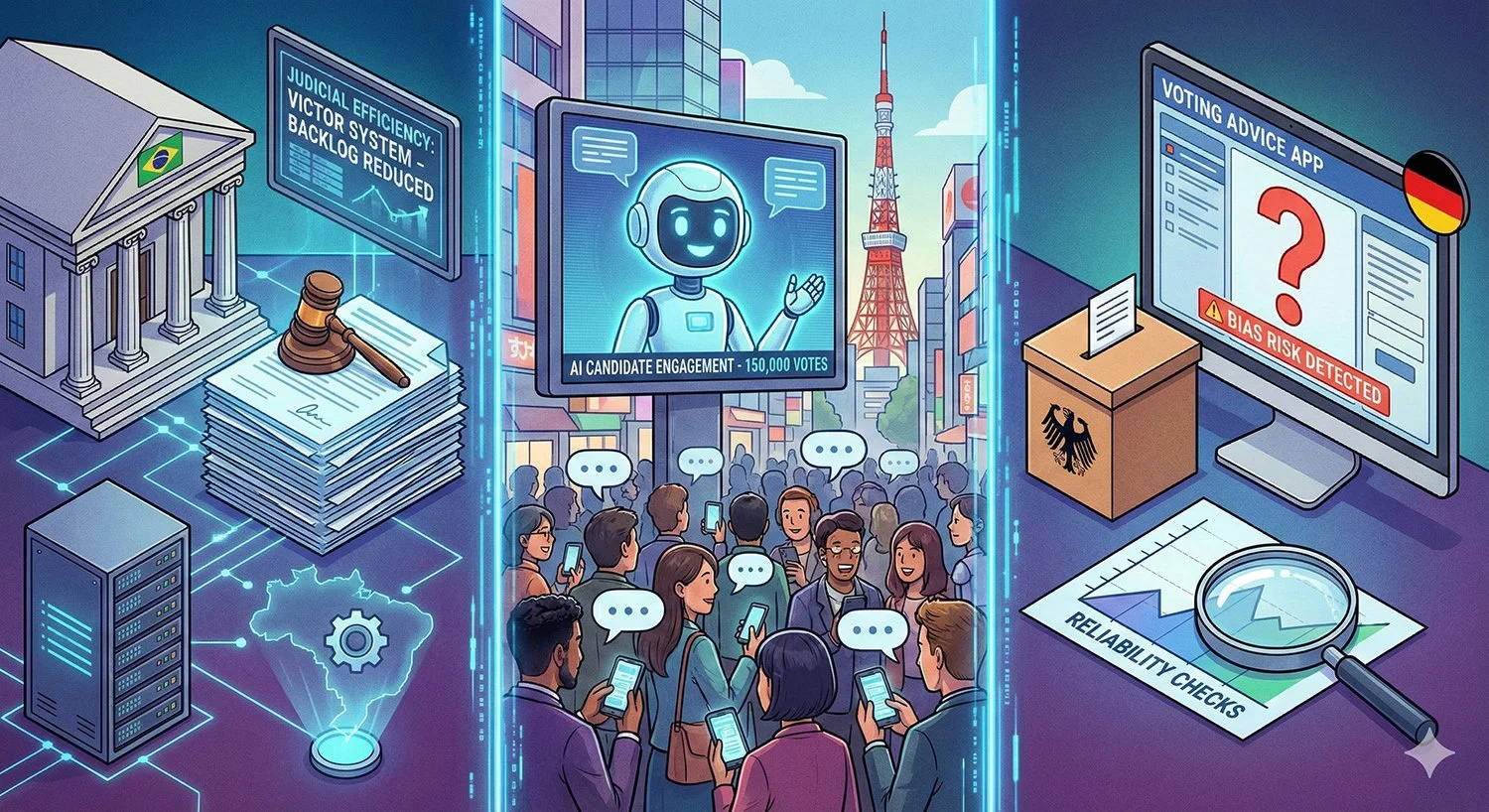
Incidents tied to AI have escalated, yet leading developers seldom apply standardized responsible AI evaluations, the report notes. Emerging tools like HELM Safety, AIR-Bench and FACTS target factuality and safety assessments. Firms recognize risks but lag in mitigation, contrasting with governmental advances via OECD, EU, U.N. and African Union frameworks prioritizing transparency and reliability.
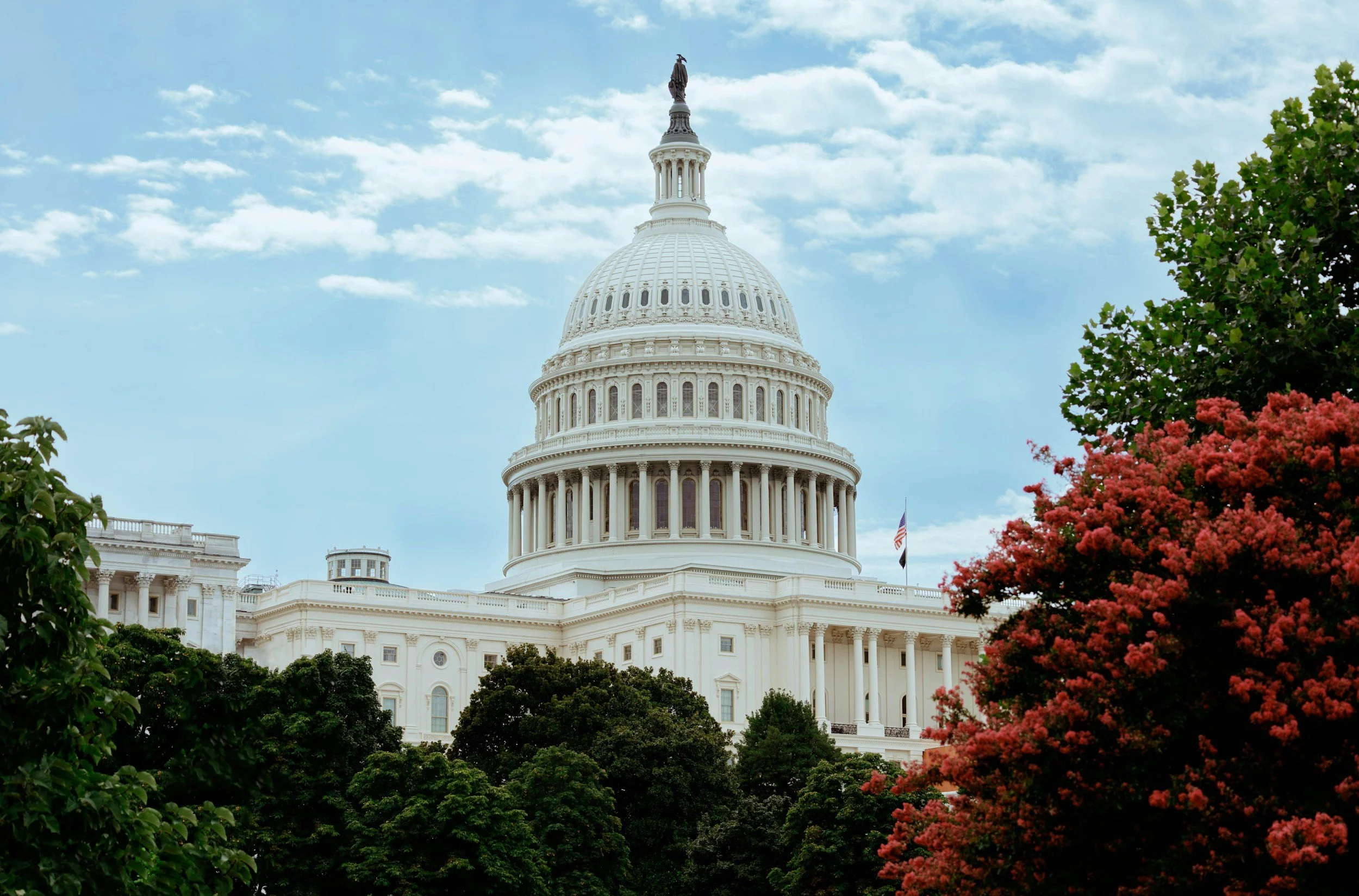
U.S. agencies enacted 59 AI regulations in 2024, over twice the 2023 count and from double the agencies. Legislative references to AI increased 21.3% across 75 nations from 2023, nine times higher than in 2016. Investment commitments included Canada's $2.4 billion, China's $47.5 billion semiconductor fund, France's announcement of €109 billion in private pledges at an AI summit, India's $1.25 billion and Saudi Arabia's $100 billion Project Transcendence.




















Efficiency Improvements and Education Growth
AI efficiency has surged, with inference costs for GPT-3.5-equivalent performance dropping over 280-fold from November 2022 to October 2024. Annual hardware cost reductions averaged 30%, energy efficiency 40%. Open-weight models cut the gap to closed systems from 8% to 1.7% on certain benchmarks.
AI and computer science education now reaches or is planned for two-thirds of countries at K-12 levels, doubling since 2019, with strongest gains in Africa and Latin America. U.S. computing bachelor's graduates grew 22% in the last decade. Persistent barriers include infrastructure deficits in African regions and, in the U.S., where 81% of K-12 computer science educators deem AI essential but under half feel ready to instruct it.




























Sentiment Shifts and Scientific Milestones
AI optimism varies regionally, exceeding 75% in China (83%), Indonesia (80%) and Thailand (77%), but below 41% in Canada (40%), the U.S. (39%) and the Netherlands (36%). Positive shifts since 2022 include 10% rises in Germany and France, 8% in Canada and Great Britain, and 4% in the U.S.
Scientific accolades in 2024 affirmed AI's role: Nobel Prizes in physics for deep learning origins and chemistry for protein folding uses, plus the Turing Award for reinforcement learning innovations. Complex reasoning persists as a limitation, with models mastering math olympiad tasks but stumbling on logic benchmarks like PlanBench despite available correct solutions.









































 TheDayAfterAI News
We are a leading AI-focused digital news platform, combining AI-generated reporting with human editorial oversight. By aggregating and synthesizing the latest developments in AI — spanning innovation, technology, ethics, policy and business — we deliver timely, accurate and thought-provoking content.