
Keystone Partners: AI Could Expose 300 Million Jobs to Automation
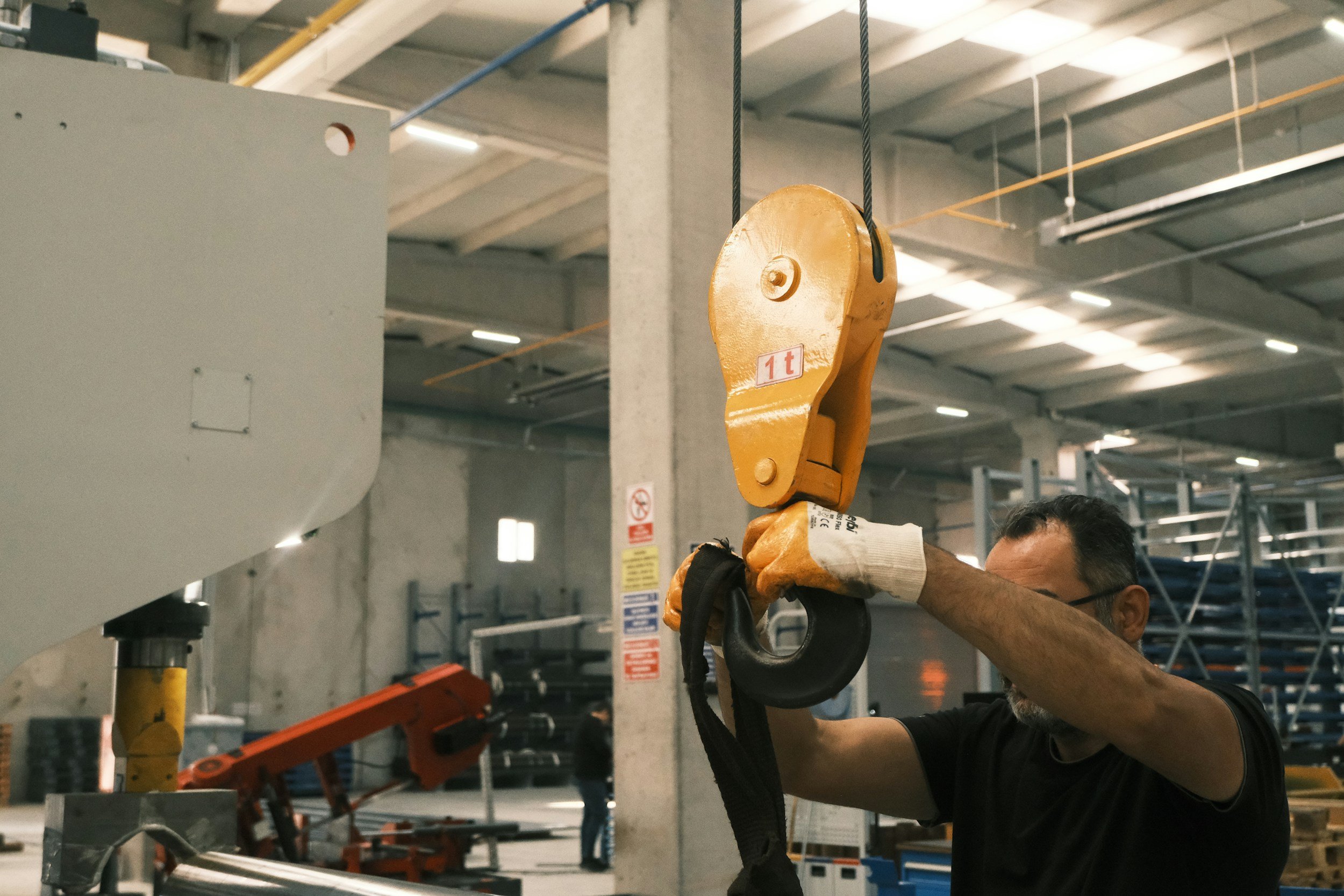
Image Credit: Cemrecan Yurtman | Splash
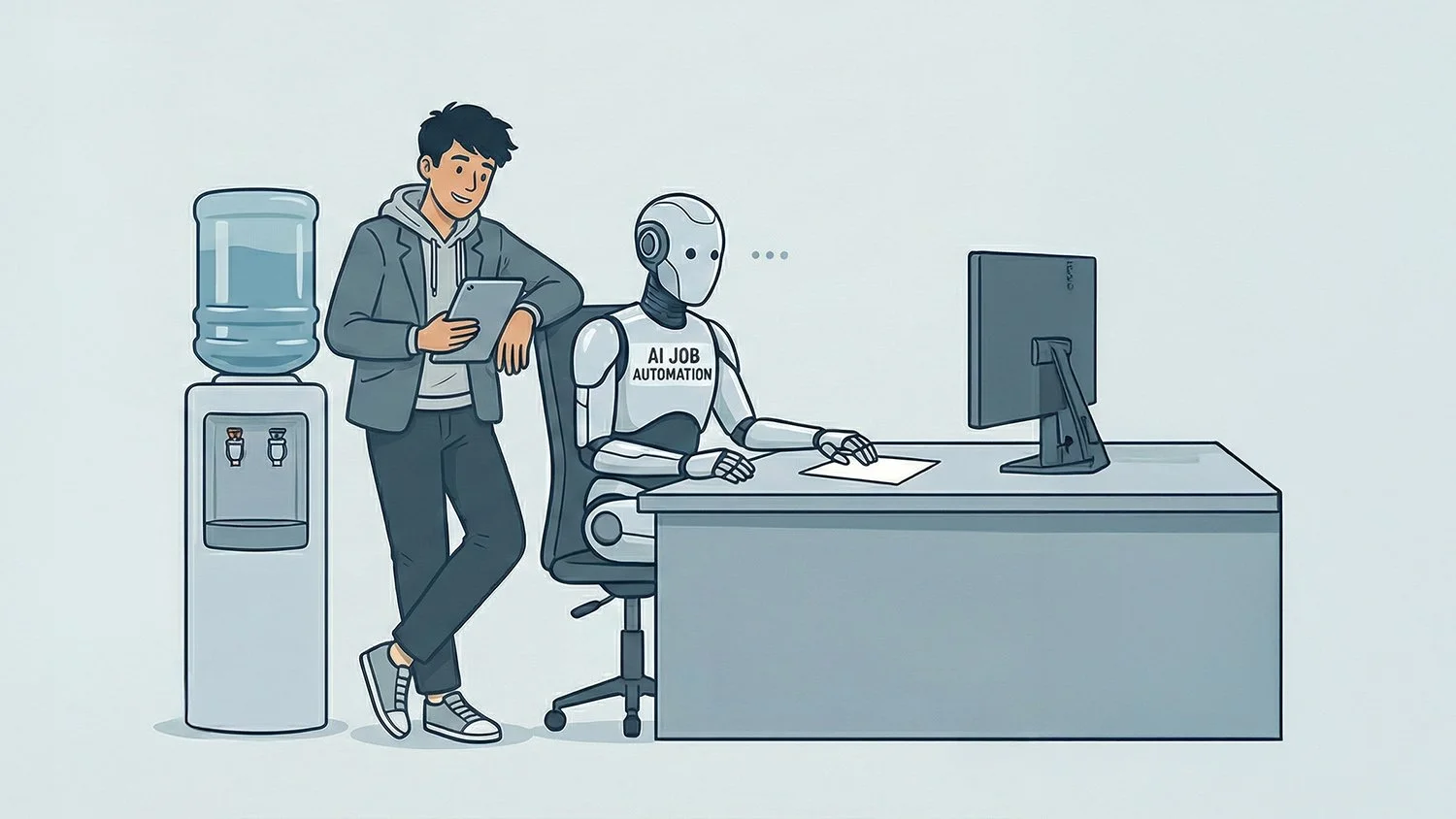
Keystone Partners, a Boston-based career management firm, has referenced a Goldman Sachs estimate indicating artificial intelligence could expose the equivalent of 300 million full-time jobs to automation globally, while advocating for organizational strategies to support affected workers.
The firm's guide, released on July 17, 2025, examines AI's potential to automate tasks in sectors including administrative support and manufacturing, and provides frameworks for workforce transitions.






















Background on AI's Emergence and Job Projections
Public interest in AI's employment effects intensified after OpenAI's ChatGPT launch in November 2022, showcasing abilities in content creation and analysis. Goldman Sachs' March 2023 analysis assessed over 900 occupations, concluding that two-thirds of U.S. jobs face some AI exposure, with roughly one-fourth to one-half of tasks in those roles potentially automatable. Globally, this equates to the equivalent of 300 million full-time jobs exposed.
The report projected a 7% rise in global GDP, or nearly US$7 trillion, alongside a 1.5 percentage point annual productivity increase over 10 years, from efficiencies in fields like healthcare and finance. McKinsey Global Institute's findings align, estimating 14% of the global workforce may require occupational changes by 2030 due to automation.
Keystone Partners, established in 1982, focuses on outplacement, coaching and talent development, operating nationally from its Boston headquarters. Its July guide cites the Goldman Sachs figure to alert HR professionals, adding that white-collar positions are susceptible, per University of Pennsylvania and OpenAI research, though the original study indicates higher exposure for higher-wage jobs overall.

























Drivers of Projected Job Shifts
AI's growth is fueled by its proficiency in routine, data-heavy operations, often at reduced costs. In manufacturing, media reports citing MIT and Boston University economists have estimated AI robotics could displace up to 2 million U.S. workers by 2025, though the foundational research analyzed past effects without specific forward projections. Sectors like customer service employ AI chatbots for constant availability, while administrative roles see automation in data processing.
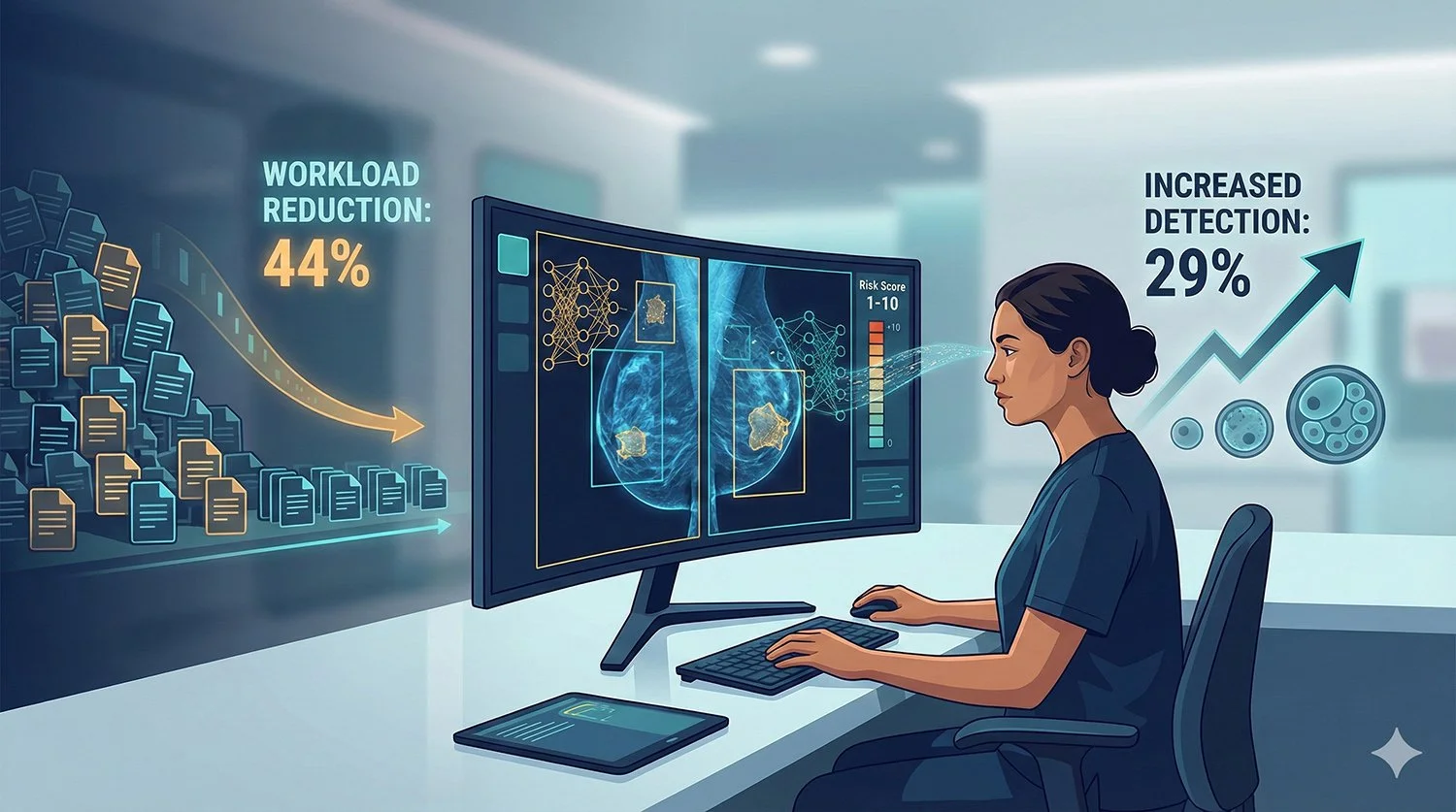
Goldman Sachs attributes these changes to progress in machine learning and language processing, allowing AI to manage cognitive tasks. Yet, it notes most roles will be augmented, not eliminated, with 85% of U.S. employment growth since 1940 stemming from technology-spawned positions.
Keystone identifies at-risk jobs such as accountants, salespeople and warehouse staff, where AI offers precision and scalability. Economic factors, including labor shortages post-COVID and rising costs, have spurred AI adoption for efficiency.
























Effects on Labour Markets and Economies
Short-term, automation may elevate U.S. unemployment by 0.5 percentage points during transitions, as per Goldman Sachs' August 13, 2025, assessment. That update pegs U.S. transitional displacement at 6% to 7%, or an approximation of 10 million roles, varying from 3% to 14% based on adoption rates.
Potential inequality could arise if reskilling access is limited, with reports indicating impacts on entry-level tech workers amid 2025 layoffs and a 35% decline in U.S. entry-level job postings since January 2023. Conversely, productivity could climb 15% in advanced economies, generating roles in AI oversight and data management.
Keystone emphasizes AI's limitations in interpersonal skills, claiming 80% of jobs are secured via networking, though this statistic is debated and surveys suggest lower figures. Without preparation, firms face talent attrition and reduced morale.




















Keystone's Recommendations for Mitigation
Keystone advises assessing vulnerable teams, funding training and offering outplacement during layoffs. It proposes redirecting workers from data entry to AI supervision or consulting, using tailored coaching.
The firm employs AI in its operations for career tools, balanced with human interaction. These measures seek to convert challenges into growth, bolstering retention and adaptability.



























Outlook and Emerging Trends
Analysts foresee net employment increases from AI, akin to internet-era expansions. Goldman notes 60% of current U.S. jobs postdate 1940. However, accelerated change may burden training systems, necessitating policies like subsidies.
Hybrid models, blending AI with human input, are expected to prevail, enhancing output. Keystone and experts advocate ethical AI use to curb negatives while leveraging gains, projecting economic uplift by 2030.








































 TheDayAfterAI News
We are a leading AI-focused digital news platform, combining AI-generated reporting with human editorial oversight. By aggregating and synthesizing the latest developments in AI — spanning innovation, technology, ethics, policy and business — we deliver timely, accurate and thought-provoking content.