
Justice Kagan Praises AI Tool Claude for Supreme Court Case Analysis
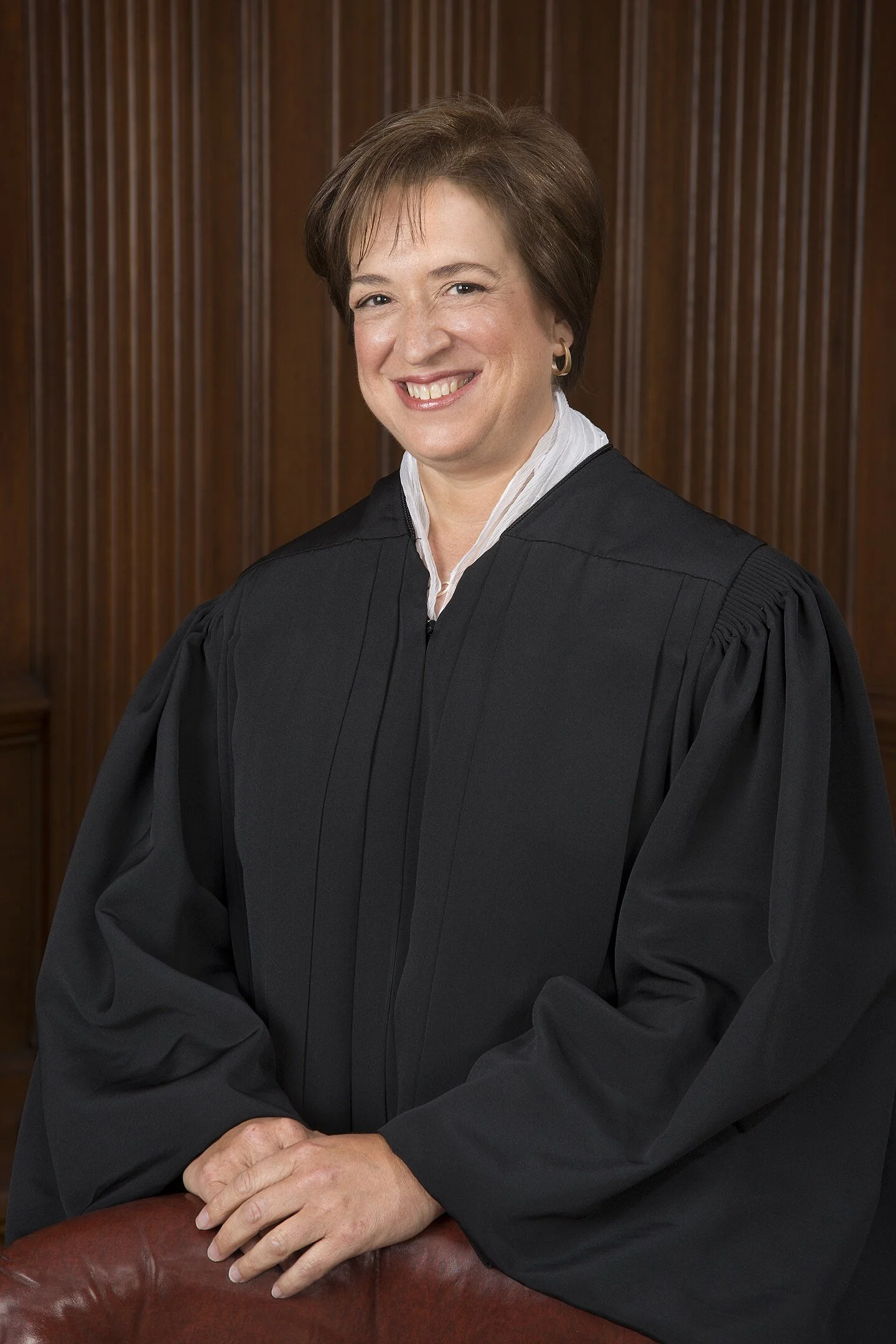
Image Source: Wikipedia
U.S. Supreme Court Justice Elena Kagan has commended the artificial intelligence chatbot Claude for its analysis of a complex constitutional issue, highlighting potential benefits of AI in the legal field amid ongoing concerns about the technology's reliability.
Kagan, speaking at the Ninth Circuit Judicial Conference in Monterey, California, described Claude's performance as "exceptional" in dissecting a dispute involving the Confrontation Clause of the Sixth Amendment. The justice's remarks, reported by Bloomberg Law, come as courts and legal professionals grapple with AI's integration into judicial processes.






















Kagan's Endorsement and the AI Experiment
Kagan referenced blog posts by Adam Unikowsky, a partner at law firm Jenner & Block and a former Supreme Court clerk, who experimented with Anthropic's Claude chatbot. Unikowsky prompted the AI to evaluate the majority and dissenting opinions in the Supreme Court case Smith v. Arizona, decided on June 21, 2024.
In his June 2024 post titled "A brief history of the Confrontation Clause", Unikowsky concluded that Claude demonstrated insight comparable to human law clerks and was capable of simulating Supreme Court decision-making. He wrote: "You will not be surprised to learn that Claude is more insightful about the Confrontation Clause than any mortal". Kagan, who authored the majority opinion in Smith, noted she had no clear vision of AI's long-term impact on the judiciary but acknowledged its analytical strengths.


























Details of the Smith v. Arizona Case
The case centered on the Confrontation Clause, which ensures criminal defendants the right to cross-examine witnesses against them. In Smith v. Arizona, the court examined whether a substitute forensic expert could testify based on an absent analyst's report without violating this right.
The Supreme Court ruled that if the absent analyst's statements are used for their truth to support the expert's opinion, they constitute testimonial hearsay subject to confrontation requirements. This decision built on prior cases like Crawford v. Washington (2004) and Melendez-Diaz v. Massachusetts (2009), which redefined confrontation standards for forensic evidence. Unikowsky's AI experiment tested Claude's ability to navigate these nuances, predicting outcomes and critiquing arguments with accuracy that impressed legal experts.

























AI's Persistent Challenges in Legal Practice
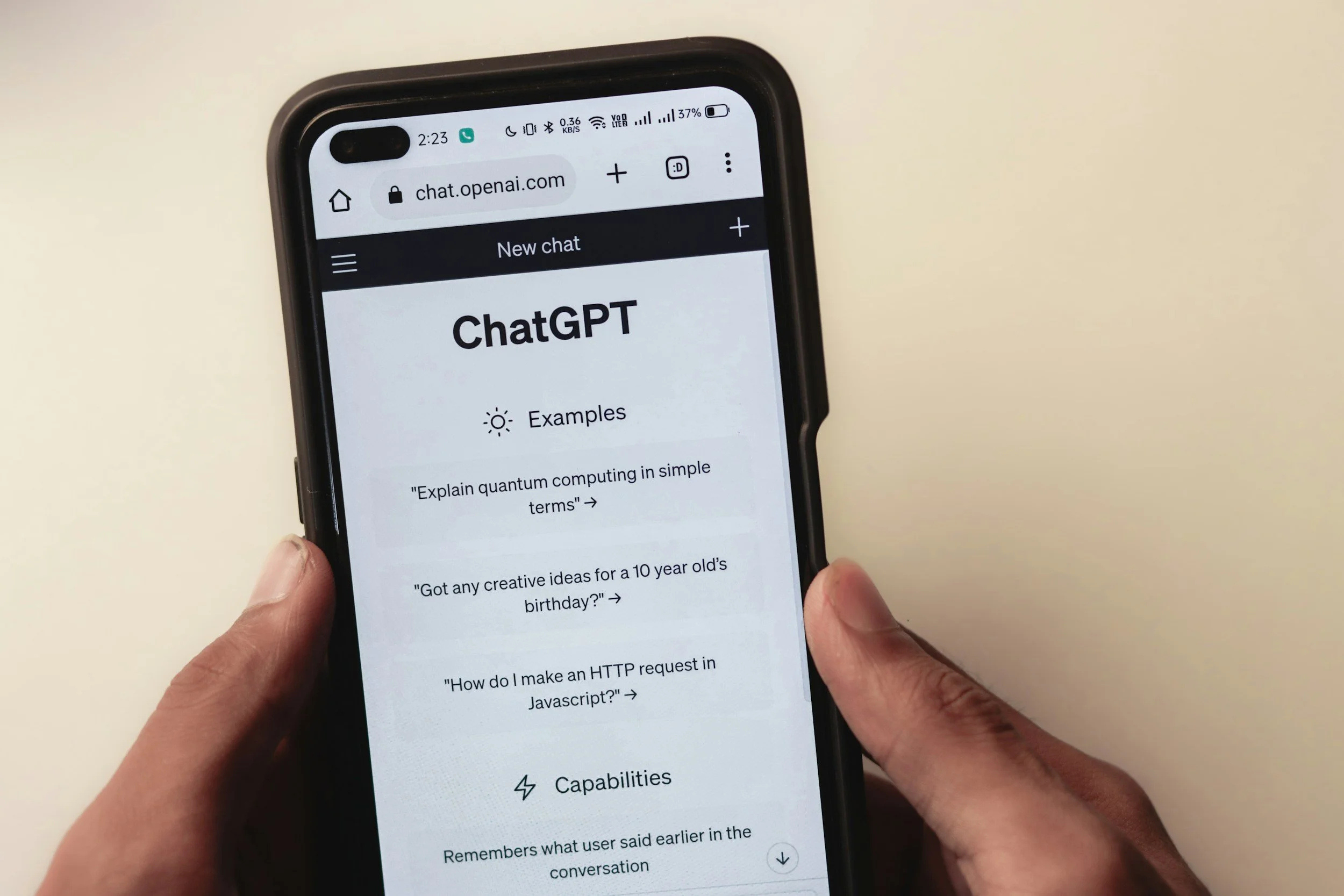
Despite such praise, AI's adoption in law has been marred by "hallucinations" - instances where models generate false information, such as nonexistent case citations. In June 2023, two New York lawyers were fined US$5,000 by a federal judge for submitting a brief with ChatGPT-fabricated cases. Similar incidents continued into 2024, including a Utah attorney sanctioned in May for using AI-generated false citations in an appeals court filing.
In August 2024, a federal magistrate in New York admonished a lawyer for AI-hallucinated content but withheld monetary sanctions due to personal circumstances. These cases underscore risks in relying on generative AI without verification, prompting ethical scrutiny. The American Bar Association issued its first formal opinion on AI in July 2024, urging lawyers to ensure competence, confidentiality, and accuracy when using such tools.



















Broader Context and Judicial Perspectives
Chief Justice John Roberts addressed AI in his 2023 year-end report to the federal judiciary, predicting it could enhance access to justice for underserved litigants while cautioning against overreliance. Roberts emphasized that human judges remain essential for nuanced decisions involving credibility and equity, asserting AI would not render them obsolete.
A Microsoft report released in 2024 ranked "lawyers, judges, and related workers" midway on a scale of occupations exposed to AI disruption, between architects and personal care workers. The study identified tasks like legal research and document drafting as highly automatable, but judgment-intensive roles as less vulnerable. This reflects AI's dual role: augmenting efficiency in pattern detection across vast data while posing risks in high-stakes environments.




























Implications and Future Trends
Kagan's comments may encourage cautious experimentation with AI among legal professionals, potentially accelerating its use in case analysis and research. However, persistent hallucinations and ethical gaps suggest widespread adoption remains distant without robust safeguards.
In the absence of federal regulations, state bar associations have issued guidelines emphasizing human oversight. Future developments could include specialized AI models for law, trained to minimize errors, and court rules mandating disclosure of AI use in filings. Analysts anticipate AI will reshape routine legal tasks, improving scalability, but ethical training and verification protocols will be critical to maintain public trust in the justice system.










































 TheDayAfterAI News
We are a leading AI-focused digital news platform, combining AI-generated reporting with human editorial oversight. By aggregating and synthesizing the latest developments in AI — spanning innovation, technology, ethics, policy and business — we deliver timely, accurate and thought-provoking content.