
AI and Web3 Converge: Decentralized Intelligence Gains Momentum in 2025

Image Credit: Shubham Dhage | Splash
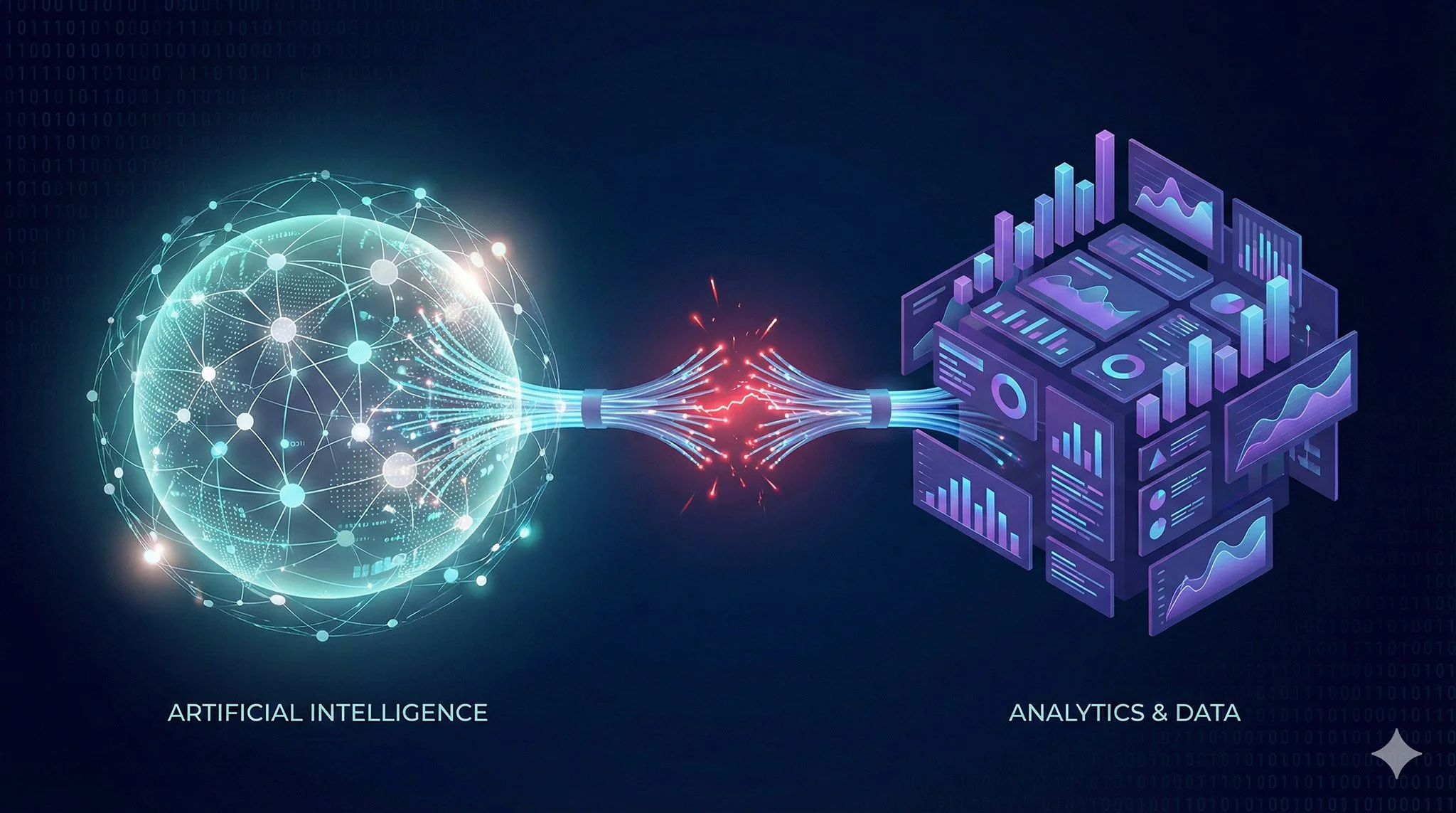
Artificial intelligence is increasingly intersecting with Web3 technologies, combining machine learning with blockchain to advance decentralization, data security and automated processes. This integration, accelerating in 2025, addresses limitations in both domains by enhancing AI transparency through blockchain and bolstering Web3 efficiency via AI analytics.























Background of AI-Web3 Integration
The integration of AI and Web3 began gaining traction in the early 2020s, as blockchain developers sought to decentralize AI operations typically managed by centralized platforms. Web3 emphasizes user-controlled, peer-to-peer networks built on blockchain for security and transparency, while AI specializes in data processing and automation but often suffers from lack of explainability and dependence on centralized data.
Initial projects surfaced by 2023, including decentralized marketplaces for AI models where developers could share and monetize algorithms without central intermediaries. This approach tackled AI's opacity by using blockchain for auditable records, aligning with industry goals though no universal audit standard exists as of mid-2025. Momentum built in 2024, driven by heightened data privacy issues, with Web3 providing mechanisms for users to own and manage their data in AI applications. The trend stems from demands for trustless systems, where blockchain validates AI outputs independently of central authorities.













Recent Developments and Key Players
AI activities on blockchains have risen 86% in 2025, with around 4.5 million daily unique wallets engaging in AI-focused decentralized applications. This follows $213 million in venture funding for AI-blockchain projects in the third quarter of 2024. The ETHDenver conference in March 2025 featured demonstrations of AI-integrated decentralized physical infrastructure networks (DePIN), such as systems optimizing energy distribution.
Notable entities include SingularityNET, which launched its decentralized AI marketplace in 2017 with protocol evolutions continuing through the 2020s, and Ocean Protocol, facilitating secure data sharing for AI training via blockchain. In Europe, the Webit 2025 event in Sofia on June 26 highlighted human-centered AI in Web3, drawing collaborations on ethical applications. These initiatives arise from efforts to counter AI centralization, distributing processing across blockchain networks to reduce dominance by large tech firms.






















Benefits of AI in Web3
AI improves Web3 functionality by automating tasks, such as analyzing market trends for cryptocurrency trading to minimize human error. In decentralized finance, it conducts real-time fraud detection and risk evaluations, as seen in projects like Chainalysis's AI modules that score wallet risks. Blockchain reciprocates by verifying data for AI, potentially lowering input biases through immutable sources.
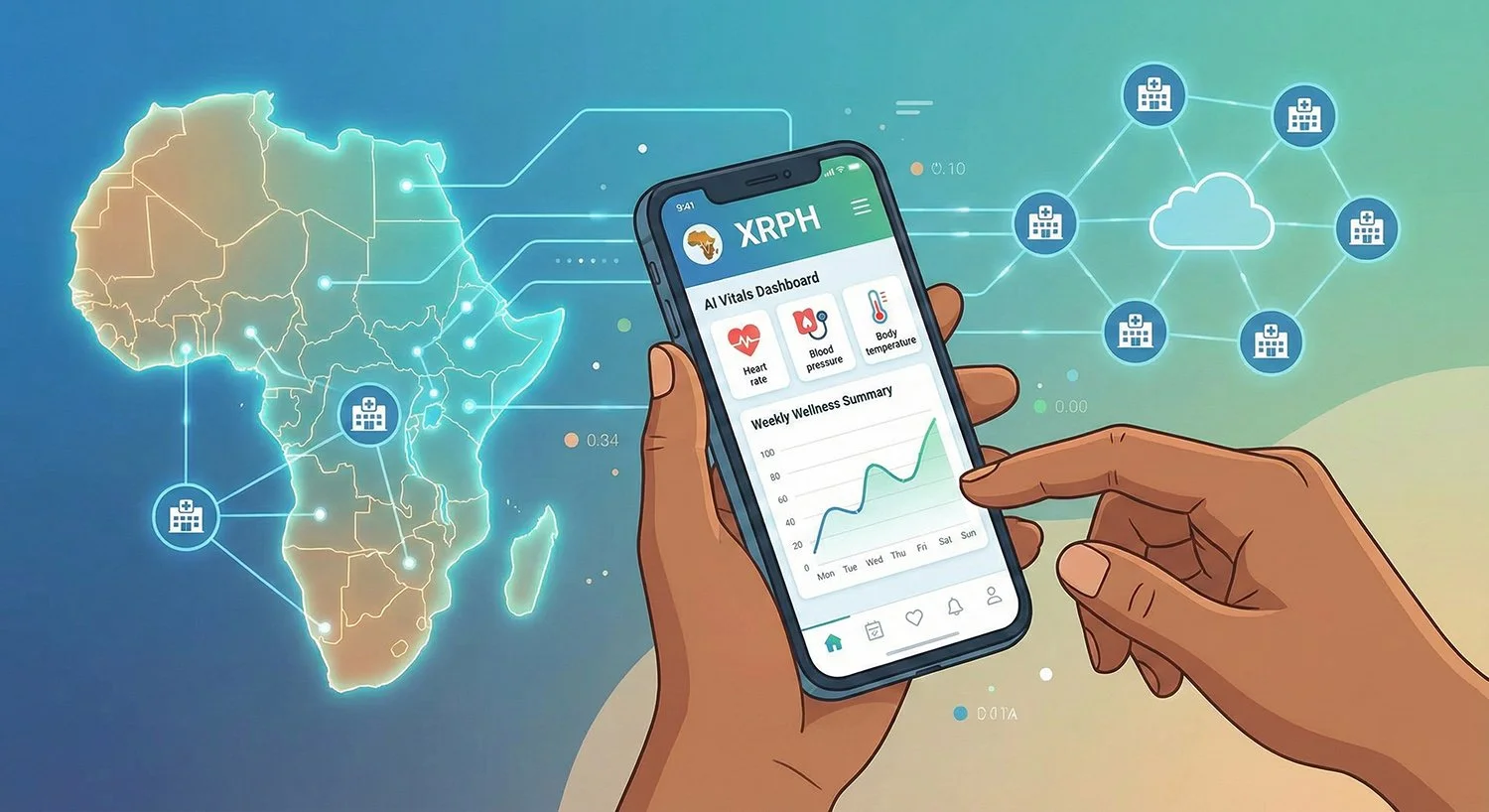
The combination supports user data sovereignty, enabling secure, personalized services like health analytics on decentralized platforms through initiatives such as BurstIQ's blockchain-secured data for AI diagnostics. It also aids Web3 governance by evaluating community interactions for equitable outcomes, exemplified by Bittensor's decentralized machine learning network influencing decision-making models.

























Challenges and Drawbacks
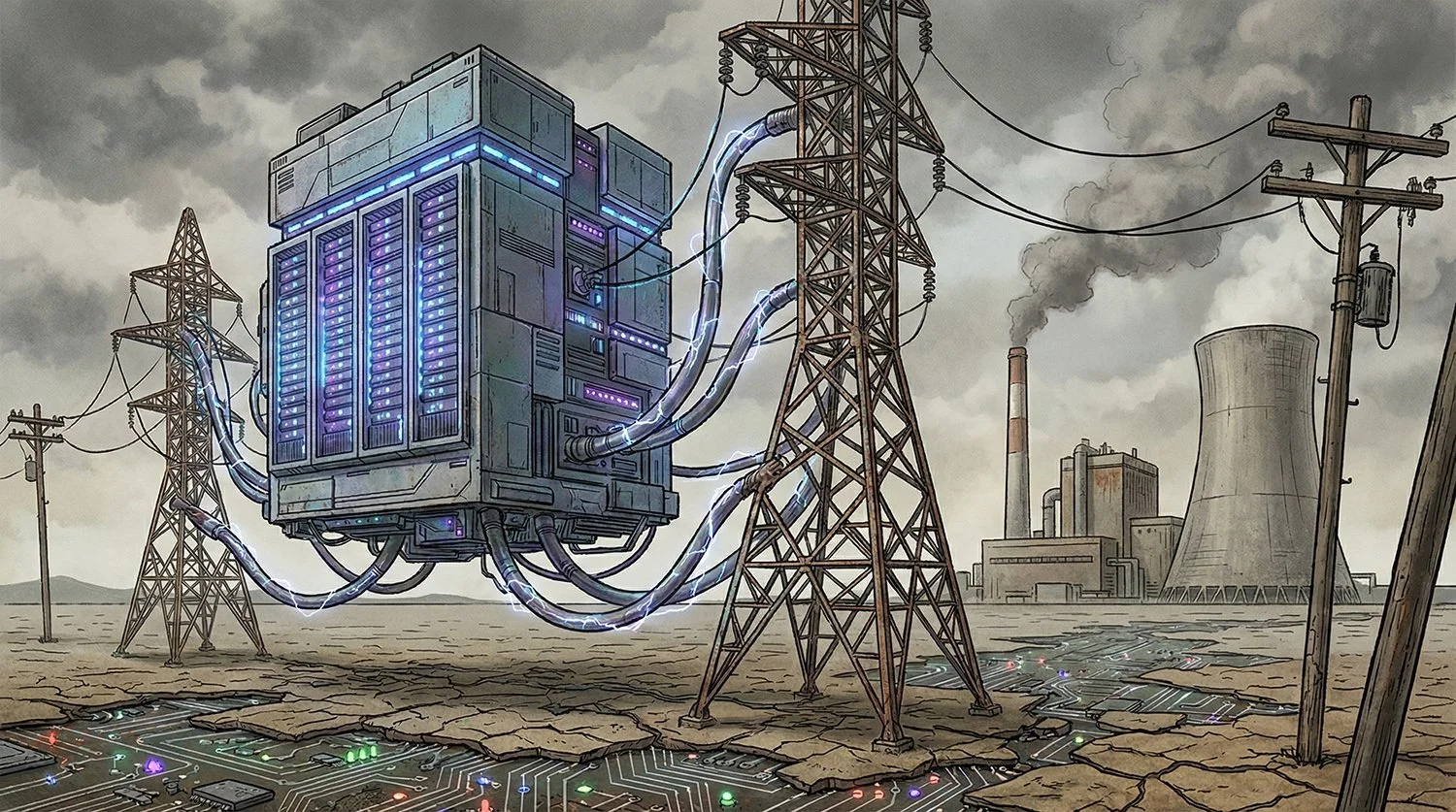
Integration faces obstacles, including blockchain's limited capacity to handle AI's resource-intensive computations, resulting in elevated costs and delays. Environmental concerns persist, as distributed AI may increase energy demands already associated with blockchain.
Regulatory inconsistencies pose risks, with authorities struggling to govern cross-border decentralized AI. Data privacy tensions arise, where AI's dataset requirements could conflict with Web3's decentralization if mishandled. Technical barriers may exclude smaller entities, exacerbating disparities in adoption.

















Impact on Industries and Society
Beyond finance, the blend influences healthcare through blockchain-secured patient data analyzed by AI for diagnostics. Gaming sees AI generating adaptive environments on Web3 platforms. Societally, it may alter employment, automating roles while generating needs for specialized skills in AI-blockchain.
Experts indicate potential for broader AI access, diminishing corporate monopolies, but caution against amplified biases without inclusive data practices. Origins trace to post-2020 calls for resilient tech amid data sovereignty debates.


























Future Trends and Outlook
Projections include expanded AI agents performing independent tasks in Web3, from content generation to logistics. Decentralized training networks are anticipated, allowing global collaboration on models via blockchain. Emphasis on sustainability and cross-system compatibility is expected.
By 2030, this could foster an "intelligent economy" with verifiable, fair AI decisions, contingent on overcoming technical and ethical hurdles. Observers stress regulated progress to balance innovation with inclusivity.

































 TheDayAfterAI News
We are a leading AI-focused digital news platform, combining AI-generated reporting with human editorial oversight. By aggregating and synthesizing the latest developments in AI — spanning innovation, technology, ethics, policy and business — we deliver timely, accurate and thought-provoking content.