
AI Agents vs Agentic AI: Key Differences Driving the Future of Autonomous Systems

Image Credit: Immo Wegmann | Splash
As artificial intelligence continues to advance, distinctions between AI agents and agentic AI are becoming more pronounced, influencing applications in fields such as healthcare and finance where systems increasingly manage tasks with varying degrees of independence.
























Defining AI Agents and Agentic AI
AI agents are programs built to handle targeted, routine tasks on their own, often relying on predefined instructions or tools like software interfaces to interact with their surroundings. For example, a basic chatbot that answers customer questions using set responses falls into this category. These systems focus on efficiency in straightforward operations, such as organizing emails or verifying transactions.
Agentic AI refers to more sophisticated setups that tackle broader objectives with greater self-direction, incorporating abilities to reason, plan steps and adjust to changes. An illustration is a system in autonomous driving that evaluates road conditions, modifies paths and learns from experiences to improve performance. This approach enables handling of unpredictable scenarios through integrated technologies like advanced learning algorithms.














Key Differences in Autonomy and Scope
AI agents typically respond to specific inputs within limited boundaries, making them reliable for consistent environments but less effective when faced with variations. They execute actions based on rules without independently altering their methods.
In comparison, agentic AI demonstrates enhanced independence, assessing situations, devising strategies and coordinating resources, including multiple AI agents, to address multifaceted issues. For instance, in logistics, it could forecast disruptions, redirect resources and refine processes, while simpler agents might only track individual elements like package locations.





















Background and Development
The concept of AI agents traces to the mid-20th century, with early examples like the Logic Theorist program developed by Allen Newell and Herbert Simon in 1956, which simulated human reasoning for mathematical proofs. Over decades, these evolved from basic rule-following systems to more interactive forms, building on foundational theories from figures like Alan Turing.
Agentic AI has gained momentum in the 2020s, fueled by progress in large-scale language processing and adaptive learning techniques that allow systems to refine behaviors through trial and error. Organizations such as Tesla, through self-driving initiatives, and IBM, via its watsonx platform, have contributed to this growth, responding to needs for managing vast data volumes and operational complexities amid workforce constraints.

























Benefits and Drawbacks
AI agents offer advantages in streamlining repetitive duties, such as identifying irregularities in financial records, which enhances speed and reduces expenses. Agentic AI builds on this by facilitating expansion, like in threat detection where it anticipates and counters issues dynamically, potentially lowering downtime.
Challenges include AI agents' limitations in unfamiliar contexts, risking inaccuracies, and agentic AI's vulnerabilities to ingrained data flaws leading to unfair outcomes or breaches. Implementation hurdles, including high expenses and oversight gaps, are notable, with research indicating over 40% of agentic AI initiatives may cease by 2027 due to uncertain returns or controls.
















Impacts on Industries and Society
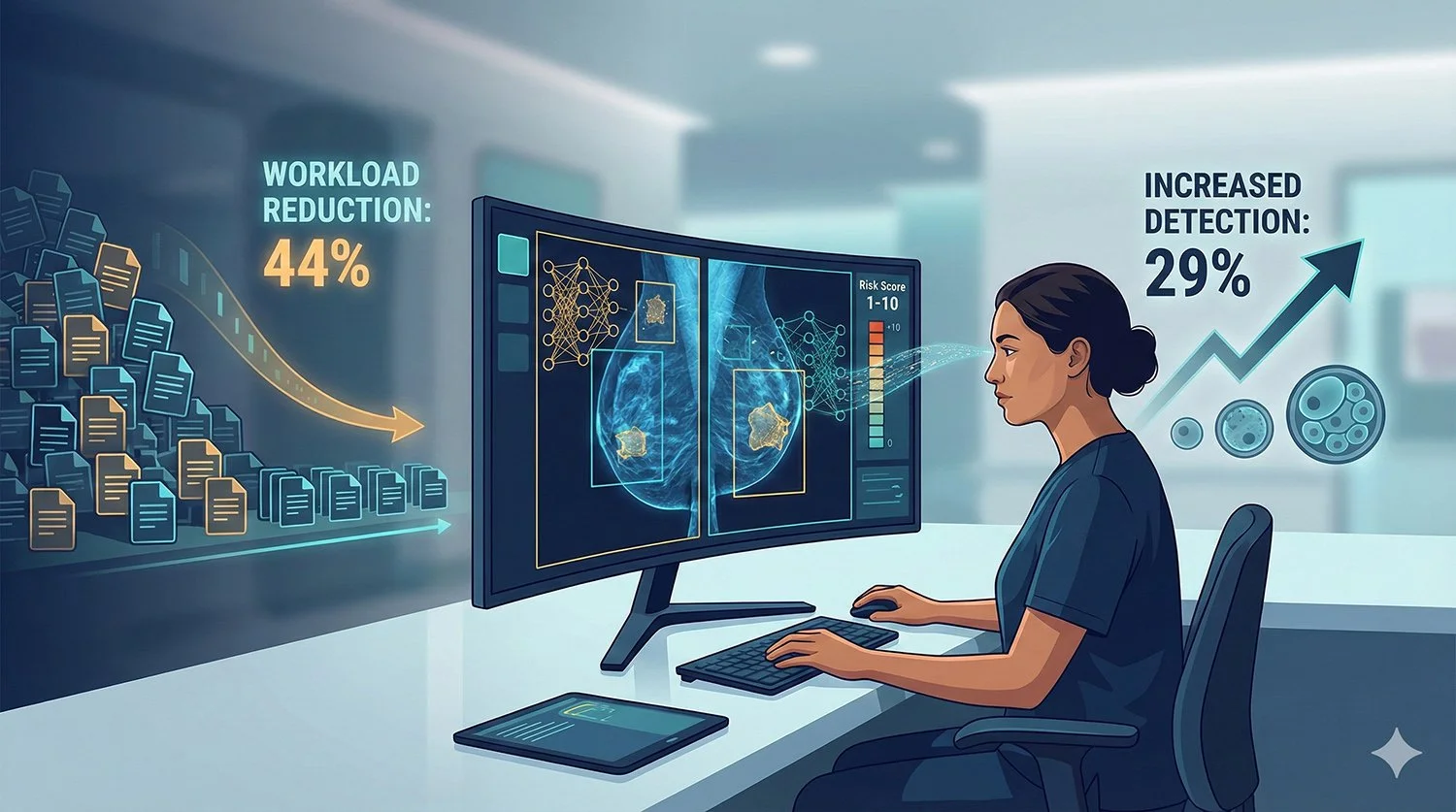
In healthcare, agentic AI supports analysis of patient information for tailored recommendations, boosting precision but prompting questions on responsibility for mistakes. Finance benefits from real-time monitoring to prevent unauthorized activities, though it may contribute to shifts in employment as automation replaces certain analytical positions.
On a wider scale, these technologies promote operational gains but introduce risks like conflicting priorities between system objectives and human values, underscoring the need for regulatory frameworks to address disparities and maintain trust.



























Future Trends
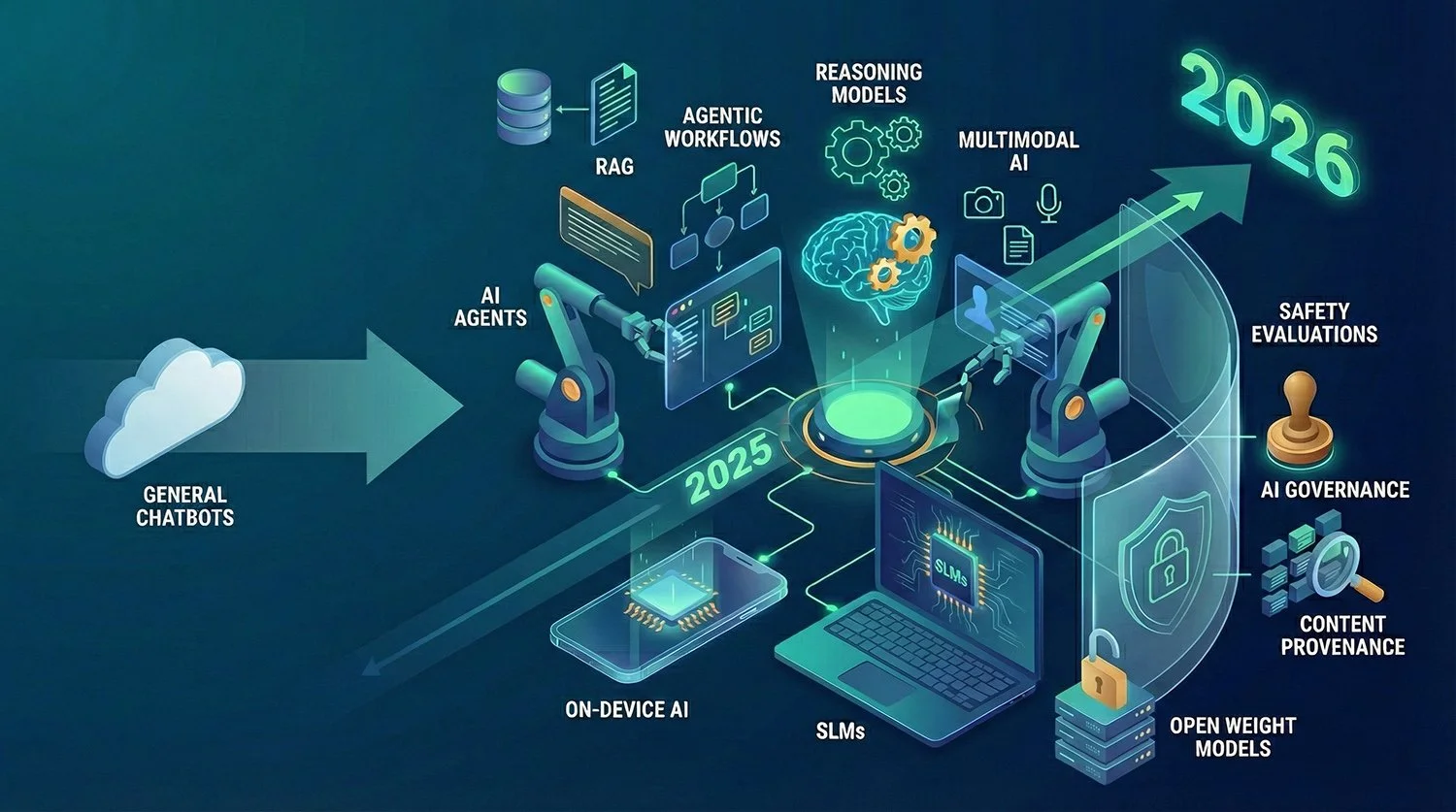
Projections suggest agentic AI will increasingly collaborate with human teams, overseeing tactical elements while people focus on oversight. Developments may include customized support in professional settings and coordinated systems for industrial efficiency.
Analysts anticipate heightened focus on safeguards against misuse, with estimates that by 2028, 15% of routine workplace choices could occur independently. Adoption is likely to proceed measuredly, prioritizing equilibrium between advancements and risk mitigation to foster sustainable integration.


























Source: Cerium Networks, Futurum, Ailoitte, IBM, Digitaldefynd, Gartner, Reuters








 TheDayAfterAI News
We are a leading AI-focused digital news platform, combining AI-generated reporting with human editorial oversight. By aggregating and synthesizing the latest developments in AI — spanning innovation, technology, ethics, policy and business — we deliver timely, accurate and thought-provoking content.