
Spotify Removes King Gizzard AI Clone Amid 75 Million Track Purge

Image Credit: Alexander Shatov | Splash
Australian band King Gizzard and the Lizard Wizard has criticised Spotify after music attributed to a similarly named act, described by multiple outlets as AI generated, briefly appeared on the platform and was served to some users through automated recommendations.
The tracks were credited to King Lizard Wizard, a name close to the Melbourne group, and were reported to mimic the band’s psychedelic rock style along with AI styled artwork. Frontman Stu Mackenzie reacted on social media, writing that he was “trying to see the irony” but that musicians were “truly doomed,” according to coverage of his posts.
Spotify removed the content, saying it violated the company’s artist impersonation rules, and confirmed that no royalties were paid out for streams linked to the impersonator.
























How Listeners Found it
Pitchfork reported that the impersonator’s tracks surfaced in Spotify’s Release Radar, a personalised weekly playlist that highlights new music, before the uploads were taken down.
Some outlets also reported that at least one track reused the title of a well known King Gizzard song and that lyrics matched the original, but those details come via secondary reporting rather than Spotify or the band itself.





























Why the Incident Hit a Nerve for This Band
King Gizzard removed its own catalogue from Spotify in July 2025, a move the band and Australian media linked to anger over Spotify founder Daniel Ek’s investment vehicle, Prima Materia, backing German defence technology firm Helsing in a large funding round.
ABC News reported that Prima Materia led a 600 million euro investment in Helsing, which describes itself as building AI capabilities for defence applications.
That earlier exit meant many listeners were not expecting any new King Gizzard style releases on Spotify. The appearance of a near name lookalike therefore created a sharp test of how streaming platforms separate legitimate artist identities from content designed to imitate them.














Impersonation, Spam and AI Disclosure
Spotify has been publicly tightening its approach to AI related deception. In a September 25, 2025 policy update, Spotify said that over the prior 12 months it had removed more than 75 million “spammy tracks”, and it outlined measures aimed at impersonation, large scale low value uploads, and transparency around AI use in credits.
Spotify also said “vocal impersonation is only allowed” when the impersonated artist has authorised the use, and it described work with distributors to reduce cases where music is fraudulently delivered to an established artist profile.
The King Gizzard episode sits in the part of that problem set that is hardest to solve purely with copyright rules: name similarity, branding, and style imitation can confuse listeners even when ownership of recordings or compositions is disputed, unclear, or not yet tested.















From Viral Deep Fakes to Licensed AI Deals
The music industry has dealt with high profile AI voice cloning controversies for years. In 2023, a track that mimicked vocals of Drake and The Weeknd, titled Heart on My Sleeve, was pulled from major platforms after rightsholder complaints, highlighting how quickly synthetic vocals can circulate before enforcement catches up.
At the same time, labels are increasingly pursuing a dual strategy: litigate where they believe training or outputs infringe rights, while also building licensed pathways for AI tools.
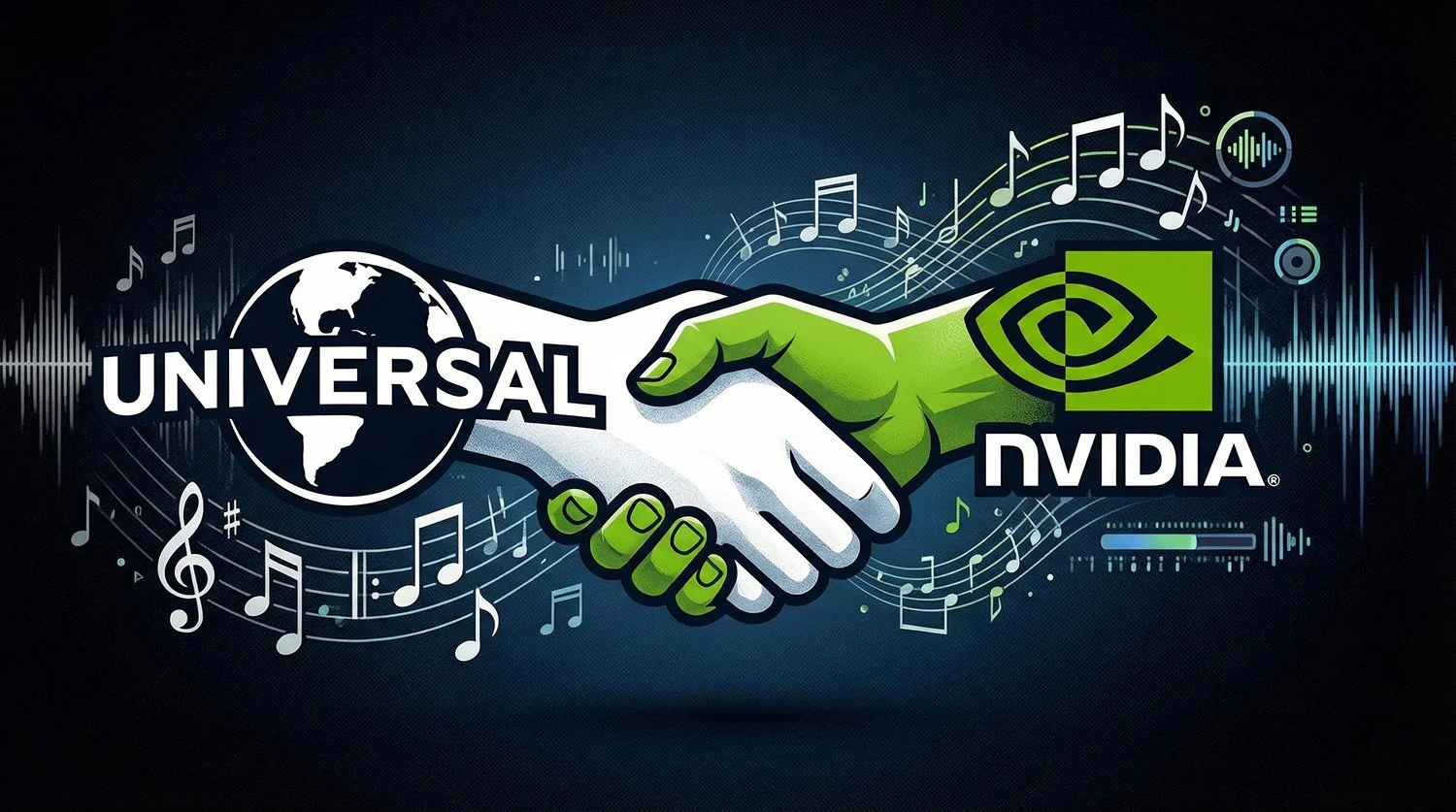
In October 2025, Universal Music Group said it had settled a copyright dispute with AI music firm Udio and would collaborate on generative AI products using authorised and licensed content, Reuters reported.
In November 2025, Warner Music Group said it had settled its case with Udio and planned a joint AI powered song creation platform for 2026, also according to Reuters.
Reuters also reported that Warner later settled with Suno to enable licensed AI models.
The policy direction implied by those deals is not simply “AI or no AI”, but tighter control over consent and licensing on the creation side, paired with stronger identity and impersonation enforcement on the distribution side.

















No Broad Training Exception, Focus on Licensing
In Australia, the federal government has stated it is not considering introducing a broad text and data mining exception that would allow AI developers to train on Australian creative works without permission, and it has signalled further work on licensing and compensation options.
APRA AMCOS has framed the training question as central for music creators, pointing to the government’s stance against a wide exception and arguing for creator protections and workable licensing models.
While the King Gizzard incident centres on an upload and impersonation event on a streaming platform, it lands in the same wider debate: how creative labour is protected when tools can replicate sound, voice, and aesthetics at low cost and high volume.












What to Watch Next on Streaming Platforms
Based on Spotify’s own policy roadmap and recent enforcement actions, three practical measures are likely to matter most for incidents like this:
Faster identity checks and better profile security to reduce lookalike artist pages and misdelivery to the wrong profiles.
Stronger recommendation hygiene, so newly uploaded content does not reach personalised discovery surfaces before basic authenticity signals are satisfied.
Clearer AI related disclosures in credits, which Spotify says it will support via an industry standard approach, though it has not committed to mandatory labelling for all AI made music.
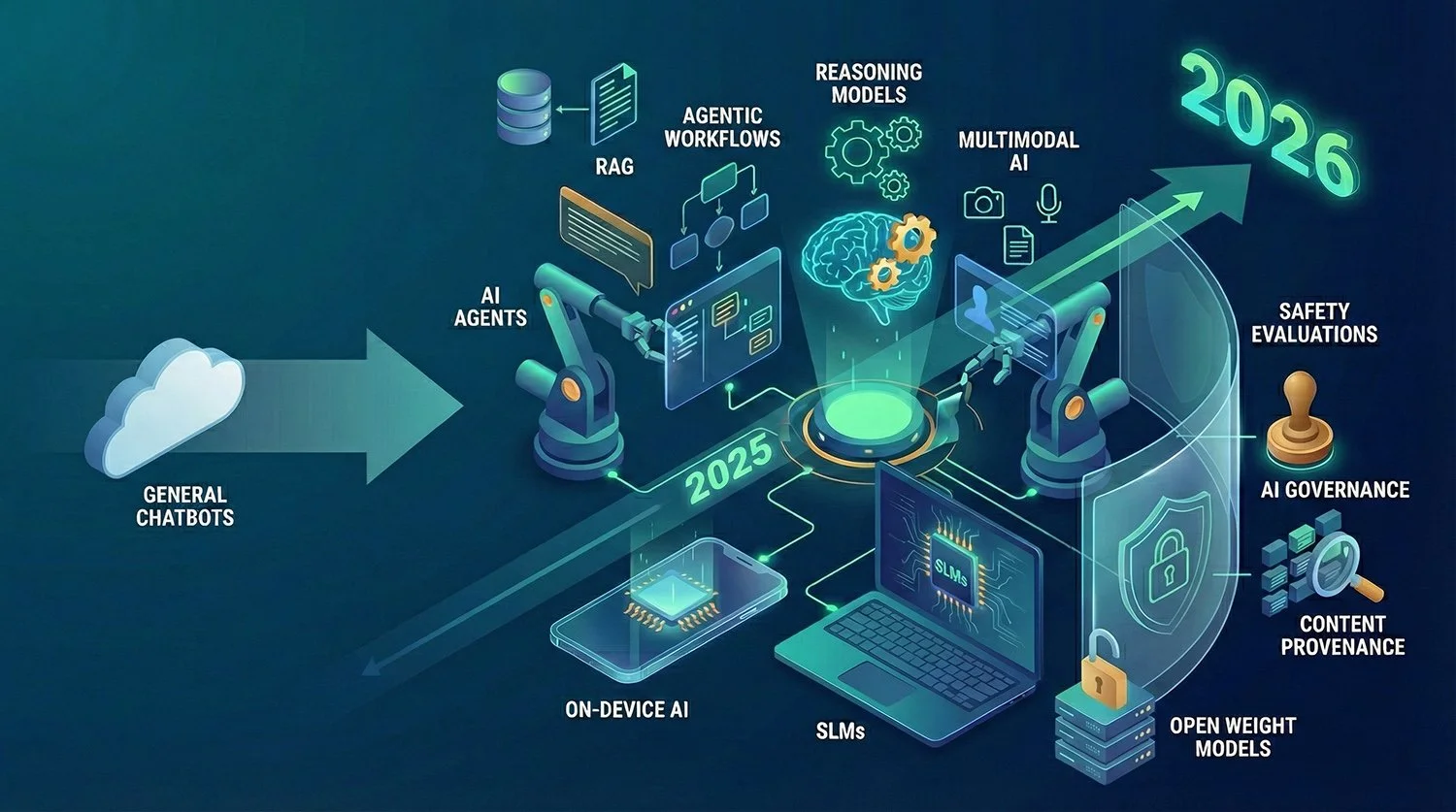
For listeners, the King Gizzard episode is a reminder that the streaming experience is shaped as much by distribution controls and recommendation systems as by what creators choose to release, making trust and provenance a frontline issue as AI generated audio becomes easier to produce.
































 TheDayAfterAI News
We are a leading AI-focused digital news platform, combining AI-generated reporting with human editorial oversight. By aggregating and synthesizing the latest developments in AI — spanning innovation, technology, ethics, policy and business — we deliver timely, accurate and thought-provoking content.