
China Unveils P60 Autonomous Military Vehicle Powered by DeepSeek AI
Image Credit: Engin Akyurt | Splash
China's state owned defence firm Norinco has unveiled an autonomous military vehicle powered by domestic artificial intelligence, highlighting Beijings push to integrate AI into warfare amid global tech restrictions.
The P60 vehicle, revealed in February 2025, can operate at speeds up to 50 kilometres per hour while providing combat support without direct human input, according to company details. This development underscores the central role of AI in modernising China’s military capabilities, even as leaders emphasise human oversight in operations.

















The P60: Features and Capabilities
Norinco, a key player in China’s defence sector, introduced the P60 to enhance battlefield efficiency through autonomous tasks like reconnaissance and support. The vehicle processes environmental data in real time to navigate and respond, fitting ground based roles at its maximum speed. Communist Party officials highlighted it as an example of applying homegrown AI to reduce risks to personnel in conflict zones.
This fits into directives from Chinese leadership, including President Xi Jinping, who since 2019 has promoted intelligentised warfare to leverage AI in planning and execution. The P60 stems from collaborations with state research bodies, aiming to boost operational speed while maintaining command structures.



















DeepSeek AI: Powering Autonomy
Central to the P60 is DeepSeek, a homegrown AI model from a Hangzhou based firm in Zhejiang province, founded in July 2023 by Liang Wenfeng and backed by hedge fund High Flyer. DeepSeek stands out for its efficiency, with claims of training costs under six million US dollars using fewer resources than comparable Western models, such as one tenth the computing power of some Meta equivalents.
The model handles complex reasoning like target recognition and tactical adjustments, with versions such as V3 featuring innovative architectures for broader task coverage. This aligns with China’s emphasis on independent tech development, rooted in the 2017 New Generation Artificial Intelligence Development Plan, which intensified in the early 2020s amid rising international tensions. PLA linked entities have referenced DeepSeek in procurement and patents, indicating its adaptation for defence without excessive hardware needs.















Navigating US Export Restrictions
US bans on advanced chips like Nvidia’s H100, starting in September 2022 and tightened further, aim to limit China’s military AI progress over security concerns. Despite this, Chinese entities have accessed restricted tech through stockpiles, secondary markets, cloud services abroad, and intermediaries like Southeast Asian shell companies. Procurement records and patents show PLA affiliates using Nvidia chips in research into 2025.
Beijing has pivoted to domestic alternatives, with Huawei Ascend processors appearing in over a dozen patents from military institutions since 2023. Contractors such as Shanxi 100 Trust Information Technology, which won significant PLA deals, promote Huawei based systems for AI operations. This mixed strategy sustains advancements, revealing gaps in export enforcement amid US China rivalry.



















Broader PLA AI Applications
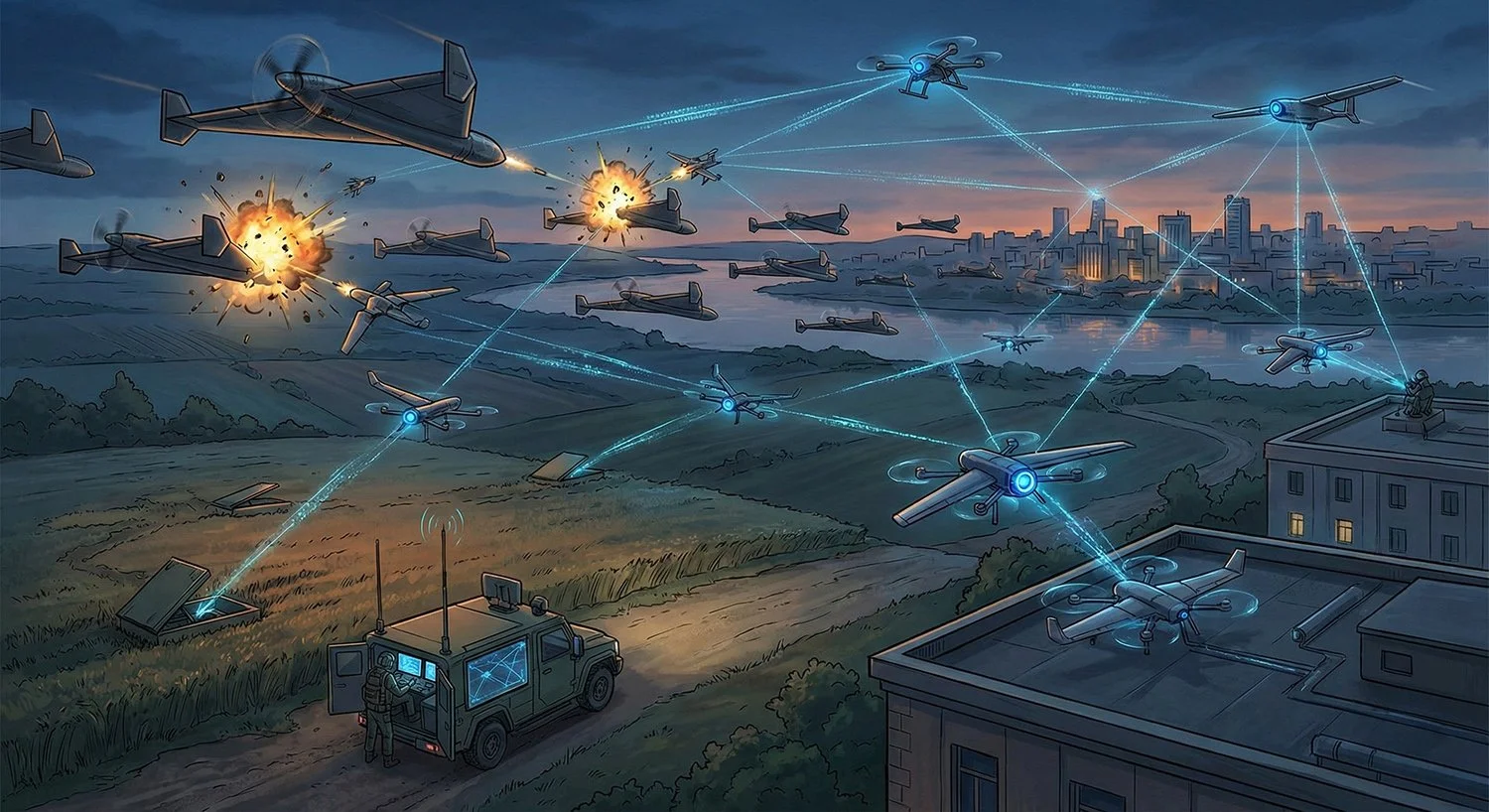
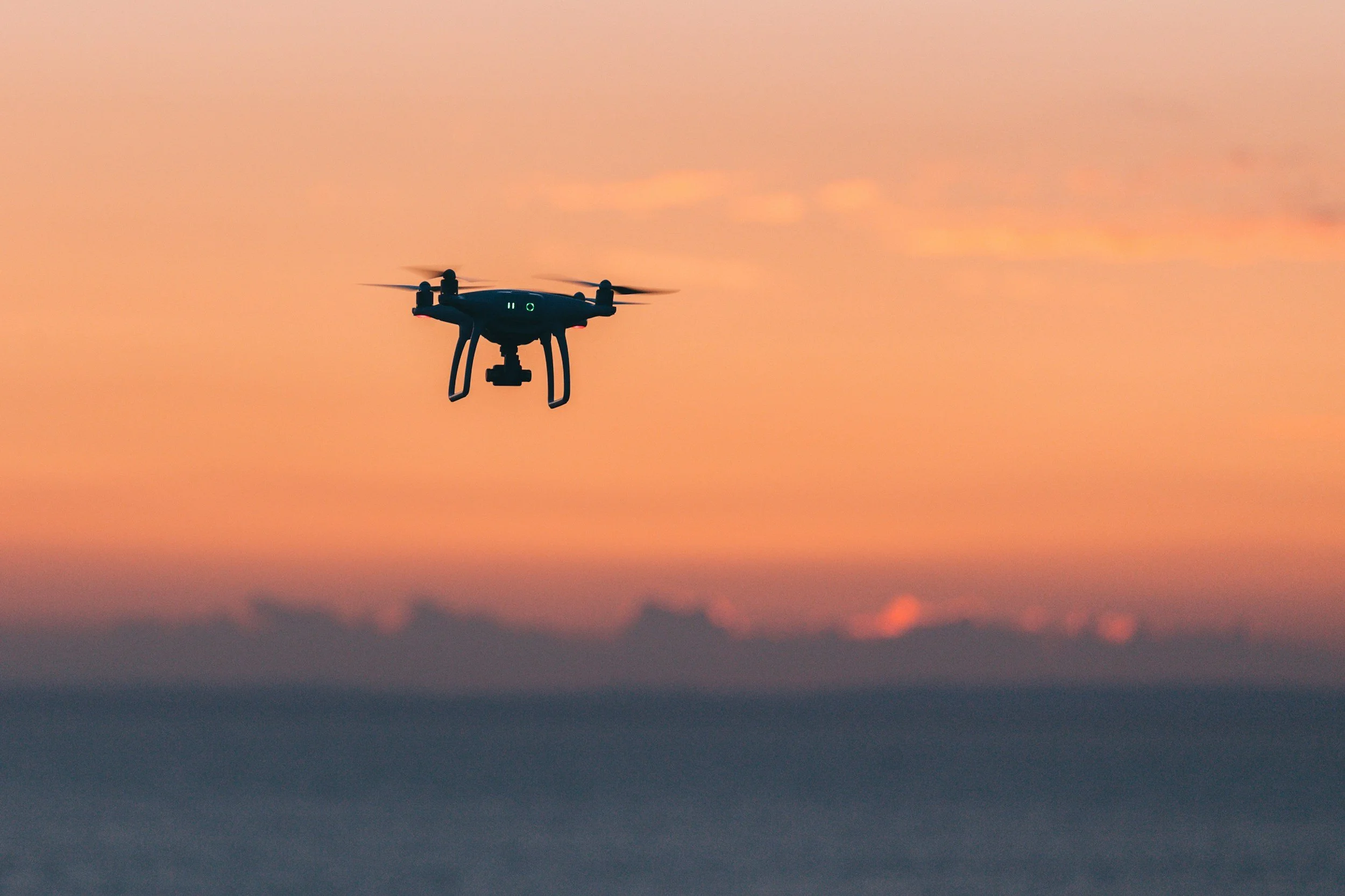
DeepSeek extends beyond the P60 to other PLA efforts. Tenders from 2025 call for its use in drone swarms for tracking and coordinated flight, with Beihang University patents outlining enhanced decision making for aerial defence. A November 2024 tender sought AI robot dogs for group scouting and hazard clearance, though deployment remains unconfirmed.
In May 2025, Xi'an Technological University reported a DeepSeek driven system analysing 10,000 battlefield scenarios in 48 seconds, a claim yet to be independently verified. These initiatives, managed via bodies like the National University of Defense Technology, advance intelligentised warfare concepts from PLA doctrine. Oversight protocols are prioritised to address potential AI inconsistencies.























Implications and Future Trends
Chinas AI focus emerges from competition with the US, where both invest heavily since the 2010s to secure advantages in speed and autonomy. For Beijing, it counters capability gaps, potentially altering conflicts through efficient, reduced manpower systems.
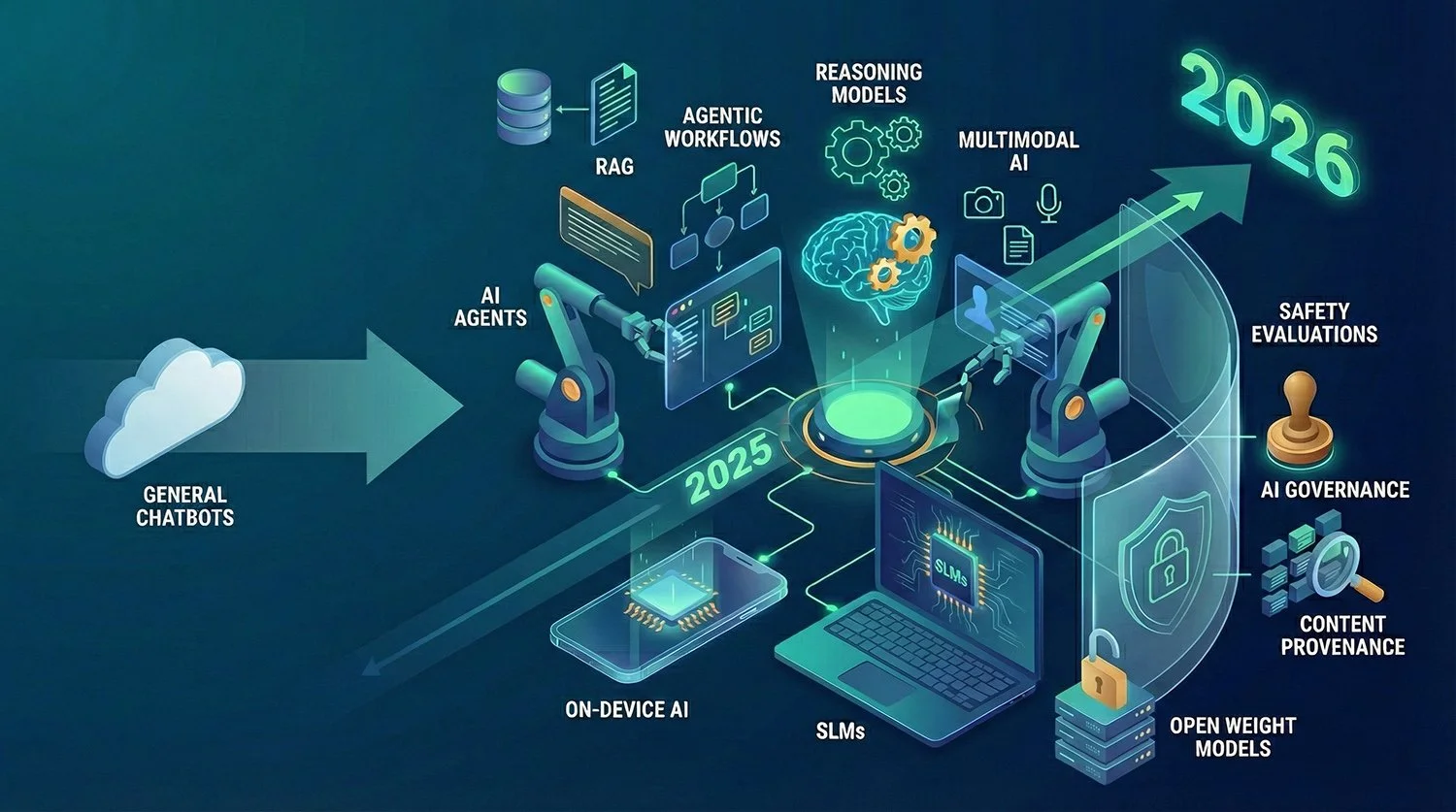
Issues like data protection and model dependability remain, with experts calling for robust checks. Projections suggest expanded DeepSeek integration in command, control, communications, computers, intelligence, surveillance, and reconnaissance by 2030, supporting goals for AI to drive a one point four trillion US dollar market. Globally, this may intensify calls for AI governance norms, as Washington strengthens alliances to restrict access while Beijing pursues self reliance.





























 TheDayAfterAI News
We are a leading AI-focused digital news platform, combining AI-generated reporting with human editorial oversight. By aggregating and synthesizing the latest developments in AI — spanning innovation, technology, ethics, policy and business — we deliver timely, accurate and thought-provoking content.