
AI Voice and Music Tools Reshape Broadcasting: Inside ElevenLabs’ US$3.3B Audio Expansion

Image Credit: Hannah Troupe | Splash
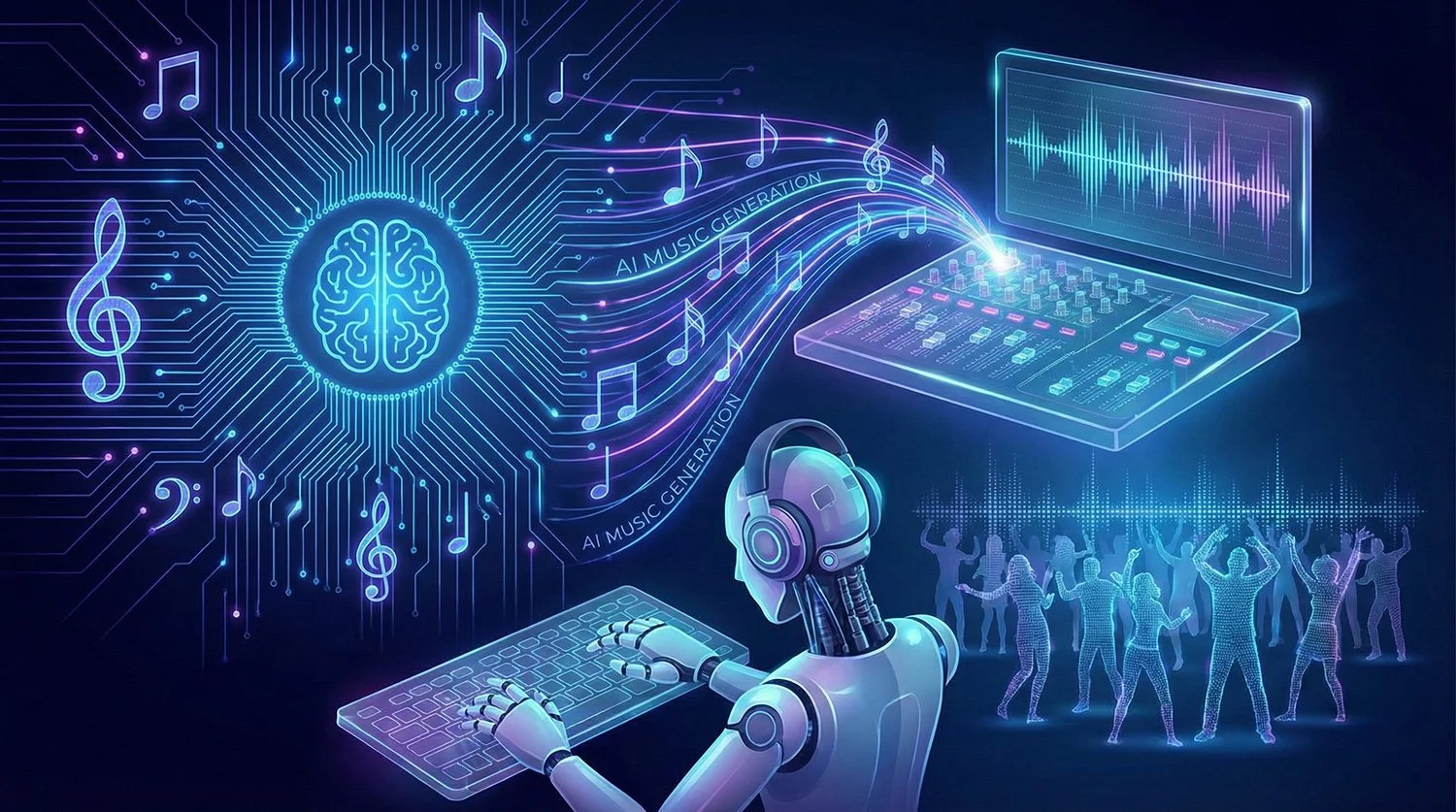
ElevenLabs, a leading developer of artificial intelligence audio tools, has outlined ways AI is automating aspects of music broadcasting, from voice generation to content curation, as part of broader industry shifts towards efficiency and tailored listener experiences.























Company Background and Evolution
ElevenLabs was founded in 2022 in London by Piotr Dabkowski, a former Google machine learning engineer, and Mati Staniszewski, an ex Palantir deployment strategist. Both founders, raised in Poland, drew inspiration from poorly dubbed films to create natural sounding speech synthesis using deep learning. The company started with ultra realistic AI voices that capture nuances like emotion, tone, pitch, and accent, differing from earlier robotic outputs.
By January 2023, ElevenLabs released its beta platform, reaching over one million users by June that year. Funding milestones include a 19 million US dollar Series A in June 2023 at a US 100 million dollar valuation, an US 80 million dollar Series B in January 2024 valuing it at US 1.1 billion dollars, and a US 180 million dollar Series C in January 2025, boosting valuation to US 3.3 billion dollars. Investors include Andreessen Horowitz, Sequoia Capital, and Nat Friedman.
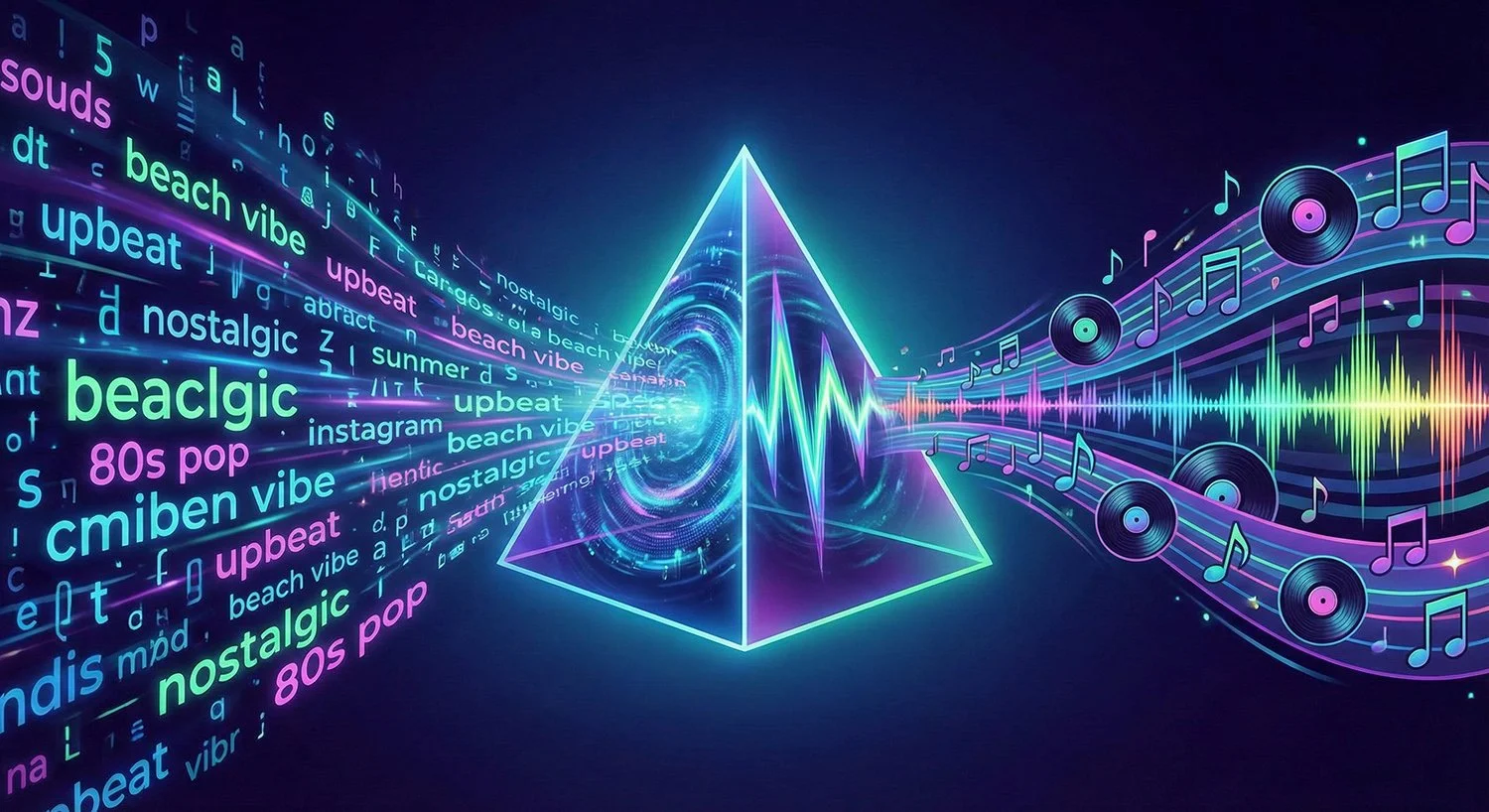
Product developments began with text to speech software, expanding to voice cloning via VoiceLab, multilingual support in 28 languages by August 2023, and AI dubbing in October 2023 for translating speech while preserving original emotions and intonation. In August 2025, ElevenLabs launched Eleven Music, an AI generator creating studio grade tracks from natural language prompts, supporting genres, vocals, and multilingual lyrics. This tool, developed with labels and artists, is cleared for commercial uses like films, podcasts, and ads.
The push into music and broadcasting stems from declining traditional media popularity amid digital streaming, prompting AI adoption to enhance interactivity and relevance. Reasons include addressing one way communication limits and competing with platforms offering instant content. Impacts involve revived engagement, with AI enabling broadcasters to analyse trends and adapt quickly.

























AI Driven Automation in Content and Voice Synthesis
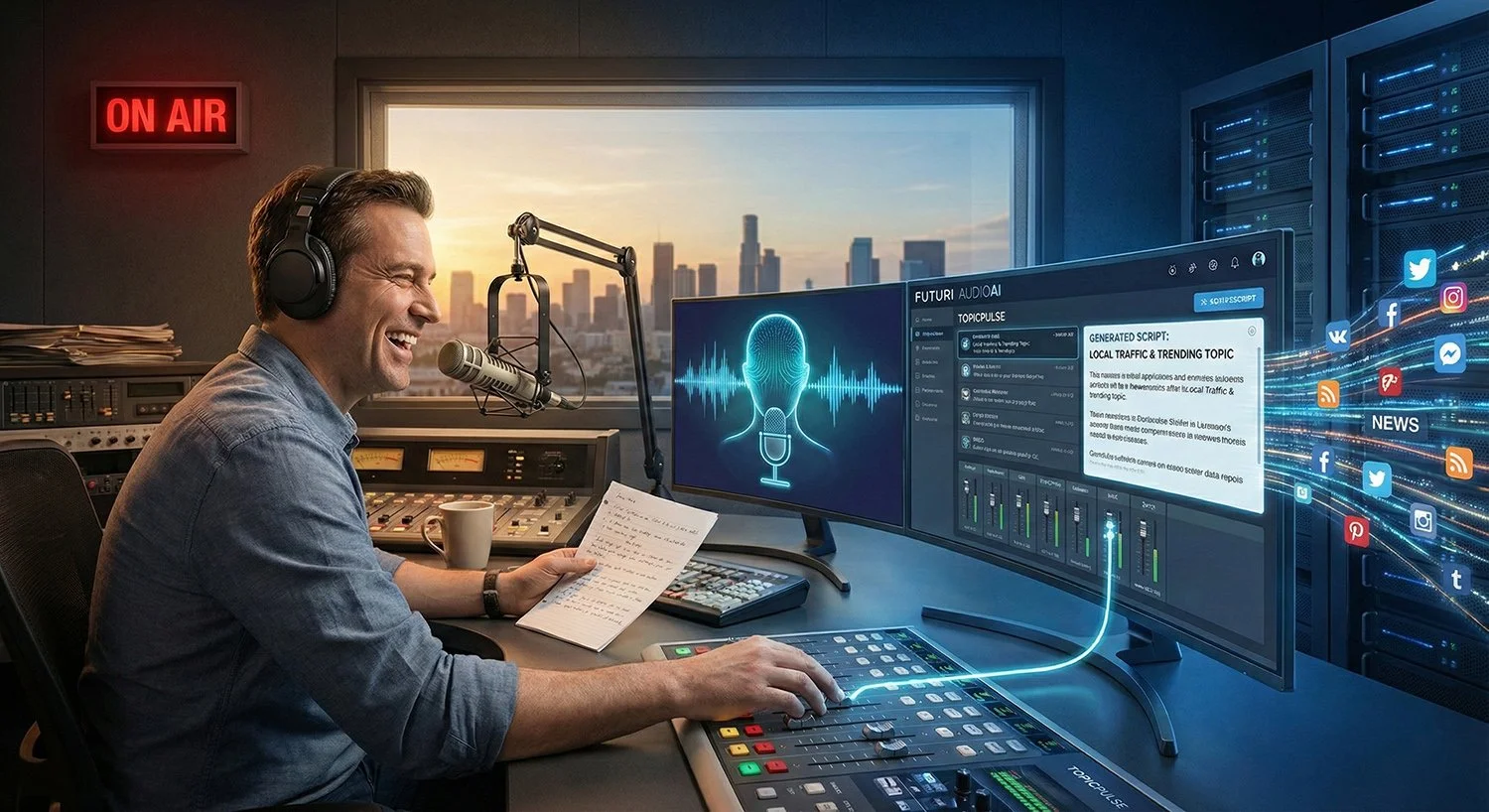
AI automates content selection by analysing data to spot trends and suggest ideas, aiding broadcasters in creating relevant programming for music radio. This occurs through algorithms processing sources to recommend topics, reducing manual work and aligning with listener preferences, often handled by platforms like Super Hi Fi while ElevenLabs focuses on voice layers. For voice synthesis, ElevenLabs tools generate humanlike voices for DJs and narrations in music broadcasts, filling gaps during absences or enhancing authenticity.
In 2023, ElevenLabs partnered with Super Hi Fi to develop AI DJ services for personalised radio, combining voice AI with production for AI powered stations, including fully automated or hybrid setups. This integration allows seamless voiceovers and transitions in music streams. Reasons for such automation include boosting productivity and quality in competitive markets. Impacts feature time savings and improved efficiency, as AI handles routine tasks like editing and voice generation.














Personalisation and Adaptive Technologies
AI enables highly personalised radio streams by examining demographics, behaviours, and preferences to tailor content. Predictive analytics adjust schedules and playlists dynamically, such as optimising play times based on habits. AI dubbing translates broadcasts in near real time, preserving intonation for global audiences.
These features integrate into broadcasting platforms, though specific ties to SiriusXM involve separate AI efforts like voice replicas for ads via Narrativ. Reasons centre on overcoming traditional mass targeting to boost retention. Impacts include improved engagement and revenue, with personalised experiences aiding niche genre discovery.

















Economic and Global Impacts
Production costs drop as AI automates editing, noise removal, and virtual effects, making operations affordable for smaller stations. Royalty free AI music libraries under licensing agreements avoid complex copyrights, supporting independent broadcasters. Global reach expands through dubbing and translation, allowing niche genres like jazz or folk to access worldwide listeners.
Reasons include addressing high traditional expenses and language barriers. Impacts foster inclusivity, with AI generated tracks enabling themed programming in regions like the UK and Canada. Voice actors gain passive income from cloned voices.























Future Trends in AI Music Broadcasting
AI market in music is projected to grow at 25 per cent annually, reaching US38.7 billion dollars by 2033 from US3.9 billion in 2023. Trends include deeper personalisation via mood based playlists and real time adaptations. Broadcasting may see hybrid models where AI supports human hosts, enhancing niche content discovery.
Ethical issues, like deepfake misuse, prompt calls for detection tools. Overall, AI positions broadcasting for growth by blending automation with creativity, potentially adding tens of billions of dollars to audio markets by 2030.


























 TheDayAfterAI News
We are a leading AI-focused digital news platform, combining AI-generated reporting with human editorial oversight. By aggregating and synthesizing the latest developments in AI — spanning innovation, technology, ethics, policy and business — we deliver timely, accurate and thought-provoking content.