
DJI Mini 5 Pro Weighs 252g? Weight Variance Triggers Registration Worldwide

Image Source: DJI
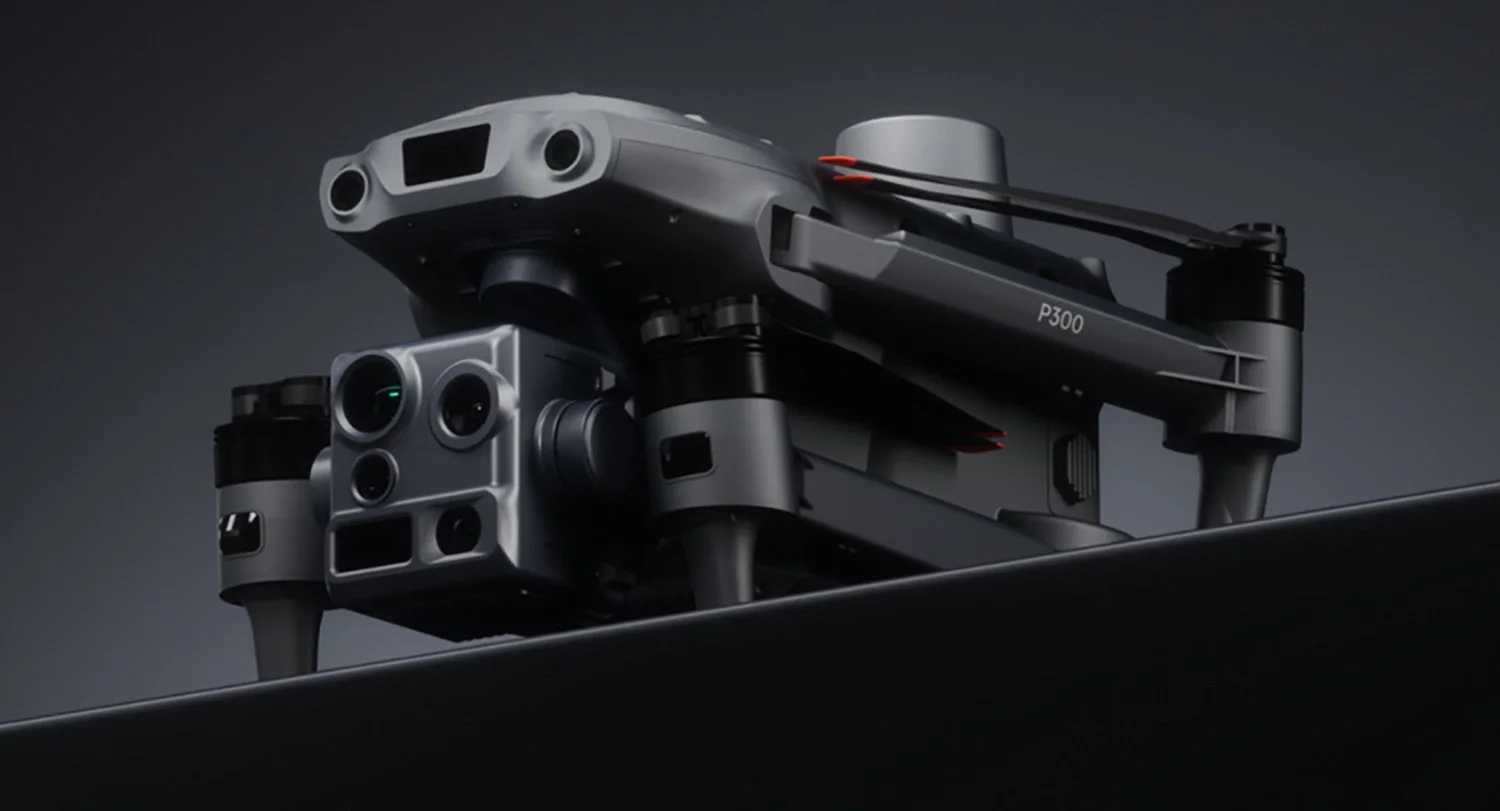
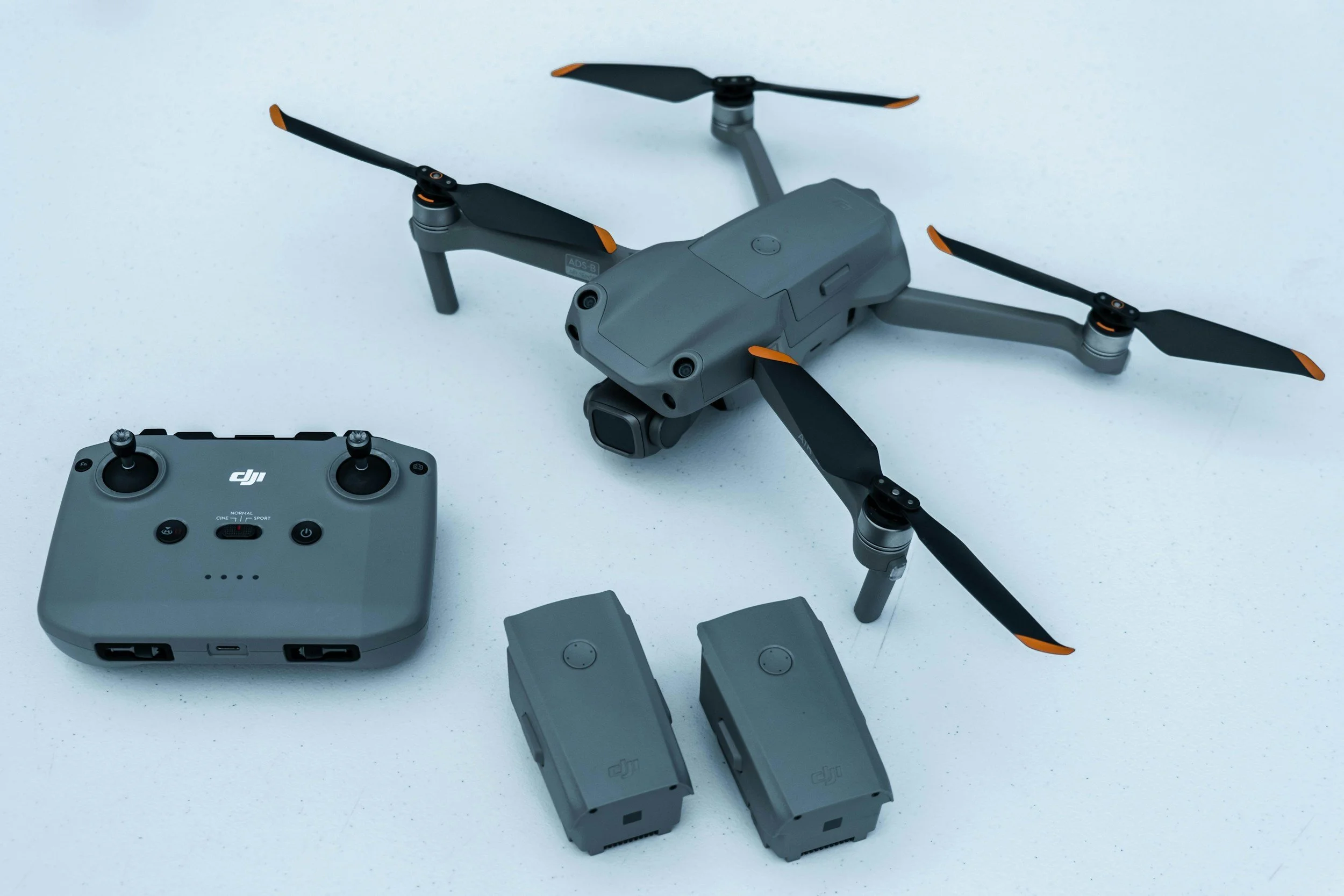
Aviation regulators in the United States, Canada and the United Kingdom have confirmed that DJI’s Mini 5 Pro cannot qualify for sub-250-gram exemptions after retail units were found to weigh 252–253 grams, exceeding DJI’s published 249.9-gram target with ±4 g tolerance. Australia’s Civil Aviation Safety Authority (CASA) also classifies it above 250 g, though recreational users there face no additional paperwork. Launched on 17 September 2025, the model showcases advanced AI features including enhanced subject tracking and low-light obstacle avoidance designed for effortless consumer operation. Yet the heavier production weight, stemming from late hardware changes, undercuts regulatory advantages that have long defined the Mini series.
The Mini 5 Pro continues DJI’s six-year tradition of building lightweight AI-assisted drones intended to democratise aerial filmmaking. Its real-time machine-learning flight aids remain the core appeal, but the overage pushes many operators into administrative tiers created for larger craft, potentially dampening enthusiasm among families, travellers and casual creators.

















Roots of the Weight Wrangle
Post-launch teardowns revealed that the true mass increase originates from heavier hardware than initially certified, including a larger speaker module and revised propeller specifications, adding roughly 2–4 grams within DJI’s stated manufacturing tolerance. DJI has self-certified the Mini 5 Pro to Europe’s C0 class, where the prEN 4709-001 standard permits ±3% mass tolerance, allowing a sub-250 g design to weigh up to about 257 grams while remaining compliant.
EASA drone project manager Natale Di Rubbo confirmed the drone remains validly C0-marked under this tolerance. Outside the EU, however, regulators enforce hard 250-gram limits with no allowance for factory tolerances, meaning any takeoff weight above 250 g triggers additional obligations.
Global scrutiny intensified following several safety incidents, including a January 2025 U.S. case where an unregistered consumer drone collided with a firefighting aircraft during the Palisades wildfire response. The operator ultimately faced USD 156,000 in fines and restitution by late 2025, fueling calls for tighter oversight of low-altitude pilots.


























Country-by-Country Breakdown
Regulatory approaches differ widely, reflecting national priorities around airspace protection, enforcement, and ease of access for hobbyists. The summaries below focus on recreational operations, where the Mini 5 Pro’s AI features tend to shine.



























United States (FAA)
Weight Threshold: Over 0.55 lb / 250 g.
Recreational Requirements:
Register via FAADroneZone (USD 5, valid three years).
Pass the free TRUST safety test.
Comply with Remote ID broadcasting rules.
Civil penalties for unsafe or unauthorised operations can reach USD 75,000 per violation.
Key Impacts:
The required Remote ID broadcast removes the “grab-and-go” spontaneity valued by hikers and travellers. No licence is needed for recreational use, but non-compliance risks substantial penalties.


























Canada (Transport Canada)
Weight Threshold: Over 250 g.
Recreational Requirements:
Register the drone (CAD 10, one-time unless details change).
Pass the Basic Pilot Certificate online exam (CAD 10).
Advanced Certificate required for operations close to people, buildings, or in controlled airspace.
Updated definitions for “populated” and “sparsely populated” areas came into effect on 4 November 2025.
Key Impacts:
The Basic Certificate enables general outdoor flying with AI tracking in open spaces. Costs are modest, but the exam and regulatory learning curve deter some entry-level buyers.

























United Kingdom (CAA)
Weight Threshold: Over 250 g today; Flyer ID threshold drops to 100 g on 1 January 2026.
Recreational Requirements:
Flyer ID: free, online theory exam (40 questions; pass mark 30).
Operator ID required for most camera-equipped drones, including the Mini 5 Pro.
Drone must be labelled with Operator ID.
Direct Remote ID becomes mandatory for certain class-marked drones from 2026.
Key Impacts:
The 2026 threshold shift increases the number of drones requiring a Flyer ID. The theory exam familiarises pilots with sensing, privacy and safety principles tied to advanced AI flight modes.


























Australia (CASA)
Weight Threshold: Over 250 g moves the drone from the “micro” to “very small” category.
Recreational Requirements:
No registration, accreditation, or fees for purely recreational flying, regardless of weight.
Standard safety rules apply (visual line of sight, altitude limits, no-fly zones).
Commercial users must register and obtain accreditation; a levy applies above 500 g.
Key Impacts:
Australia remains the most relaxed major jurisdiction for hobbyists. AI-assisted tracking and obstacle sensing can be fully enjoyed without paperwork, preserving the Mini 5 Pro’s casual-use appeal.























European Union (EASA)
Weight Threshold: C0 class with ±3% tolerance, effectively up to ~257 g.
Recreational Requirements:
For C0 drones with cameras, the operator must register and label the drone.
No formal exam is required; standard Open Category rules apply (height limits, privacy, no-fly zones).
Key Impacts:
Light requirements let pilots experiment freely with low-light tracking and automated flight modes, although registration is still mandatory due to the onboard camera.



























Spotlight on AI Innovations Now Under Scrutiny
The Mini 5 Pro’s standout features push far beyond typical sub-250-gram craft. A 50-megapixel 1-inch CMOS sensor feeds imagery to onboard neural processing units that enable 4K/120fps recording, ultra-stable slow-motion capture, and a 225-degree rotating gimbal that enhances creative angles. Upgraded ActiveTrack 360° uses machine-vision pipelines to follow athletes, pets, or vehicles fluidly, while its omnidirectional sensors benefit from low-light optimisation to reduce collision risk during dusk flights.
These capabilities — comparable to smartphone AI filmmaking — democratise aerial creativity. Yet the regulatory fallout highlights a tension: the hardware needed to support richer AI autonomy adds mass, complicating efforts to stay below long-standing 250-gram exemptions first popularised under the FAA’s 2015 rules for “toy-class” drones.



























Horizons for Harmonised Heights
Policy analysts expect gradual alignment across jurisdictions. The UK’s 2026 threshold changes may accelerate global uptake of Remote ID, enabling safer automated traffic management. Meanwhile, parts of EASA’s 3% tolerance model are already appearing in international discussions led by ICAO, signalling possible adjustments in North America by 2027.
DJI has hinted at potential design revisions, including modular speaker housings, to reduce weight in future batches.
For now, the message is simple: pilots should check local rules and weigh their aircraft before takeoff. Whether using the FAA’s UAS Facility Maps or CASA’s Can I Fly There? app, a quick check can prevent costly mistakes, and keep sophisticated mini drones flying safely where the views are worth capturing.


































 TheDayAfterAI News
We are a leading AI-focused digital news platform, combining AI-generated reporting with human editorial oversight. By aggregating and synthesizing the latest developments in AI — spanning innovation, technology, ethics, policy and business — we deliver timely, accurate and thought-provoking content.