
UMG Moves From Lawsuits to AI Deals as 28% of New Uploads Turn AI-Generated

Image Credit: Yumu | Splash
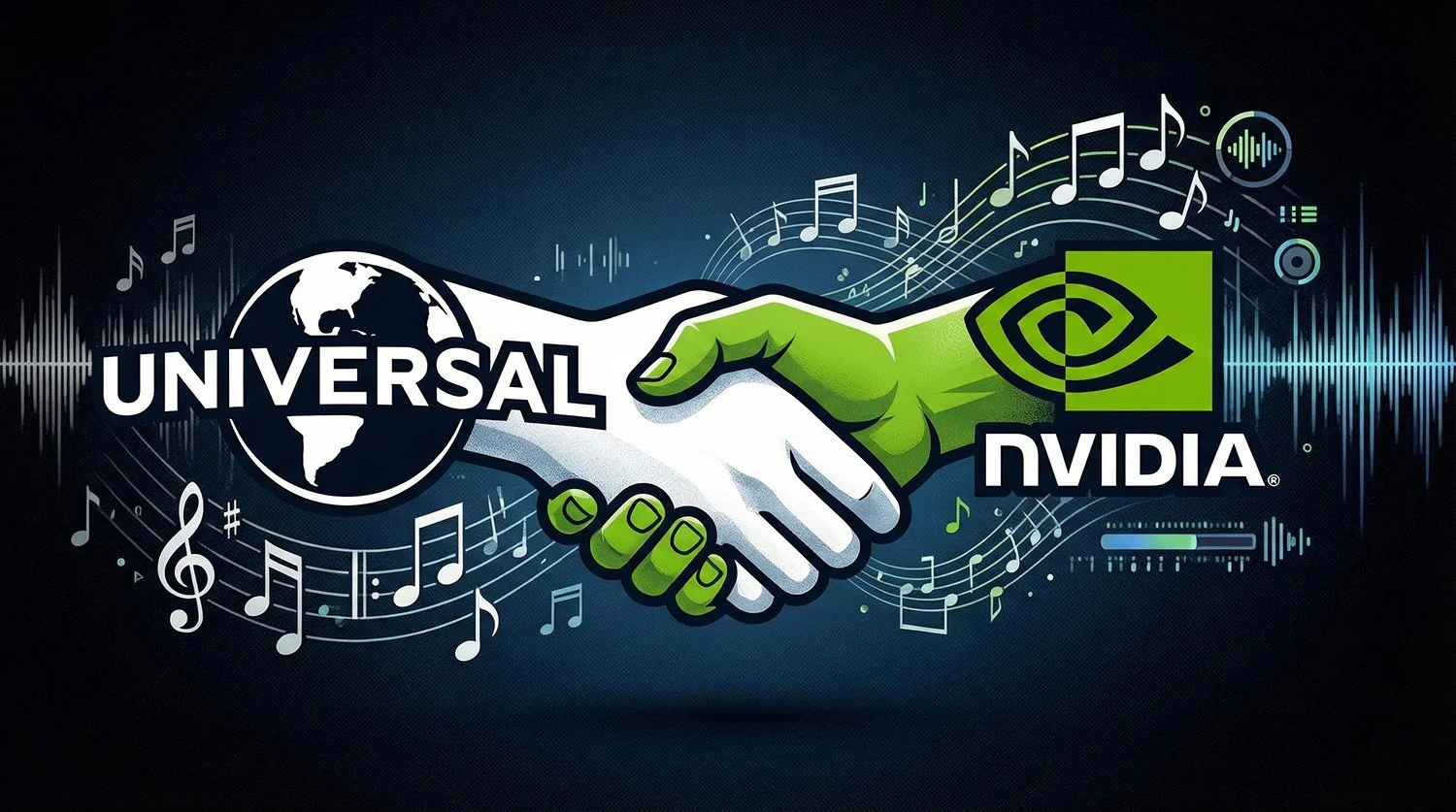
Universal Music Group has moved swiftly from courtroom battles over generative artificial intelligence in music to strategic partnerships, announcing settlements and alliances that could reshape how artists create and monetise tunes in an AI driven world. In late October, the world's largest music company resolved a high profile copyright dispute with AI startup Udio and teamed up with Stability AI to build professional tools for songwriters and producers. These moves highlight a maturing tension between innovation and intellectual property rights, putting responsible AI training at the heart of the industry's future.






















Roots of the AI Music Clash
The story begins in the summer of 2024, when the Recording Industry Association of America filed lawsuits on behalf of UMG, Sony Music, and Warner Records against AI music generators Udio and Suno. The claims centred on allegations of massive copyright infringement, accusing the companies of training their text to audio models on vast catalogues of protected songs without permission or payment. UMG, which boasts artists like Taylor Swift and Drake, argued this practice threatened the livelihoods of human creators by flooding platforms with AI generated tracks that mimicked real music. Independent musicians soon piled on with class action suits, amplifying calls for fair compensation in the booming field of generative AI. By mid 2025, the cases had spotlighted broader debates: could AI unlock endless creativity, or would it dilute the value of original work? Legal experts noted the suits echoed similar fights in visual arts and literature, where rights holders sought to enforce boundaries on data scraping for machine learning.


























Udio Settlement Ushers in Licenced AI Playground
On October 29, 2025, UMG and Udio, a New York based startup founded by Andrew Sanchez and David Ding, struck an out of court deal that dismissed the infringement claims and paved the way for collaboration. The agreement includes fresh licences for UMG's recorded music and publishing assets, allowing Udio to train its next generation models on authorised and licensed music (including UMG's catalog). This marks a pivot from confrontation, with UMG Chairman and CEO Sir Lucian Grainge praising the pact as a way to "do what's right by artists and songwriters" through responsible tech adoption.
Central to the deal is a subscription based platform set to launch in 2026, designed as a controlled space for fans to customise, stream, and share tracks inspired by opted in UMG artists. Unlike Udio's earlier freeform service, which let users download or export their AI creations, the new setup confines outputs to its own ecosystem – a so called walled garden. Downloads have been paused, and features like fingerprinting and filtering will curb unauthorised distribution, addressing fears of AI tracks overwhelming streaming algorithms. Udio's Sanchez hailed it as a chance to "redefine how AI empowers artists and fans," while ensuring songwriters earn not just from direct copies but from any training data use. The terms promise revenue streams for creators, though exact splits remain under wraps due to the private nature of the accord. Sony and Warner's suits against Udio linger, and UMG's case versus rival Suno presses on, suggesting not all players are ready to partner yet.














Stability AI Alliance Targets Pro Level Tools
Hot on the Udio news, UMG unveiled a strategic tie up with London headquartered Stability AI on October 30, 2025, skipping litigation for direct co development. Known for its Stable Diffusion image tech and Stable Audio models, Stability brings expertise in commercially safe generative systems trained on licenced data. The duo aims to craft "next generation" tools for recording and composition, letting producers blend genres or experiment with sounds without years of practice. UMG's artists will shape the project from the start, offering feedback on needs like seamless integration into workflows.
At its core, the alliance stresses ethical AI: tools will be responsibly trained on licensed data with the goal of accurate attribution and creator protection. Michael Nash, UMG's Chief Digital Officer, framed it as an extension of the company's artist first ethos, vowing to weave tech with "creative ambitions" for fresh commercial wins. Stability CEO Prem Akkaraju echoed this, calling it a blend of "art and science" led by UMG's innovation track record. This builds on UMG's prior pacts with tech giants like YouTube and Meta, but zeroes in on music pros, potentially spawning a marketplace where creators voluntarily licence works for AI use and snag royalties.















Weighing Gains and Guardrails for Creators
From a neutral lens, these pacts signal UMG's pragmatic navigation of AI's double edged sword. Artists stand to gain revenue from licenced training – a win over the free for all data grabs of yesteryear – plus tools that amplify ideas, like fusing pop with electronic in seconds. Yet challenges loom: how to divvy up earnings fairly when algorithms trace influences opaquely? Third party watchers point to tools like ProRata's attribution tech as promising, but warn it could favour big hits over niche gems, entrenching inequalities. Licensed/consensual participation frameworks can empower creators, but smaller labels locked out of such deals risk falling behind.
For the wider scene, the shifts curb AI's wild west phase, where 28 percent of uploads were fully AI generated, per Deezer. By mandating payments and permissions, UMG sets a benchmark that could pressure holdouts like Suno, echoing a recent 1.5 billion dollar accord in publishing. Musicians' advocates applaud the muscle, seeing it as proof lawsuits work, while AI firms decry barriers to progress.


















Glimpses of Tomorrow's Soundscape
Looking ahead, experts foresee a hybrid era where AI aids rather than apes human craft, birthing novel genres from style mash ups. UMG's plays could spark industry standards for "responsible" models, drawing in more majors and startups to licenced pools. But hurdles persist: global regs lag, and ethical questions swirl around over reliance on tech. As one analyst put it, copyright alone may not safeguard music's soul – a cultural thread woven by hands, not code. For now, these alliances offer a cautious bridge, balancing buzz with bedrock protections in AI's relentless march.





























 TheDayAfterAI News
We are a leading AI-focused digital news platform, combining AI-generated reporting with human editorial oversight. By aggregating and synthesizing the latest developments in AI — spanning innovation, technology, ethics, policy and business — we deliver timely, accurate and thought-provoking content.