
U.S. Launches 3-Year Counter-Drone Push with 180+ Officials to Tackle AI Threats
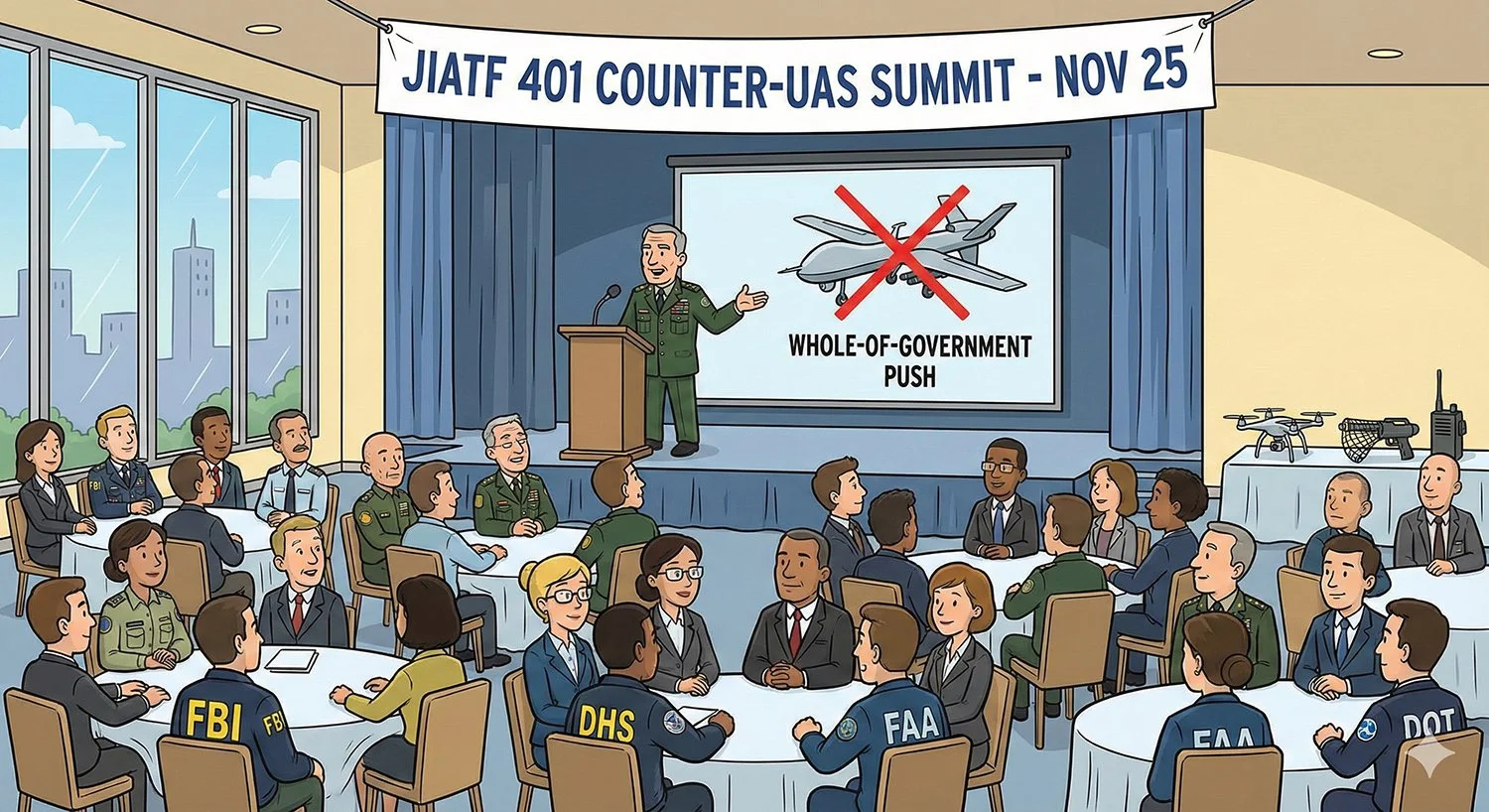
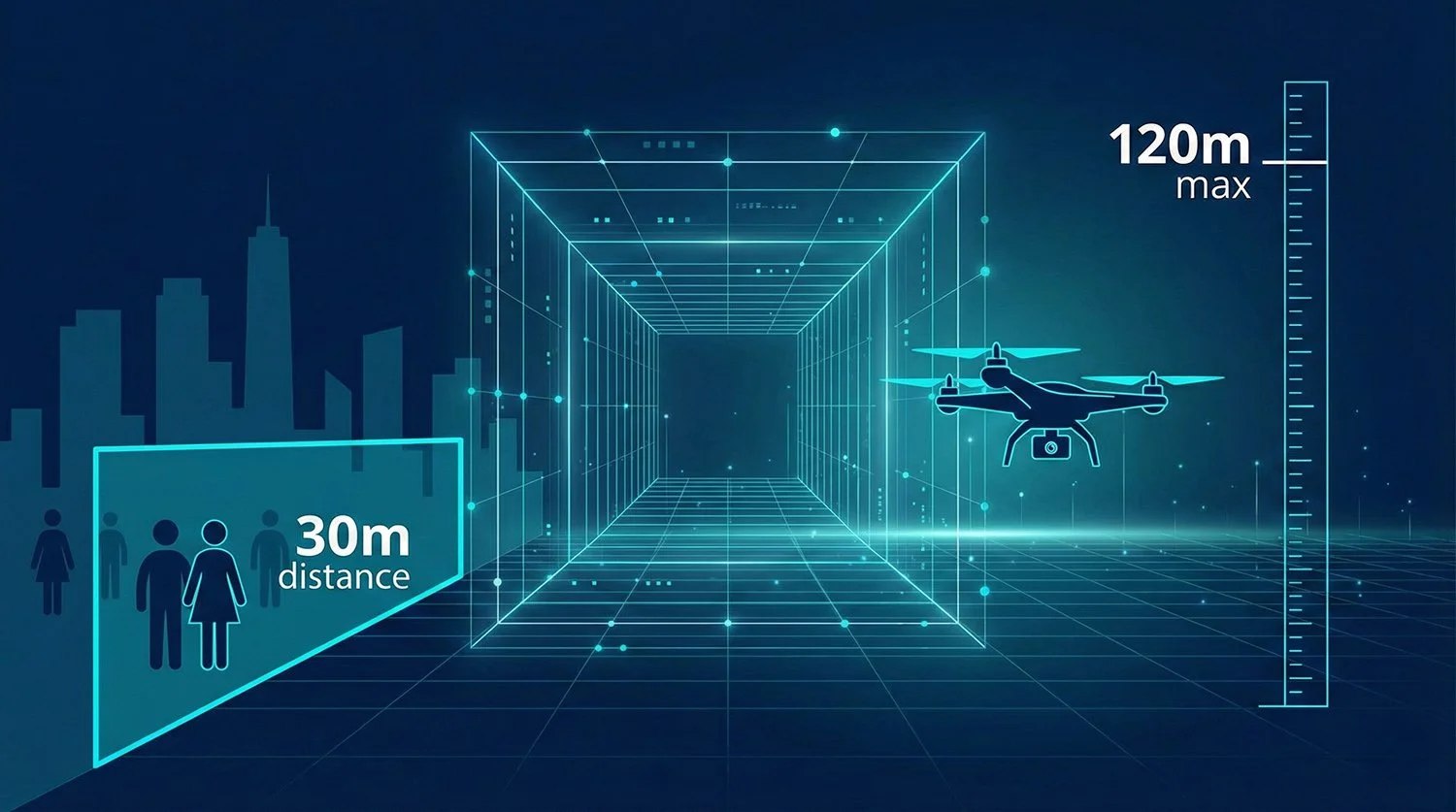
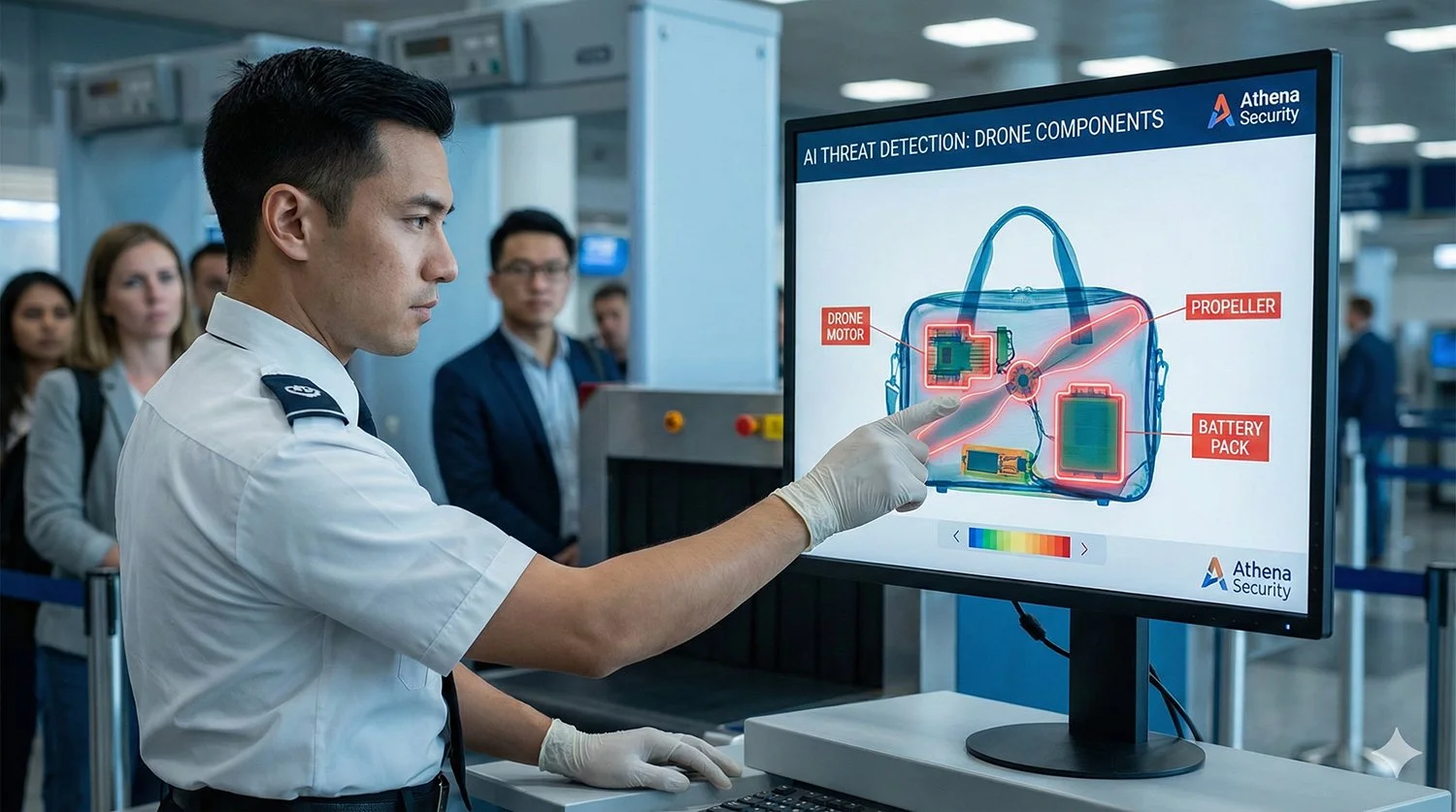
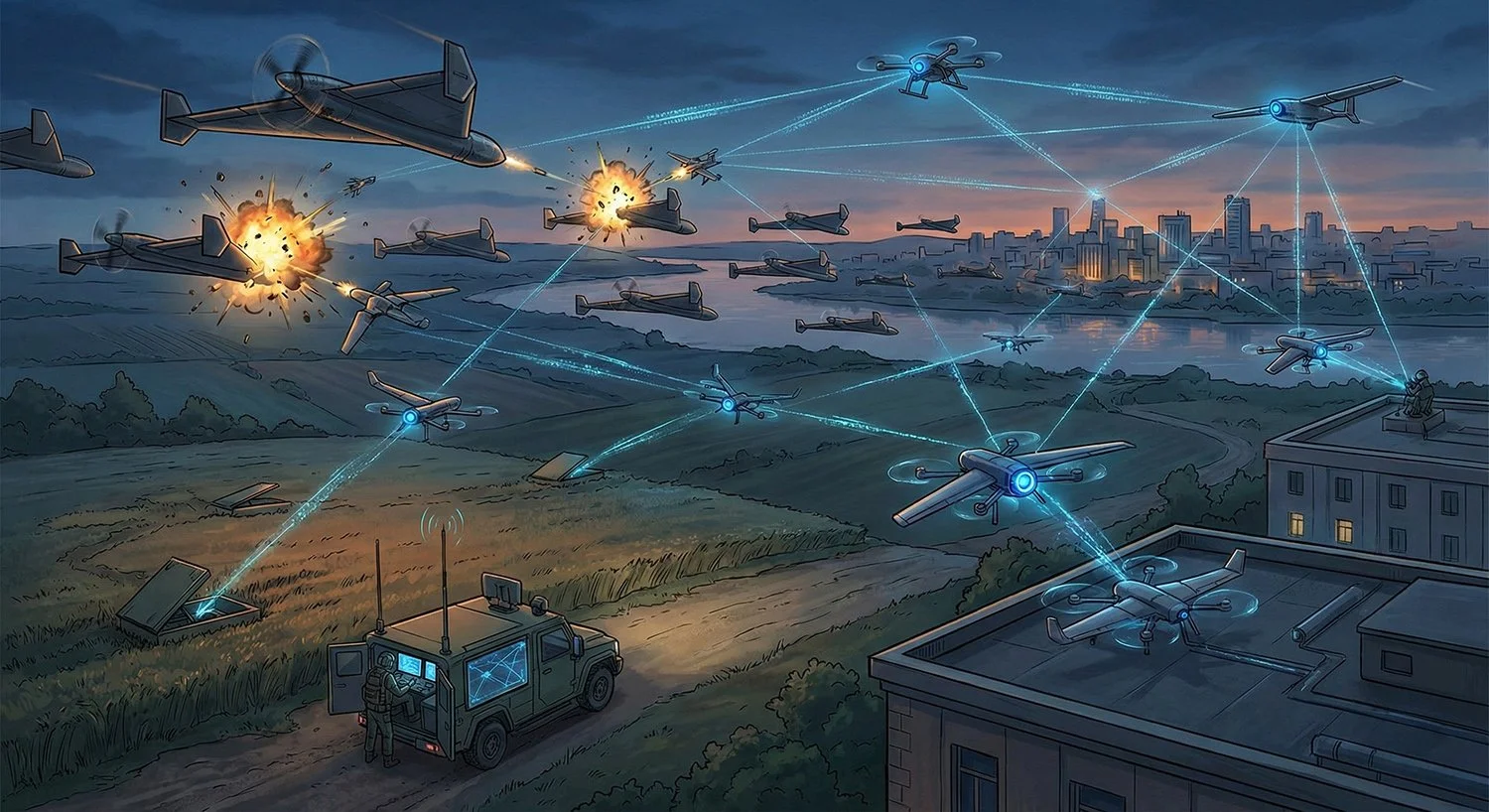
AI-generated Image for Illustration Only
(Credit: Jacky Lee)
More than 180 experts from across roughly 50 federal entities met at the Mark Center in Alexandria, Virginia, on November 25 to begin a coordinated three-year push to strengthen U.S. defenses against small unmanned aircraft systems, including drones increasingly enhanced by artificial intelligence. The meeting marked the inaugural interagency summit of the newly created Joint Interagency Task Force 401 (JIATF 401), an Army-led organization designed to accelerate the development and fielding of counter-drone capabilities for both overseas operations and homeland protection.
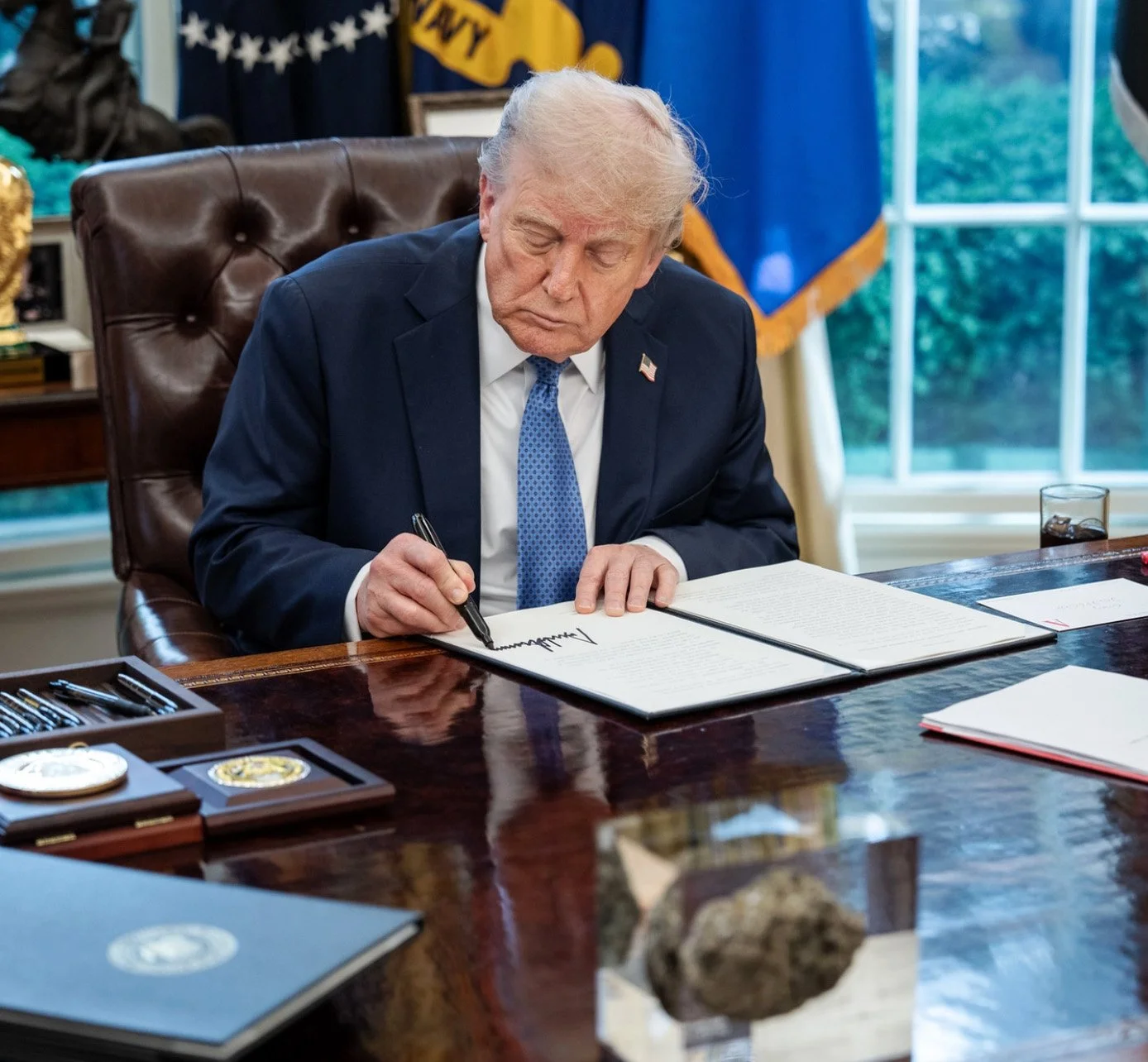
The task force was ordered in a memorandum dated August 27, 2025, signed by Pete Hegseth on “Secretary of Defense” letterhead, directing Army Secretary Dan Driscoll to disestablish the Joint Counter-small Unmanned Aircraft Systems Office (JCO) and stand up JIATF 401. The memo tasks the new group with centralizing department-wide counter-small UAS efforts, integrating resources associated with the Replicator 2 initiative, and reporting to the Deputy Secretary of Defense, with a formal sunset review after 36 months.
In subsequent public communications, official coverage has at times used the terms “Department of War” and “Secretary of War.” That shift reflects Executive Order 14347, which authorized those labels as secondary titles for the Department of Defense and its secretary. The order did not eliminate the DoD name in statute or previous official documents, and the August 27 memorandum itself retains the standard Defense Department nomenclature.





















A Faster Structure Aimed at a Faster Threat
The August memorandum argues that the JCO, established in 2020, helped synchronize doctrine, requirements and evaluation but could not move quickly enough against a rapidly evolving threat environment. Under the revised framework, JIATF 401’s director gains acquisition-related authorities, access to special hiring mechanisms, and the ability to approve up to $50 million per counter-drone development effort. The memo also calls for consolidation of most DoD-wide research, development, testing and evaluation for counter-small UAS under the task force, while explicitly excluding service-specific programs of record and U.S. Special Operations Command initiatives.
The broader counter-UAS policy backdrop includes the Department’s strategy for countering unmanned systems announced in late 2024 and the 2025 executive order on restoring U.S. airspace sovereignty. The August 2025 memo cites both documents as justification for a more centralized and accelerated counter-drone posture.
























The Interagency Agenda
At the Alexandria summit, JIATF 401 Director Army Brig. Gen. Matt Ross told participants that no single agency can solve the small-UAS problem alone and framed the effort as a transition from a “community of interest” to a “community of action.” Representatives from the Defense Department, the Department of Homeland Security, the FBI, the Department of Transportation, and the Federal Aviation Administration were among those present.
Ross outlined three primary lines of effort for the task force: defending the homeland, supporting warfighter lethality, and joint force training. In the near term, homeland defense priorities include the National Capital Region, the southern border, and preparations for the FIFA World Cup in June 2026, which has been designated a national special security event.
He also cited growing drone activity near the southern border, saying U.S. Northern Command and Joint Task Force Southern Border personnel have recorded about 3,000 drone incursions over the border in the past year and observed more than 60,000 drones operating just south of the border looking into the United States. Ross stressed that the border challenge is not solely a hardware problem and requires improved communications and data sharing across agencies.

























AI-driven Drones Raise the Stakes
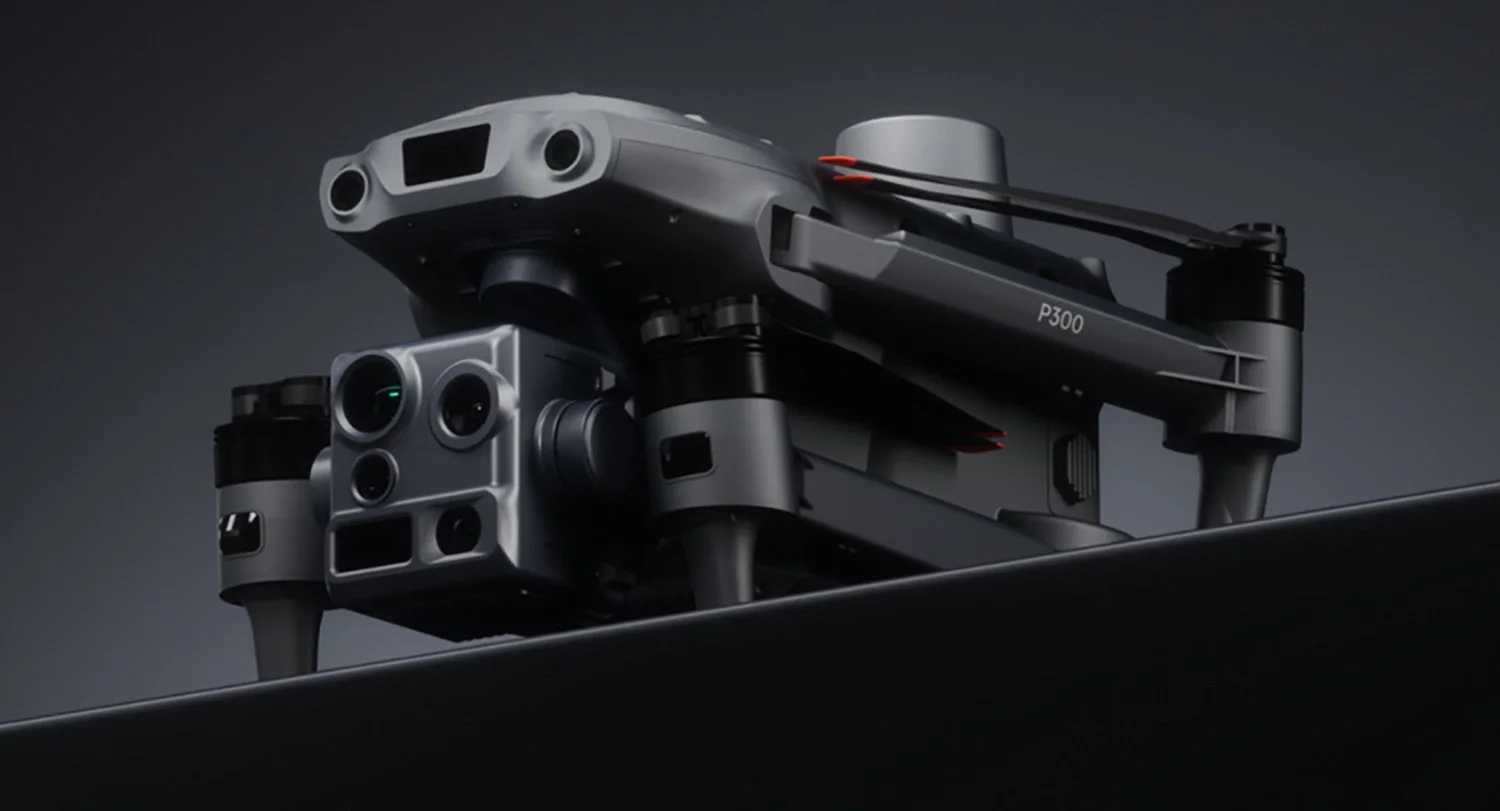
While the summit’s focus was broad, officials emphasized that AI is increasingly central to both the threat and the response. Advances in onboard processing and autonomy can allow small drones to adapt to defensive measures, coordinate in groups, and reduce their reliance on continuous human control — developments that heighten concerns around critical infrastructure, major public events and military installations. These trends have been repeatedly highlighted in formal Pentagon and congressional assessments of the counter-UAS enterprise’s need for faster integration and more unified architectures.

























Training Push for Major Events
The FBI’s role in the framework was also highlighted at the summit. Micheal Torphy, unit chief for the bureau’s UAS and counter-UAS programs, said the interagency model will help expand collaboration with federal, state, local, tribal and territorial partners. He pointed to the National Counter-UAS Training Center in Huntsville, Alabama, which he said will prepare law enforcement personnel for security demands tied to the 2026 World Cup, the America 250 celebrations and future Olympic planning.
The training focus aligns with the administration’s broader airspace sovereignty push under Executive Order 14305 and related federal initiatives encouraging coordinated counter-drone readiness across jurisdictions.

























Authorities and Legislative Uncertainty
The new task force’s operational ambitions arrive amid ongoing debate over the scope and duration of federal counter-UAS authorities outside military contexts. Public reporting and legislative materials indicate that DHS and DOJ counter-drone authorities were set to lapse at the end of September 2025, prompting proposed legislation that would restore and extend them through 2028. As of early December, lawmakers have signaled interest in a near-term extension tied to funding measures, though final legislative outcomes may still evolve.

























What Changes — And What Remains to be Proven
JIATF 401’s promise is speed: a more centralized structure that can reduce duplicative efforts, standardize requirements and rapidly put tested capabilities into the hands of operators. The memo’s emphasis on directing adoption decisions and consolidating DoD-wide counter-UAS resources suggests a sharper enforcement role than the JCO previously held.
At the same time, success will depend on translating interagency enthusiasm into interoperable systems and lawful operational authorities — particularly in complex civilian airspace environments. Ross and DHS officials emphasized that the drone threat is expanding beyond combat zones, and sustaining an effective national response will require long-term coordination across the federal government and its local partners.
With a three-year horizon and a formal 36-month review built into its charter, JIATF 401 represents what officials describe as a decisive shift from fragmented counter-drone responses toward a more unified and AI-aware defense posture. Whether it can outpace the accelerating evolution of small autonomous systems will be a central test for U.S. homeland and battlefield airspace security through 2028.




























 TheDayAfterAI News
We are a leading AI-focused digital news platform, combining AI-generated reporting with human editorial oversight. By aggregating and synthesizing the latest developments in AI — spanning innovation, technology, ethics, policy and business — we deliver timely, accurate and thought-provoking content.