
Danish-Ukrainian Startup Advances AI-Driven Drone Technology for Explosive Threat Detection
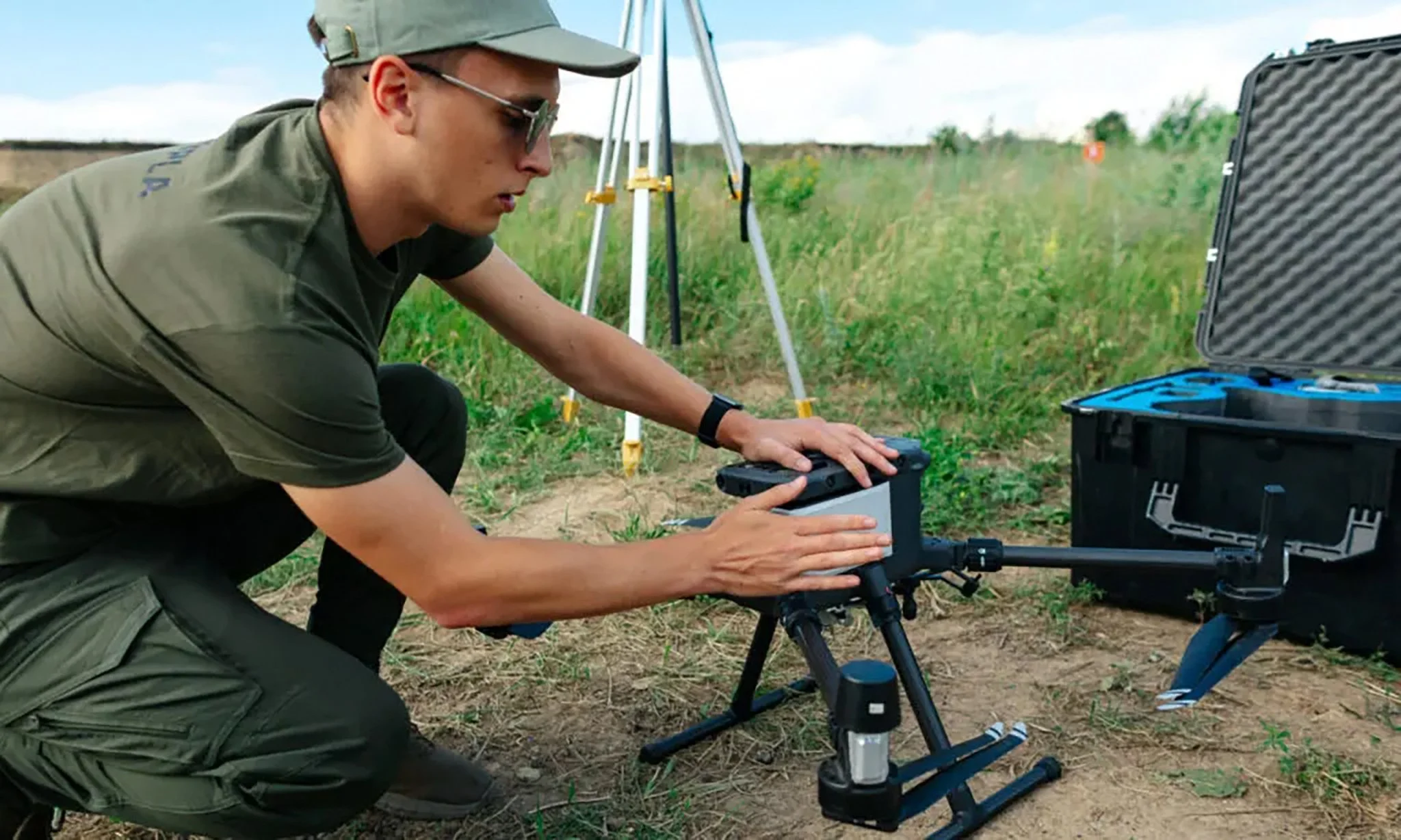
Image Source: Dropla
A Danish-Ukrainian technology firm has secured funding to expand its artificial intelligence software that enables drones to identify landmines, unexploded ordnance and other battlefield threats in real time, addressing one of the most pressing challenges in post-conflict recovery amid Ukraine's ongoing contamination crisis.
Dropla Tech ApS, founded in 2023, raised 2.4 million euros (US$2.6 million) in a pre-seed round in August 2025 from investors including Denmark's Maj Invest Holding, the Export and Investment Fund of Denmark (EIFO) and Nordic venture capital firm Final Frontier. The capital will support scaling production of its edge-based AI platform, known as Blue Eyes, which processes sensor data directly on devices without relying on cloud connections and works in GNSS-denied environments, ensuring operational security in contested areas.























Company Background and Founding
Dropla Tech emerged from a partnership between Danish robotics expertise and Ukrainian battlefield needs, established by four Ukrainian entrepreneurs: V'yacheslav Shvaidak, who serves as chief executive and holds a doctorate in economics; Dmytro Zarubin; Maksym Tkachenko; and Illarion Karnaukh. According to company and press profiles, Shvaidak, a former lieutenant in Ukraine's tank division who also holds a master's in technical engineering, relocated to Denmark shortly before Russia's full-scale invasion in February 2022, aiming to leverage European resources for solutions back home.
Headquartered in Odense, Denmark—a hub for robotics innovation—the company maintains research and development operations in Ukraine, where it has conducted extensive field testing. The firm's inception aligns with Denmark's commitment of more than 60 billion Danish kroner (US$8.7 billion) in military aid to Ukraine, including procurement from local firms, positioning Dropla to participate in such initiatives.
The technology addresses gaps identified through collaboration with Ukraine's Ministry of Defence, focusing on real-time threat detection in areas where traditional methods are slow and hazardous. This dual Danish-Ukrainian structure facilitates access to Odense's ecosystem of automation experts while grounding development in frontline requirements.


























Technological Development and Capabilities
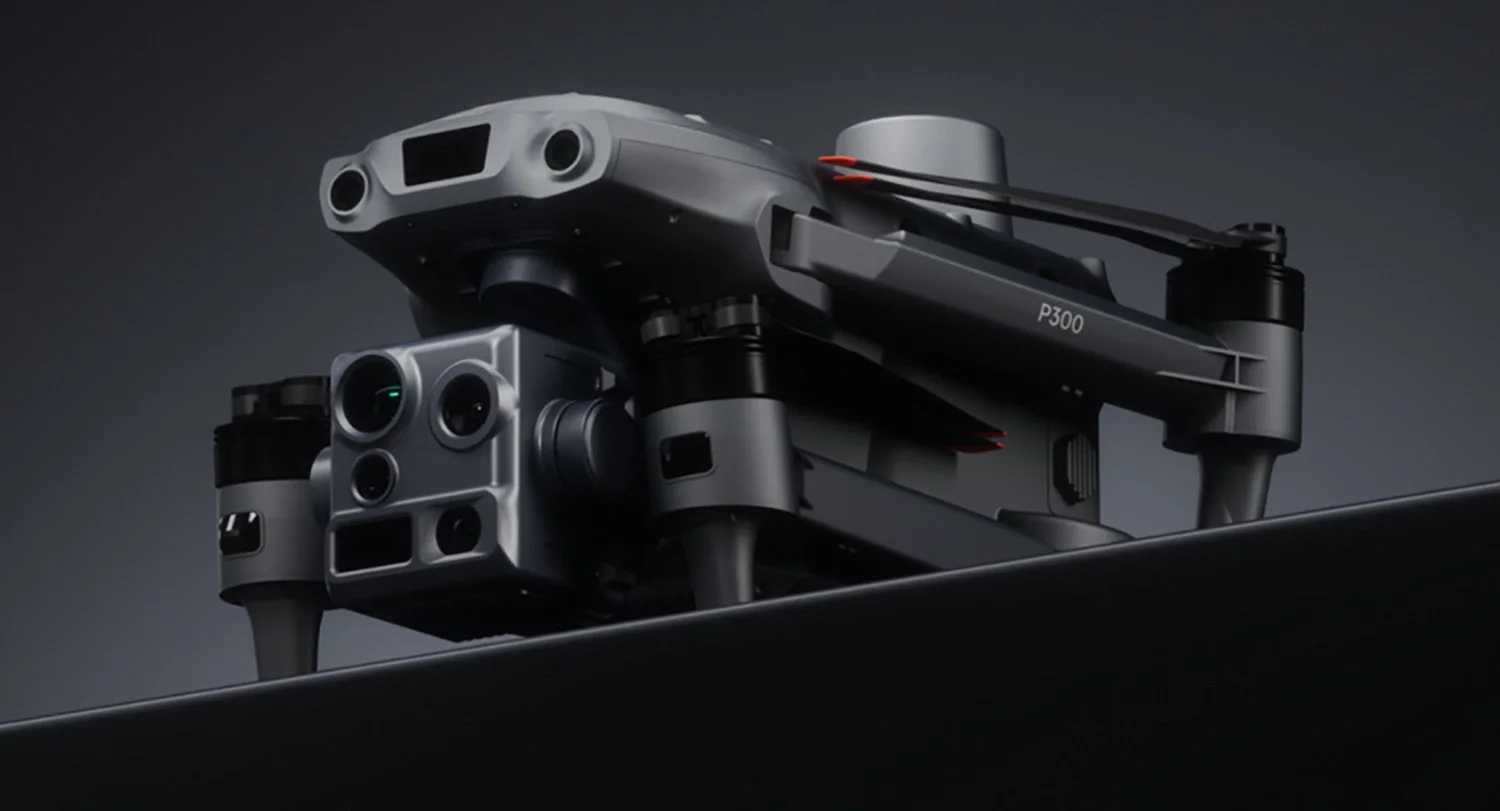
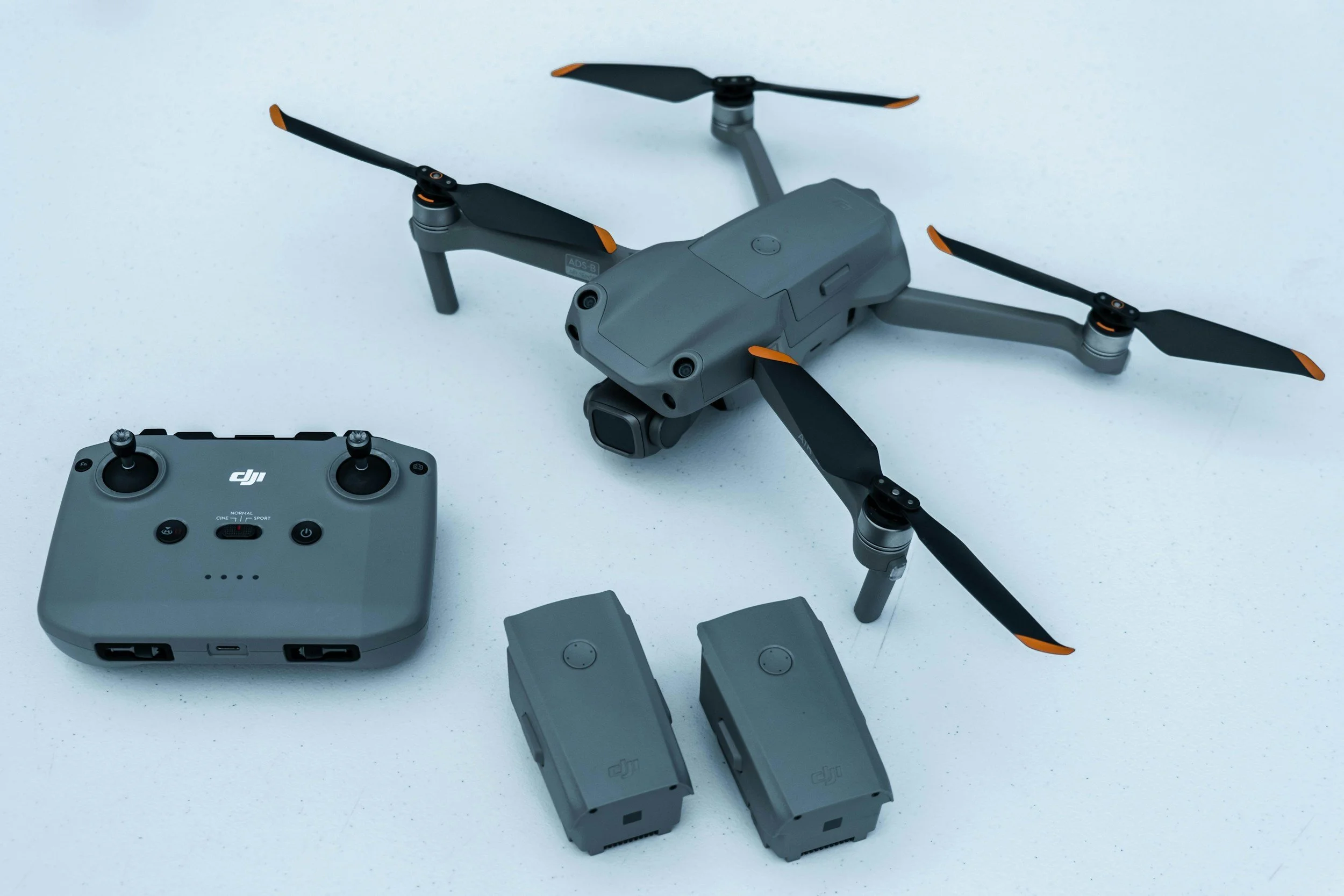
At the core of Dropla's offerings is an AI system that integrates with existing short-range reconnaissance drones, transforming them into autonomous detectors of landmines, unexploded ordnance (UXO), improvised explosive devices (IEDs) and ambush first-person view (FPV) drones. The Blue Eyes platform employs neural networks trained on a dataset exceeding 300 landmine and UXO samples, compiled from a dedicated Ukrainian test site with over 170 confirmed explosive targets—what the company describes as Europe's largest real-world collection for such purposes.
Drones equipped with the software utilize a fusion of sensors, including optical, multispectral, thermal, magnetic and electromagnetic types, to scan terrain and generate georeferenced digital maps highlighting threats with company-reported precision under 15 centimeters. This multi-modal approach operates offline to mitigate risks in electromagnetic-denied zones, with the company claiming detection rates of 95% across object categories using RGB, multispectral and thermal sensors.
The system pairs drone swarms—typically six unmanned aerial vehicles covering 0.5 square kilometers daily—with unmanned ground vehicles (UGVs) manufactured in Ukraine at a cost of 10,000 euros each, far below the 1.2-1.5 million euros for conventional demining vehicles. UGVs, built to survive anti-personnel mine blasts, clear vegetation and confirm safe zones before human teams intervene. Dropla previously targeted delivery of 1.8 million labeled AI training frames by year-end 2024 to enhance algorithmic accuracy.
Testing by Ukraine's State Emergency Service and State Transport Special Service has validated the platform's utility in agricultural demining.






























Ukraine's Contamination Crisis and Broader Impact
Ukraine ranks as the world's most mine-contaminated nation, with an estimated 137,000 square kilometers—over 20% of its territory—potentially affected by landmines and UXO as of August 2025, according to the Ministry of Economy. The contamination stems primarily from Russia's invasion, which has littered liberated areas with explosives, impacting 26,000 square kilometers of farmland equivalent to half of Denmark's size.
This has suppressed Ukraine's gross domestic product by US$11.2 billion annually, or 5.6%, through lost agricultural productivity, as the country previously supplied food to over 400 million people globally and accounted for pre-war shares such as around 10% of global wheat exports and 15% of global maize exports, per U.N. data. Environmental repercussions include soil and water pollution from unexploded munitions, exacerbating declines in crop yields and posing long-term health risks. Human tolls encompass fatalities, injuries and psychological trauma, with clearance efforts returning 36,942 square kilometers to use by August 2025 but projecting costs of 33.5 billion euros and over 70 years using legacy techniques, according to estimates.
Dropla's AI aims to reduce these burdens by slashing demining expenses to a company-reported 0.10 euros per square meter and compressing timelines to 12 years, prioritizing high-output agricultural zones to bolster food security and economic recovery. The technology also aligns with NATO priorities for sovereign, offline detection, potentially minimizing frontline casualties from hidden threats.






























Future Trends in AI for Demining
Advancements in AI are poised to reshape explosive ordnance detection globally, with trends emphasizing autonomous systems, predictive analytics and integrated sensor arrays to accelerate clearance while reducing human exposure. In Ukraine, where contamination demands innovative responses, AI-driven drones like those from Dropla and peers such as Safe Pro AI exemplify a shift toward faster processing of vast datasets, minimizing errors and enabling operations in challenging terrains.
Broader projections include AI's role in explosive ordnance risk education via adaptive materials and remote sensing for operational planning, as noted by the United Nations Office for Project Services. Research highlights potential transformations through deep learning on thermal imagery and multi-sensor fusion, though challenges persist in dataset quality and ethical deployment. Experts anticipate increased reliance on such technologies to address global UXO legacies, fostering safer post-conflict environments.
































 TheDayAfterAI News
We are a leading AI-focused digital news platform, combining AI-generated reporting with human editorial oversight. By aggregating and synthesizing the latest developments in AI — spanning innovation, technology, ethics, policy and business — we deliver timely, accurate and thought-provoking content.