
Quantum-Systems Near €3B Valuation as AI Drones Shift From Farming Maps to Military ISR
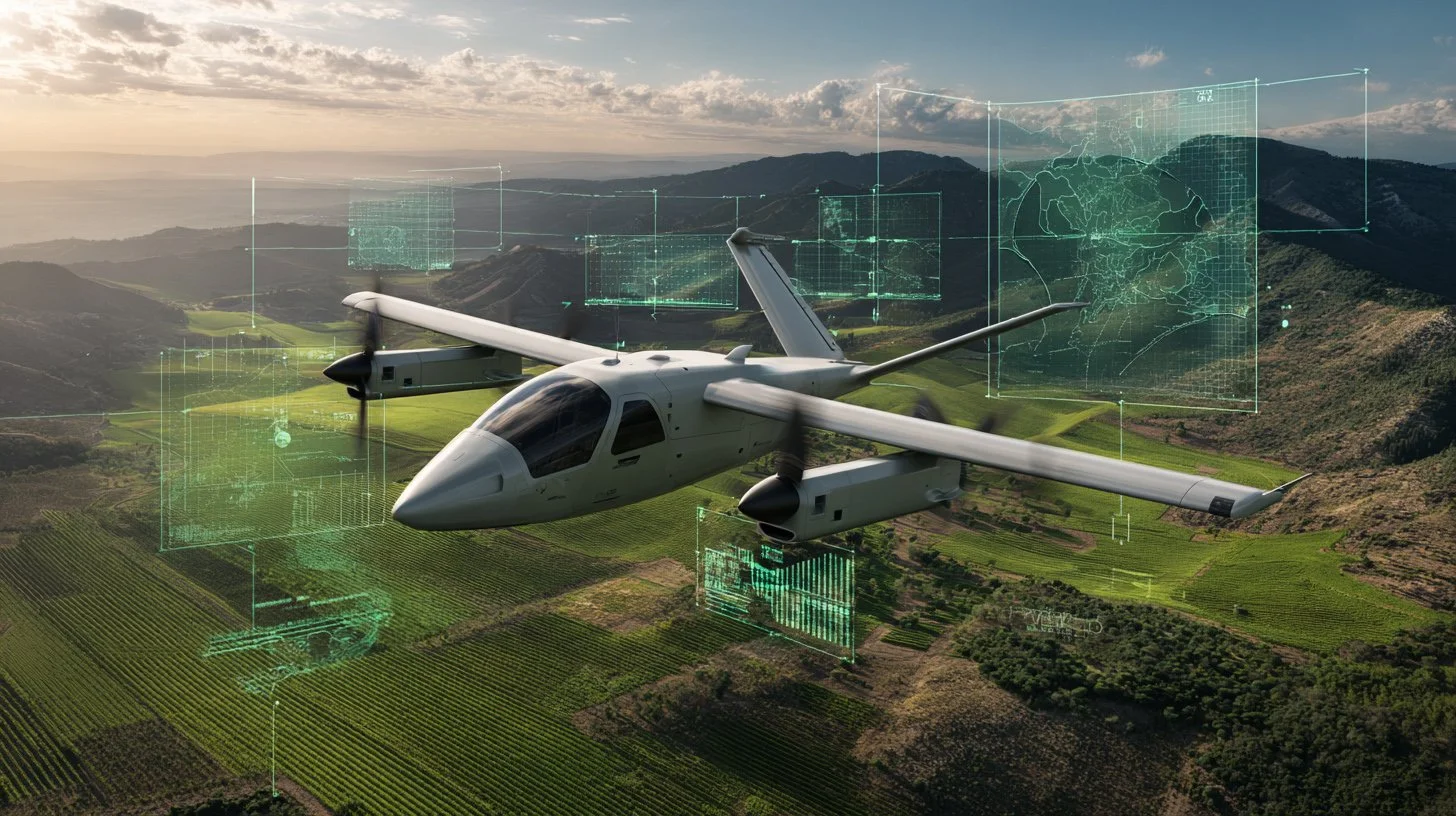
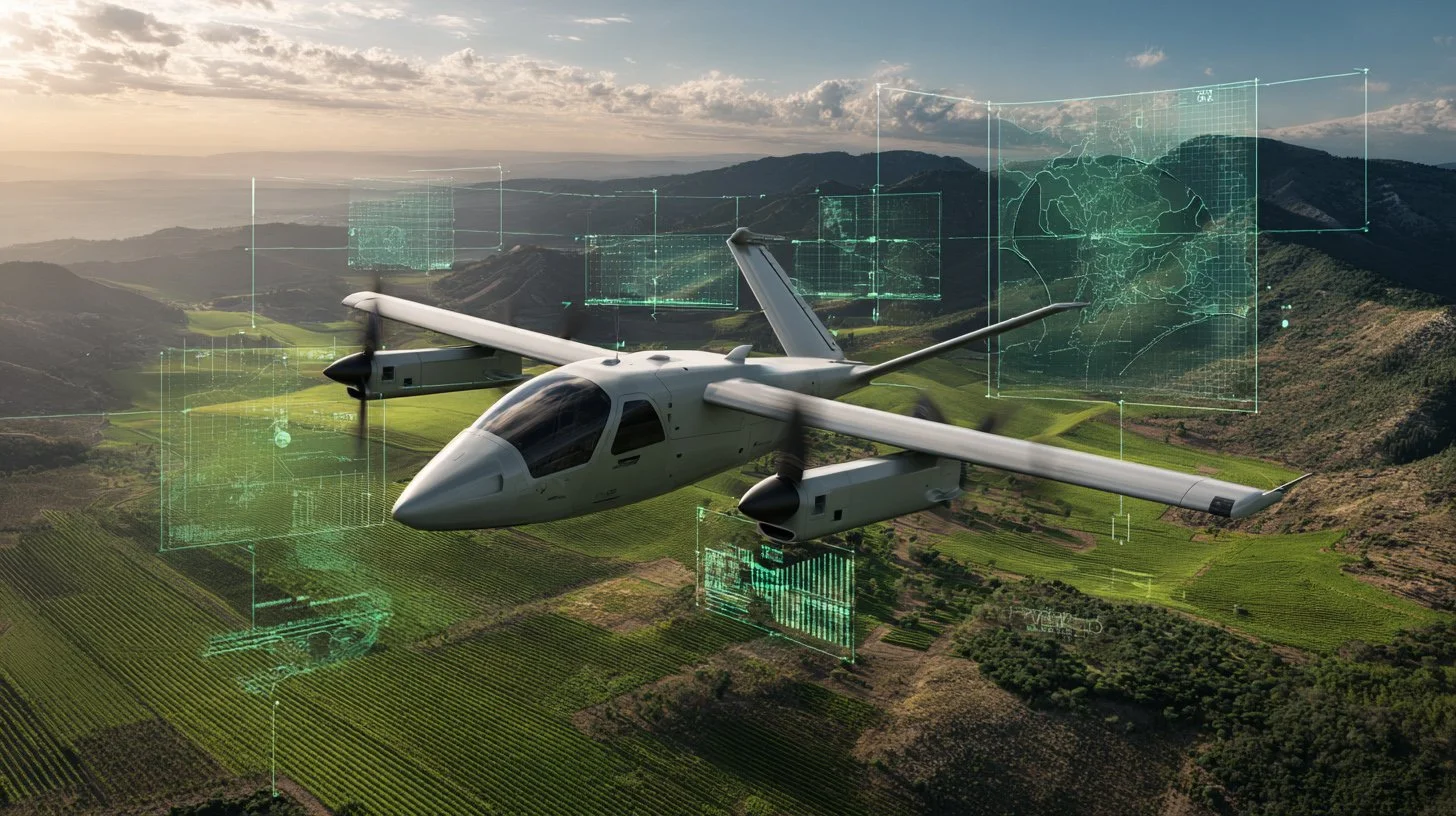
AI-generated Image: (Image Credit: Jacky Lee)
A German drone startup that began with commercial mapping and precision-agriculture missions has rapidly evolved into one of Europe’s most closely watched defence-tech companies, reflecting the wider shift toward AI-powered dual-use unmanned aircraft in both civilian and military domains.
Quantum-Systems, founded in 2015 by former German Army officer Florian Seibel together with co-founders Dr Michael Kriegel, Armin Busse and Tobias Kloss, is now widely recognised for supplying intelligence, surveillance and reconnaissance (ISR) drones to European militaries and Ukrainian defence forces. Yet the company’s early work focused on a very different sector: helping land managers, surveyors and industrial operators map terrain more efficiently using long-endurance fixed-wing drones.
Recent reports from Bloomberg and European tech-funding trackers indicate that the company’s ongoing fundraising rounds have included valuation discussions approaching €3 billion, reflecting strong investor demand for European-made unmanned systems following Russia’s full-scale invasion of Ukraine.



















From Commercial Mapping to a Leading Position in Precision Agriculture
Before its expansion into defence, Quantum-Systems built its reputation around fixed-wing eVTOL mapping aircraft such as the Trinity series — long-endurance drones designed for surveying, environmental monitoring and high-accuracy geospatial data collection.
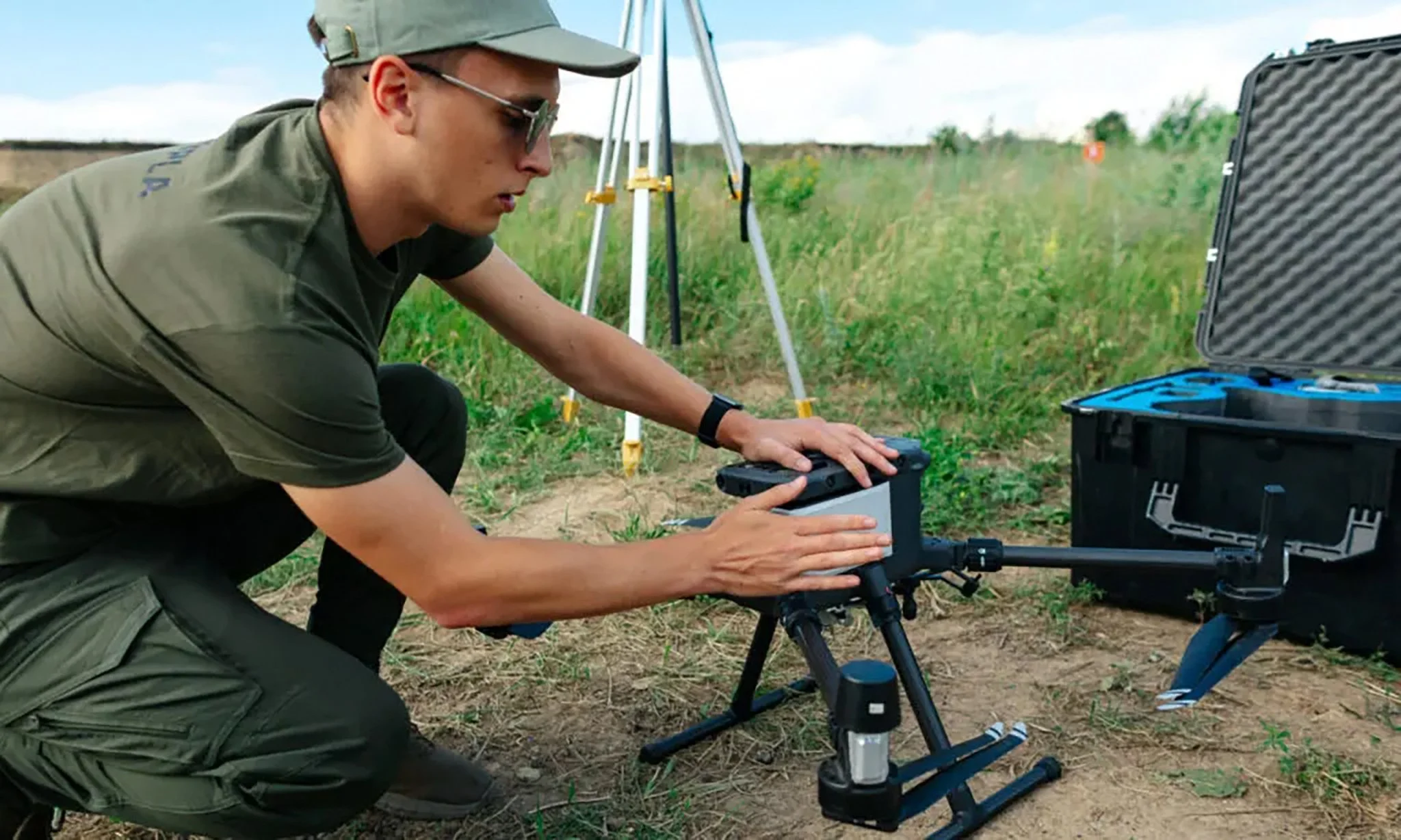
The Trinity platform supports a range of RGB, multispectral, thermal and LiDAR payloads, enabling operators to:
assess crop and vegetation health,
survey construction, energy and mining sites,
produce high-resolution digital terrain models, and
automate wide-area mapping missions with minimal manual input.
These capabilities placed the company among Europe’s prominent contributors to the growing precision-agriculture movement, where AI-assisted aerial imaging is widely used to improve resource efficiency, detect irrigation gaps, and monitor soil conditions. While case studies vary, agricultural researchers broadly support the use of multispectral and AI-enhanced drone data to reduce operational costs and improve decision-making.























Ukraine Conflict Triggers a Strategic Pivot to Defence
The company’s trajectory shifted significantly after Russia’s 2022 invasion of Ukraine, which prompted a surge in European interest in locally developed unmanned aircraft.
Quantum-Systems’ Vector and Vector AI ISR drones, designed for contested environments, were rapidly adopted by Ukrainian units and subsequently evaluated or procured by several NATO-aligned countries. These aircraft integrate:
edge-AI processing for real-time object detection and classification,
EO/IR imaging payloads for day-night reconnaissance,
communications tailored for GPS-challenged or jammed environments, and
long-endurance flight profiles suitable for extended surveillance missions.
Their deployment reflects a broader continental trend. According to Dealroom and other industry trackers, European defence-tech investment expanded sharply in 2024–2025, with drones, counter-drone systems and AI-enhanced surveillance becoming priority areas. Bloomberg reporting similarly notes strong demand for European-built ISR platforms, with Quantum-Systems’ fundraising momentum tied to this shift.




















Dual-Use Design as a Competitive Advantage
A key factor behind the company’s rapid growth is its dual-use modular architecture. The same core airframe can be configured for defence ISR, environmental monitoring, surveying, 3D mapping or agricultural analysis, simply by altering payloads and mission software.
This approach enables Quantum-Systems to:
scale production more effectively than single-purpose drone manufacturers,
balance revenue streams between commercial and defence sectors, and
transfer advancements in AI and autonomy across applications.
Analysts increasingly describe this dual-use feedback loop, where innovations in agriculture or mapping inform defence AI, and vice versa, as a defining characteristic of Europe’s most successful drone firms.


























Europe’s Strategic Push for Sovereign UAV and AI Capability
Quantum-Systems’ rise aligns with national and EU-level efforts to reduce reliance on foreign unmanned systems and strengthen domestic defence-industrial capacity.
In October 2025, Germany announced plans to invest approximately €10 billion in drone capabilities “in the coming years”, as part of a broad military modernisation strategy. Across Europe, AI-enabled drones are being explored for:
border and maritime monitoring,
environmental and climate surveillance,
precision agriculture,
emergency response and disaster mapping, and
infrastructure and utilities inspection.
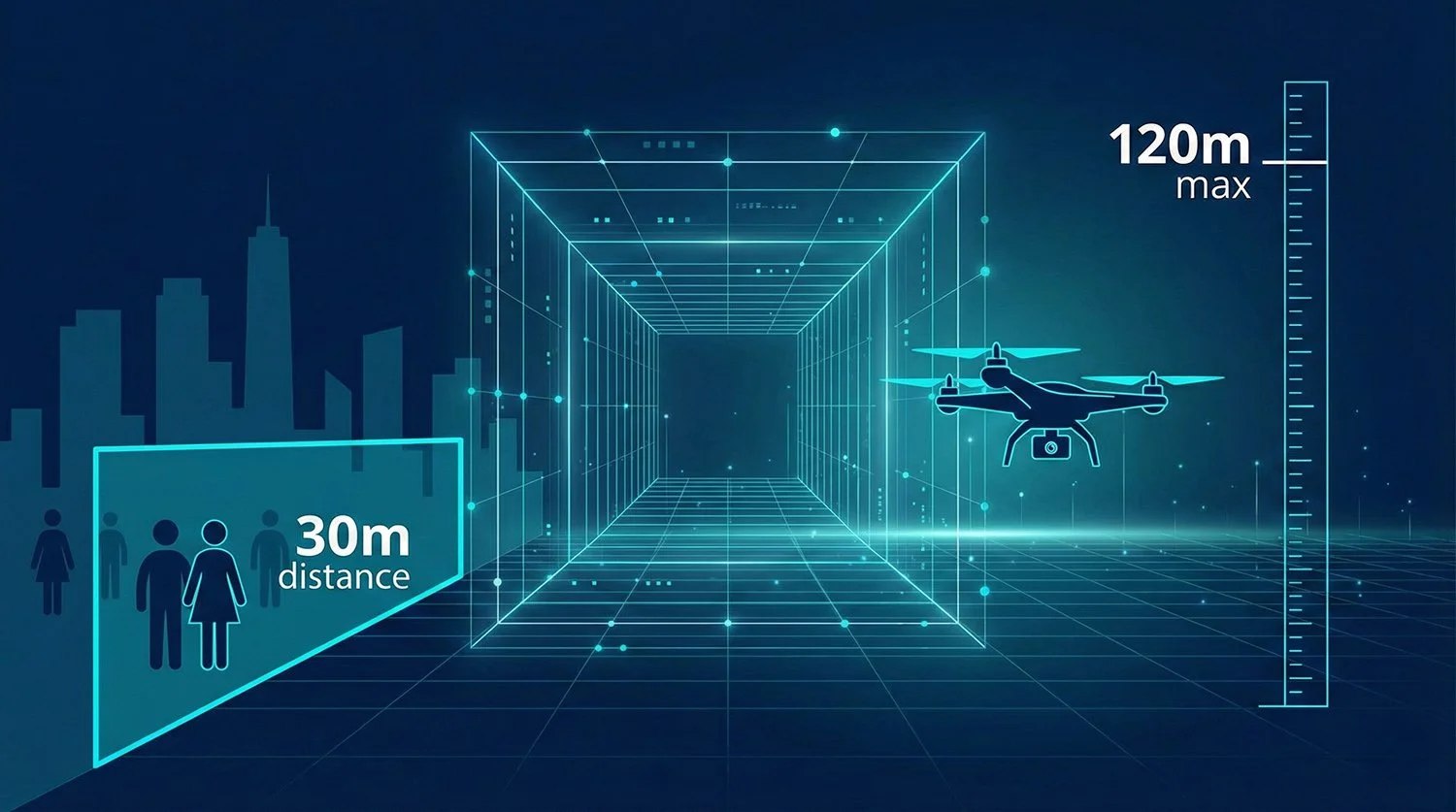
However, regulatory challenges, especially around Beyond Visual Line of Sight (BVLOS) operations and integration into controlled airspace, continue to shape the pace of commercial deployment.


























Edge AI and Autonomy Shape Next-Generation Systems
Quantum-Systems and other European drone manufacturers are increasingly incorporating onboard edge-computing, often powered by platforms such as NVIDIA Jetson Orin, to process data locally without requiring cloud connectivity. This is essential for:
operations in jammed or denied environments,
agricultural missions in remote regions with limited network coverage, and
low-latency tasks such as automated terrain mapping, target tracking or object recognition.
Market forecasts published via GlobeNewswire suggest that the AI-in-drone market could reach nearly USD 47 billion by 2033, driven by rising demand in defence, agriculture, environmental monitoring and industrial automation.

























A Snapshot of Europe’s Dual-Use Future
Quantum-Systems exemplifies a growing European model in which private companies leverage AI to build technologies that move fluidly between civilian and military roles. While debates continue around export controls, ethical frameworks and drone regulation, the company’s evolution from agricultural mapping tools to frontline ISR systems highlights how rapidly dual-use innovation can reshape the aerospace sector.
Its development also underscores a broader strategic shift in Europe — one where AI, autonomy and sovereign manufacturing are becoming fundamental pillars of competitiveness across national security, food security and industrial resilience.





























 TheDayAfterAI News
We are a leading AI-focused digital news platform, combining AI-generated reporting with human editorial oversight. By aggregating and synthesizing the latest developments in AI — spanning innovation, technology, ethics, policy and business — we deliver timely, accurate and thought-provoking content.