
OpenAI Explores New AI Music Tool as Licensing Deals Hit US$250M and Legal Risks Grow
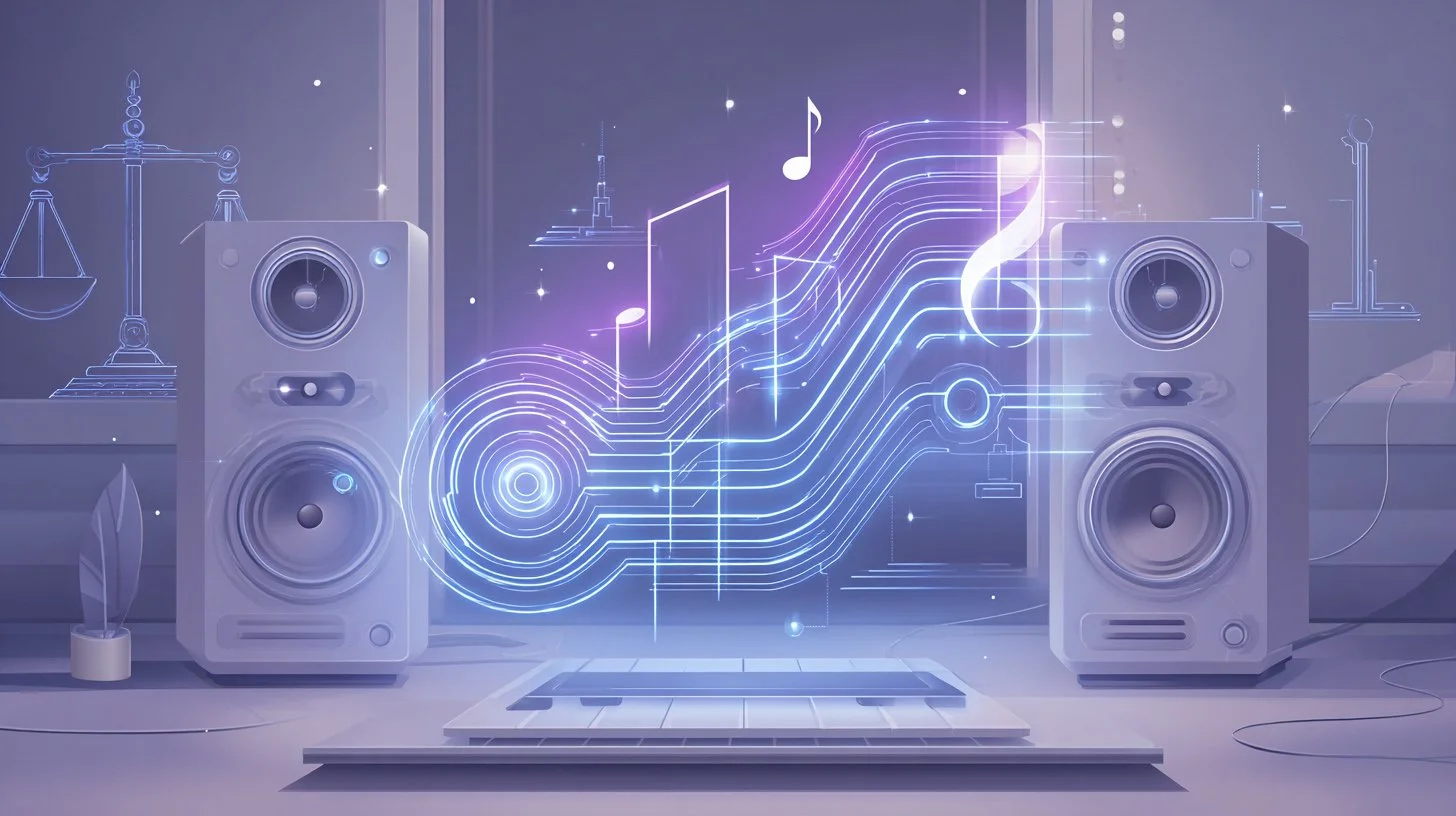
Image Credit: Jacky Lee
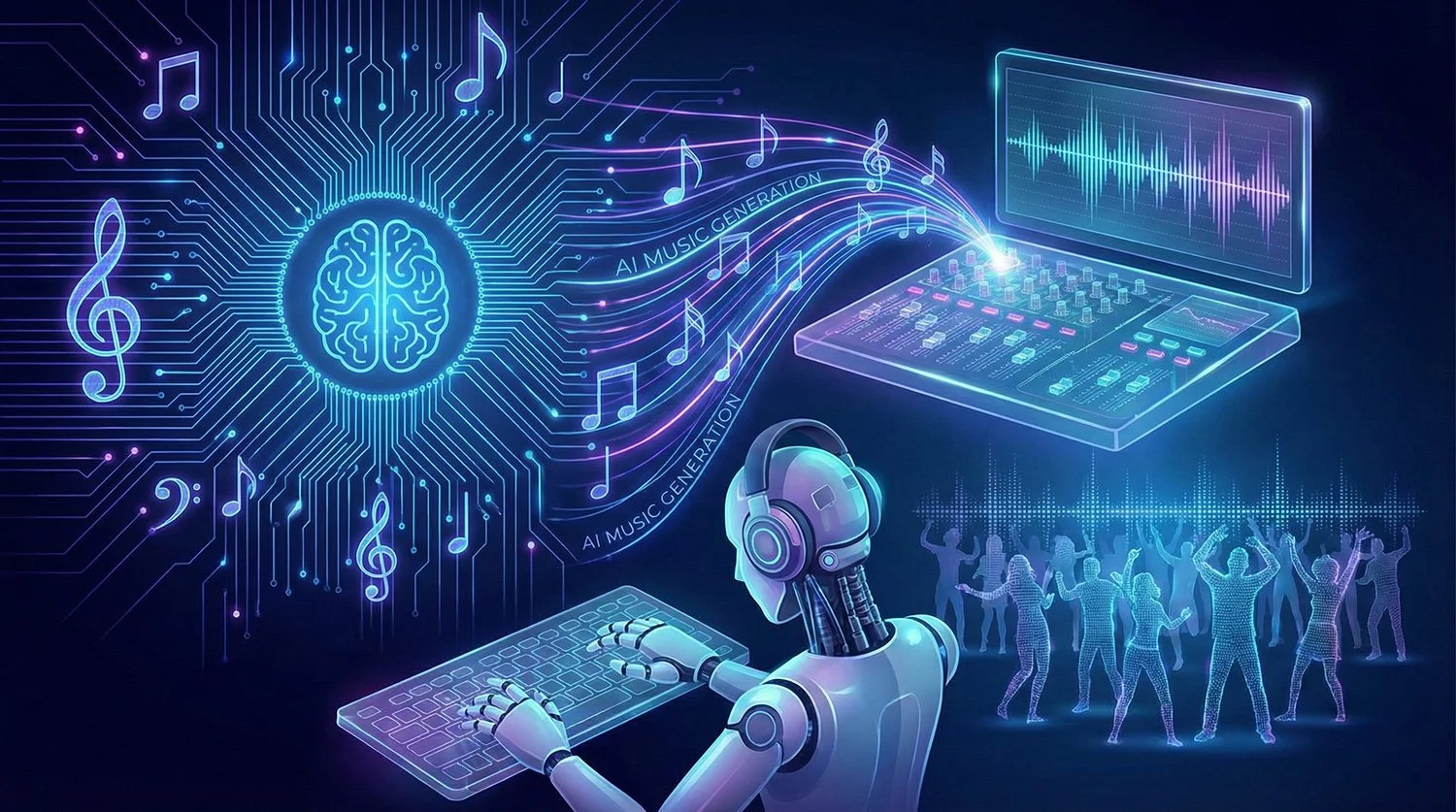
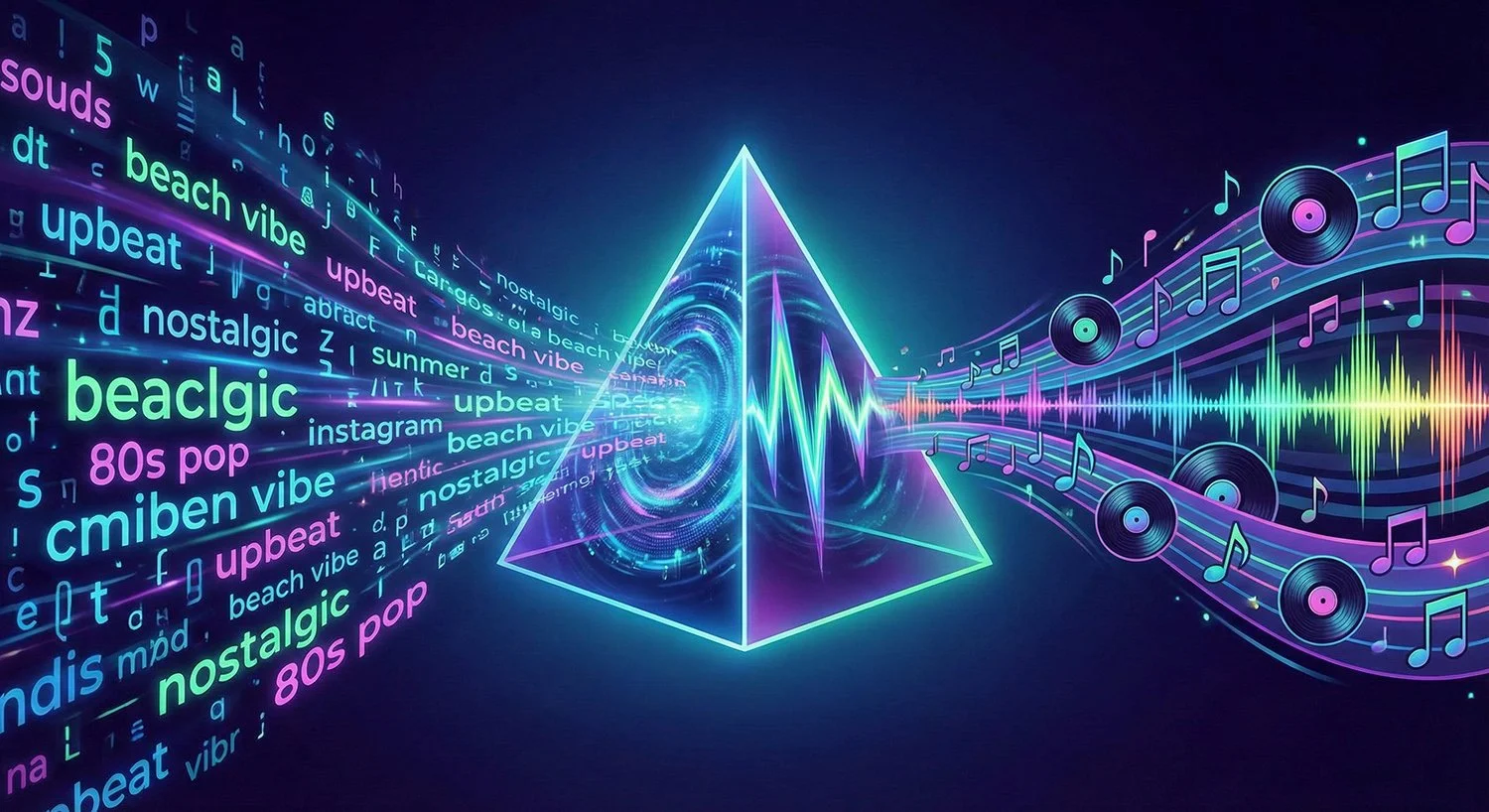
OpenAI, the Microsoft-backed artificial intelligence company, is reportedly developing a new system capable of generating music from text descriptions and audio inputs, according to The Information and other outlets. Though OpenAI has not confirmed a release timeline, the effort signals a deeper push into creative AI tools as competitors like Suno and Udio gain millions of users. The move comes at a time when generative audio is expanding rapidly, with startups raising hundreds of millions of dollars globally in 2024–25.
The tool is described as being able to create full tracks or modify existing audio, such as adding instrumental layers or producing soundtrack-ready compositions. These capabilities have not been publicly demonstrated, but sources say they align with OpenAI’s broader multimodal direction.
One detail reported by The Information, that OpenAI was working with students from New York’s Juilliard School to annotate musical materials, remains uncertain and disputed. While the report claims some students contributed annotation work, Juilliard has publicly stated that it has no formal partnership with OpenAI, creating ambiguity around the extent and nature of this involvement.
















Roots in Broader Audio Ambitions
OpenAI’s interest in music generation builds on a long history in audio AI. In 2019 it introduced MuseNet, a model capable of producing four-minute compositions with up to 10 instruments in various styles. In 2020 came Jukebox, a research system that generated music with rudimentary vocals and lyric conditioning. Both were prototypes intended to explore technical possibilities rather than commercial applications — and both predated ChatGPT’s debut in late 2022.
Since then, OpenAI has shifted focus toward real-time voice capabilities. The company’s GPT-4o (May 2024) and subsequent audio updates in 2024–25 include advanced text-to-speech and speech-to-text features with improved handling of accents and noisy environments, building on, but not formally replacing, Whisper. These expansions point toward a multimodal product ecosystem where text, audio and video tools could eventually intersect. While some analysts speculate that OpenAI’s upcoming music model could integrate with the Sora video generator for automated soundtracks, no official link has been announced.
The strategy reflects accelerating demand. AI audio platforms such as Suno, Udio, and ElevenLabs have attracted substantial investment, collectively raising hundreds of millions of dollars through 2024 and 2025, according to industry disclosures.





















Licensing Challenges and Emerging Legal Risks
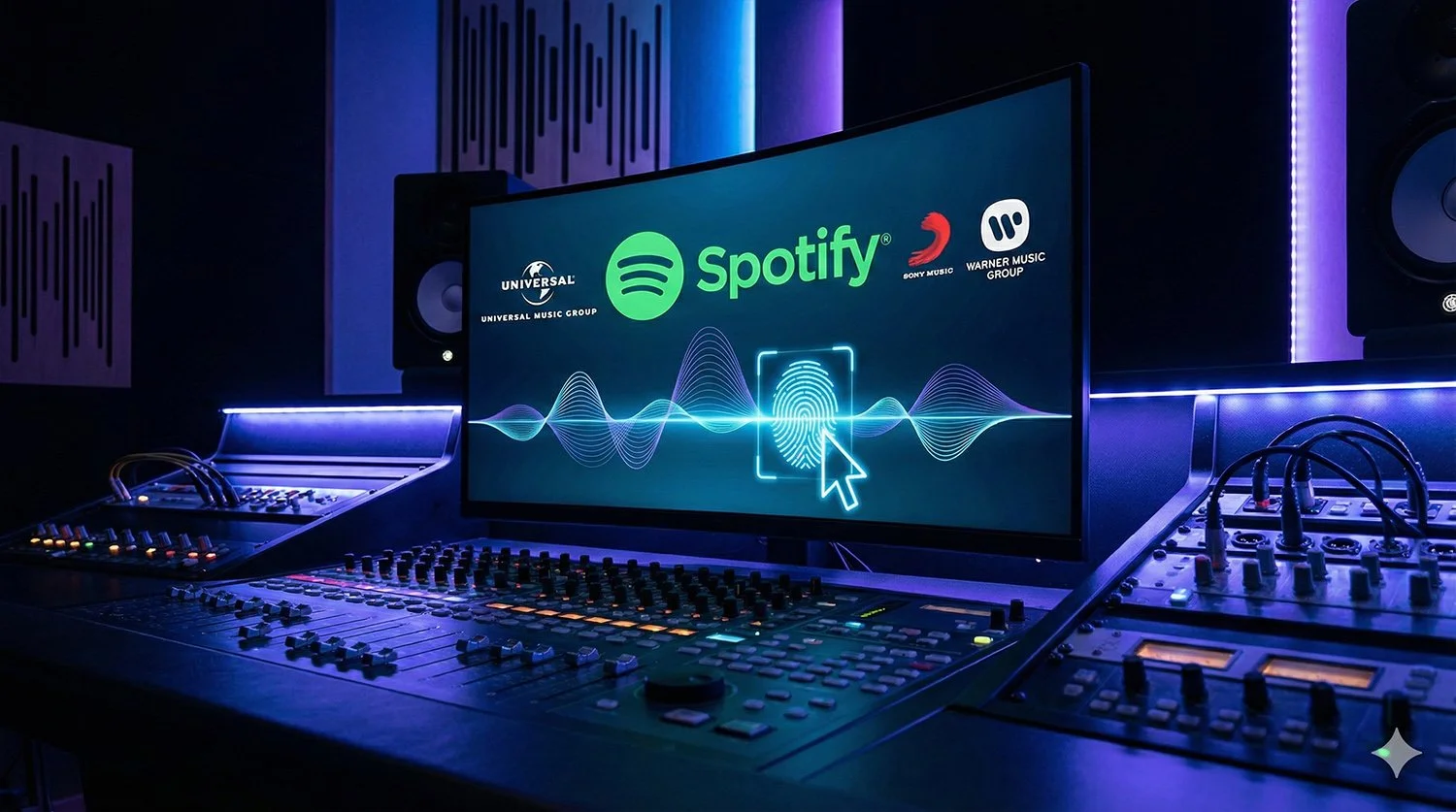
A key unresolved issue is licensing. Without agreements with major labels, any AI system trained on copyrighted music risks litigation. Universal Music Group demonstrated this in late October 2025 when it reached one of the first major licensing deals of its kind with Udio, allowing the startup to use copyrighted songs for training in exchange for royalties and artist protections.
Earlier that month, Spotify announced an “artist-first” AI initiative developed with Sony, Universal, Warner and other partners, although the Spotify collaboration and the UMG, Udio deal were announced weeks, not days, apart.
OpenAI faces heightened pressure following a recent Munich court ruling involving German artists including Herbert Grönemeyer. The court found that ChatGPT’s reproduction of their lyrics constituted copyright infringement and ordered OpenAI to prevent such outputs in Germany. While damages and possible appeals are still being worked through, the decision underscores legal vulnerabilities in large language model training practices.
Across Europe, creator groups including ECSA and GESAC continue to criticise the EU’s 2024 AI Act for lacking mandatory consent or compensation mechanisms for music used in AI training datasets. They argue that transparency obligations alone are insufficient without explicit permission and remuneration frameworks.
Meanwhile in the United States, the Copyright Office’s ongoing AI and copyright study, spanning 2024 and 2025, may influence future transparency and licensing rules, though it does not create enforceable requirements on its own. In Australia, debates over AI and creator rights continue, though no dedicated bargaining code for music labels currently mirrors the structure of the Australian News Media Bargaining Code.
The stakes remain high. The RIAA’s ongoing lawsuits against Suno and Udio allege that the companies used copyrighted music, including files allegedly ripped from online streaming services such as YouTube, to train their models without permission, raising questions about industry-wide data sourcing practices.











Implications for Creators and the Music Sector
AI-driven music tools hold promise for independent creators. In Australia, where access to production studios can be costly, AI composition engines could enable filmmakers, podcasters, and small creators to produce high-quality audio at significantly reduced cost, though precise savings vary and no authoritative “70% reduction” figure exists for music production.
Market size figures also require clarity. The global recorded music industry generated US$28.6 billion in 2023 and US$29.6 billion in 2024, according to IFPI. A 2018 study for IFPI and industry partners found that the wider music economy in the EU and UK supports around two million jobs, a figure sometimes misreported as a global total.
Many analysts expect hybrid workflows to emerge, where AI co-pilots composition, arrangement and mixing rather than replacing artists outright. Tools such as ElevenLabs already assist vocalists, while Suno and Udio allow hobbyists to produce song-length demos in seconds. For established professionals, the most likely near-term scenario is AI as an additional instrument in the studio, not a full substitute for human creativity.















Looking Ahead
OpenAI’s next steps will likely hinge on its ability to secure licensing deals comparable to its reported agreement with News Corp, which outlets such as the Wall Street Journal say could be worth more than US$250 million over five years for text-based content. Without similarly robust partnerships in music, the company risks regulatory fragmentation across markets and increasing scrutiny from rights holders.
For now, OpenAI’s music generator remains a project in development, one shaped by both technological ambition and growing accountability expectations. As the creative industries adapt to AI’s expanding role, one trend is clear: AI’s presence in music is here to stay, but its long-term harmony depends on fair partnerships between technology providers and the artists whose work underpins the ecosystem.




















 TheDayAfterAI News
We are a leading AI-focused digital news platform, combining AI-generated reporting with human editorial oversight. By aggregating and synthesizing the latest developments in AI — spanning innovation, technology, ethics, policy and business — we deliver timely, accurate and thought-provoking content.