



Scientists Discover Human Cell-Based 'Anthrobots' Capable of Tissue Repair and Age Reversal
Scientists at Tufts University have created Anthrobots—microscopic constructs formed from human tracheal cells without genetic modification. These self-assembling entities can move using outward-facing cilia, aid in neural repair in lab tests, and demonstrate epigenetic age reversal. The research suggests new possibilities for regenerative medicine and understanding how cellular organization influences aging.

UK Power Networks Uses AI to Track Unregistered Rooftop Solar and Improve Grid Forecasting
UK Power Networks has partnered with Open Climate Fix to develop AI-driven tools for estimating untracked rooftop solar generation. The project aims to close data gaps from unmetered installations, improve grid forecasting accuracy, and support the UK’s transition to renewable energy.

UNESCO: Slash AI Energy Use by 90% While Keeping Performance
A UNESCO and UCL report outlines ways to reduce energy consumption in large language models by up to 90% through smaller models, concise prompts, and compression techniques. The study addresses AI's environmental impact, promotes sustainability, and highlights potential for global accessibility without performance loss.

AI Identifies 28 Out of 8,000 Catalysts to Boost Green Ammonia Efficiency
Australian researchers at UNSW Sydney used artificial intelligence to identify a five-metal alloy catalyst that increases green ammonia production sevenfold at room temperature, achieving near-100% energy efficiency. The plasma-based method, detailed in a June 2025 study, aims to reduce emissions from traditional fertilizer production while enabling on-site generation. Challenges include handling toxicity and scaling with renewables.

AI Hallucinations Surge in Latest Models, Raising Concerns Over Accuracy and Trust
New findings reveal that OpenAI's latest AI models, o3 and o4-mini, are generating false information—known as "hallucinations"—at significantly higher rates than their predecessors. This growing issue threatens AI reliability in fields like healthcare and law, prompting researchers and developers to pursue advanced mitigation strategies to curb inaccuracies.

AI Models Predict Antibiotic Resistance in E. Coli from Metro Manila Urban Farms
A new study from the University of the Philippines explores how AI can predict antibiotic resistance in E. coli found in Metro Manila’s urban farms. Using machine learning models and genomic data, researchers aim to support faster, cost-effective monitoring of antimicrobial resistance in agricultural settings.

Hong Kong InnoEX 2025 Showcases AI Innovations, Smart City Solutions, and Drone Technologies
InnoEX 2025 concluded at the Hong Kong Convention and Exhibition Centre, featuring global advancements in AI, smart public services, and drone technology. With over 2,800 exhibitors and 88,000 visitors, the event reinforced Hong Kong’s position as a leader in regional innovation and smart city development.

Brisbane Launches AU$15M AI Traffic Trial to Tackle Congestion and Modernize Transport
Brisbane City Council has announced a $15 million AI-driven traffic management trial focused on reducing congestion and optimizing travel across key suburban corridors. The Smarter Suburban Corridors initiative aims to deliver more consistent travel times and prioritize public transport through advanced, data-driven signal control.

AI Technology Boosts Conservation of Threatened Woodland Birds in Australia
Charles Sturt University researchers have introduced an AI-based system that automates the identification of woodland bird calls, streamlining conservation efforts across Australia. The technology delivers real-time data on species distribution, supporting more effective habitat protection and recovery strategies for at-risk bird populations.

AI-Powered Satellite Monitoring Enhances Detection of Harmful Algal Blooms in Inland Waters
A recent study introduces an artificial intelligence system that integrates satellite data and climate variables to monitor harmful algal blooms in inland waters. This technology offers faster, large-scale detection of blooms, helping authorities manage risks to ecosystems, public health, and local economies.

How AI Is Making Cities Cleaner and More Efficient: Real-World Applications in Urban Planning
Artificial intelligence is increasingly used in urban planning to monitor air quality, optimize energy use, manage smart grids, and improve waste collection. This report explores verified case studies and discusses both the benefits and challenges of AI adoption for more sustainable and efficient cities.

AI-Powered FengShun-CSM Model Delivers 60-Day Global Weather Forecasts for Better Planning
Chinese researchers have introduced FengShun-CSM, an advanced AI climate model capable of forecasting global weather conditions up to 60 days ahead. This new tool promises to enhance disaster response and agricultural planning by providing more accurate predictions of rainfall and land surface conditions.

Berkeley Lab Integrates AI to Advance Materials, Energy, and Climate Science Research
Lawrence Berkeley National Laboratory has adopted artificial intelligence across multiple research areas, including materials discovery, climate data analysis, and biofuel production. While AI improves efficiency and enables new scientific approaches, ongoing challenges include data quality, algorithm transparency, and funding stability.

AI Model EnviroPiNet Offers New Way to Predict Water Filter Performance
The EnviroPiNet model uses artificial intelligence and physics-based ratios to predict how well water filters will remove pollutants. The approach, developed at the University of Glasgow, offers more accurate and understandable predictions than traditional models.

AI-Powered XenoBug by IISER Bhopal Identifies Bacterial Enzymes for Environmental Cleanup
Researchers at IISER Bhopal have introduced XenoBug, an AI-powered platform designed to identify bacterial enzymes for breaking down environmental pollutants. This web-based tool aims to accelerate bioremediation strategies and offers scientists a new approach to environmental cleanup.

AI Weather System Delivers Fast, Accurate Forecasts Without Supercomputers
Aardvark Weather is a new AI-powered forecasting system that delivers accurate weather predictions using standard computers, eliminating the need for supercomputers. Developed through a global collaboration, it offers a faster, more accessible solution for weather and climate challenges worldwide.

AI Breakthrough in Biodiversity Conservation at McGill University: New Study Highlights Potential
McGill University’s study explores the transformative potential of AI in biodiversity conservation. By analyzing complex data, AI helps bridge critical gaps in knowledge about species distributions and ecosystem health. The research also discusses practical applications, challenges, and ethical considerations for AI in conservation efforts.
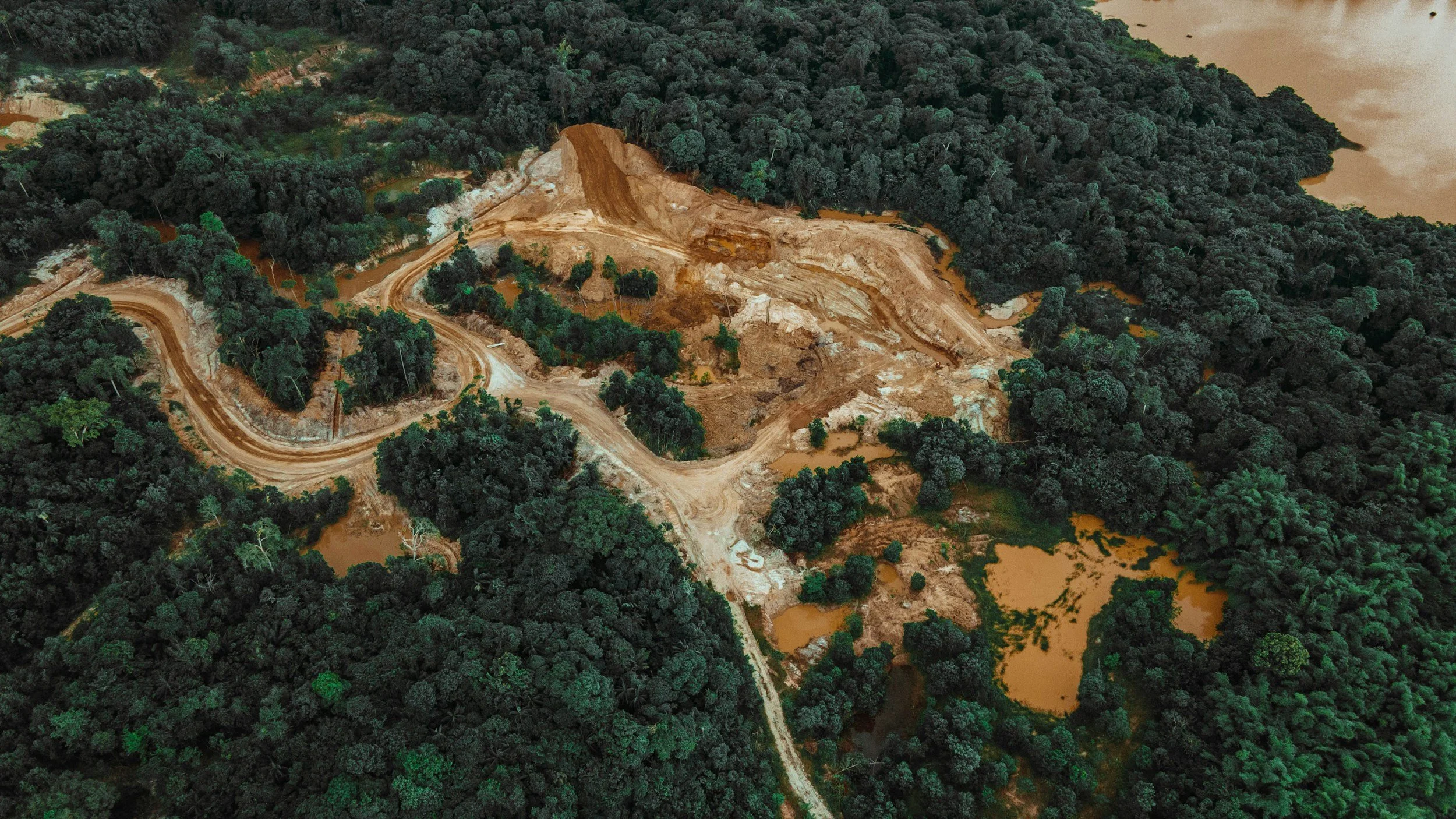
AI-Environmental Journalism Model Enhances Real-Time Hazard Detection and Reporting
The AI-Environmental Journalism Integration Model (AEJIM) is transforming real-time environmental reporting by integrating AI with community input. This innovative approach enhances accuracy, fills monitoring gaps, and supports global decision-making. However, it faces challenges like data reliability and fairness, highlighting the need for ethical AI journalism.

AI-Driven Hydrogen Catalyst Boosts Efficiency, Cutting Costs for Clean Energy Future
Researchers have developed an AI-guided catalyst that enhances hydrogen production, increasing efficiency while lowering costs. Using cobalt phosphide modified with fluorine, this breakthrough could help make hydrogen a viable clean energy solution, supporting global climate goals. The technology has shown durability in tests and may revolutionize hydrogen use in transportation and manufacturing.

AI-Powered Smart Cities: New Study Highlights Transformative Potential and Research Trends
A comprehensive bibliometric study published in Urban Science analyzes nearly 5,000 research papers to map the evolving role of artificial intelligence in smart cities. From optimizing transportation and energy use to monitoring air quality and enhancing public safety, AI is driving urban innovation across disciplines and continents. With emerging trends like digital twins and blockchain integration, the report also raises key ethical and regulatory considerations that must be addressed for sustainable development.