


Finix-S1-32B Hits 0.6% Hallucination Rate as Mid-2025 AI Accuracy Rankings Shift
New mid-2025 benchmarks reveal significant variation in factual accuracy across leading AI models. AntGroup’s Finix-S1-32B records a 0.6% hallucination rate on Vectara tests, the lowest publicly measured result, while models from Google, OpenAI, Anthropic and xAI show differing strengths across reasoning, summarisation and verification tasks.
UK Universities See Surge in AI-Assisted Cheating, Cases Triple in One Year
Almost 7,000 students at UK universities were caught using AI tools such as ChatGPT to cheat in the 2023-24 academic year, more than triple the figure from the year before. The findings, based on FOI requests to 155 institutions, reveal the sharp rise of AI-related misconduct as traditional plagiarism cases decline. Universities now face mounting challenges in detection, ethics, and the future of assessment.

AI-Powered Robotics Reshape Facility Management with KABAM Deployments
Singapore-based KABAM Robotics is expanding the use of AI-powered robots in facility management, focusing on autonomous navigation, inspections, and predictive maintenance. From healthcare to commercial buildings, deployments showcase potential to reduce labor pressure, improve operational efficiency, and support sustainability goals.

Understanding Optimization in AI: Techniques, Evolution, and Future Prospects
Optimization lies at the heart of artificial intelligence, enabling models to refine parameters, reduce errors, and adapt to complex tasks. Tracing its roots from early mathematics and linear programming to modern techniques like Adam and neural architecture search, this report explores how optimization drives AI progress, industry applications, and emerging future directions.

Justice Kagan Praises AI Tool Claude for Supreme Court Case Analysis
U.S. Supreme Court Justice Elena Kagan has praised the AI tool Claude for its analysis of a constitutional dispute, citing its effectiveness in handling complex Confrontation Clause issues. Her comments at the Ninth Circuit Judicial Conference underscore AI’s growing role in legal practice, though persistent risks and ethical questions suggest cautious adoption ahead.

U.S. Congressional Hearing Probes AI Risks Amid U.S.-China Rivalry
The U.S. House Select Committee on Strategic Competition with the Chinese Communist Party held a June 25 hearing on artificial intelligence, featuring testimony from Anthropic’s Jack Clark, CSBA’s Thomas Mahnken, and AI Policy Network’s Mark Beall. Witnesses highlighted the dual-edged potential of AI, national security concerns, and the need for export controls, federal testing, and legislative action to address risks of AGI and superintelligence.

Hong Kong and Brazil Ease Drone Rules to Boost AI in Infrastructure and Agriculture
Hong Kong and Brazil are reshaping drone regulations to support AI-driven applications across sectors. Hong Kong’s amendments create a new category for heavier drones and enable sandbox trials, while Brazil’s proposed RBAC-100 framework adopts risk-based oversight to expand agricultural and commercial drone use.
SoloAI Expands AI Music Platform with Longer Tracks and Video Integration
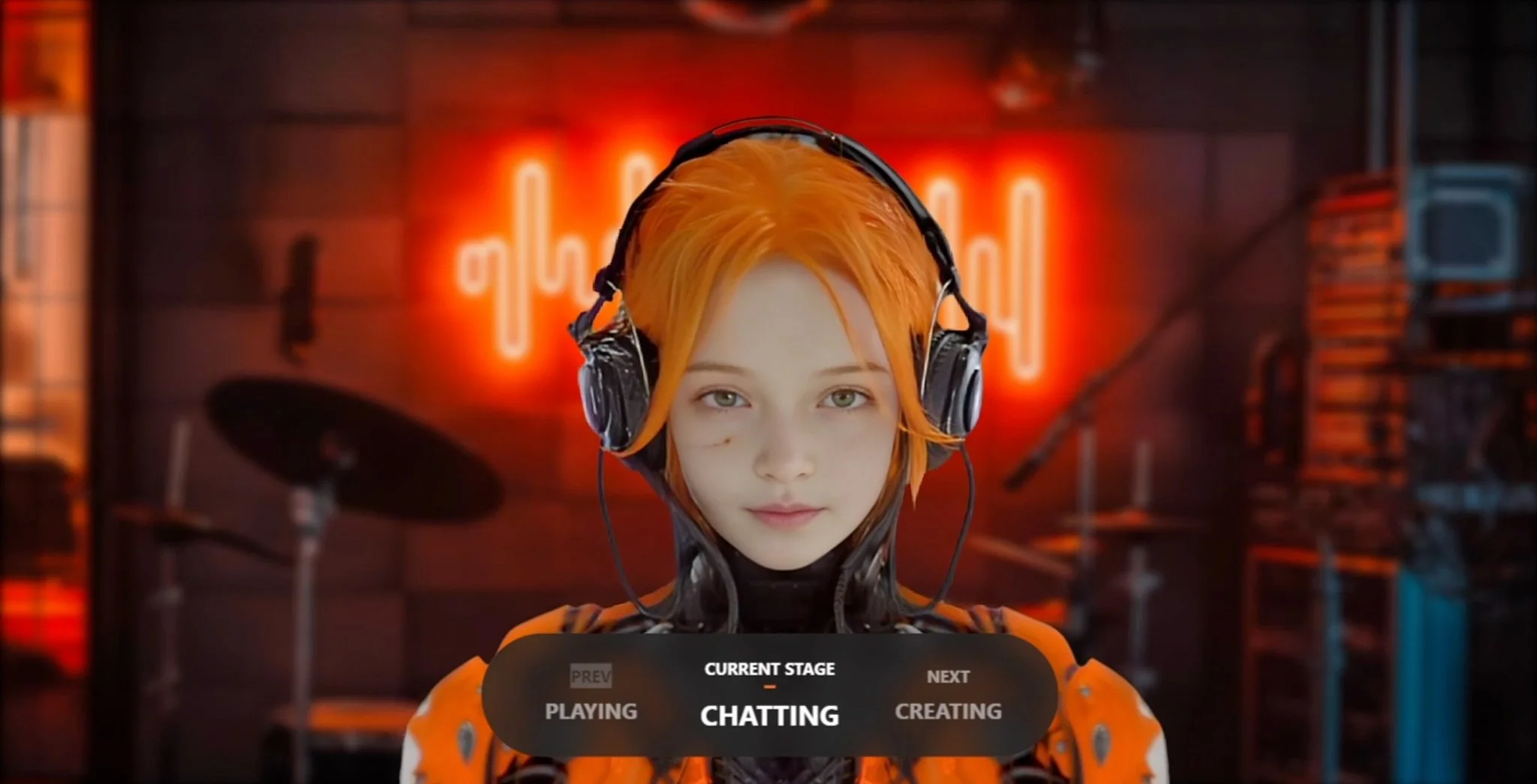
SoloAI has rolled out new upgrades to its AI-driven music platform, extending track length and introducing synchronized video generation. With blockchain integration and virtual performers like DJ SONA, the company aims to make music creation more accessible while advancing within the wider trend of multimodal AI tools.
Withings Showcases AI-Powered Omnia Conceptual Mirror at CES 2025
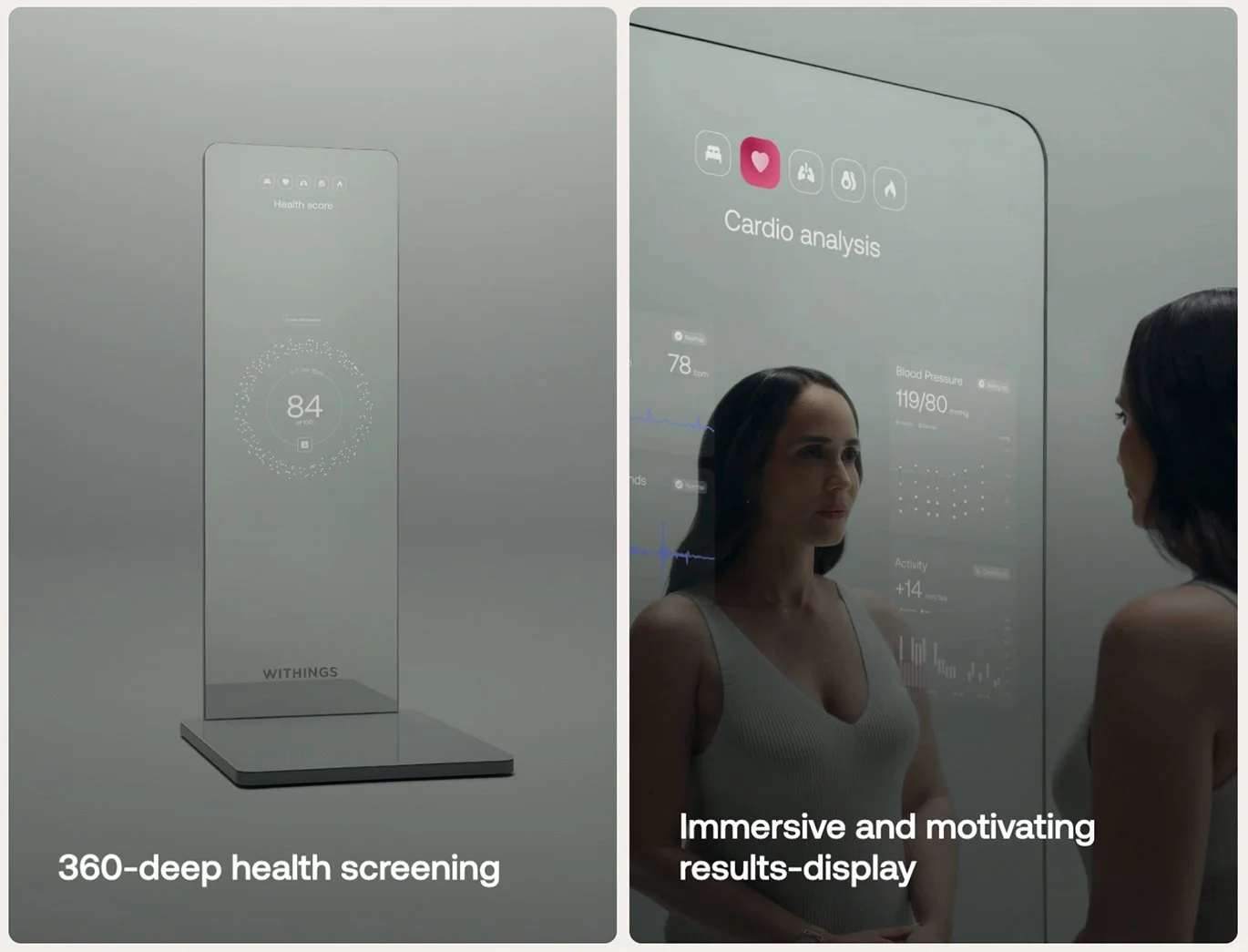
At CES 2025, Withings revealed Omnia, a conceptual AI-powered smart mirror designed to integrate daily health monitoring into routine use. The device combines body scans, heart and metabolic insights, and connected data from other Withings products. While not intended for immediate release, Omnia demonstrates the company’s vision for unified, AI-driven personal health management.

Scientists Discover Human Cell-Based 'Anthrobots' Capable of Tissue Repair and Age Reversal
Scientists at Tufts University have created Anthrobots—microscopic constructs formed from human tracheal cells without genetic modification. These self-assembling entities can move using outward-facing cilia, aid in neural repair in lab tests, and demonstrate epigenetic age reversal. The research suggests new possibilities for regenerative medicine and understanding how cellular organization influences aging.

European Parliament Study Advocates Strict Liability for High-Risk AI Systems
A new study commissioned by the European Parliament calls for a dedicated strict liability regime for high-risk AI systems. The report argues existing EU rules, including the revised Product Liability Directive, remain insufficient to address AI’s unique risks. Without harmonized liability, it warns of national divergences that could impact accountability, innovation, and public trust.

Insta360 Launches Ace Pro 2 and X5 with AI Chips for 8K Action and 360 Capture
Insta360 has unveiled two new cameras — the Ace Pro 2 and X5 — equipped with advanced AI processors to improve image quality, low-light performance, and editing efficiency. The launches highlight the company’s focus on hardware-software integration in action and 360-degree capture, aiming to streamline workflows for creators and professionals alike.

DeepSeek Delays R2 AI Model Launch After Huawei Chip Training Challenges
DeepSeek has delayed the rollout of its R2 model after facing technical setbacks training on Huawei’s Ascend chips. The company reverted to Nvidia’s H20 for training while using Ascend for inference. The delay underscores challenges in China’s AI hardware push and opens opportunities for rivals such as Alibaba’s Qwen3.

Huawei CloudMatrix 384 vs Nvidia GB200 NVL72: Key AI Hardware Differences Explained
This report provides a structured, data-driven comparison of Huawei’s CloudMatrix 384 and Nvidia’s GB200 NVL72 AI computing systems. It examines performance from chip to rack level, evaluates efficiency and software ecosystems, and considers broader market and geopolitical factors shaping AI infrastructure choices.

Direct vs. Indirect AI Access: ChatGPT, Grok, Claude and DeepSeek on Poe Compared
This report examines the differences between direct access to ChatGPT, Grok, Claude, and DeepSeek on their native platforms and indirect access via Poe. It reviews verified features, usage limits, regional access considerations, and potential changes in performance or user experience, highlighting which claims are fact-supported and which remain unverified.

Genspark.AI Emerges in U.S. as AI Agent Startup Led by Former Baidu Executives
Genspark.AI, founded in 2023 by former Baidu executives Eric Jing and Kay Zhu, is a U.S.-based AI startup focused on developing autonomous agents. With operations rooted in Palo Alto, the company blends Eastern AI expertise with Western infrastructure, positioning itself in the evolving global AI landscape.

HeyGen Relocates Headquarters from China to U.S. Amid Geopolitical Pressures
HeyGen, an AI-powered video creation platform, shifted its headquarters from China to the U.S. to meet regulatory requirements, attract Western investors, and access restricted AI technology. This strategic move reflects broader industry trends amid ongoing U.S.-China tech tensions.

ChatGPT Leads U.S. Generative AI Market at 60.4% as Rivals Perplexity, Claude Gain Ground
ChatGPT remains the dominant generative AI chatbot in the U.S. with 60.4% market share, according to August 2025 data from First Page Sage. While still leading, established players are seeing growth rates outpaced by newer entrants such as Perplexity and Claude AI, reflecting a shift toward specialized applications.

OpenAI GPT-5 Pro Scores 100% on AIME 2025 Math Exam
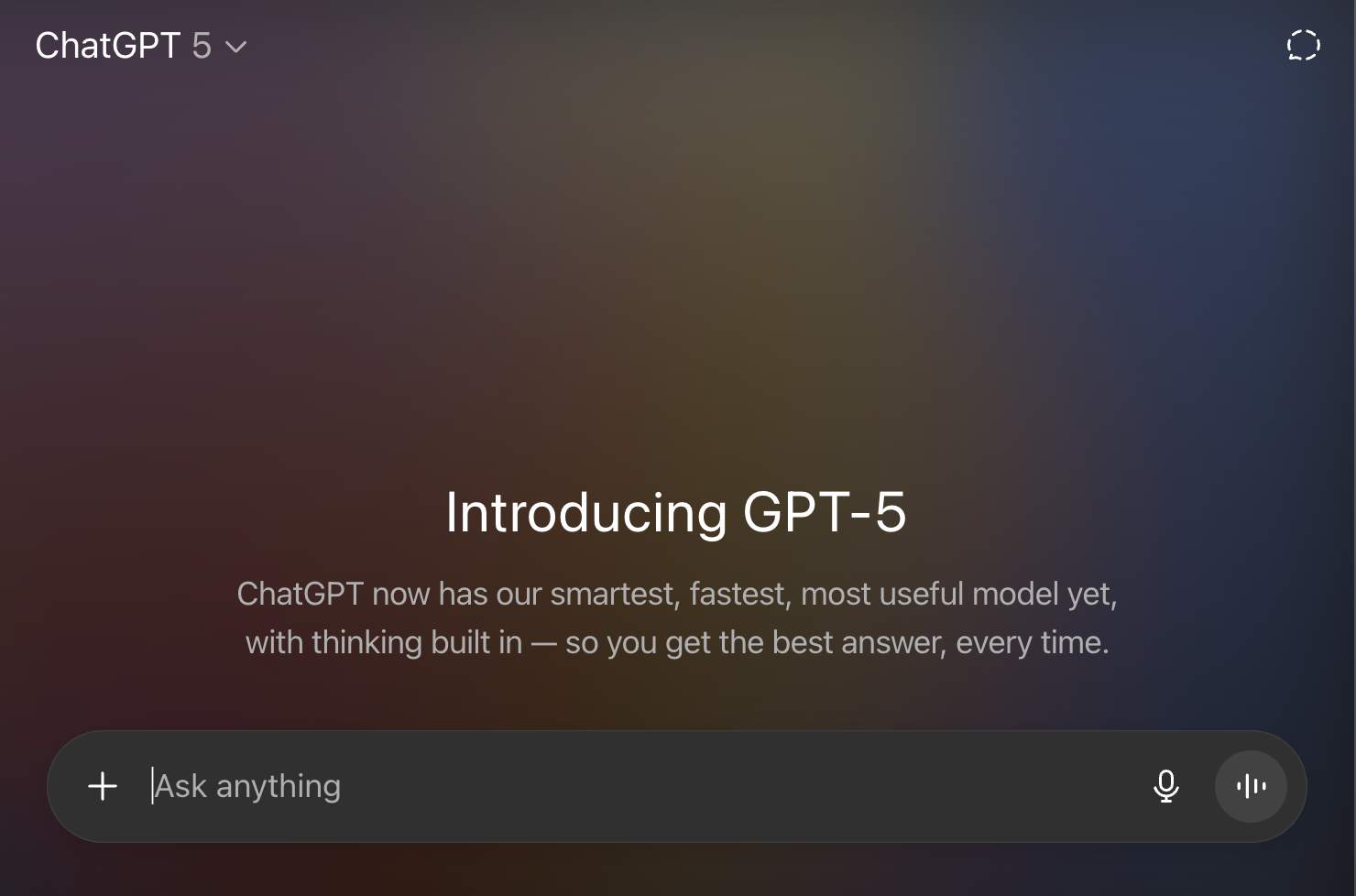
OpenAI's GPT-5 model advances AI capabilities in math, coding, and multimodal tasks, with GPT-5 Pro achieving 100% on AIME 2025 using Python. Compared to Grok 4, Claude Opus 4.1, and DeepSeek R1, it shows versatility, supported by robust safety evaluations.
GPT-5, Grok 4, and Claude Opus 4.1: Comparing the Latest AI Model Advancements
OpenAI’s GPT-5, xAI’s Grok 4, and Anthropic’s Claude Opus 4.1 arrived in mid-2025 with notable improvements in reasoning, coding, and multimodal capabilities. While benchmarks reveal varied strengths, no model dominates across all tasks, underscoring the competitive and specialized nature of the current AI landscape.