
DeepSeek Delays R2 AI Model Launch After Huawei Chip Training Challenges

Image Credit: Solen Feyissa | Splash
Chinese AI startup DeepSeek has delayed the release of its advanced reasoning model R2 after encountering persistent difficulties in training the system on Huawei Technologies' Ascend chips, sources with knowledge of the matter said.
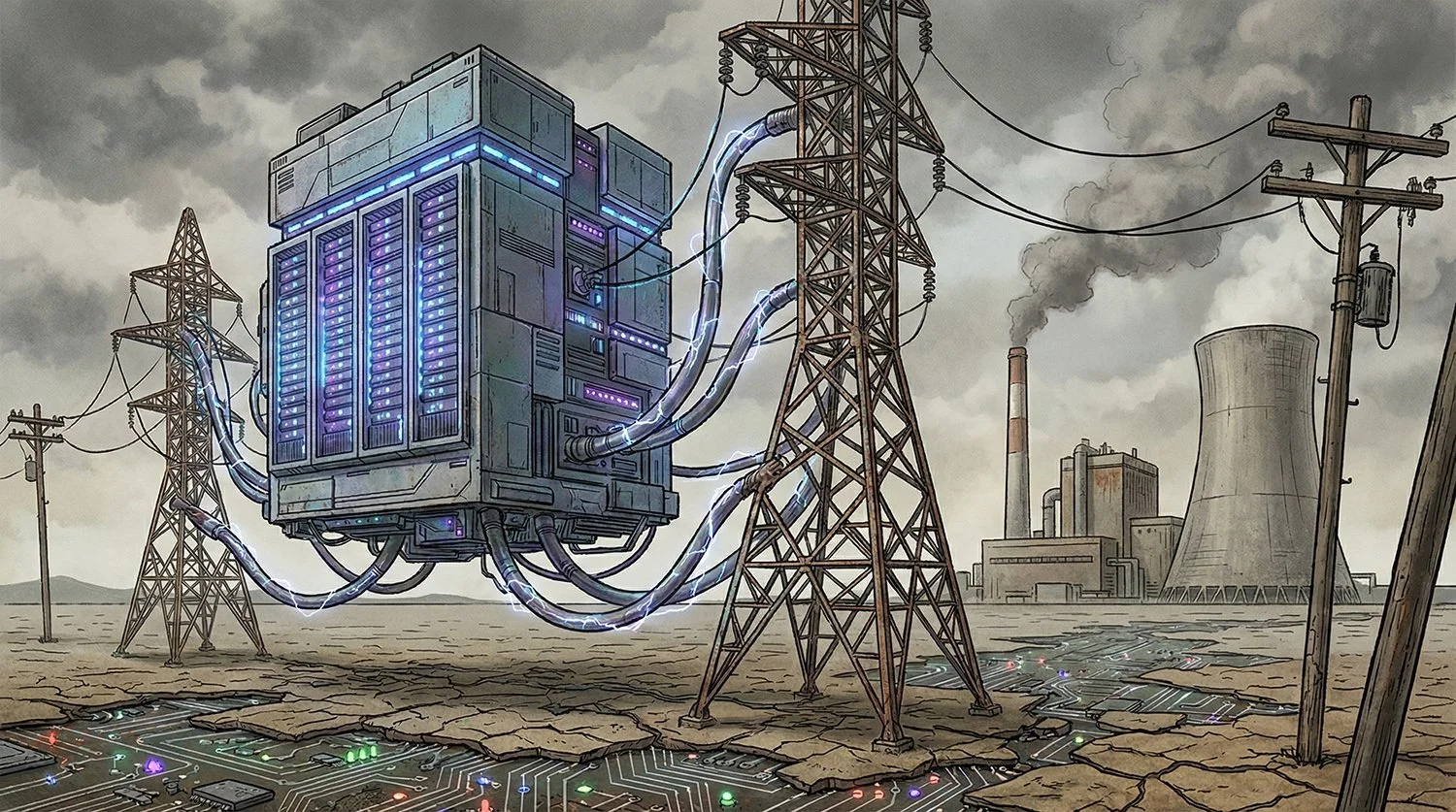
The setback highlights the technical hurdles in China's push for semiconductor self-reliance, as domestic AI developers grapple with hardware limitations amid U.S. export controls on advanced computing technology.
DeepSeek, which launched its R1 model in January 2025 to widespread acclaim for its efficiency and performance, had targeted a May rollout for R2. Instead, the company shifted to Nvidia's H20 chips for training while using Ascend processors for inference, the sources added.


























Technical Challenges in Model Development
The primary issues with Huawei's Ascend chips included system instability, slower inter-chip connectivity and a less developed software ecosystem compared to Nvidia's mature tools. Huawei dispatched engineers to DeepSeek's facilities to assist, but the team could not achieve a full training cycle on the Ascend hardware.
Training large language models requires processing massive datasets to identify patterns, demanding high stability and computational efficiency. Inference, the phase where trained models generate responses, is less resource-intensive and thus more feasible on alternative hardware.
The delay was compounded by extended data labelling efforts to enhance the model's dataset quality. DeepSeek founder and CEO Liang Wenfeng has voiced internal concerns over R2's advancement, advocating for additional refinement to preserve the firm's edge in AI reasoning.
Local media suggest R2 could launch imminently, though no confirmed date has been announced.


























Policy Pressures and Hardware Shift
Following R1's success, Chinese authorities encouraged DeepSeek to prioritize Huawei's domestic chips, aligning with national goals to lessen reliance on foreign technology under U.S. restrictions.
U.S. export controls, intensified since 2022, bar sales of Nvidia's high-end chips like the H100 to China, prompting Nvidia to develop compliant alternatives such as the H20. In July 2025, Nvidia gained U.S. approval to restart H20 exports by committing to share a portion of its China revenues with Washington. However, recent Chinese guidance has cautioned firms against purchasing H20 chips, citing security risks, leading Nvidia to pause production.
Adopting local chips offers benefits like bolstered data sovereignty and long-term supply chain security, but drawbacks include current performance shortfalls that extend development timelines and elevate costs.






















Competitive Ramifications in AI Sector
The postponement has enabled competitors to advance. Alibaba's Qwen3, released in April 2025, claims superior performance over DeepSeek's R1 in benchmarks for reasoning and instruction-following. Qwen3 has integrated similar algorithmic approaches from DeepSeek while optimizing for efficiency, potentially eroding DeepSeek's market lead.
This development reflects broader strains in China's AI ecosystem, where hardware constraints could slow innovation relative to global peers.





























Outlook for AI Hardware Evolution
Experts anticipate Huawei's Ascend ecosystem will mature, addressing training challenges through ongoing investments in R&D. University of California, Berkeley AI researcher Ritwik Gupta noted that while frontier models are not yet trained on Huawei chips, future viability is likely.
By 2026, inference is projected to account for 70% of AI compute needs, favoring chips like Ascend that perform adequately in less demanding operations. Yet, persistent U.S. curbs may sustain dependence on adapted foreign hardware, influencing global AI progress and supply dynamics.


























Source: Tom’s Hardware, Ars Technica, CNBC, Reuters, Tech Radar, SCMP, CSIS












 TheDayAfterAI News
We are a leading AI-focused digital news platform, combining AI-generated reporting with human editorial oversight. By aggregating and synthesizing the latest developments in AI — spanning innovation, technology, ethics, policy and business — we deliver timely, accurate and thought-provoking content.