
Insta360 Launches Ace Pro 2 and X5 with AI Chips for 8K Action and 360 Capture
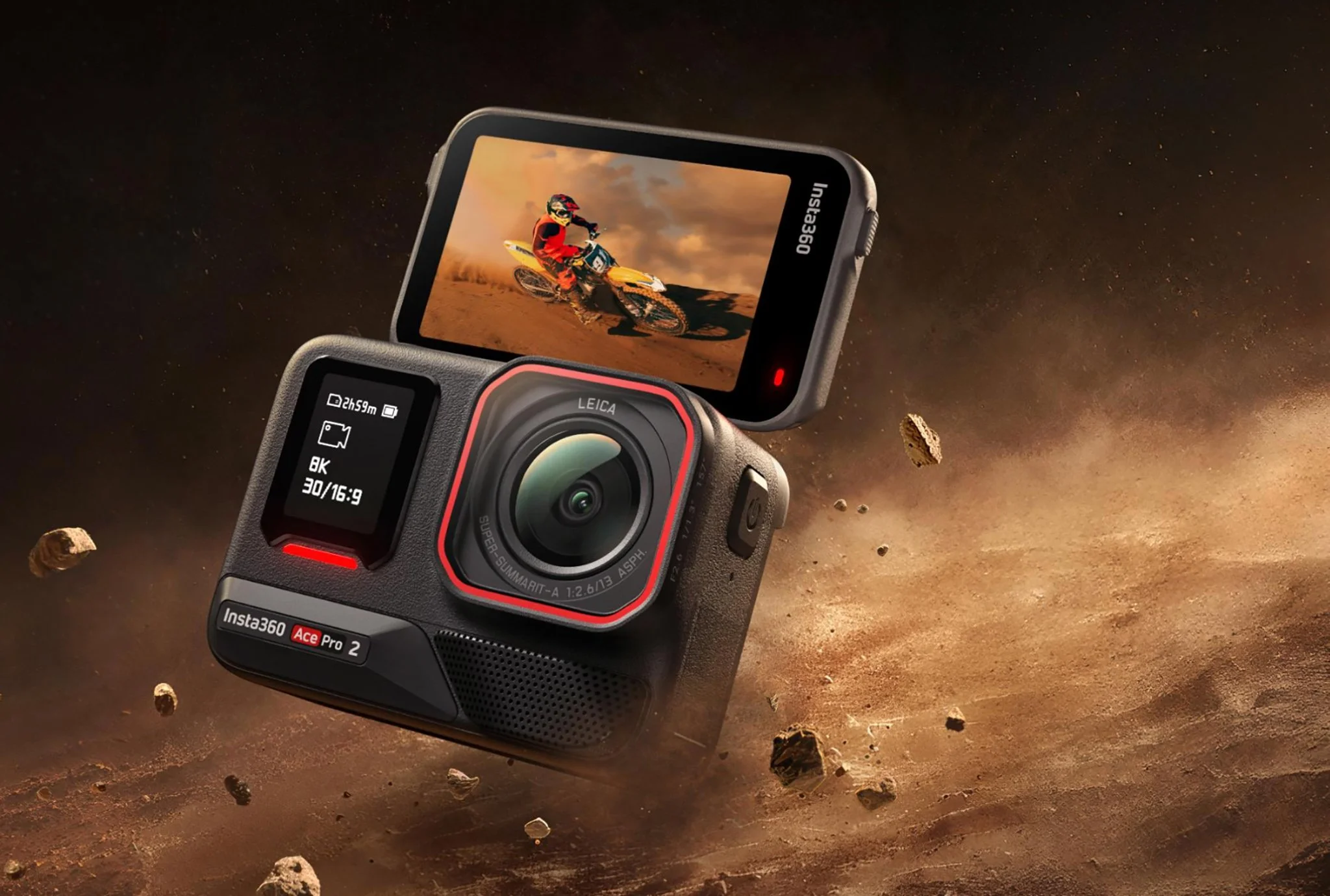
Image Source: Insta360
Chinese camera maker Insta360 has introduced two models featuring dedicated AI processors, marking a step forward in computational photography for action and panoramic capture. The Ace Pro 2, a wide-angle action camera, incorporates dual AI chips to enhance real-time image processing, while the X5, a 360-degree camera, uses three AI chips for advanced scene analysis and stitching. These releases build on the company's focus on integrating artificial intelligence to improve low-light performance and user efficiency in demanding environments.

























Company Background
Insta360, also known as Arashi Vision Inc., was founded in 2015 by Liu Jingkang in Shenzhen, Guangdong province, China. The firm specializes in 360-degree and action cameras, targeting content creators in adventure sports, virtual reality, and professional videography. Starting with early 360 cameras like the Insta360 Nano in 2016, Insta360 expanded globally, establishing offices in Los Angeles, Tokyo, Berlin, Shenzhen, and Hong Kong, and partnering with optics firm Leica for co-engineered lenses in its Ace series. By 2025, the company had secured its position as a key player in the action camera market, driven by innovations in stabilization and immersive video, amid competition from U.S.-based GoPro and China's DJI. The push into AI hardware reflects broader industry trends toward on-device processing to reduce post-production time and enable features like automated editing, responding to user demands for tools that handle complex conditions such as variable lighting and motion without extensive manual intervention.





























Ace Pro 2: Enhanced Action Capture
The Ace Pro 2 was unveiled on Oct. 22, 2024, as a successor to the original Ace Pro, with availability through Insta360's online store and retailers at a starting price of US$399.99 for the standard bundle. Developed in Shenzhen with input from Leica engineers, the camera addresses limitations in prior models by incorporating a 1/1.3-inch 8K sensor that supports 8K video at 30 frames per second and 4K Active HDR at 60 fps, alongside 50-megapixel photos. Its Leica Summarit lens, with a 157-degree field of view and F2.6 aperture, minimizes distortion while capturing wide scenes, suitable for activities like mountain biking or underwater filming. Durability improvements include waterproofing to 39 feet without a case—up from 33 feet in the predecessor—and operation in temperatures from -4°F to 113°F, facilitated by a removable lens guard and rugged build. A 2.5-inch flip touchscreen with 900 nits brightness aids in framing, and the 1800mAh battery provides up to 180 minutes of runtime at 1080p, with fast charging reaching 80% in 18 minutes. Audio enhancements feature an integrated wind guard and three microphones with algorithms for noise reduction and voice emphasis. The model's development stemmed from feedback on low-light challenges in action scenarios, aiming to provide creators with reliable tools for spontaneous shoots in varied conditions, potentially broadening adoption among amateur adventurers and professional filmmakers.


























X5: Immersive 360-Degree Innovation
Released on April 22, 2025, the X5 serves as Insta360's flagship 360-degree camera, priced at $549.99 and distributed via the company's store, Amazon, and partners. Manufactured in Shenzhen, it introduces user-replaceable lenses to mitigate damage from impacts, a response to common complaints in outdoor use of earlier models like the X4. Dual 1/1.28-inch sensors enable 8K 360-degree video at 30 fps, 5.7K at 60 fps, and 72-megapixel photos, with a 13.5-stop dynamic range for detailed capture. Single-lens mode supports 4K at 60 fps, and modes like InstaFrame allow simultaneous selfie and fixed views without reorientation. Waterproof to 49 feet and drop-resistant with ultra-hard optical film, the device operates from -4°F to 104°F, supported by a 2400mAh battery offering up to 208 minutes at 5.7K in endurance mode and 20-minute charging to 80%. A built-in wind guard and upgraded audio algorithms reduce noise, with options for 360-degree sound and wireless mic integration. The X5's design prioritizes solo creators in fields like travel vlogging or virtual tours, where durability and quick setup—via magnetic mounts and gesture controls—can streamline workflows in remote or fast-paced settings.


























AI Integration at the Core
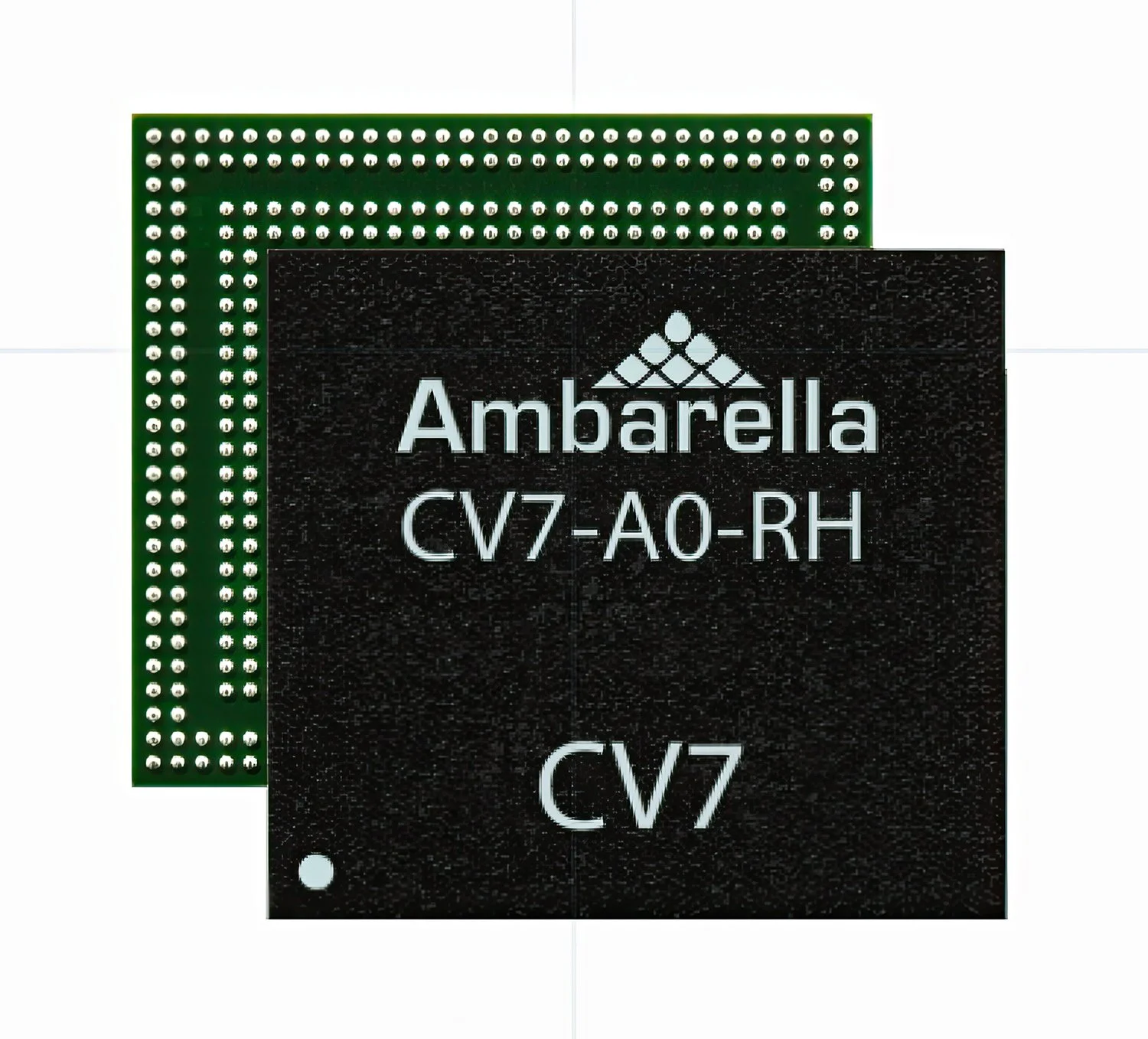
Both cameras emphasize AI hardware to handle computational demands on-device, reducing reliance on external software. The Ace Pro 2's dual-chip setup includes a Pro Imaging Chip for noise reduction and a 5nm AI chip that powers features like PureVideo for low-light enhancement through neural network-trained algorithms, AI Warp for dynamic effects via keyword prompts, and an AI Highlights Assistant for automated clip selection in editing. In the X5, a triple-chip configuration—two Pro Imaging chips and one 5nm AI chip—delivers 140% more processing power, enabling real-time stitching of 360-degree footage, scene analysis for optimized exposure, and PureVideo mode that applies noise reduction and dynamic range adjustments during capture. This architecture, a first for Insta360 in multi-chip designs, stems from the need to process high-resolution data efficiently, as traditional single processors struggle with 8K demands in real time. Integration with the Insta360 app further leverages AI for semi-automated editing and templates, though it requires compatible smartphones with recent chipsets. By embedding these capabilities, Insta360 aims to democratize advanced imaging, allowing users to achieve professional results without specialized skills.

























Broader Industry Implications
The introductions highlight Insta360's strategy to differentiate through AI amid a maturing action camera sector, where low-light and stabilization issues persist as pain points. Analysts see potential impacts in adventure photography and immersive content creation, where enhanced AI could accelerate adoption in virtual reality applications and social media production, though dependence on proprietary apps may limit interoperability. These models could pressure competitors to accelerate AI investments, fostering innovation in on-device processing, but raise questions about data privacy in AI-assisted features. Overall, the releases underscore a shift toward hardware-software synergy in imaging tech, potentially expanding market access for non-professionals in high-stakes environments.































 TheDayAfterAI News
We are a leading AI-focused digital news platform, combining AI-generated reporting with human editorial oversight. By aggregating and synthesizing the latest developments in AI — spanning innovation, technology, ethics, policy and business — we deliver timely, accurate and thought-provoking content.