
HeyGen Relocates Headquarters from China to U.S. Amid Geopolitical Pressures

Image Source: Heygen
HeyGen, a generative AI company focused on video production tools, moved its headquarters from Shenzhen, China, to Los Angeles, California, in 2022. The relocation aligns with efforts by U.S. investors to reduce ties to China, enabling access to restricted AI technologies and Western markets amid rising U.S.-China tech tensions.
















Company Background
HeyGen was founded in December 2020 by Joshua Xu, a former Snap Inc. engineer, and Wayne Liang. Initially named Surreal and based in Shenzhen during the COVID-19 pandemic, it shifted to Los Angeles and rebranded first to Movio, then to HeyGen in April 2023. As of 2025, the company has raised US$65.6 million from investors including Benchmark and Conviction, reaching a valuation of US$500 million. With about 140 employees, HeyGen serves clients such as Salesforce and Nvidia, providing AI-driven solutions for marketing, training and sales content.

























Reasons for Relocation
The move followed U.S. investor requirements to divest from Chinese backers like IDG Capital and Baidu Ventures. This occurred during increased U.S. regulatory focus on AI companies with Chinese operations, citing national security risks related to data and technology transfers. HeyGen's executives highlighted the need for compliance with U.S. rules, access to advanced AI chips unavailable in China due to export controls, and expansion among higher-paying Western clients. Similar relocations by AI startups like Opus Clip reflect industry-wide responses to bipartisan U.S. legislation scrutinizing cross-border tech links.

























Business Operations
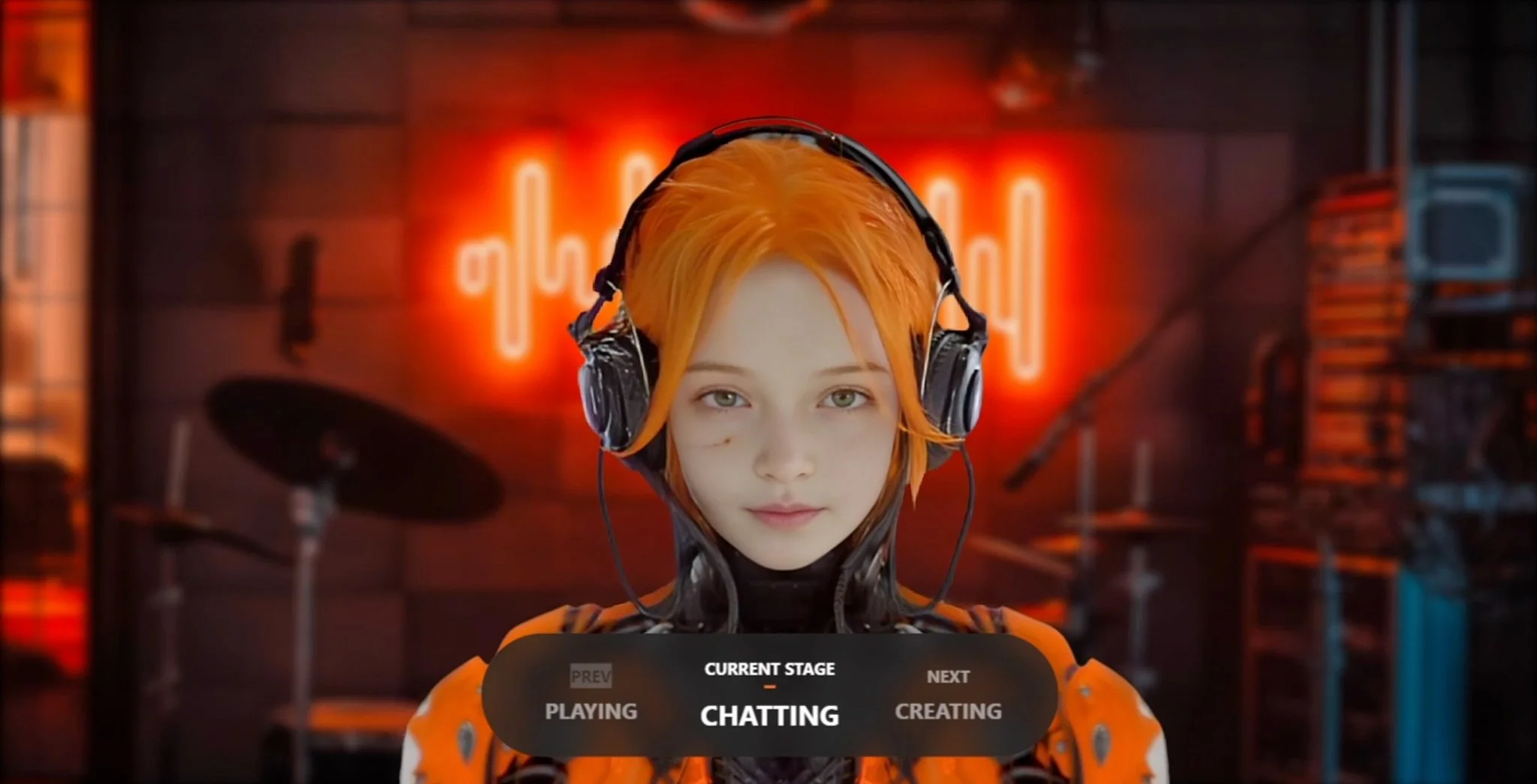
HeyGen operates an online platform that transforms text, images or audio into professional videos via AI avatars—digital figures with adjustable appearances, voices and gestures. Key features include voice cloning in over 300 voices, translation in 175 languages with lip-sync, and interactive avatars for live interactions. The platform aims to streamline content creation for businesses, cutting production time by up to 10 times compared to conventional methods. Revenue is generated through subscriptions and API integrations, with uses in e-commerce, education and corporate communications.





















AI Integration and Role
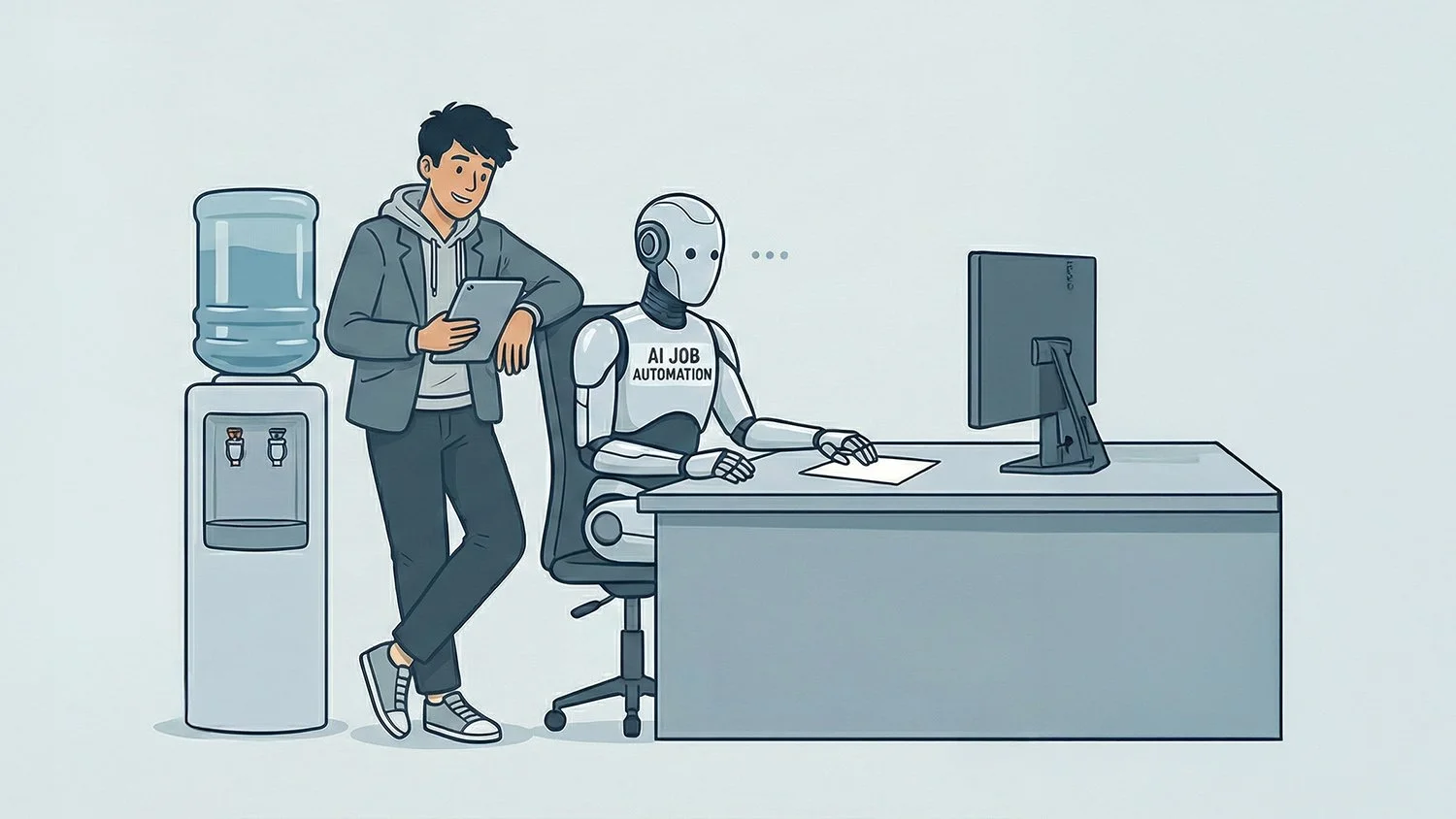
HeyGen centers on generative AI to create realistic avatars and automate video processes, incorporating models like those from OpenAI for improved quality. Updates in 2024 and 2025, such as version 5.0 and Avatar 3.0 with upper-body movements, integrate tools like Sora for enhanced animation. This places HeyGen in the expanding AI content market, where automation supports personalization and localization without traditional filming needs.

























Server Infrastructure
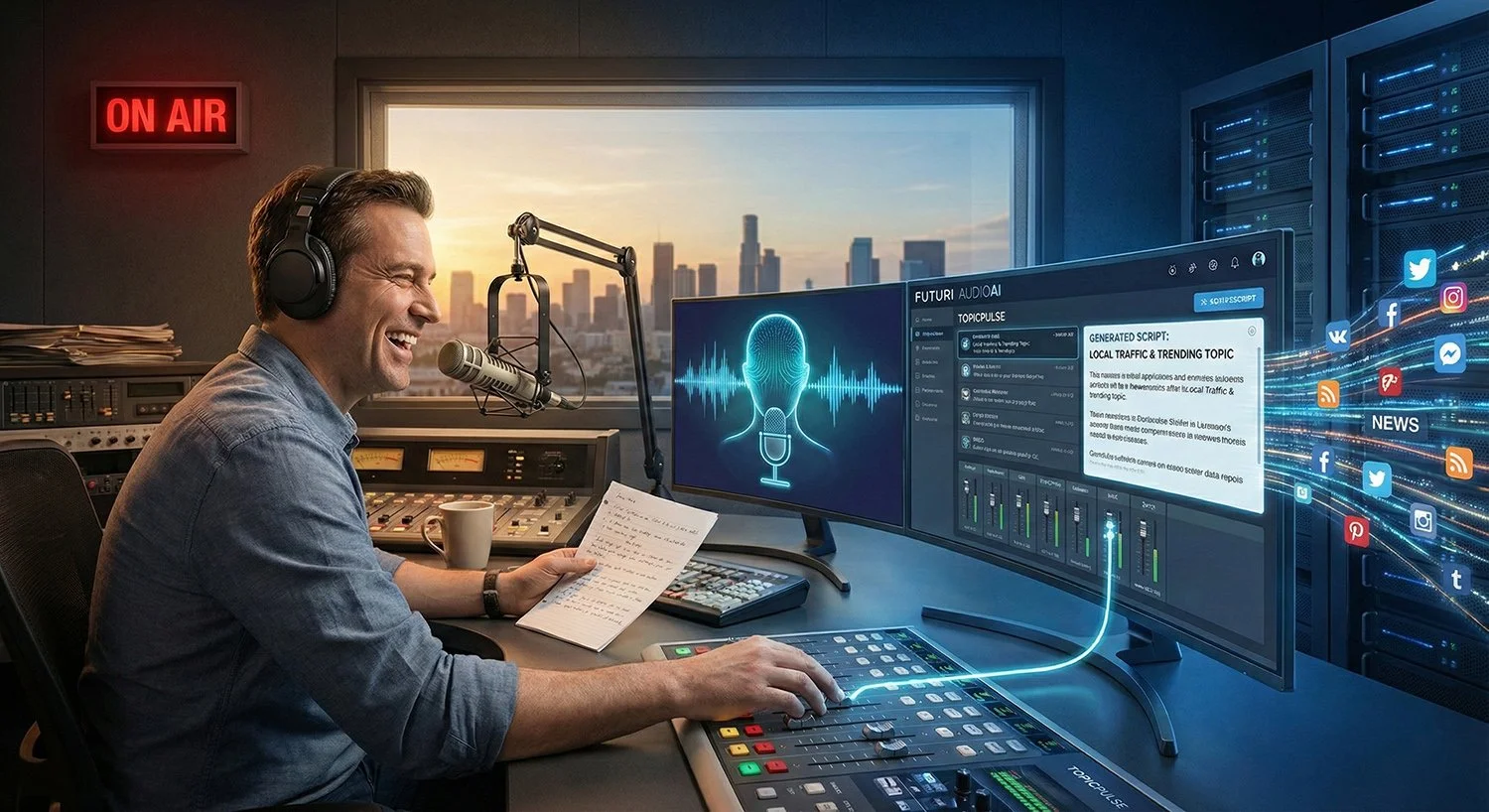
HeyGen processes data on servers hosted by Amazon Web Services in the United States, with possible transfers to global third-party providers under contractual safeguards. The company's privacy policy notes storage may occur outside users' countries, including the U.S., but does not mention China-based servers. Services are unavailable in China due to local restrictions, signaling no ongoing operations there after the relocation.

























Privacy and Security Assessment
HeyGen complies with regulations including GDPR, SOC 2 Type 2, CCPA and the EU AI Act, requiring user consent for avatar creation and offering data training opt-outs. It does not sell personal data, such as account information or uploads, and employs encryption and access restrictions. A March 2025 incident involved hackers bypassing multi-factor authentication to access an account, underscoring risks in AI systems. Additional concerns include deepfake potential for misinformation, addressed through content verification and policy enforcement.





















Future Outlook and Trends
HeyGen is advancing toward real-time AI avatars for virtual meetings and enterprise APIs, amid projections for the AI video market to grow from US$0.85 billion in 2025 to higher values by 2030 due to demand for automated content. Trends emphasize ethical AI and privacy regulations, with HeyGen's U.S. positioning aiding navigation of export rules but heightening competition from firms like Synthesia. Third-party views suggest sustained investment if the company prioritizes security alongside innovation, though ongoing geopolitical dynamics may shape international AI partnerships.
































 TheDayAfterAI News
We are a leading AI-focused digital news platform, combining AI-generated reporting with human editorial oversight. By aggregating and synthesizing the latest developments in AI — spanning innovation, technology, ethics, policy and business — we deliver timely, accurate and thought-provoking content.