
Hong Kong and Brazil Ease Drone Rules to Boost AI in Infrastructure and Agriculture

Image Credit: Jackie Yu | Splash
Hong Kong and Brazil have introduced regulatory changes to drone operations, facilitating the adoption of artificial intelligence in areas including infrastructure inspection and agricultural management, as authorities adapt frameworks to accommodate technological advancements while prioritizing airspace safety.

























Hong Kong's Regulatory Adjustments
Hong Kong's Civil Aviation Department (CAD) gazetted amendments to the Small Unmanned Aircraft Order on May 23, 2025, with the changes taking effect on July 18, 2025, to extend the regulatory regime and support trials for heavier drones. The updates introduce a new Category C for unmanned aircraft weighing more than 25 kg but not exceeding 150 kg, enabling controlled trials in designated areas under a low-altitude economy regulatory sandbox. This allows for AI-integrated applications, such as autonomous inspections in power infrastructure and logistics.


























Evolution of Drone Regulation
The amendments build on the Small Unmanned Aircraft Order, which commenced in June 2022 and fully took effect in December 2022, establishing a risk-based classification system for drones up to 25 kg. Before 2022, operations involving drones over 7 kg or any commercial activity required specific CAD permissions, limiting broader deployment. The revisions address these barriers, driven by the need to promote a low-altitude economy, including cross-boundary integration with Shenzhen in the Greater Bay Area to enhance regional connectivity and innovation. Government initiatives, such as the sandbox launched in March 2025 with 38 approved projects from 72 applications, reflect efforts to test emerging technologies safely.





























CLP Power’s BVLOS Drone Trials
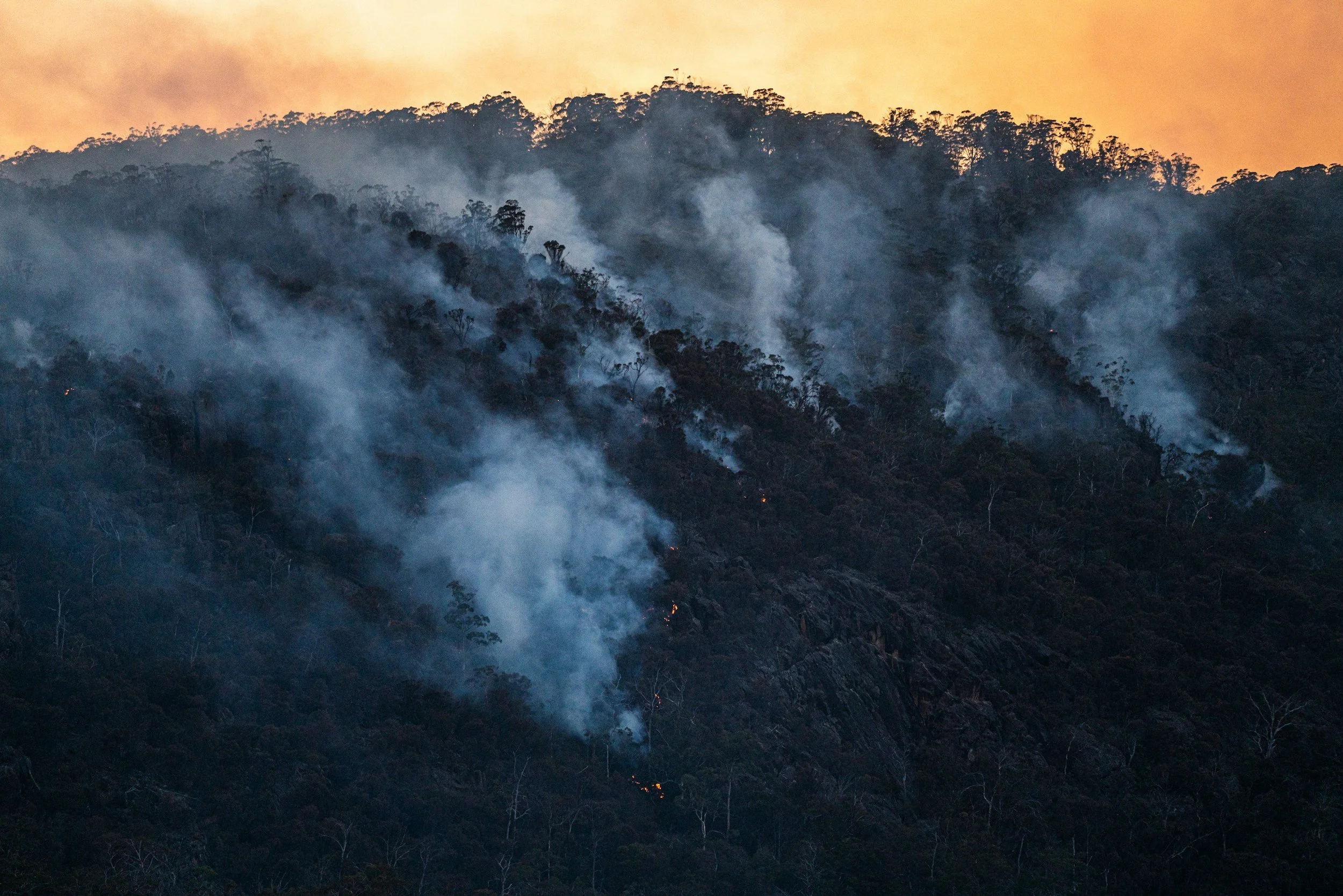
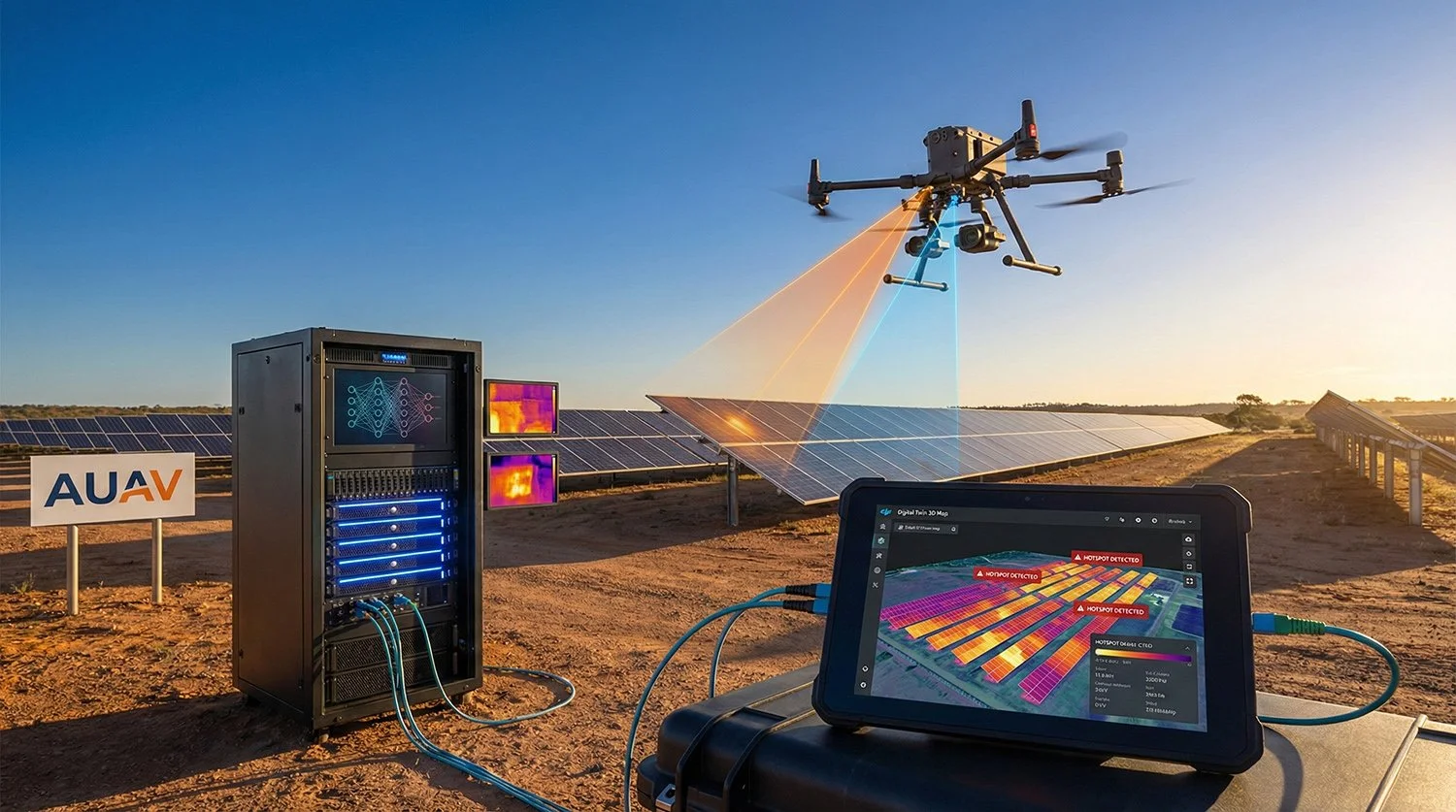
One notable impact is seen in CLP Power's beyond-visual-line-of-sight (BVLOS) drone trials, initiated in April 2025, for inspecting overhead lines and towers across varied terrains. The utility, which manages over 16,800 km of high-voltage transmission and distribution lines, anticipates a more than fourfold efficiency gain compared to manual patrols, previously limited to about 5 km per day. Integration of AI enables automated anomaly detection in power facilities, reducing risks during adverse weather and supporting faster emergency responses. These developments uphold safety standards through restricted flying zones near airports.






























Brazil's Regulatory Proposals
Brazil's National Civil Aviation Agency (ANAC) opened a public consultation on June 5, 2025, for the proposed Brazilian Civil Aviation Regulation (RBAC) No. 100, introducing BVLOS waivers via the Specific Operations Risk Assessment (SORA) methodology. The draft categorizes drone operations into open, specific and certified tiers, focusing on risk levels to enable AI-enhanced autonomy in commercial activities. This responds to a significant increase in drone registrations, with the agricultural fleet expanding from over 5,000 units in 2024 to around 8,304 by mid-2025, prompting updates to the existing framework.


























Transition from RBAC-E No. 94
The proposal aims to repeal the 2017 RBAC-E No. 94, which regulated drones based primarily on weight and operational type, including requirements for aircraft over 250 grams. Rapid growth in drone use for agriculture and security has strained the prior system, with exemptions for specialized scenarios becoming common. ANAC's shift aligns with international standards like SORA, developed by the Joint Authorities for Rulemaking on Unmanned Systems, to accommodate performance-based oversight amid Brazil's projected GDP growth of approximately 2.3% in 2025.

























Agricultural Applications and Certifications
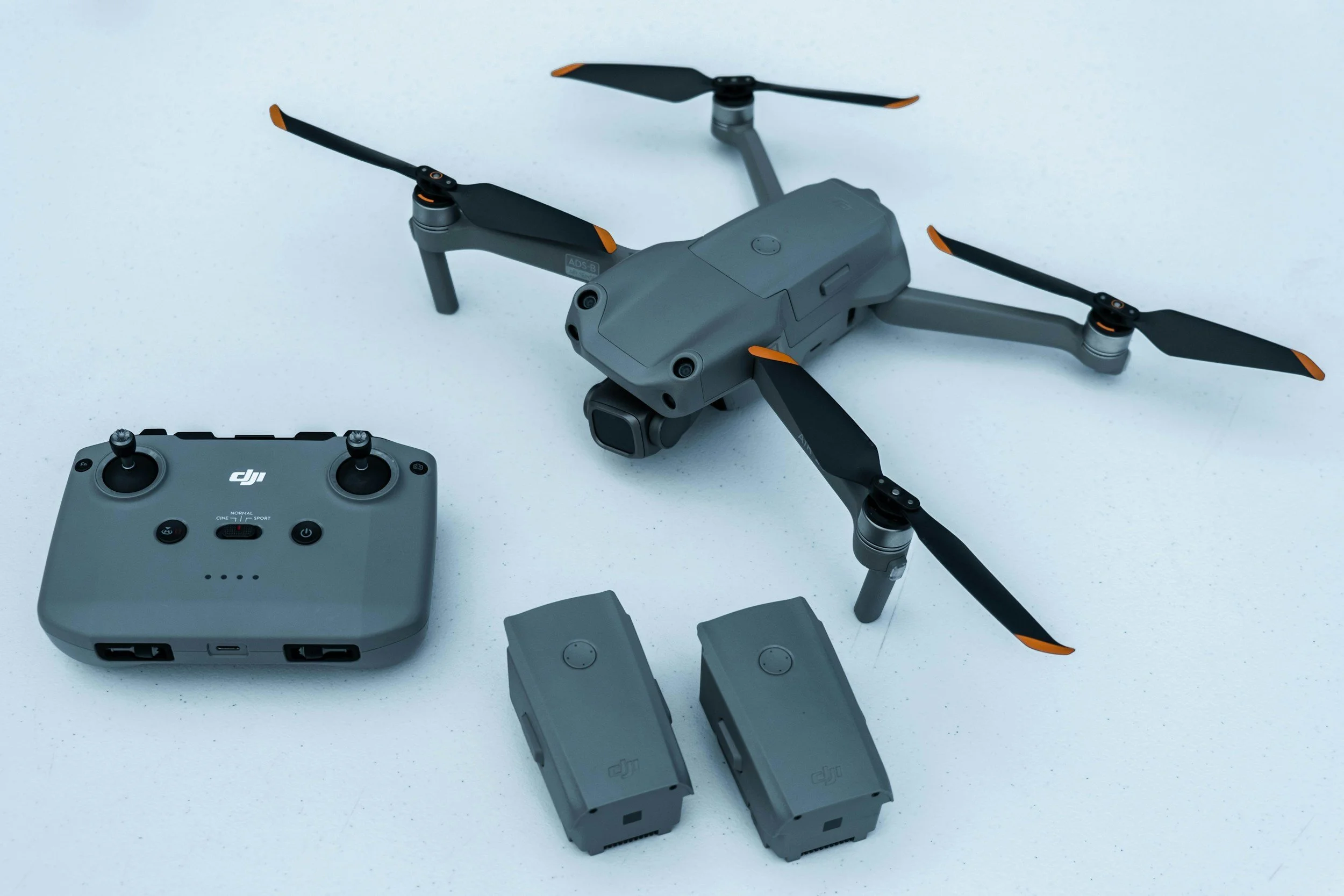
Impacts include expedited certifications, exemplified by ANAC's approval on February 25, 2025, of the Rotor R550 Sprayhawk unmanned aerial vehicle for commercial agricultural operations. This enables AI-optimized spraying over large farmlands, improving precision and reducing chemical usage, while operators must adhere to visual line-of-sight rules or obtain waivers to maintain safety. Broader effects extend to mining and infrastructure sectors, potentially enhancing productivity.



































 TheDayAfterAI News
We are a leading AI-focused digital news platform, combining AI-generated reporting with human editorial oversight. By aggregating and synthesizing the latest developments in AI — spanning innovation, technology, ethics, policy and business — we deliver timely, accurate and thought-provoking content.