



University of Sydney Cyber Incident: 27,500 Affected by Code Library Data Breach
A cyber incident at the University of Sydney has resulted in the unauthorized access and download of historical data files containing personal information for approximately 27,500 individuals, including current and former staff, students, and alumni. While no evidence of data misuse has been detected as of late December 2025, cybersecurity authorities warn that such breaches increase the risk of sophisticated, AI-driven impersonation and social engineering scams. The University has secured the affected environment and is in the process of notifying those impacted.

Beesoft Launches AI-Powered EV Evolution Platform for Australian Market
Beesoft Solutions has launched EV Evolution, an information platform centered around a custom-trained AI chatbot tailored for the Australian electric vehicle landscape. The platform provides users with information on EV availability, charging infrastructure, and regional government incentives. It aims to reduce the complexity of researching electric vehicle ownership by consolidating data into a conversational interface.
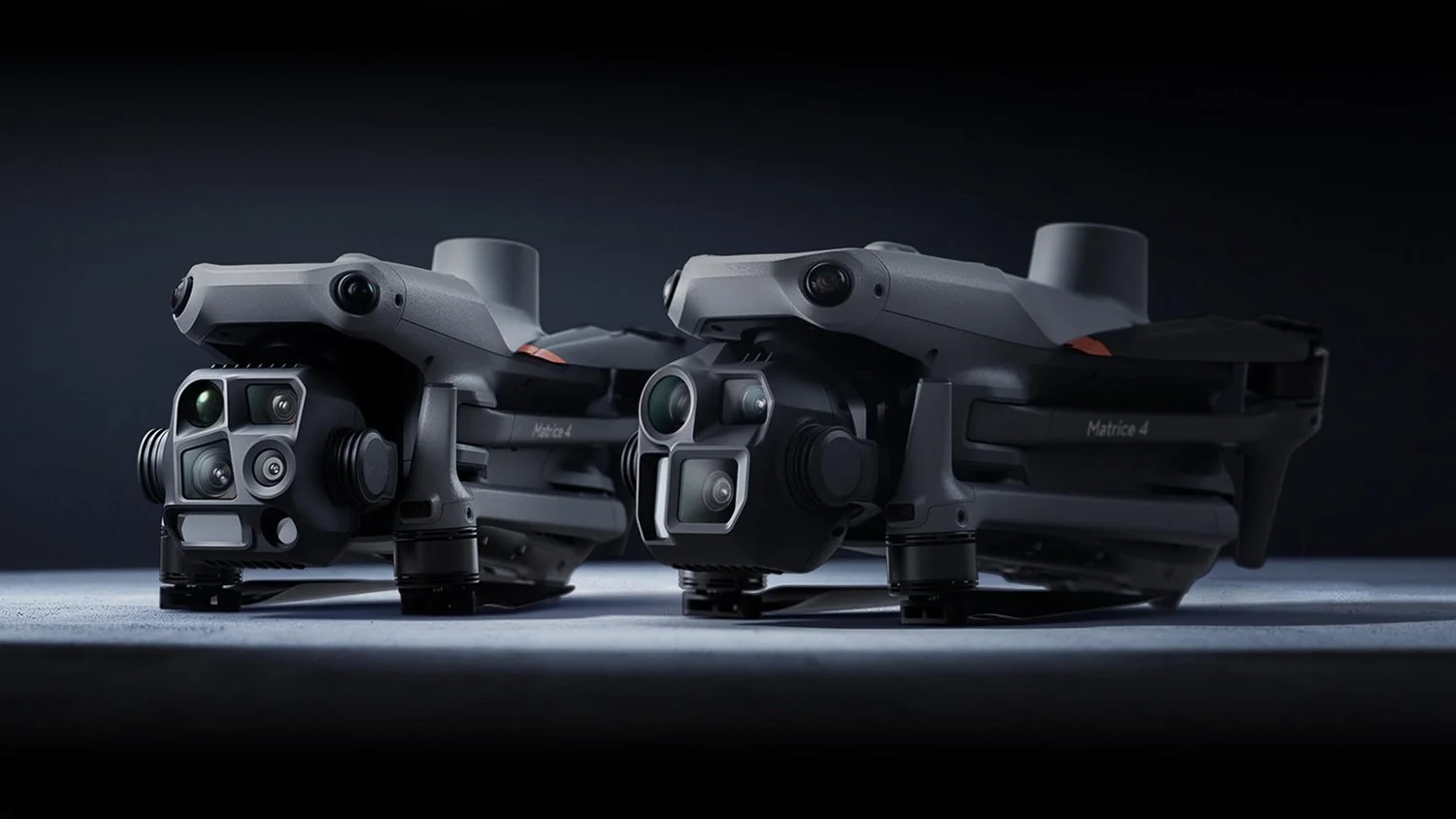
DJI Matrice 4 Update: New Multimodal AI Detection and Automated Patrol Actions
The December 11, 2025, update for the DJI Matrice 4 Series introduces a more flexible AI detection workflow, allowing operators to configure alerts using text descriptions and reference images. Key enhancements to the Patrol Route system now enable automated responses, such as triggering the AS1 speaker or AL1 spotlight upon object recognition, while expanding support for advanced infrared analytics.

IND Technology Announces A$50 Million Funding Commitment to Scale AI Driven Grid Fault Detection
IND Technology has announced a A$50 million institutional funding round led by Angeleno Group and Energy Impact Partners. The investment is designated for the global deployment of the company’s sensor-based AI platform, which identifies precursors to electrical faults to prevent outages and reduce wildfire risks. Key partners include Edison International and Virescent Ventures.

University of Melbourne Launches CAIR to Build GenAI Readiness into Professional Degrees
The University of Melbourne is launching a new initiative, Cross-disciplinary AI Readiness for Health, Human Services and Teacher Education (CAIR), to embed generative AI capability into professional training. Led by Dr. Jessica Boyce and funded by a University Teaching and Learning Initiative grant, the project involves a collaboration between the Faculty of Medicine, Dentistry and Health Sciences and the Faculty of Education. CAIR aims to deliver a digital learning resource across more than 10 programs by early 2027, focusing on the ethical and strategic application of AI in people-facing professions.

Canon EOS C400 Firmware v1.0.4.1: Adds 6K Open Gate 3:2 Mode and Frame.io Cloud Integration
Canon Australia has announced the release of firmware version 1.0.4.1 for the Cinema EOS C400. This update introduces a full-frame 3:2 "open gate" recording mode at 6000 x 4000 resolution, providing greater flexibility for anamorphic workflows and social media reframing. Additional enhancements include direct Frame.io upload capabilities, assignable toggles for AI-driven subject detection (People and Animals), and improved focus peaking accuracy at high sensitivity settings. The update is designed to streamline cloud-based post-production and improve overall camera operability for professional users.
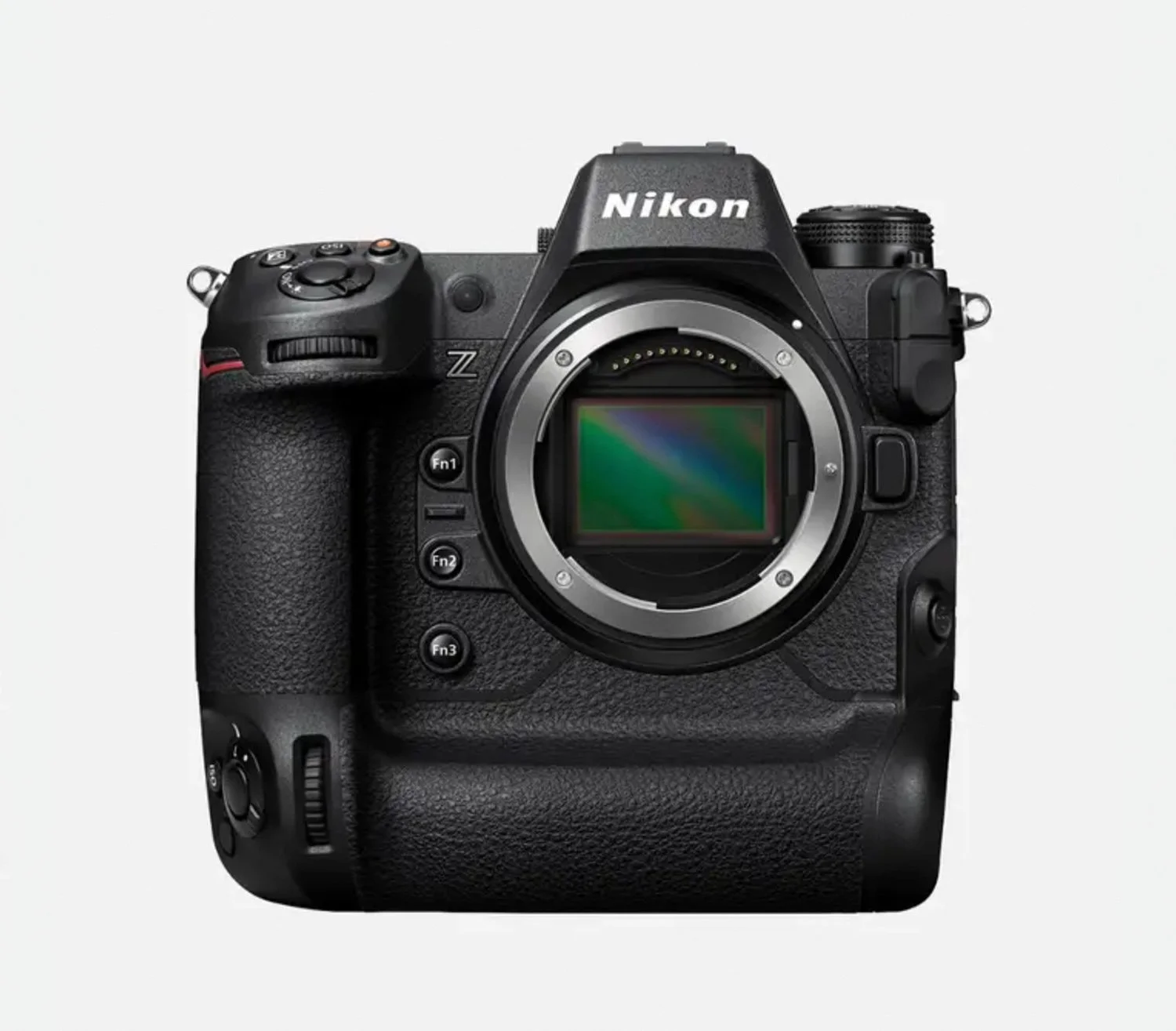
Nikon Z9 Firmware C 5.30 Expands Deep Learning Autofocus Controls and Adds a New Flexible Color Workflow
Nikon has released firmware version 5.30 for the flagship Z9 mirrorless camera, introducing significant updates to its autofocus and imaging pipeline. The update expands AI-driven subject detection to additional AF area modes, adds a customizable focus limiter to reduce lens hunting, and implements support for Flexible Color Picture Controls. These features, alongside improvements to the Auto Capture remote workflow and USB streaming capabilities, aim to enhance precision and creative control for professional sports, wildlife, and video creators.
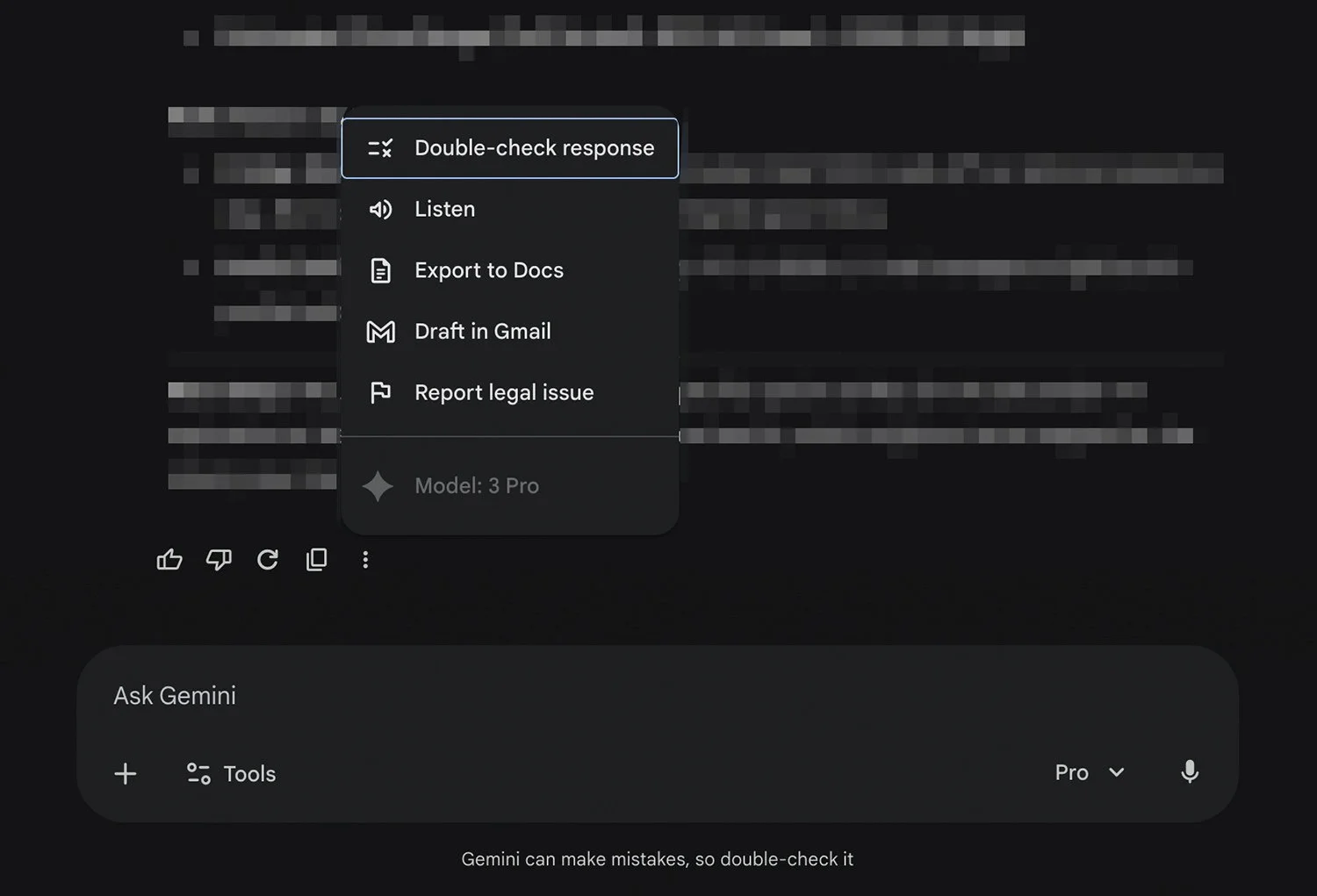
How Google’s Gemini Double-Check Tool Fights AI Hallucinations: A User Guide
Google’s "Double check response" feature provides a secondary verification layer for AI-generated content. By cross-referencing claims against live Google Search results, the tool highlights corroborated information in green and contradictory or unverified data in orange. This report examines the feature's mechanics, its role in addressing accuracy concerns following the 2025 Super Bowl ad correction, and how its post-response verification style differs from the inline citations found in competing AI assistants.

Google Rolls Out Gemini 3 Flash as Its New Fast Default Across Search AI Mode and The Gemini App
On December 17, 2025, Google released Gemini 3 Flash, a new multimodal model designed to replace Gemini 2.5 Flash as the default engine for Google Search AI Mode and the Gemini app. Prioritizing low latency and cost-efficiency, the model is now available across consumer, developer, and enterprise platforms.

AUAV Outlines AI Driven Drone Inspections for Solar Farms, Using Thermal and Visual Data
Australian drone services provider AUAV has integrated Above Surveying’s SolarGain platform to process inspection data for utility-scale solar farms. The workflow utilizes artificial intelligence to classify thermal anomalies and map them to a site’s digital twin, aiming to improve maintenance efficiency. The report also outlines how this technology aligns with current construction monitoring practices and the Civil Aviation Safety Authority’s (CASA) regulations for remote drone operations.

Spotify Trials Prompted Playlist in New Zealand, Adding Deeper User Control to AI Music Curation
Spotify has introduced a beta AI Playlist feature that allows listeners to generate curated tracklists using plain English text prompts. Distinct from the passive Spotify DJ experience, this new interface layer combines Large Language Models with Spotify’s existing personalization data to interpret specific moods, scenarios, and vibes. The feature is currently in a testing phase as part of the platform's broader investment in AI-driven music discovery.
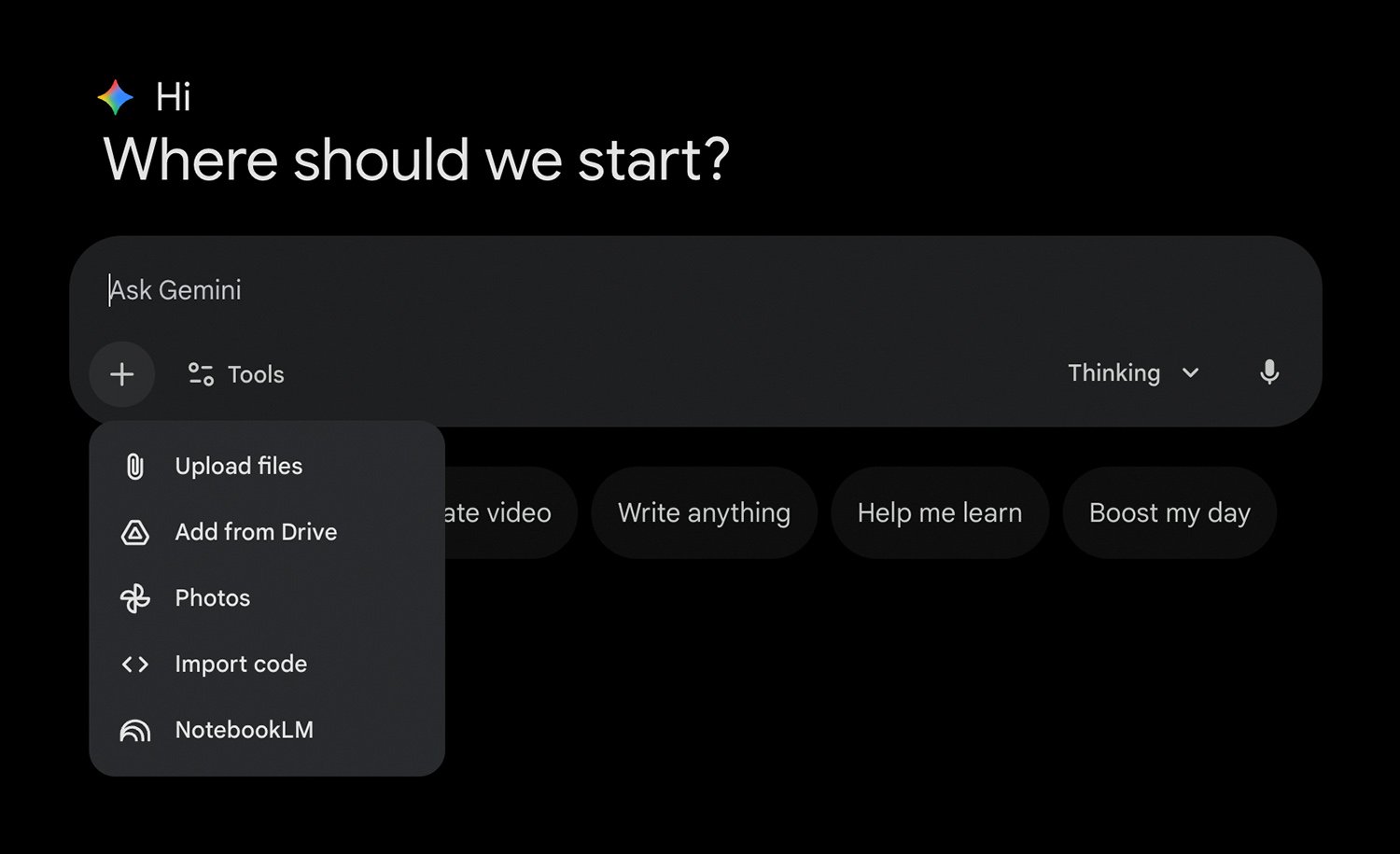
Google Blurs The Line Between Gemini Chat and NotebookLM Research Notebooks
Google has implemented new integrations allowing NotebookLM notebooks to be used directly within Gemini interfaces. This report details the functionality for consumer and enterprise users, including the ability to attach notebooks as prompt inputs and the specific governance controls retained by administrators.
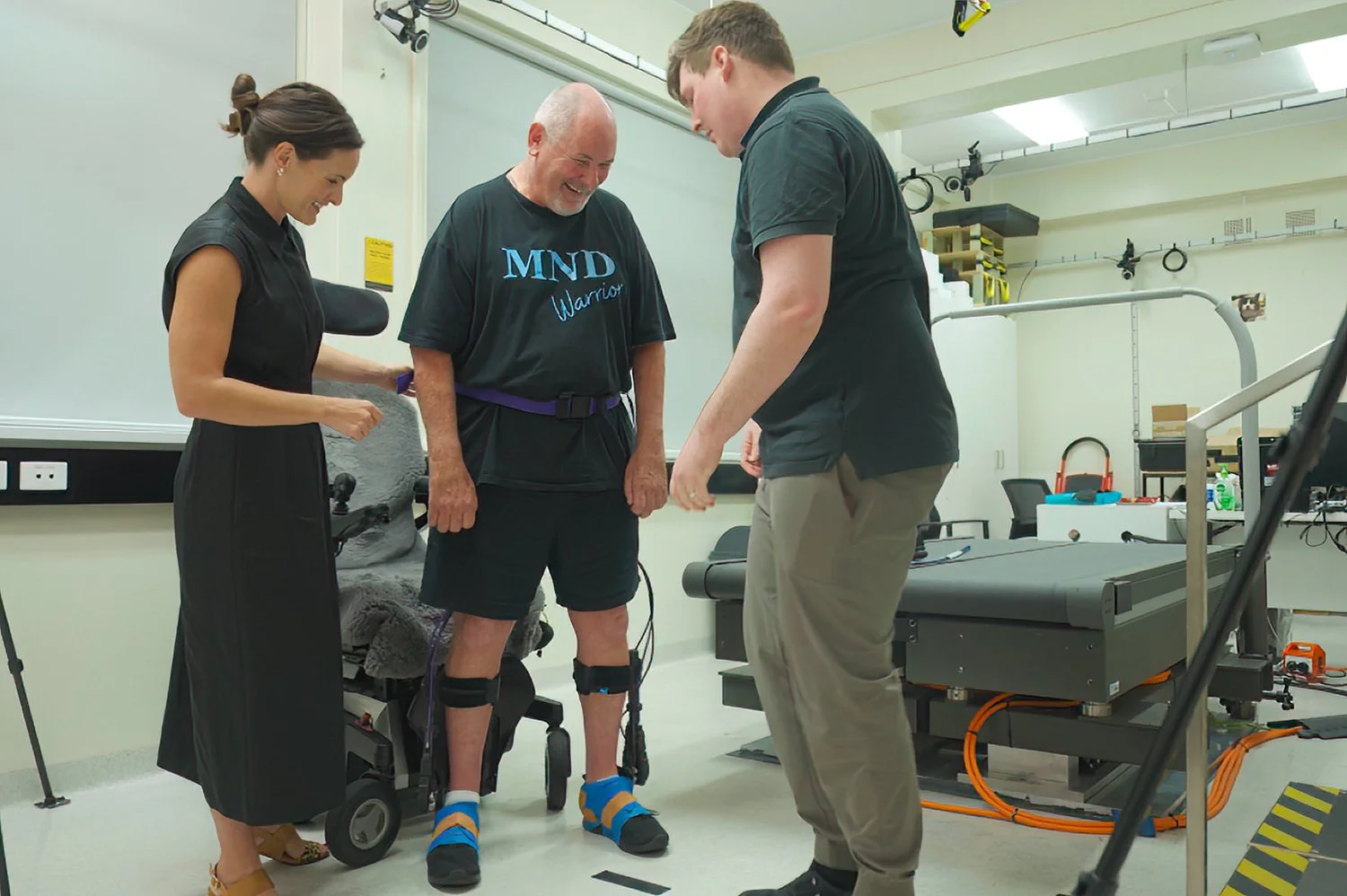
UQ Trials Wearable Robotic Exoskeleton to Assist Walking for People with MND
The University of Queensland has launched the iMOVE MND trial to evaluate a wearable robotic exoskeleton for individuals living with Motor Neurone Disease. Led by Associate Professor Taylor Dick, the project focuses on providing personalized mechanical assistance at the ankle joint to reduce fatigue and support walking. Early findings presented at the 2025 PACTALS meeting indicate potential improvements in walking speed and reduced exertion, with ongoing research targeting machine learning integration for daily use.

GlobalBuildingAtlas Released: First 3D Map of 2.75 Billion Buildings
A new peer-reviewed dataset, GlobalBuildingAtlas, provides the first near-global 3D map of 2.75 billion buildings. Derived from satellite imagery and deep learning, the open-access project supports urban planning and climate resilience with detailed height and footprint layers.
Grok Misinformation Around The Bondi Beach Attack Shows How Fast AI Can Mislead During Breaking News
Following the Bondi Beach shooting that left 16 people dead, scrutiny has turned to the role of artificial intelligence in breaking news. While NSW Police worked to update casualty figures, reports from multiple outlets indicate that xAI’s Grok assistant produced incorrect information during the event. The chatbot reportedly misidentified the bystander who disarmed a gunman and cast doubt on the authenticity of verified scene footage, highlighting the challenges of using AI tools for real-time information verification.

ChatGPT Adult Mode Arrives 2026: OpenAI’s Plan for Mature Content
OpenAI has outlined a phased approach to expanding ChatGPT’s capabilities for adult users, confirming that a dedicated "adult mode" is scheduled for release in the first quarter of 2026. Preceding this, the company will relax restrictions on mature content for verified adults starting in December 2025. This report details the technical implementation of AI-driven age prediction, the specific roles of third-party verification partners like Yoti and Persona, and how these new protocols align with recent safety updates from competitors such as Google and Character.AI.
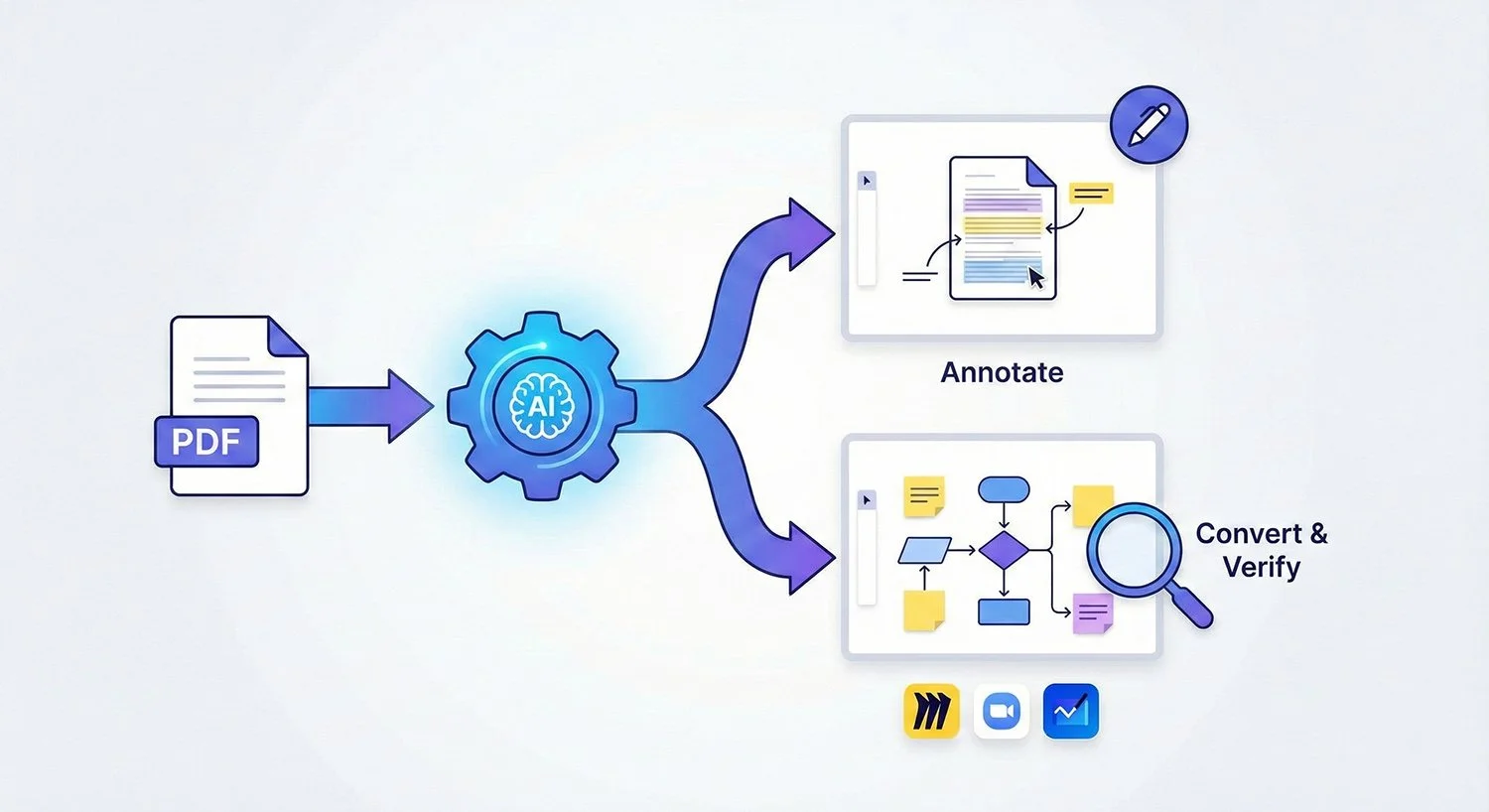
From PDF to Whiteboard Style Visuals: What the Tools Can Do Now?
This guide analyzes how digital whiteboard platforms handle PDF imports, distinguishing between static annotation and editable object conversion. It details file size limits for Zoom and Miro, outlines verification steps for AI-assisted workflows, and explains the upcoming removal of cloud-based document insertion in Microsoft Whiteboard.

Google Translate Adds Live Headphone Translation Powered by Gemini
Google has announced a new beta feature for the Translate app that enables real-time speech-to-speech translation through headphones. Currently available on Android in the US, India, and Mexico, the update utilizes Gemini capabilities to preserve speech tone, with a wider rollout planned for 2026.
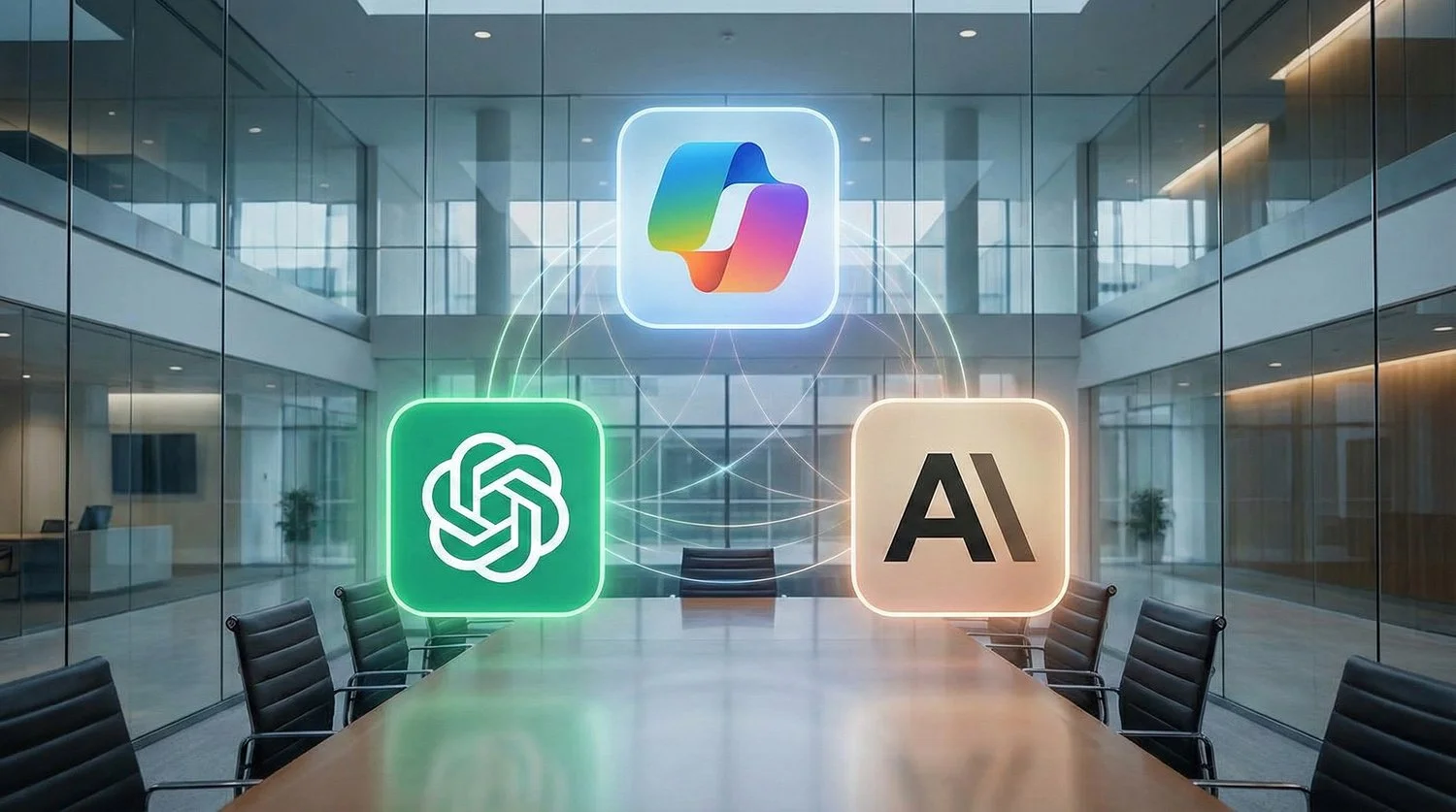
Microsoft 365 Copilot Adds GPT-5.2 in Major AI Strategy Update
Microsoft has updated Microsoft 365 Copilot with OpenAI’s GPT-5.2 and introduced support for Anthropic models. These changes, alongside an $80 billion infrastructure investment and in-house chip development, reflect a strategic shift toward a diversified, multi-model platform rather than reliance on a single provider.

Why Figma Matters in AI Enabled Product Design
In late 2025, Figma introduced three AI-powered image editing tools and the "Figma Make" application, following its public listing on the NYSE. The company also announced that strict enforcement of AI credit limits will begin in March 2026 and integrated the Model Context Protocol to improve developer workflows.